USD to INR Travel Budget Estimator
Note: This tool uses an estimated average exchange rate of ₹84.50 per $1 USD as referenced in the article. Actual rates at airports or hotels may vary due to spreads and fees. Always check live rates before exchanging large amounts.
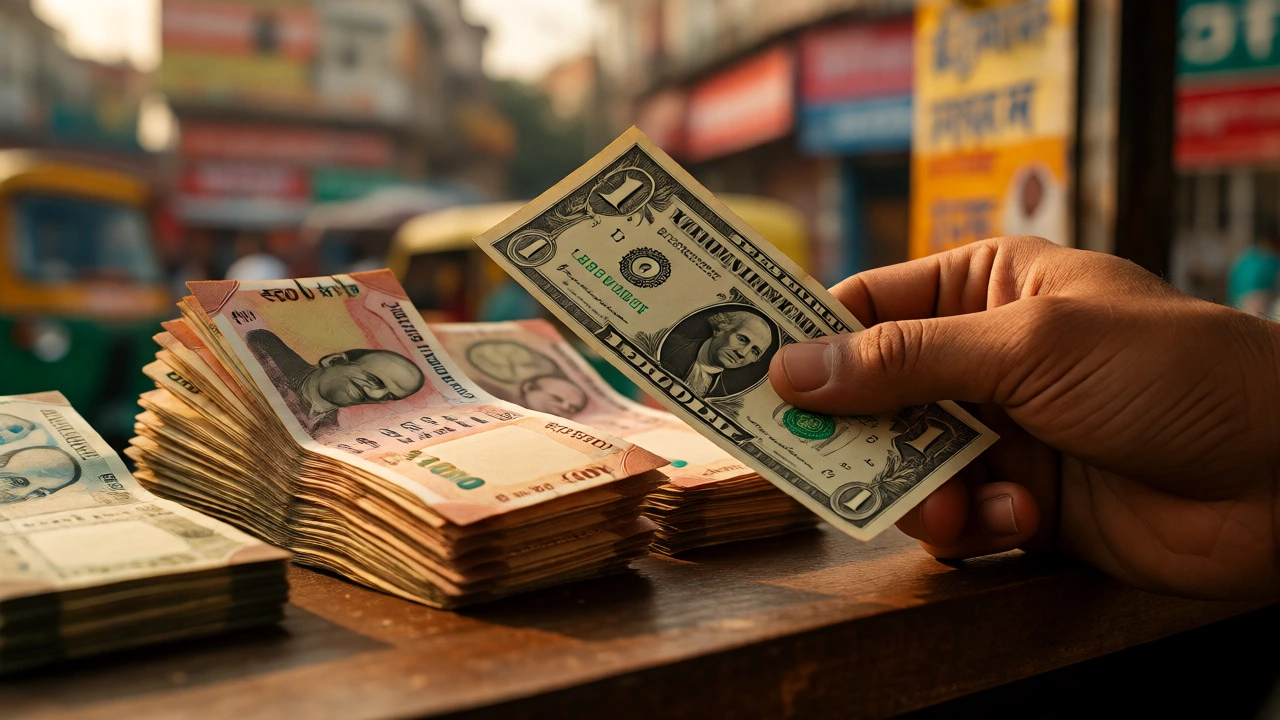
You just landed in Delhi or Mumbai, your phone is buzzing with airport Wi-Fi offers, and you’re staring at a taxi meter that reads ₹350. Your brain does the quick math: "Is that $4? $5? Wait, did the dollar go up?" If you’ve ever felt that split-second panic trying to convert USD to INR in your head while a driver waits for an answer, you aren’t alone. The short answer? As of late October 2026, one US Dollar buys you roughly ₹84 to ₹85 Indian Rupees. But here’s the catch: knowing the raw number doesn’t tell you what that money actually buys you on the ground.
Exchange rates are volatile. They shift daily based on global markets, oil prices, and central bank policies. But for a traveler planning a trip to India, the static number matters less than understanding purchasing power parity (PPP). In simple terms, your dollar stretches much further in Jaipur than it does in New York City. A coffee might cost ₹150 ($1.75) in a hipster café in Bangalore, but street-side chai could be ₹15 ($0.18). This article breaks down exactly how much $1 is worth right now, where to get the best rates, and how to make your dollars work harder so you can eat like a king without breaking the bank.
The Current State of USD to INR
Currency markets don’t sleep, but for practical travel planning, we look at the spot rate-the immediate exchange price. Throughout 2026, the Indian Rupee has hovered in the ₹83-₹85 range against the strong US Dollar. While the Reserve Bank of India (RBI) occasionally intervenes to smooth out extreme volatility, the trend has been relatively stable compared to the wild swings seen in emerging markets during the early 2020s.
Why does this matter to you? Because banks and airports often add a "spread"-a hidden fee built into the exchange rate. If the market rate is ₹84.50, your airport kiosk might offer you ₹82.00. That difference looks small until you realize you’re losing nearly 3% of your cash before you even buy a bottle of water. Always check the live interbank rate on sites like XE.com or OANDA before walking into any exchange counter. It gives you a baseline so you know if you’re getting ripped off.
| Item/Service | Cost in USA (USD) | Cost in India (INR) | Equivalent USD Value* |
|---|---|---|---|
| Street Food Meal (Thali) | $12.00 | ₹150 - ₹200 | $1.75 - $2.35 |
| Mid-range Hotel Night | $150.00 | ₹3,000 - ₹5,000 | $35.00 - $59.00 |
| Rickshaw Ride (2km) | $15.00 | ₹80 - ₹120 | $0.95 - $1.40 |
| Bottled Water (1L) | $2.50 | ₹20 - ₹30 | $0.23 - $0.35 |
*Calculated at an average rate of ₹84.50 per $1 USD.
Where to Exchange Money: Airport vs. City vs. ATM
Let’s talk logistics. You have two main options: bring physical cash or use digital banking. Most experienced travelers do a mix of both. Here’s the breakdown of who wins the "best rate" battle.
- Airport Kiosks: Convenient, but expensive. Expect rates 2-5% worse than the market average. Use this only for emergency cash to pay for a taxi to the city center.
- Authorized Money Changers in Cities: Places like Thomas Cook or local authorized forex dealers in tourist hubs (like Paharganj in Delhi or Fort Kochi in Kerala) often beat airport rates. They may ask for your passport copy, so keep it handy.
- ATMs: Generally the best option for bulk cash. Indian ATMs dispense notes in denominations of ₹500 and ₹2,000 (though ₹2,000 notes are becoming rarer due to demonetization history). Watch out for two fees: your home bank’s international withdrawal fee (often $5-$10) and the Indian ATM operator fee (usually ₹100-₹200). To minimize this, withdraw larger amounts less frequently.
- Digital Wallets (UPI): Unified Payments Interface (UPI) is everywhere. Apps like PhonePe or Paytm allow instant QR code payments. While tourists used to struggle with UPI, many apps now support foreign cards or allow you to link a local SIM-based account easily. However, carrying cash is still essential for rural areas and small vendors.
Purchasing Power: What $1 Actually Buys You
This is the fun part. Converting $1 to ₹84 is just math. Understanding what ₹84 feels like in India requires context. In the US, $1 gets you nothing-maybe a gumball machine spin. In India, ₹84 is a meaningful amount of money for daily transactions.
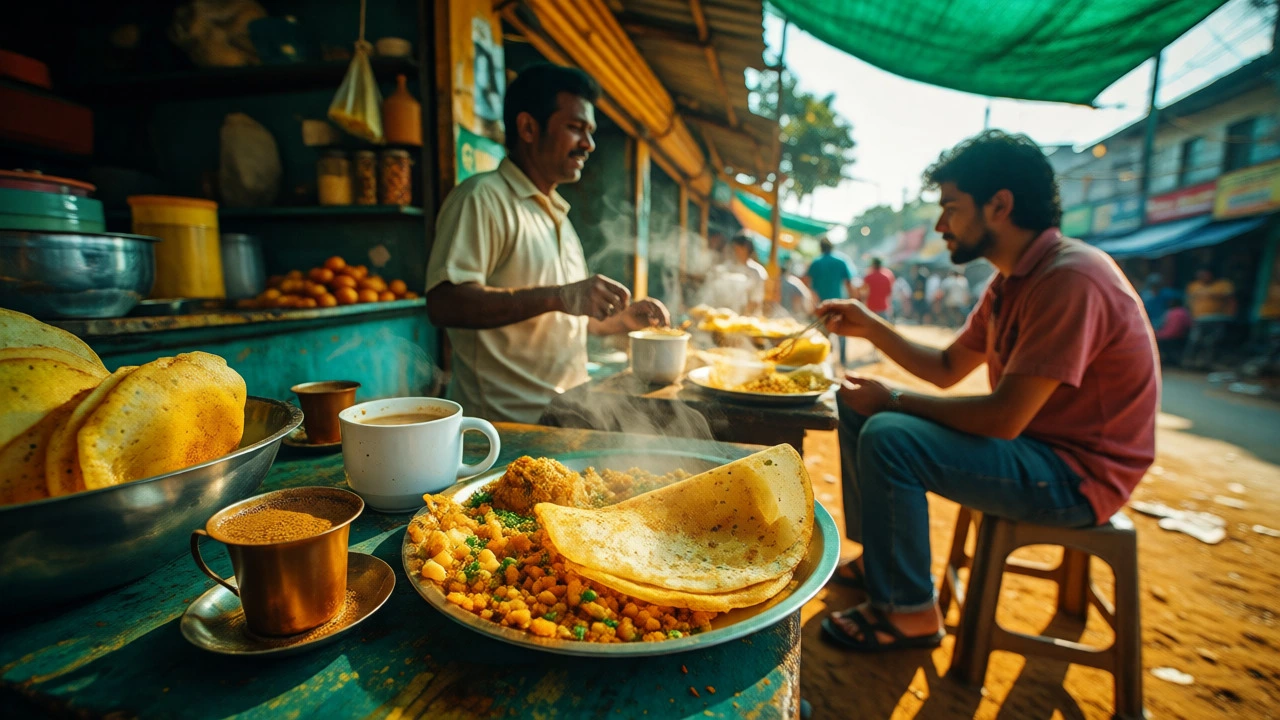
Consider transportation. A local bus ride in most cities costs between ₹10 and ₹30. With $1, you could take three bus rides across town. Or, consider food. A plate of dosas at a local canteen might run ₹60-₹80. That means your single dollar covers a substantial breakfast. Even in upscale cafes in Goa or Mumbai, a cup of filter coffee rarely exceeds ₹150, meaning $2 covers your morning caffeine fix comfortably.
However, beware of the "tourist tax." Prices fluctuate wildly depending on location. A bottle of water at a railway station might be ₹20. At a five-star hotel lobby, that same bottle could be ₹150. Always ask for the menu price before ordering, especially in ambiguous settings like beach shacks in Varkala or hill stations in Shimla.
Common Pitfalls When Using Foreign Currency
Even savvy travelers make mistakes with currency in India. Here are the traps to avoid:
- The "Dollar Bill" Myth: Do not try to pay in US Dollars unless you are at a high-end luxury resort that explicitly accepts them. Most shops, auto-rickshaws, and restaurants will refuse USD bills or give you a terrible rate. Always transact in INR.
- Small Change Scarcity: While ₹500 notes are common, finding change for a ₹500 note when buying a ₹50 item can be tough in remote villages. Keep a stash of ₹20, ₹50, and ₹100 notes from your first exchange. You’ll thank yourself when the tea stall owner says, "No change, bhaiya."
- Dynamic Currency Conversion (DCC): When using credit cards, machines sometimes ask if you want to pay in USD or INR. Always choose INR. If you choose USD, the merchant applies their own poor exchange rate, which is often 3-5% higher than the actual bank rate.
- Fake Notes: Rare, but possible. Check the watermark and security thread on ₹500 notes. If a vendor insists a note is fake, try another vendor; sometimes they just don’t have change.
Budgeting Tips for US Travelers in India
If you’re coming from the US, your dollar is powerful, but it’s easy to overspend if you stick to Western standards. Here’s how to stretch your budget further:
Stay Local: Instead of booking international chain hotels, look for homestays or boutique heritage properties. A clean, safe room with AC in a tier-2 city like Varanasi or Udaipur can cost ₹1,500-₹2,500 ($18-$30). Compare that to $150+ for a similar standard in Chicago.
Eat Where Locals Eat: Tourist menus in places like Pushkar or Rishikesh often have inflated prices. Walk two blocks away from the main square, find a place crowded with locals, and you’ll find thalis for under ₹150. The food is fresher, spicier, and cheaper.
Negotiate Respectfully: For auto-rickshaws and shopping, haggling is expected. Start at 50-60% of the quoted price. But remember, ₹50 is about $0.60. Don’t fight over pennies; it wastes time and energy. Be polite, smile, and settle on a fair price quickly.

FAQ: Common Questions About USD in India
Can I use US Dollars directly in India?
Generally, no. While some high-end hotels accept USD, most shops, taxis, and restaurants require Indian Rupees (INR). It is best to exchange your dollars for rupees upon arrival or at authorized money changers in the city.
Is it better to use cash or cards in India?
A hybrid approach works best. Credit cards are accepted in urban centers, malls, and larger restaurants. However, cash is king in smaller towns, markets, and for auto-rickshaws. Digital payments via UPI are growing rapidly but may require a local bank account or specific tourist-friendly apps.
What is the best way to get INR from USD?
Withdrawing from ATMs usually offers the best exchange rates, provided you have a card with low international fees. Authorized money changers in city centers are also competitive. Avoid exchanging large amounts at the airport due to poor rates and high commissions.
How much should I tip in India?
Tipping is appreciated but not always mandatory. For restaurants, 5-10% is standard if service charge isn't included. For guides and drivers, ₹200-₹500 ($2.50-$6) per day is generous. Small tips of ₹10-₹20 are nice for porters or housekeeping.
Are there limits on bringing USD into India?
Yes. Travelers must declare foreign currency exceeding USD 5,000 in notes or USD 10,000 in total (notes + traveler's cheques) upon arrival. Keep receipts from exchanges to prove the source of funds if questioned by customs.
Final Thoughts: Make Your Dollar Count
So, how much is $1 US worth in India? On paper, about ₹84. In reality, it’s a ticket to a flavorful meal, a short ride through chaotic streets, or a bargaining chip in a vibrant market. The key isn’t just watching the exchange rate ticker-it’s understanding the local economy. By avoiding airport traps, choosing local vendors, and respecting the cash culture, you’ll find that your US dollars provide a level of comfort and experience that would cost triple back home. Pack some small bills, keep your cards ready for emergencies, and enjoy the incredible value India offers.