Himalayan Trek Matchmaker
Answer these questions honestly to find out which of the world's most famous high-altitude treks fits you best.
1. How do you feel about crowds and social interaction on trails?
Calculating Your Perfect Trek...
Everest Base Camp (EBC)
The Social & Supported Choice
- Duration: 12–14 Days
- Infrastructure: High (Wi-Fi, Hot Showers, Pizza)
- Rescue: Fast (Helicopters/Clinics available)
- Vibe: Bustling, International, Predictable
Kanchenjunga Trek
The Wild & Solitary Challenge
- Duration: 18–24 Days
- Infrastructure: Low (Basic Lodges, No ATMs)
- Rescue: Slow (Self-reliance required)
- Vibe: Quiet, Remote, Unpredictable
Imagine standing at 5,364 meters. Your lungs burn, your head throbs, and every step feels like wading through wet cement. This is the reality of Kanchenjunga, the world's third-highest mountain and a formidable challenge for trekkers seeking isolation over infrastructure. But here’s the question that keeps popping up on forums and in tea houses across Sikkim: Is it actually harder than the famous Everest Base Camp (EBC) trek?
The short answer? Yes, but not because the mountain itself is taller. Kanchenjunga is harder because it demands more from you mentally, logistically, and physically due to its remoteness. While EBC has become a well-oiled machine with Wi-Fi cafes and hot showers, Kanchenjunga remains wild, unpredictable, and unforgiving. If you are planning a trip to the Himalayas, understanding the specific nuances of these two giants will save you from a potentially dangerous mistake.
Altitude and Acclimatization: The Thin Air Reality
When we talk about difficulty, altitude is the primary culprit. Both treks take you above 5,000 meters, a threshold where the human body begins to struggle significantly. However, the way you handle this ascent differs drastically between the two routes.
| Metric | Kanchenjunga North/South | Everest Base Camp (Nepal) |
|---|---|---|
| Highest Point | ~5,140m (Goecha La Pass) | 5,364m (Base Camp) |
| Trek Duration | 18-24 days | 12-14 days |
| Acclimatization Profile | Gradual, sustained high altitude | Rapid gain, shorter exposure |
| AMS Risk Factor | High due to duration and remoteness | Moderate due to rapid ascent |
On the Everest Base Camp trek, a popular route in Nepal leading to the foot of the world's highest peak, you climb fast. You might go from Namche Bazaar to Dingboche quickly, gaining significant altitude in a few days. The risk here is Acute Mountain Sickness (AMS) caused by ascending too quickly. But, if you get sick, help is never far away. Helicopters can reach most points, and there are clinics in Pheriche and Namche.
Kanchenjunga is different. It is a marathon, not a sprint. The trek often involves staying at altitudes above 4,500 meters for extended periods. You aren't just passing through; you are living there. This prolonged exposure tests your body’s ability to acclimatize slowly. There is no quick fix. If you feel unwell at Goecha La, you don’t have a helicopter waiting around the corner. You have to descend on your own feet, which takes time and energy you may not have. This makes the physiological demand higher, even if the peak elevation is slightly lower than EBC.
Logistics and Infrastructure: Comfort vs. Wild
One of the biggest reasons people find Kanchenjunga "harder" is the lack of comfort. Let’s be honest: trekking is tough enough without worrying about where you’ll sleep or eat.
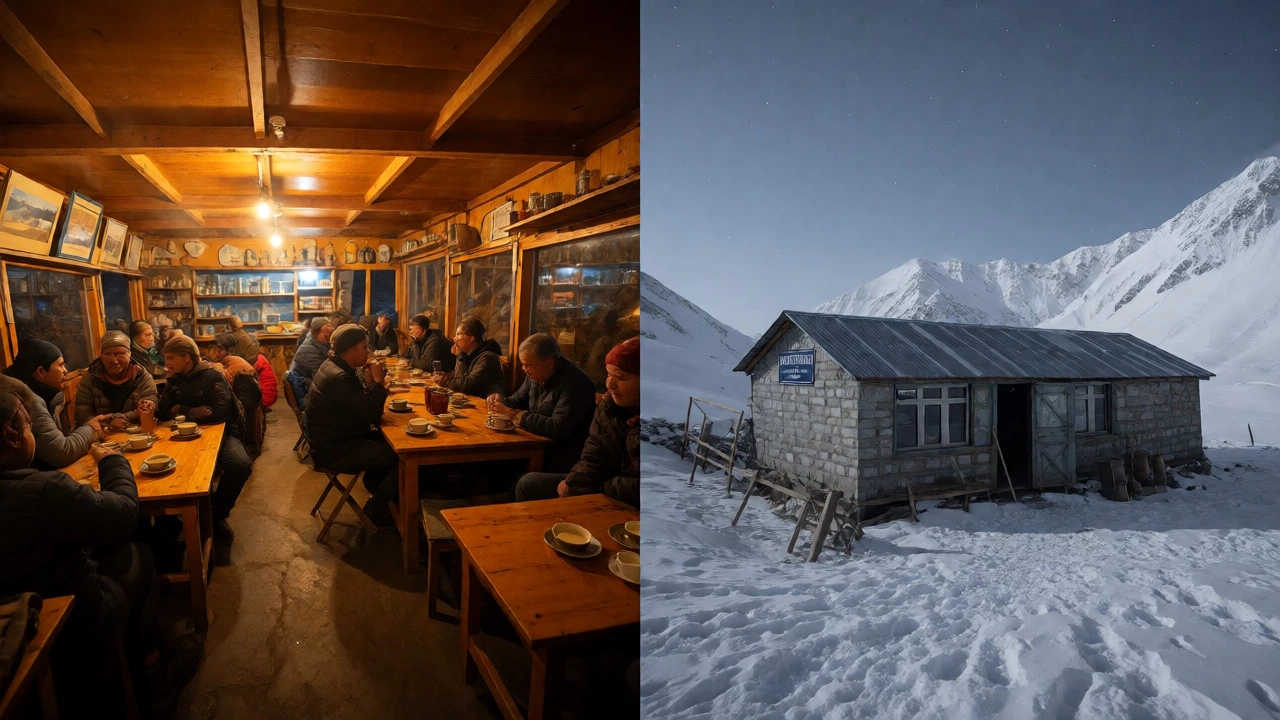
Everest Base Camp is heavily commercialized. You can book teahouses months in advance. They have menus with pizza, pasta, and momos. Many places offer solar-powered electricity, charging ports, and even paid Wi-Fi. If you forget your sleeping bag liner, you can buy one in Namche. The trail is wide, well-marked, and crowded. You are rarely alone.
In contrast, the Kanchenjunga Conservation Area, a protected region in Sikkim, India, known for its pristine wilderness and restricted access, offers minimal infrastructure. Accommodations are basic government rest houses or simple lodges. Food options are limited to local dishes like thukpa and rice. You need to carry cash because ATMs are non-existent beyond Taplejung or Gangtok. Connectivity is spotty at best; expect days without phone signal. This logistical friction adds mental fatigue. You have to plan everything meticulously. Running out of water purification tablets or medication isn’t an inconvenience; it’s a crisis.
- Food: EBC offers international cuisine; Kanchenjunga offers local sustenance.
- Accommodation: EBC has private rooms with beds; Kanchenjunga often requires shared dorms or camping.
- Rescue: EBC has established rescue networks; Kanchenjunga requires self-reliance or slow evacuation.
Trail Conditions and Technical Difficulty
Neither trek requires technical climbing skills like using ropes or crampons for ice walls. Both are hiking trails. However, the terrain plays a huge role in perceived difficulty.
The EBC trail is largely stone steps and dirt paths. It is steep, yes, but it is consistent. The path is maintained, and during peak season, it is almost a highway of trekkers. The monotony of stone steps can be boring, but it is predictable.
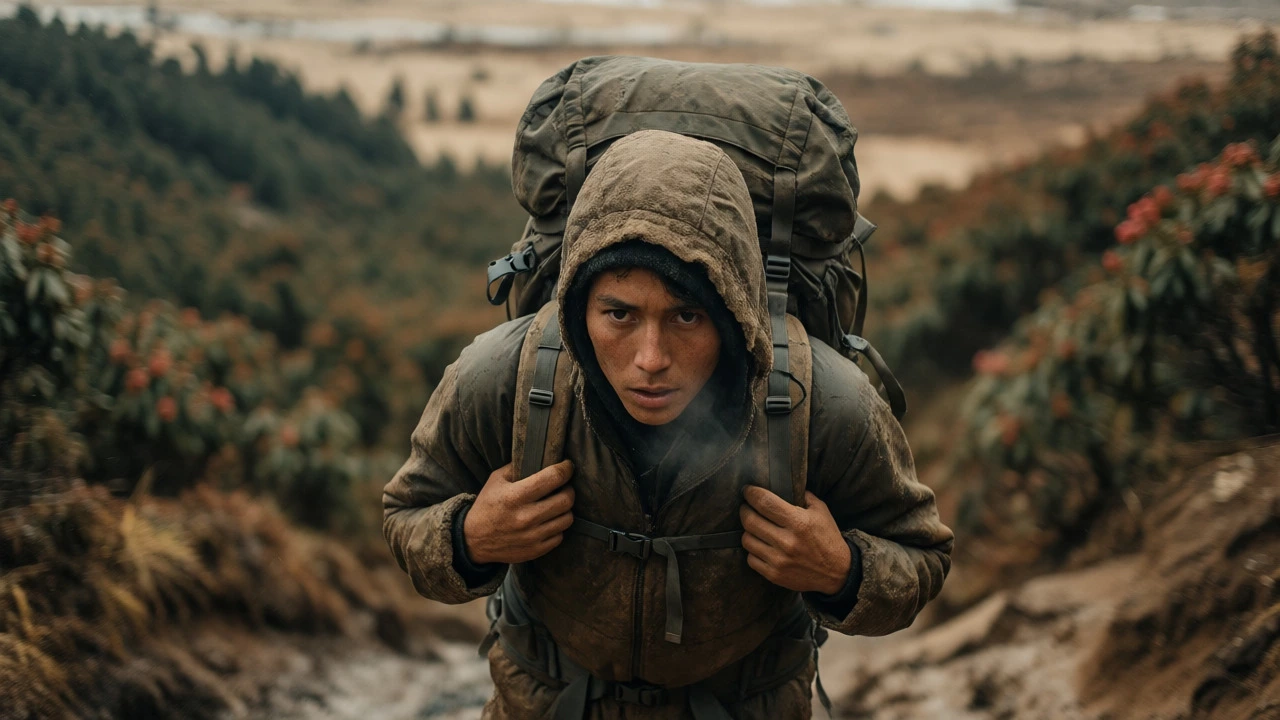
Kanchenjunga, particularly the route to Goecha La Pass, a high-altitude pass offering panoramic views of the Kanchenjunga massif, involves rougher, less-traveled paths. You will encounter loose scree, muddy sections during monsoon seasons, and narrow ridges. The trail winds through dense rhododendron forests before opening up to barren high-altitude deserts. Because fewer people walk this path, erosion and weather damage are less frequently repaired. A landslide can block the trail for days. Navigating these conditions requires better balance and stamina than the manicured steps of Nepal.
Permits and Restrictions: The Red Tape Factor
Accessing these mountains isn't as simple as buying a plane ticket. The bureaucratic hurdles add to the overall complexity of the journey.
For Sikkim, an Indian state bordering Nepal, Bhutan, and Tibet, home to Kanchenjunga, you need a Protected Area Permit (PAP). Foreign nationals must travel with a registered guide and porter. You cannot trek solo. This rule exists to protect the fragile ecosystem and support local communities. It also means you are tied to a group schedule. If you want to wake up early to catch the sunrise, you wait for the group. If you want to push faster, you wait. This loss of autonomy can be frustrating for experienced hikers who prefer independence.
Nepal requires a TIMS card and a Sagarmatha National Park permit for EBC. While you technically need a guide for certain areas now, enforcement varies, and solo trekking was historically common. The process is streamlined compared to Sikkim’s strict PAP system. Dealing with permits in India often involves more paperwork and checkpoints, adding stress before you even start walking.
Scenery and Solitude: The Emotional Toll
Is it harder if it’s beautiful? Paradoxically, sometimes yes. Kanchenjunga offers solitude that EBC lost years ago. Walking for hours without seeing another soul can be meditative, but it can also be psychologically taxing. You are truly alone with your thoughts and the elements.
EBC is social. You meet people from all over the world. You share stories over butter tea. The camaraderie helps distract from the pain. On Kanchenjunga, you might go two days without speaking to anyone outside your small team. For some, this silence is peaceful. For others, it amplifies every ache and doubt. The psychological resilience required to keep moving when no one else is watching is a hidden layer of difficulty.
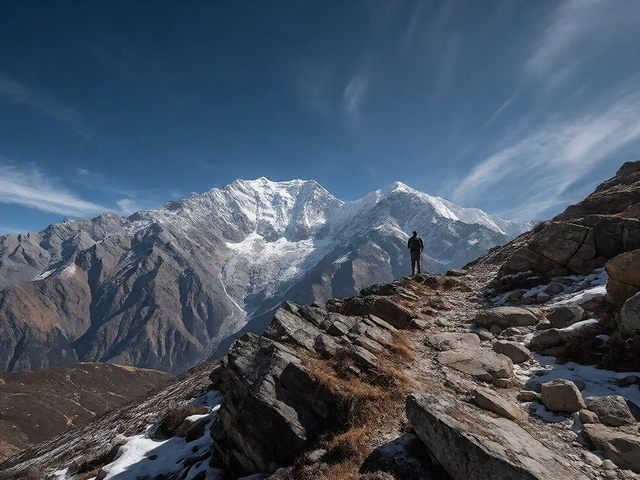
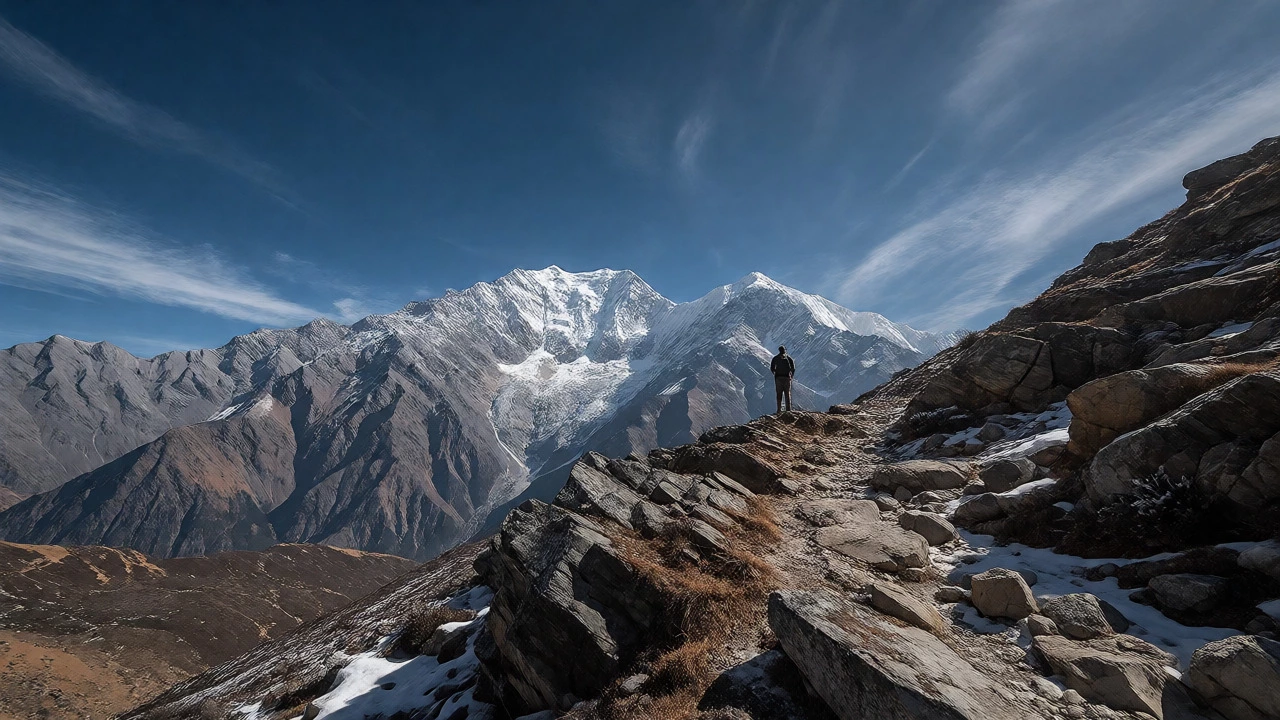
Moreover, the views are different. EBC gives you iconic photos of Khumbu Icefall and Pumori. Kanchenjunga gives you raw, untouched wilderness. Seeing the massive wall of Kanchenjunga rise against the sky is a spiritual experience, but getting there costs more sweat and tears.
Weather Windows and Seasonality
Timing your trek correctly is crucial for both, but Kanchenjunga is more sensitive to weather patterns.
The pre-monsoon (March-May) and post-monsoon (September-November) windows are standard for both. However, Kanchenjunga receives heavier snowfall in winter and more rain during the monsoon due to its proximity to the Bay of Bengal moisture flow. Trails can become slippery and dangerous quickly. In contrast, while Nepal gets snow, the southern approach to EBC is somewhat shielded. A sudden storm on Kanchenjunga can trap you in a lodge for days, eating into your buffer time. On EBC, you can often push through bad weather because the infrastructure allows for quicker descents to lower elevations.
Verdict: Who Should Choose Which?
If you are asking whether Kanchenjunga is harder, the answer depends on what kind of hardship you can tolerate.
Choose Everest Base Camp if:
- You want reliable infrastructure and comfort.
- You prefer a social environment with other trekkers.
- You are new to high-altitude trekking and want safety nets.
- You want iconic, recognizable mountain photography.
Choose Kanchenjunga if:
- You crave solitude and untouched nature.
- You are comfortable with basic amenities and self-sufficiency.
- You have previous high-altitude experience and good fitness.
- You want to avoid crowds and commercialization.
Kanchenjunga is not necessarily "more dangerous" in terms of objective hazards like crevasses (which neither trek crosses directly), but it is more demanding due to its remoteness and lack of emergency services. It asks more of your patience, your preparation, and your mind.
Can I do the Kanchenjunga trek solo?
No, foreign nationals are generally required to hire a registered guide and porter for the Kanchenjunga trek in Sikkim. Solo trekking is not permitted in the core conservation areas to ensure safety and environmental protection.
Which trek has a higher risk of altitude sickness?
Both carry risks, but Everest Base Camp sees more cases of AMS due to the rapid rate of ascent. However, Kanchenjunga poses a greater risk if AMS develops because medical evacuation is slower and more difficult due to the remote location.
Do I need special gear for Kanchenjunga compared to EBC?
Yes, you should prioritize lighter, warmer layers and robust waterproof boots for Kanchenjunga. Since accommodation is basic, a high-quality four-season sleeping bag is essential. EBC trekkers can often rent gear locally, whereas rental options in Sikkim are scarce.
Is Kanchenjunga trek worth it despite being harder?
For many, absolutely. The trade-off for the difficulty is unparalleled solitude, pristine landscapes, and a sense of achievement that comes from completing a less-trodden path. It offers a deeper connection to the Himalayas than the crowded EBC route.
How much does the Kanchenjunga trek cost compared to EBC?
Kanchenjunga can be comparable or slightly cheaper per day, but total costs may be higher due to mandatory guides and longer durations. EBC costs have risen due to permit fees and insurance requirements, but budget options remain abundant.