UNESCO Heritage Travel Planner
Not sure which of India's newest UNESCO sites fits your travel style? Answer these quick questions to find your perfect cultural destination.
You might have heard the buzz about a new UNESCO World Heritage Site being added to India’s list recently. But which one is it? If you’re guessing a grand palace or an ancient temple, you’d be half-right. The most significant recent addition isn’t just a building; it’s an idea made physical. In September 2023, UNESCO inscribed Santiniketan, a town in West Bengal known for its unique educational philosophy and artistic heritage, onto the World Heritage List.
This addition matters because it shifts the focus from monumental stone structures to living cultural landscapes. For travelers, this means there’s a new kind of journey on offer-one that values community, art, and nature over ticket booths and velvet ropes. But Santiniketan isn’t the only story here. Understanding what makes these sites special helps you plan a trip that goes beyond checking boxes. Let’s break down exactly what this new site is, why it earned the spot, and how you can experience it without getting lost in the crowd.
The Big Reveal: Santiniketan Joins the Club
On September 10, 2023, during the 45th session of the World Heritage Committee, Visva-Bharati University and the surrounding area of Santiniketan were officially recognized as a Cultural World Heritage Site. This was a massive win for India, bringing the total number of World Heritage Sites in the country to 42. But unlike the Taj Mahal or Khajuraho, which are celebrated for their architectural brilliance, Santiniketan is celebrated for its humanistic approach to education and culture.
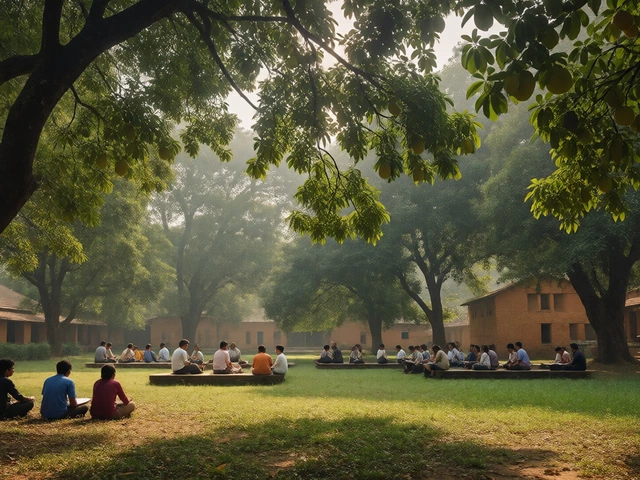
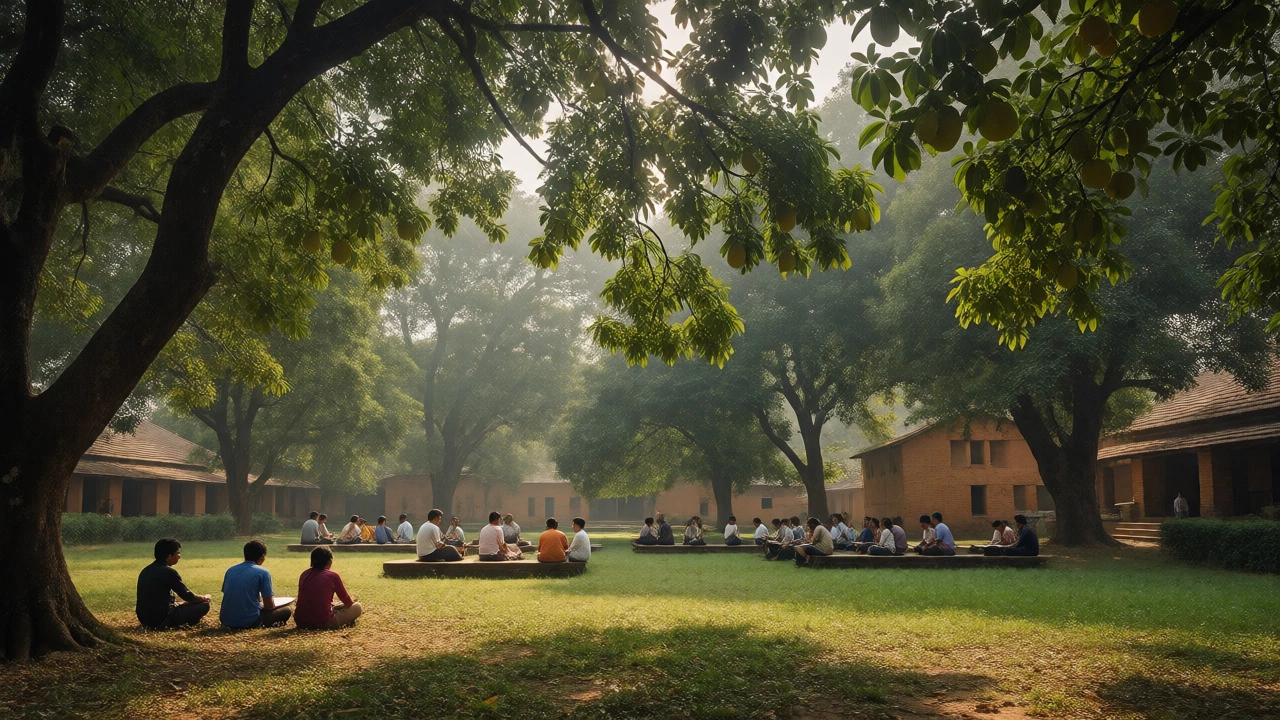
Why does this matter to you? Because UNESCO doesn’t just pick pretty places. They look for "Outstanding Universal Value." In the case of Santiniketan, that value lies in its role as a center for intellectual and artistic exchange. Founded by Nobel laureate Rabindranath Tagore in 1901, the university pioneered an open-air learning model where classes were held under trees, not inside walls. It became a hub for modernist art, literature, and music in the early 20th century. Walking through Santiniketan today feels like stepping into a living museum of ideas, where the architecture blends seamlessly with the landscape.
What Exactly Is Inside the New Site?
When we talk about the "new" site, we aren’t talking about a single monument. The inscription covers a specific buffer zone that includes several key components. You need to know what to look for when you visit so you don’t miss the core elements that earned the UNESCO stamp.
- The Visva-Bharati Campus: This is the heart of the site. Look for the Kala Bhavana (Institute of Fine Arts) and Sangeet Bhavana (Institute of Music). These buildings are modest but historically charged. They hosted giants like Nandalal Bose and Ananda Coomaraswamy.
- The Open-Air Classrooms: Tagore believed education should happen in harmony with nature. You’ll still see students sitting under mango and jackfruit trees, a tradition that continues today. This spatial arrangement is a key part of the site’s integrity.
- The Baul Folk Tradition: While not a building, the intangible heritage of the Baul singers, who influenced Tagore deeply, is part of the cultural fabric protected by this designation. You might hear their songs drifting through the air if you time your visit right.
- The Architectural Style: Notice the lack of high walls or imposing gates. The campus is open, inviting the community in. This reflects the philosophical stance that knowledge belongs to everyone, not just the elite.
It’s worth noting that this recognition also highlights the importance of conservation. The local government has stepped up efforts to maintain the green cover and protect the historical buildings from urban sprawl. As a visitor, respecting these zones ensures the site remains authentic for future generations.
Recent Additions and the Broader Context
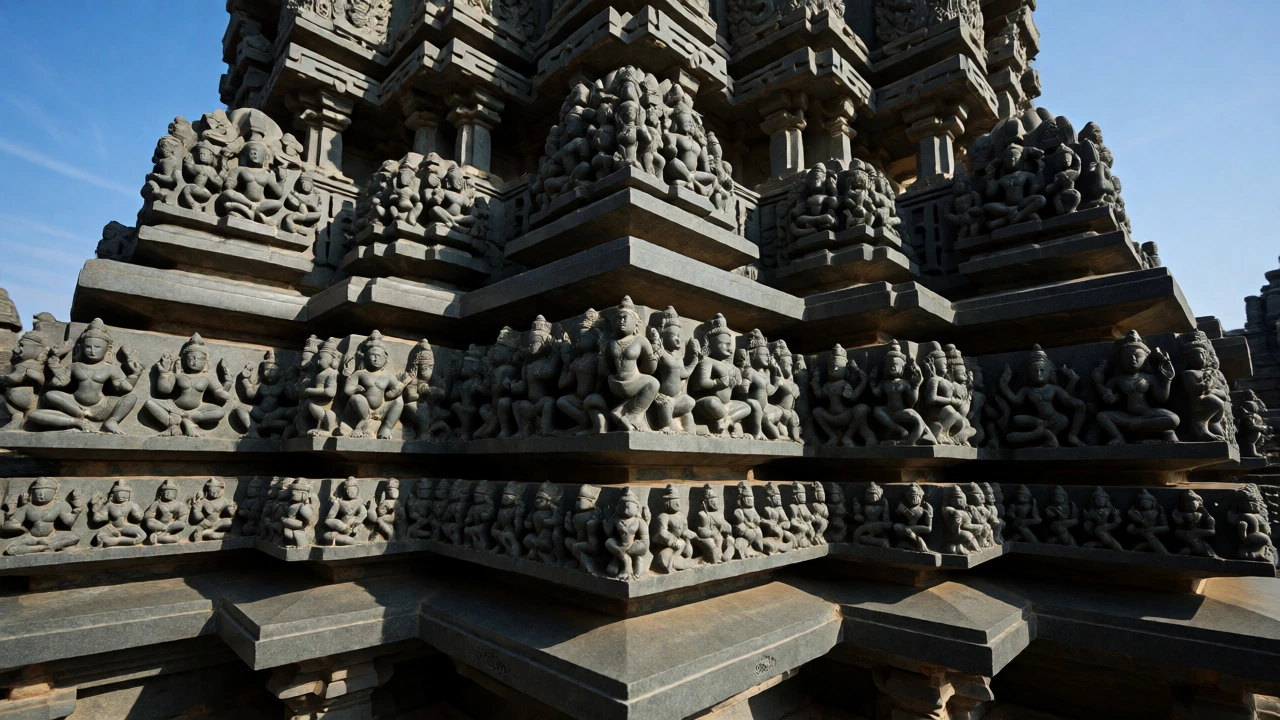
While Santiniketan is the headline news, it didn’t come alone. In the same year, UNESCO also inscribed the Hoysala Temples in Karnataka. So, if you’re looking for traditional stone-carved marvels, you have options too. The Hoysala Temples at Belur, Halebidu, and Somnathapura are renowned for their intricate soapstone carvings, dating back to the 12th and 13th centuries.
| Feature | Santiniketan (West Bengal) | Hoysala Temples (Karnataka) |
|---|---|---|
| Type | Cultural Landscape / Educational Center | Architectural Complex |
| Primary Appeal | Philosophy, Art, Nature Integration | Intricate Stone Carving, Religious History |
| Best Time to Visit | October-March (Poush Mela in Dec) | November-February (Cooler weather) |
| Visitor Experience | Quiet, reflective, interactive with locals | Majestic, visual-heavy, guided tours recommended |
Choosing between them depends on what kind of traveler you are. Do you want to sit under a tree and think about the meaning of life while listening to folk songs? Go to Santiniketan. Do you want to stand in awe of thousands of tiny deities carved into a star-shaped platform? Head to the Hoysala Temples. Both offer distinct flavors of Indian heritage, proving that the country’s UNESCO portfolio is diverse and deep.
Planning Your Trip to Santiniketan
If you decide to visit the newest site, logistics are straightforward but require some planning. Santiniketan is located in the Birbhum district of West Bengal, about 160 kilometers north of Kolkata. Here’s how to make the most of your visit.
Getting There: The nearest airport is Netaji Subhas Chandra Bose International Airport in Kolkata. From there, you can take a train to Bolpur Shantiniketan station, which takes about 3-4 hours. Trains are frequent and affordable, making this a budget-friendly option. Alternatively, you can hire a cab from Kolkata, which gives you more flexibility to stop along the way.
Where to Stay: Options range from government-run tourist lodges to boutique homestays run by local families. Staying in a homestay often provides a richer cultural immersion. Many hosts will share stories about Tagore’s era or guide you to hidden spots in the town.
Must-Do Activities:
- Visit Tagore’s Residence: The Uttarayan complex houses the master’s home. It’s preserved exactly as he left it, offering a glimpse into his daily life.
- Explore the Museums: The Rabindra Bharati Museum displays personal artifacts, letters, and paintings. Don’t skip the library archives if you’re a history buff.
- Attend a Performance: Check the schedule at Sangeet Bhavana. Even if you don’t understand Bengali, the emotion in Rabindra Sangeet (Tagore’s songs) is universal.
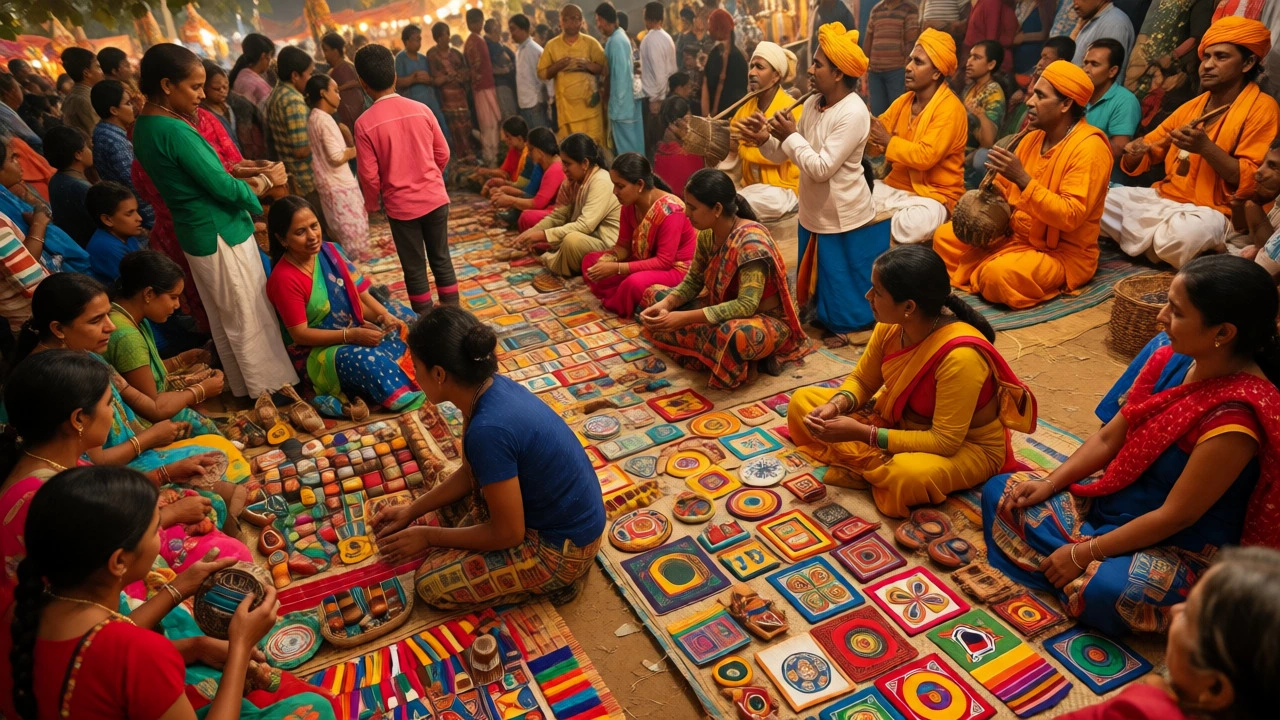
- Walk Through Sonajhuri Haat: On Saturdays, this market comes alive with handicrafts, tribal art, and local food. It’s a great place to buy souvenirs that actually support local artisans.
A pro tip: Try to align your visit with the Poush Mela in late December. This annual fair celebrates rural culture and brings together craftsmen, performers, and scholars from across the region. It’s chaotic, colorful, and utterly unforgettable.
Why This Matters for Responsible Travelers
Adding Santiniketan to the list isn’t just about prestige. It’s about preservation. World Heritage status brings international attention, which can sometimes lead to overtourism. However, it also unlocks funding for conservation projects. For travelers, this means you’re contributing to the upkeep of a fragile ecosystem-both natural and cultural.
Consider the impact of your visit. Buying locally made crafts supports the economic viability of the town. Respecting the quiet atmosphere of the campus shows respect for the educational mission. Unlike commercialized tourist traps, Santiniketan thrives on its authenticity. By visiting thoughtfully, you help ensure that this "open university" remains open to the world, not just closed off by crowds.
Furthermore, this recognition encourages other countries to nominate similar sites. We might see more nominations for cultural landscapes rather than just monuments in the coming years. Keeping an eye on UNESCO announcements helps you stay ahead of the curve, discovering destinations before they become mainstream.
Which is the latest UNESCO World Heritage Site in India?
As of late 2023, the latest additions are Santiniketan in West Bengal and the Hoysala Temples in Karnataka. Santiniketan was inscribed on September 10, 2023, recognizing its outstanding universal value as a center of education and culture founded by Rabindranath Tagore.
Is Santiniketan open to tourists all year round?
Yes, Santiniketan is open to visitors throughout the year. However, the best time to visit is between October and March when the weather is pleasant. Avoid the peak summer months (April-June) as temperatures can rise significantly in West Bengal.
How far is Santiniketan from Kolkata?
Santiniketan is approximately 160 kilometers north of Kolkata. It is easily accessible by train, taking around 3 to 4 hours from Howrah Station. Driving via NH19 usually takes about 3.5 to 4 hours depending on traffic.
What is the entry fee for Visva-Bharati University?
Entry to the main campus areas is generally free or requires a nominal token fee for certain museums and residences like Tagore's house. Specific fees may vary, so it is advisable to check current rates upon arrival or on the official university website.
Can I stay overnight in Santiniketan?
Yes, there are various accommodation options including government tourist lodges, private hotels, and numerous homestays. Homestays are particularly popular for experiencing the local culture and hospitality firsthand.