Heritage Tourism in India: Explore UNESCO Sites, Ancient Cities, and Cultural Treasures
When you think of Heritage Tourism, travel focused on experiencing places with deep historical, cultural, or architectural significance. Also known as cultural heritage travel, it’s not just about seeing old buildings—it’s about connecting with the stories, crafts, and traditions that shaped a region over centuries. In India, this isn’t a niche interest. It’s a way of life. From the crumbling yet majestic ruins of Hampi to the vibrant alleyways of Jaipur’s walled city, heritage tourism here means walking through living history, not just museums.
India’s UNESCO World Heritage Sites, locations recognized globally for their outstanding cultural or natural value. Also known as World Heritage Locations, these are the crown jewels of India’s past. With 42 sites as of 2024, India ranks among the top countries in the world for heritage density. You’ll find them in every corner: the rock-cut temples of Ajanta, the stepwells of Gujarat, the colonial architecture of Chennai, and the sacred ghats of Varanasi. But not all heritage is grand. Some of the most powerful experiences come from quiet places—a forgotten stepwell in Delhi, a 2,000-year-old inscription in Tamil Nadu, a family-run workshop in Benares still weaving silk the way it was done under the Mughals.
Some states dominate the list. Maharashtra, a state with the highest concentration of UNESCO sites in India, including the Ajanta and Ellora caves. Also known as the cultural heartland of western India, it holds some of the oldest and most intricate carvings on the planet. Others, like Uttar Pradesh and Rajasthan, pack in forts, palaces, and cities that feel frozen in time. But the real story isn’t just about numbers. It’s about what these places still do today. The Taj Mahal doesn’t just attract tourists—it inspires local artisans, keeps traditional stone-carving alive, and draws global attention to conservation. Heritage tourism isn’t passive. When you visit, you’re part of keeping it alive.
And it’s not all about ancient ruins. India’s heritage includes living traditions—the music of Gwalior, the textile patterns of Kanchipuram, the rituals of Puri’s Jagannath Temple. These aren’t performances for visitors. They’re daily practices passed down for generations. That’s why a trip to a heritage site should never be just a photo stop. It’s about understanding who still lives with these places, who still repairs them, who still sings the songs that were sung here 500 years ago.
Whether you’re planning your first trip or your tenth, India’s heritage offers more than sightseeing. It offers connection. You’ll find sites that made history, yes—but also ones that still shape how millions live today. Below, you’ll find real, practical guides on which sites to prioritize, which states have the most, what makes each one unique, and how to visit without contributing to their decline. No fluff. Just what you need to explore India’s past—and help protect its future.
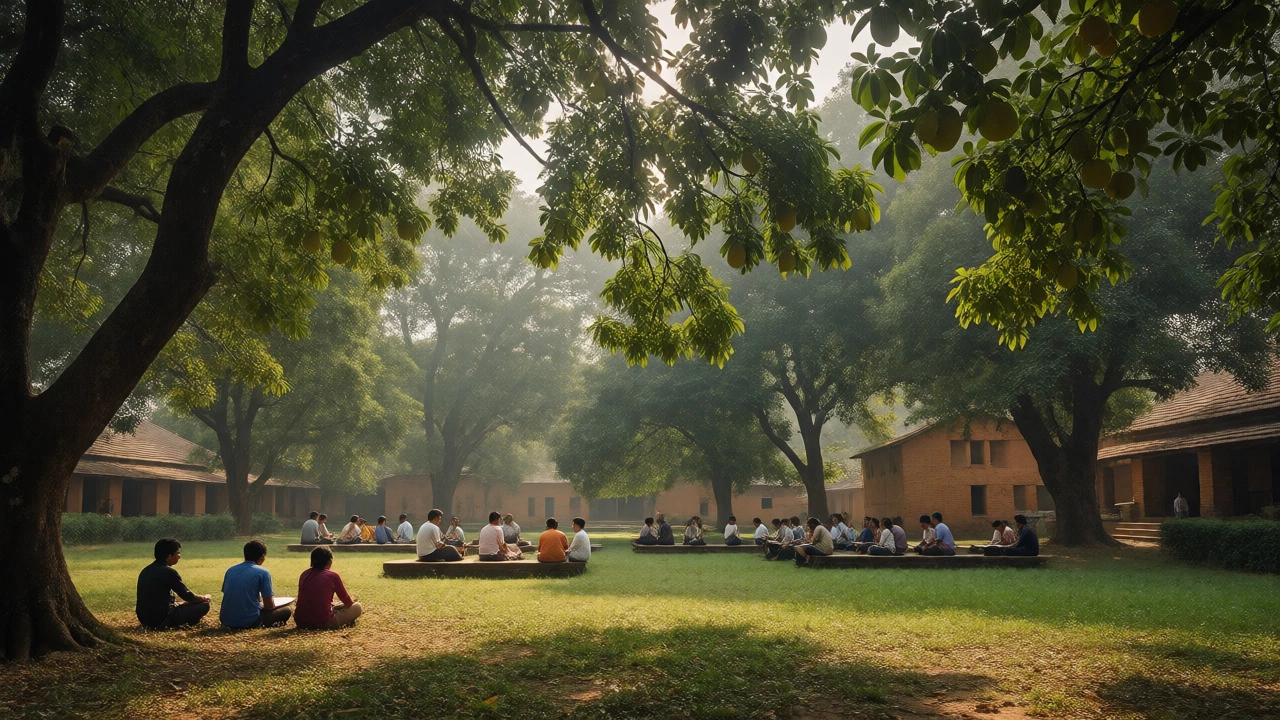
New UNESCO World Heritage Site in India: Santiniketan and Beyond
Discover Santiniketan, India's newest UNESCO World Heritage Site. Learn about its educational legacy, travel tips, and how it compares to the Hoysala Temples.
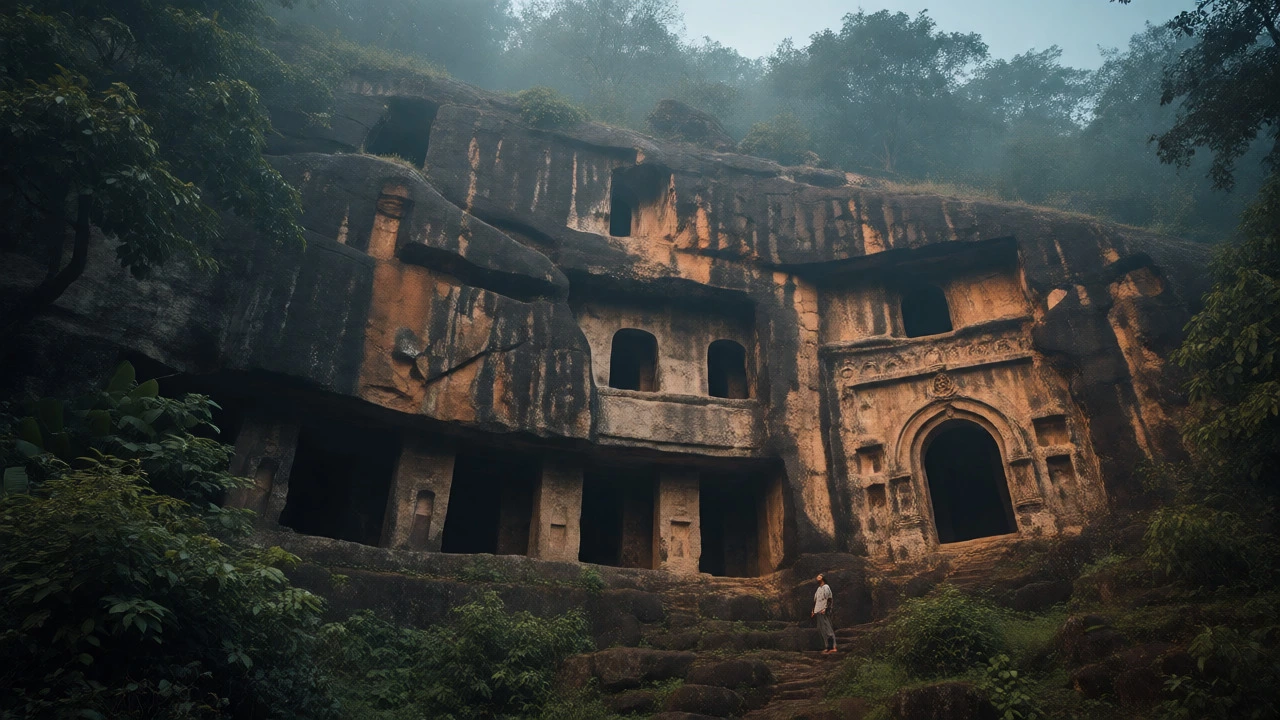
Which is the First UNESCO World Heritage Site in India?
Discover which site holds the title of India's first UNESCO World Heritage Site. Learn why Ajanta Caves beat the Taj Mahal in antiquity.
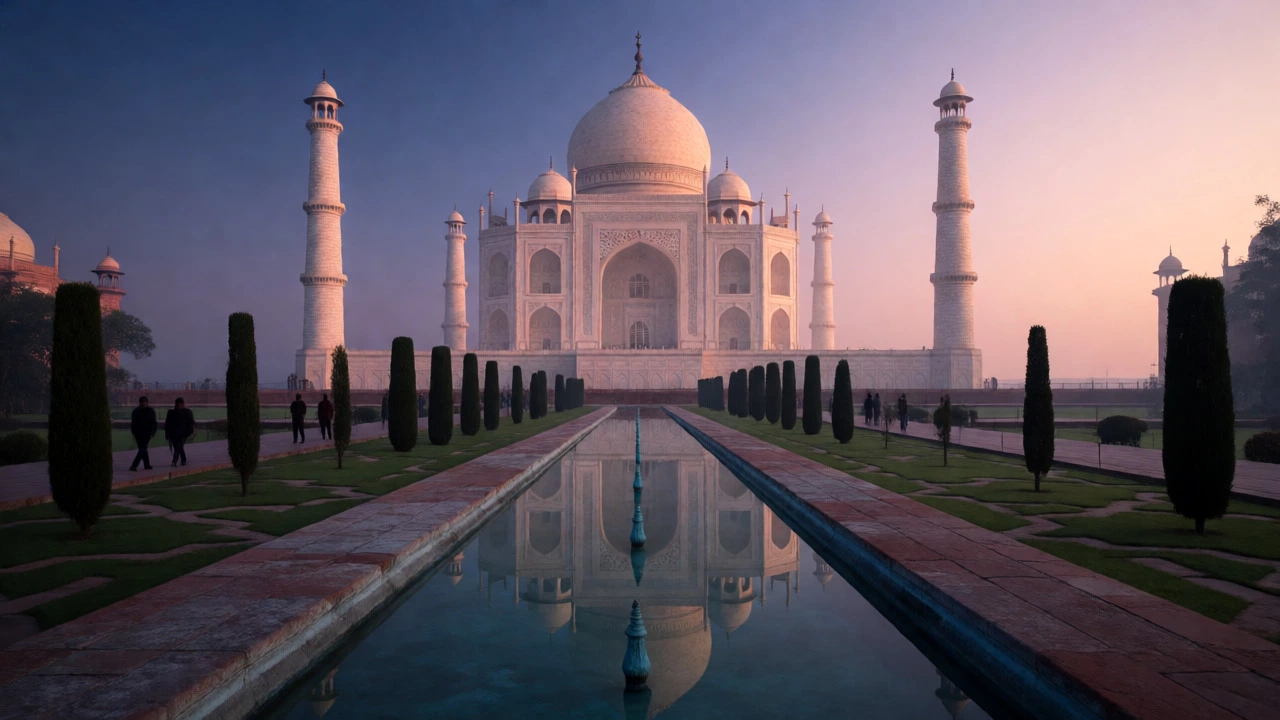
The Most Famous Heritage Place in India: Why the Taj Mahal Still Wins
Discover why the Taj Mahal remains India's most famous heritage site. Learn practical visiting tips, compare it with rivals like Hampi and Jaipur, and get answers to common FAQs.
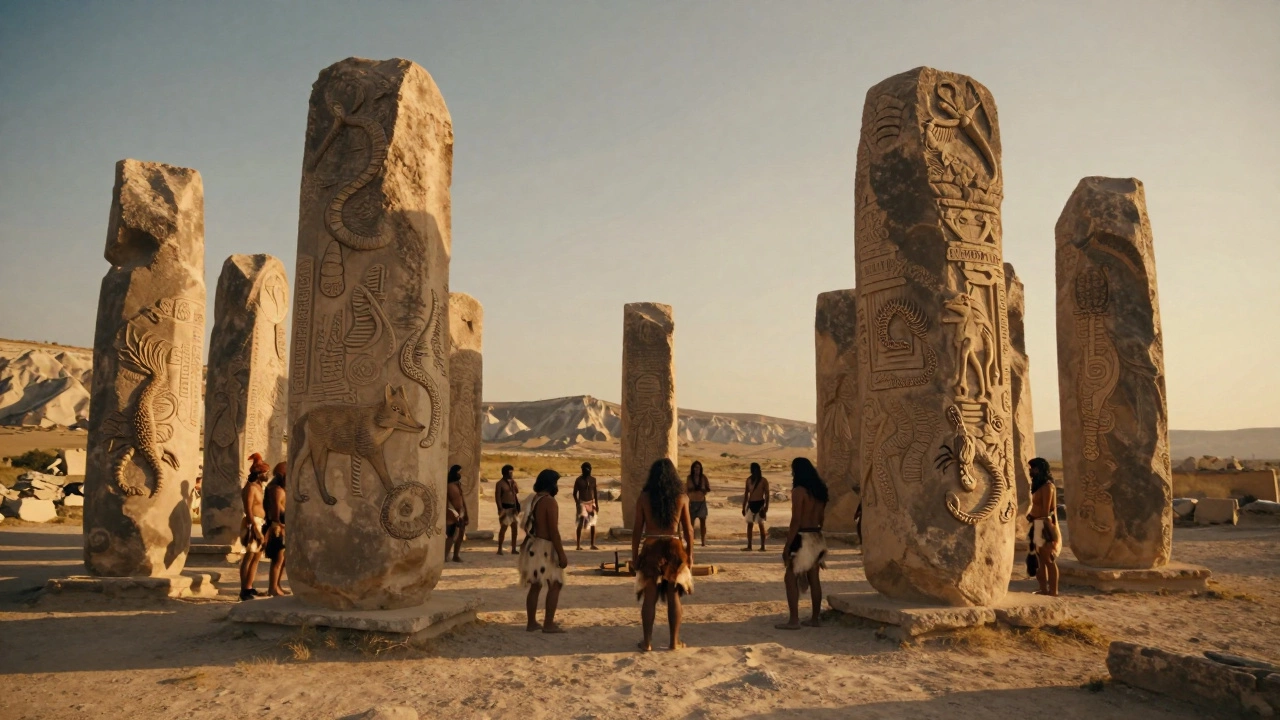
What Is the Oldest Temple in the World? A Guide to Ancient Sanctuaries
Discover the oldest temple in the world, from Göbekli Tepe to ancient Indian sanctuaries. Explore how these sites redefine history and plan your visit.
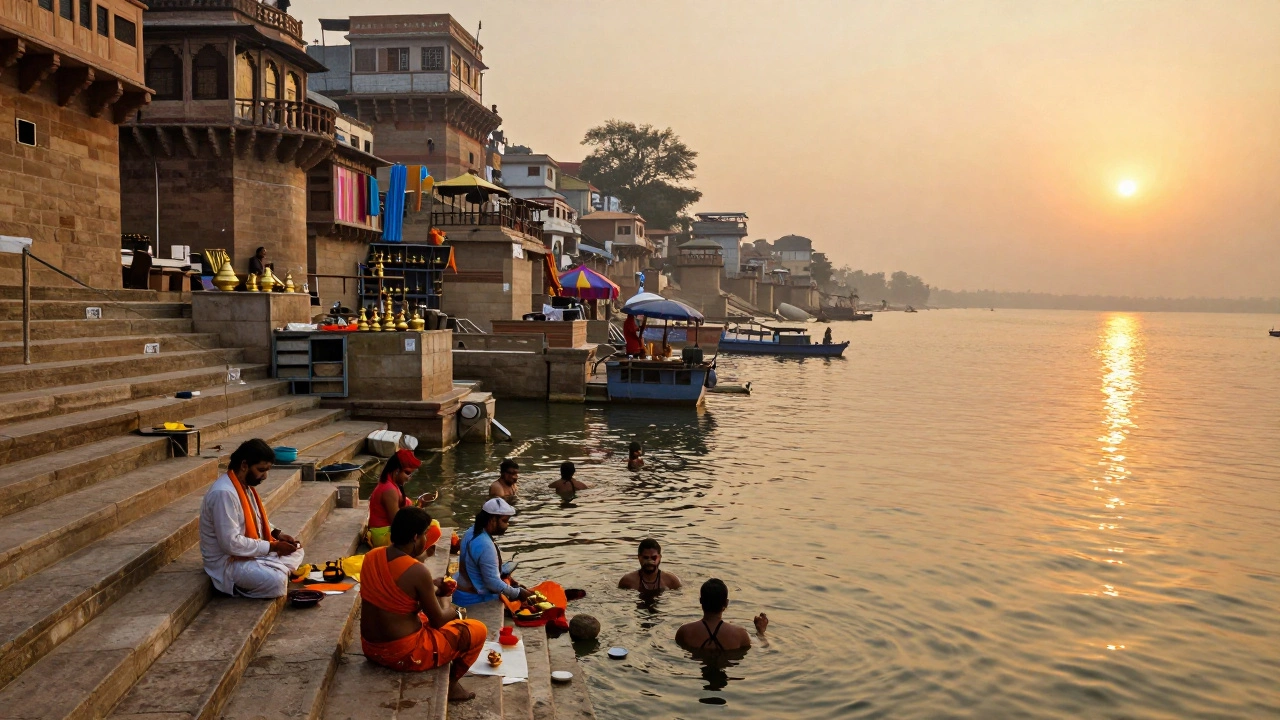
Which City in India Is a UNESCO World Heritage Site? The Complete List
Discover which Indian cities are UNESCO World Heritage Sites. Explore Varanasi, Kolkata, and others, learning why they matter and how to visit them responsibly.
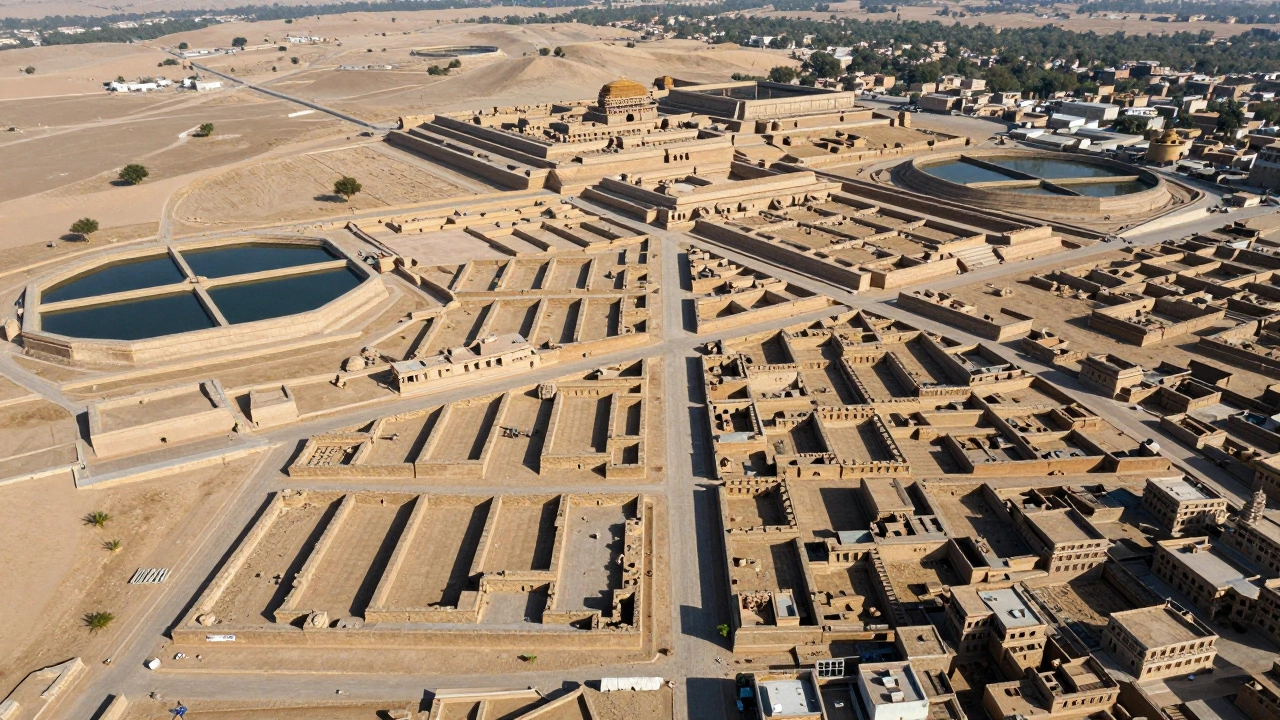
The Oldest World Heritage Site in India: A Guide to India's Ancient Wonders
Discover the oldest world heritage sites in India, from the ancient urban ruins of Dholavira to the first UNESCO-recognized monuments like Ajanta and Ellora.

Which World Heritage Site in India Is in Danger?
India is home to some of the world’s most iconic heritage sites, but pollution, overcrowding, and neglect are putting them at risk. Learn which sites are in danger and what’s being done-or not done-to save them.
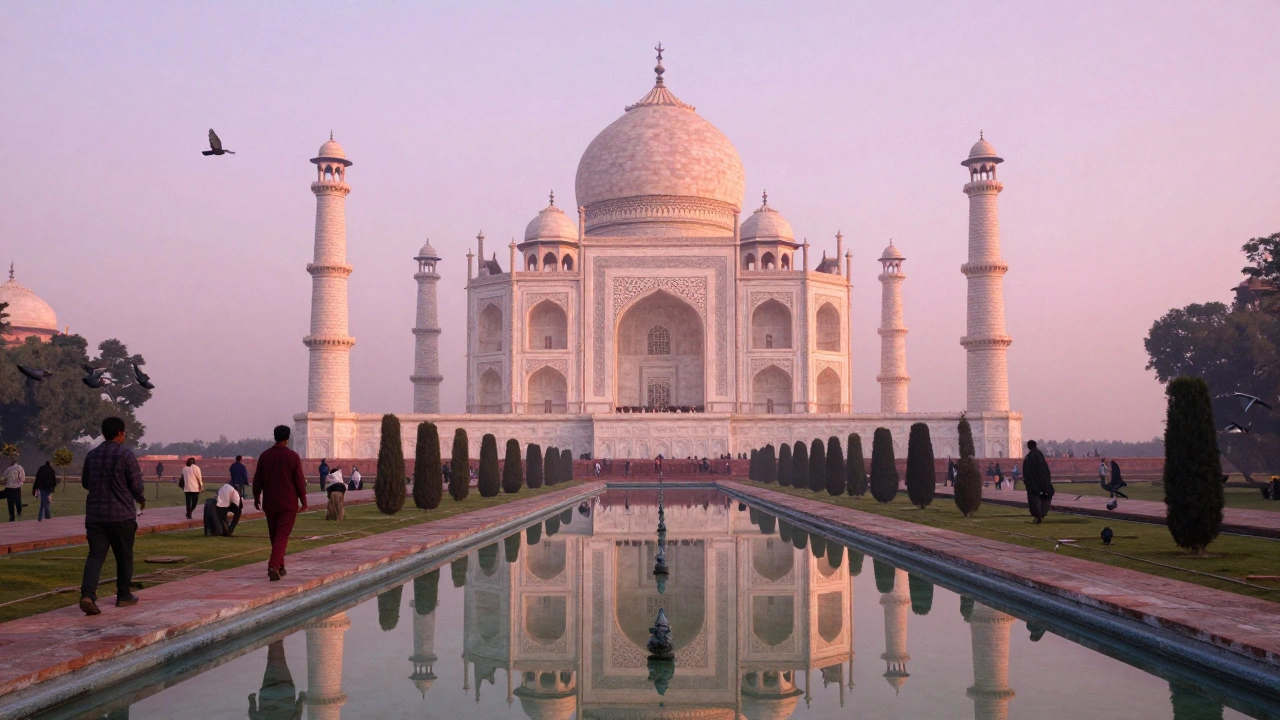
What Is the Most Visited Tourist Location in India?
The Taj Mahal in Agra is India's most visited tourist site, drawing over 7 million visitors yearly. Learn why this iconic monument stands above all others in beauty, history, and emotional impact.

Which Indian State Has the Most UNESCO World Heritage Sites? | Top Heritage Spots in India
Discover which Indian state boasts the highest number of UNESCO World Heritage Sites. Learn about Maharashtra’s cultural treasures, practical tips, and fascinating facts for heritage explorers.
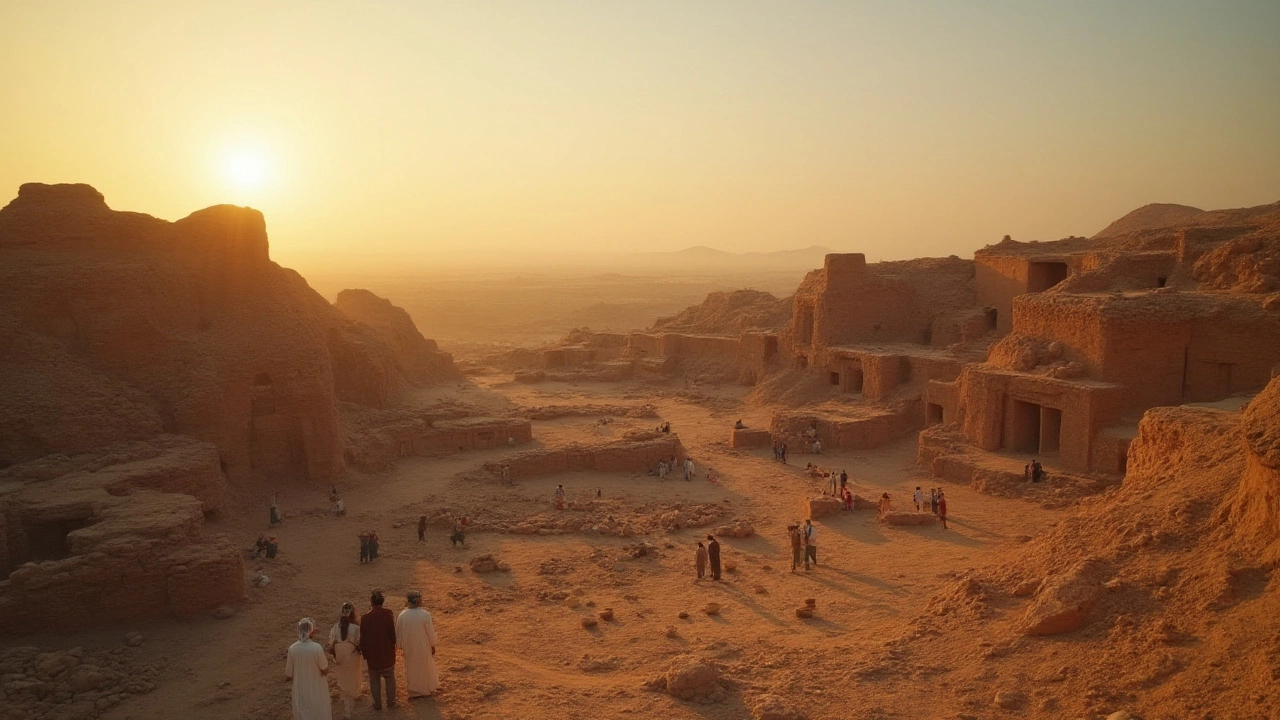
Unearthing the Most Ancient Place in India: A Journey Through Time
Explore the most ancient place in India—Mehrgarh and the Indus Valley, where civilization began. Uncover fascinating facts, stories, and tips for curious travelers.
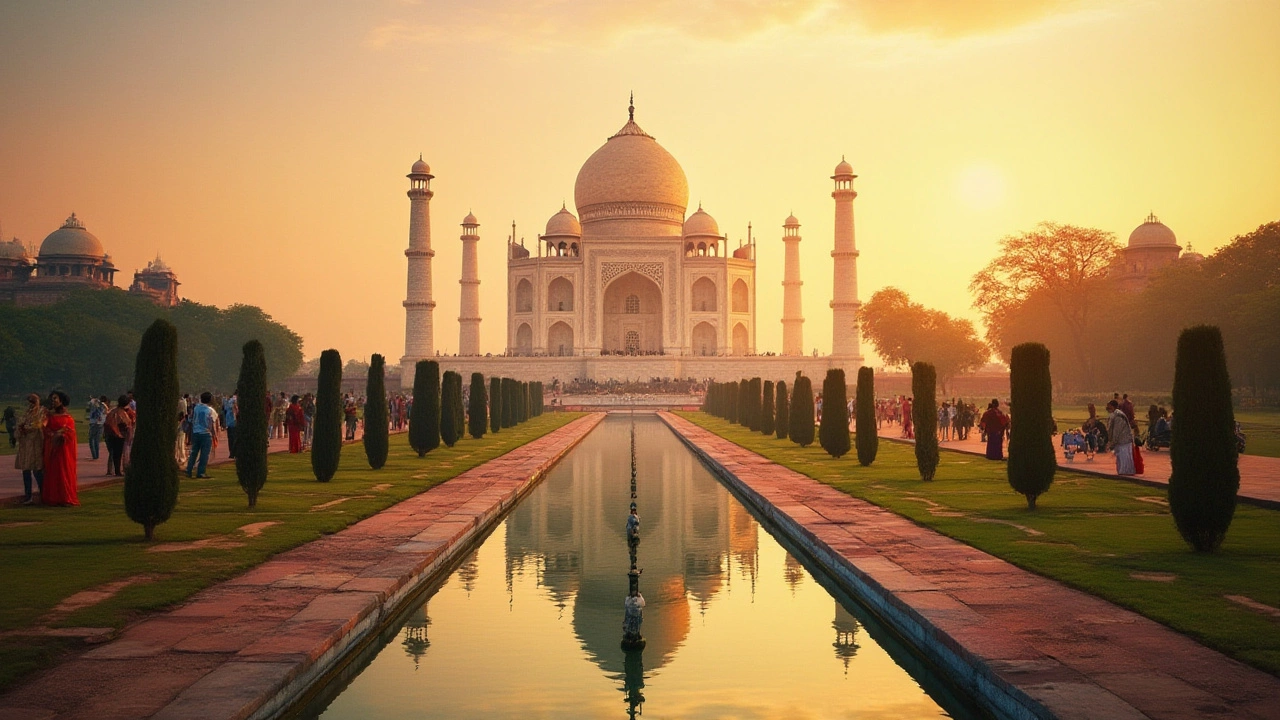
Most Visited Tourist Destination in India: Facts, Tips, and Travel Insights
Discover why the Taj Mahal in Agra draws more visitors than anywhere else in India. Packed with useful facts, insider tips, and travel inspiration.
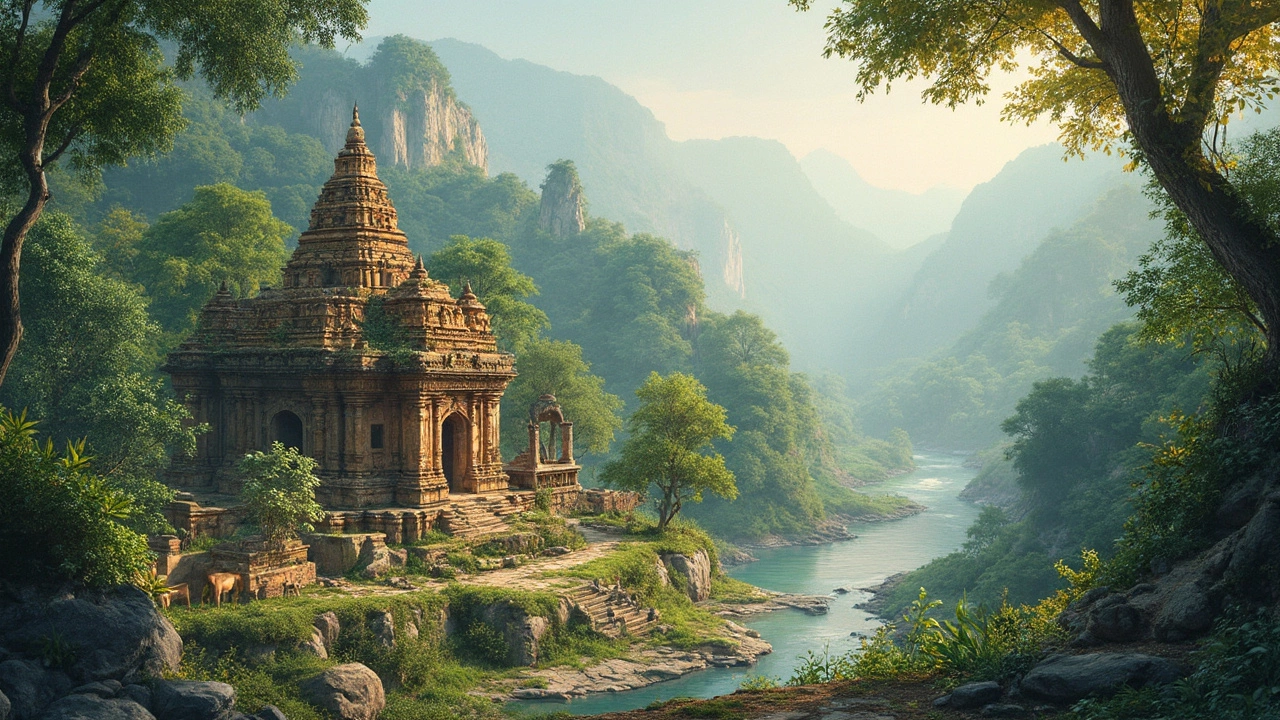
Top Mixed World Heritage Sites in India: Nature and Culture Together
Discover India's rare mixed World Heritage sites, where ancient culture and stunning nature meet. Find insights, tips, and fascinating facts about these UNESCO treasures.