India's UNESCO Heritage Quiz
Think you know which site was the 'first' in terms of age versus recognition? Test your knowledge with this interactive quiz based on the article.
1. Which three sites were inscribed as India's first UNESCO World Heritage Sites in 1983?
2. Among the first three sites, which one is physically the oldest?
3. What is a primary reason Ajanta Caves are considered a masterpiece of human creative genius?
4. Why does Ellora Caves hold unique significance among heritage sites?
5. True or False: The Indus Valley Civilization sites like Harappa are located in India and were part of the first UNESCO list.
Quiz Results
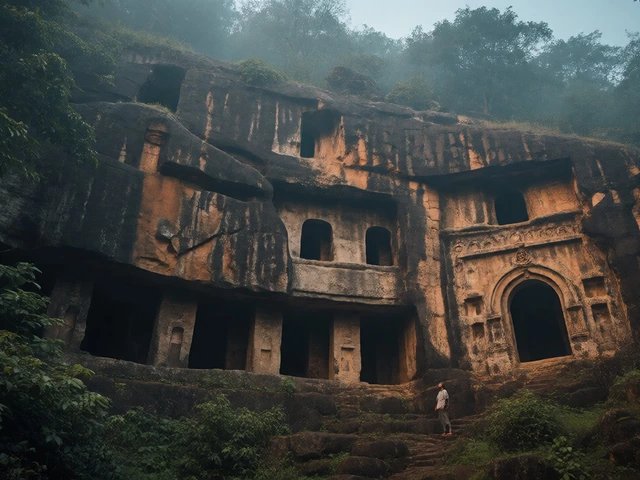
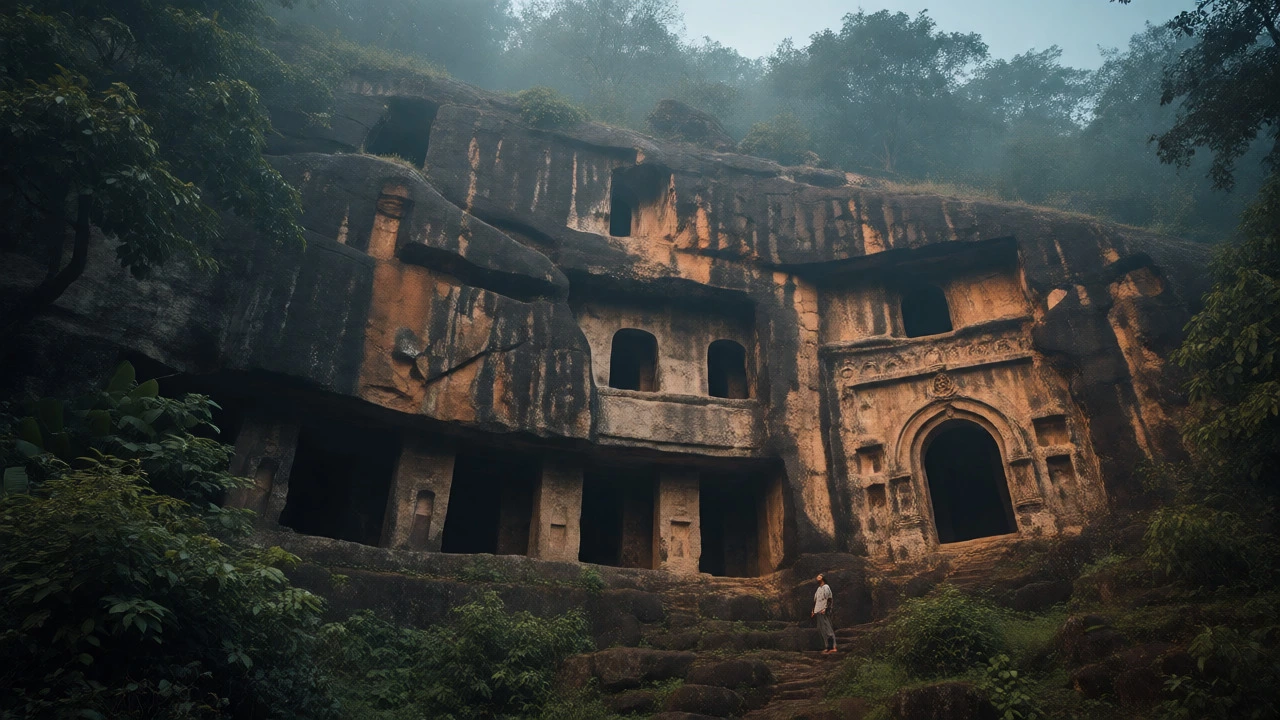
You’re standing at the entrance of a complex carved into basalt rock. The air is cool, smelling faintly of damp earth and ancient stone. You look up at the facade of Ajanta Caves and realize you are looking at history that predates many modern nations. But here is the question that trips up most travelers: which is the first heritage place in India?
The answer isn’t just about age. It’s about recognition. While India has monuments dating back thousands of years, the title of "first" goes to the site that received international validation first. In 1983, when UNESCO began recognizing global treasures, three Indian sites made the initial list. Among them, the Ajanta Caves, along with the Ellora Caves and the Taj Mahal, were inscribed simultaneously. However, if we talk about the oldest physical structure among those recognized early on, the Ajanta Caves win hands down, with origins tracing back to the 2nd century BCE.
| Site Name | Type | Construction Era | Primary Significance |
|---|---|---|---|
| Ajanta Caves | Cultural | 2nd Century BCE - 650 CE | Buddhist rock-cut architecture and paintings |
| Ellora Caves | Cultural | 600 CE - 1000 CE | Religious harmony (Buddhist, Hindu, Jain) |
| Taj Mahal | Cultural | 1632 - 1653 CE | Mughal mausoleum and architectural masterpiece |
Why Ajanta Takes the Crown for Antiquity
It’s easy to assume the Taj Mahal is the "first" because it’s the most famous. But fame doesn’t equal historical precedence. The Ajanta Caves are a series of approximately 30 rock-cut Buddhist cave monuments located in the Aurangabad district of Maharashtra. These caves were built in two distinct phases. The first phase dates back to the Satavahana dynasty, around the 2nd century BCE. That makes them over 2,200 years old. By comparison, the Taj Mahal was built in the 17th century-less than 400 years ago.
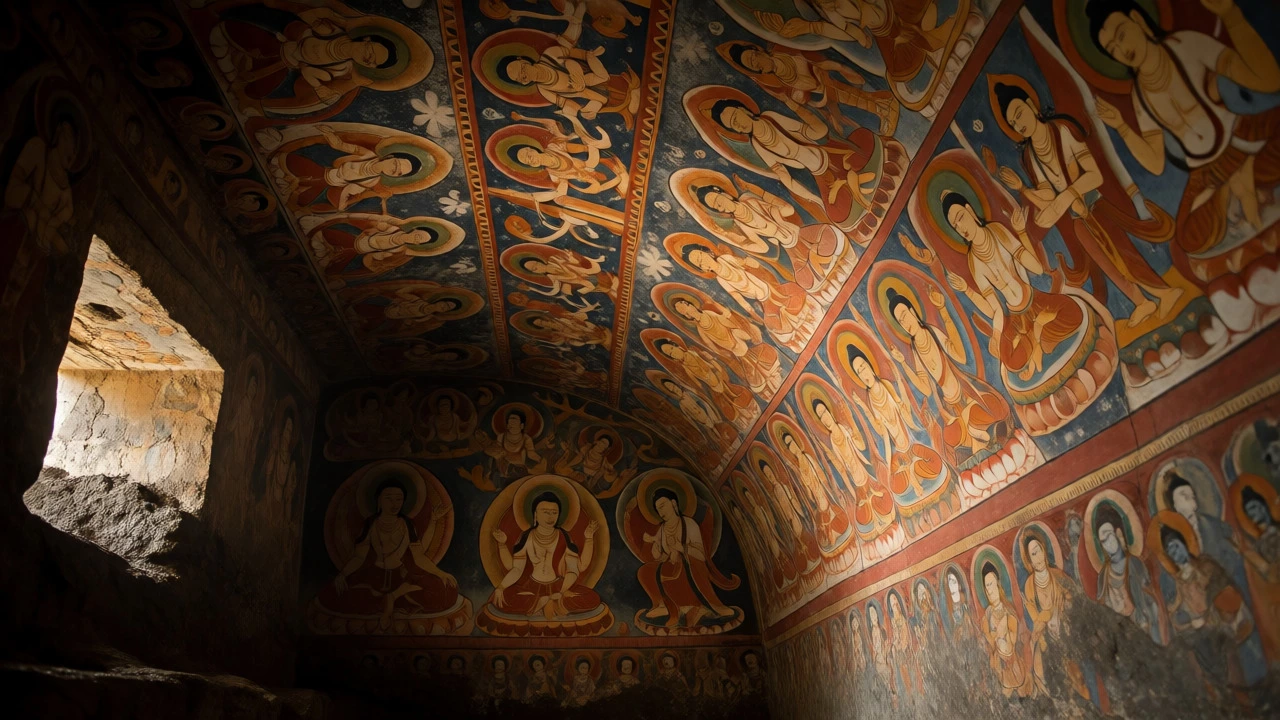
When UNESCO created its list in 1983, they looked for outstanding universal value. Ajanta qualified because it represents a unique artistic achievement. The paintings inside these caves are not just decorations; they are narrative masterpieces. They depict the Jataka tales, stories about the previous births of the Buddha. If you visit today, you’ll see pigments that have survived centuries without synthetic preservation. This durability and artistic complexity are why Ajanta holds the distinction of being the oldest major heritage site among India’s initial UNESCO entries.
The 1983 Inscription: A Triple Threat
India didn’t just get one site recognized in its debut year. It got three. This was a massive moment for Indian tourism and cultural preservation. The other two sites, Ellora Caves and the Taj Mahal, share the spotlight but offer completely different experiences.
Ellora, located just 30 kilometers from Ajanta, is younger. Built between the 6th and 10th centuries CE, it showcases a rare coexistence of Buddhism, Hinduism, and Jainism. You can walk past a Buddhist monastery and immediately enter a Hindu temple dedicated to Shiva. This religious tolerance is what earned it UNESCO status. Yet, chronologically, it comes after Ajanta.
Then there’s the Taj Mahal in Agra. It’s the postcard image of India. Built by Emperor Shah Jahan as a mausoleum for his wife Mumtaz Mahal, it represents the peak of Mughal architecture. While it is arguably the most visited heritage site in India, it is the youngest of this inaugural trio. So, if your definition of "first" relies on which monument stood tall before the others existed, Ajanta is the clear winner.
What Makes a Place a "World Heritage Site"?
Not every old building gets this label. To understand why Ajanta, Ellora, and the Taj made the cut, you need to know what UNESCO looks for. They don’t just check for age. They assess "Outstanding Universal Value." This means the site must meet at least one of ten criteria set by the World Heritage Committee.
- Masterpiece of Human Creative Genius: Ajanta’s paintings are cited as a supreme example of classical Indian art.
- Influence on Values and Architecture: The style influenced art across Asia, particularly in Sri Lanka and Southeast Asia.
- Unique Testimony to Cultural Tradition: Ellora shows how three religions coexisted peacefully during the medieval period.
- Architectural Ensemble: The Taj Mahal is considered the finest example of Mughal architecture, blending Persian, Islamic, and Indian styles.
These criteria ensure that the "first" sites aren’t just old rocks. They are active chapters in human history. When you visit Ajanta, you aren’t just seeing caves; you’re witnessing the spread of Buddhism through visual storytelling.
Planning Your Visit to the Oldest Heritage Site
If you want to see the "first" heritage place in India, you need to plan carefully. Ajanta is remote. It’s not right next to a metro station like the Taj Mahal. Here’s how to tackle it without wasting time.
- Base Yourself in Aurangabad: Most visitors stay in Chhatrapati Sambhajinagar (formerly Aurangabad). It’s the nearest city with good hotels and transport links.
- Hire a Guide: Don’t skip this. The paintings are intricate. Without a guide who understands Buddhist iconography, you’ll miss the narrative flow. Look for guides certified by the Ministry of Tourism.
- Go Early: The light inside the caves is poor, and crowds block the view. Arrive at opening time (usually 9 AM) to catch the morning light filtering through the entrances.
- No Flash Photography: This is critical. Light damages the pigments. Use a high-ISO setting on your camera or just enjoy the visual memory.
- Combine with Ellora: Since they are close, do both in two days. Day 1: Ajanta. Day 2: Ellora. This gives you the full picture of India’s early heritage landscape.
Beyond the Big Three: Other Early Entries
While Ajanta, Ellora, and the Taj were the first three, India’s heritage list grew rapidly. In the same decade, sites like the Khajuraho Group of Monuments (1986) and the Konark Sun Temple (1984) joined the club. Each adds a layer to the story.
For instance, the Khajuraho temples are famous for their erotic sculptures, but they also represent the Chandela dynasty’s devotion to Shaivism and Vaishnavism. The Konark Sun Temple in Odisha is an engineering marvel, designed as a giant chariot for the Sun God Surya. These sites, while later than Ajanta, are essential for understanding the breadth of India’s cultural output.
If you’re a history buff, consider expanding your itinerary beyond the "first" site. The Hampi ruins in Karnataka, added in 1986, offer a glimpse into the Vijayanagara Empire. It’s a vast open-air museum that contrasts sharply with the enclosed caves of Ajanta.
Common Misconceptions About India’s Heritage
Travelers often confuse "oldest civilization" with "first UNESCO site." The Indus Valley Civilization is older than Ajanta, but its major sites like Harappa and Mohenjo-Daro are now in Pakistan. Within India, sites like the Bhimbetka rock shelters (recognized in 2003) contain evidence of prehistoric life dating back 100,000 years. However, because they were inscribed much later, they aren’t the "first" in terms of UNESCO recognition.
Another myth is that all heritage sites are well-preserved. The reality is mixed. While the Taj Mahal undergoes constant cleaning to remove yellowing caused by pollution, Ajanta struggles with humidity control. Climate change poses a real threat to these open-air and cave structures. Supporting responsible tourism helps fund the conservation efforts needed to keep these sites accessible for future generations.
Frequently Asked Questions
Is the Taj Mahal the first heritage site in India?
No. While the Taj Mahal was inscribed in 1983 alongside Ajanta and Ellora, it was built in the 17th century. The Ajanta Caves date back to the 2nd century BCE, making them significantly older in construction.
How many UNESCO World Heritage Sites does India have?
As of 2024, India has 43 UNESCO World Heritage Sites. This includes cultural, natural, and mixed sites, placing India among the top countries globally for heritage recognition.
Can I visit Ajanta and Ellora in one day?
Technically yes, but it’s rushed. Both sites require several hours each to appreciate properly. A two-day trip based out of Aurangabad is recommended to avoid fatigue and allow for proper exploration.
Why are the Ajanta Caves famous?
They are renowned for their ancient paintings and sculptures depicting the lives of Buddha and the Bodhisattvas. These artworks are considered masterpieces of Buddhist religious art and have influenced art forms across Asia.
Are there entry fees for these heritage sites?
Yes, there are separate entry tickets for domestic and foreign tourists. Foreign nationals pay a higher fee, which contributes to the maintenance and conservation of the sites. Check the Archaeological Survey of India website for current pricing.
So, next time someone asks you about India’s first heritage place, you can correct the record. It’s not just about the white marble domes of Agra. It’s about the dark, quiet caves of Maharashtra where monks once meditated under the flicker of oil lamps, painting stories that would last millennia. That’s the true beginning of India’s recognized heritage journey.