India Trek Finder
Not sure where to start? Answer these three questions to find your perfect trail.
You’ve got your boots laced up and a vague itch to walk somewhere that doesn’t smell like city exhaust. But when you type "where can I trek in India" into a search bar, you’re hit with a wall of noise. Do you go to the snow-capped peaks of Ladakh or the misty tea gardens of Darjeeling? The truth is, India isn’t just one destination; it’s three distinct trekking worlds packed into one country. Choosing the wrong one based on a pretty Instagram photo can mean the difference between an unforgettable adventure and a miserable week of altitude sickness or leeches.
As someone who has spent years analyzing travel logistics from Brisbane to the Himalayas, I can tell you that the best trek depends entirely on what you want to feel at the end of the day. Do you want silence so profound it rings in your ears? Or do you want the vibrant chaos of local villages serving hot chai after a steep climb? This guide cuts through the fluff. We aren’t listing every hill station in the country. Instead, we’re mapping out the specific regions where trekking places india offers genuine experiences, categorized by terrain, difficulty, and season, so you can pick the trail that actually fits your life right now.
The High Altitude Challenge: The Himalayas
If you are looking for drama, the Indian Himalayas deliver it in spades. This region spans from Kashmir in the west to Arunachal Pradesh in the east. It is not for the faint-hearted, but the payoff is unmatched. The air here is thin, the sun is harsh, and the landscapes look like they belong on another planet.
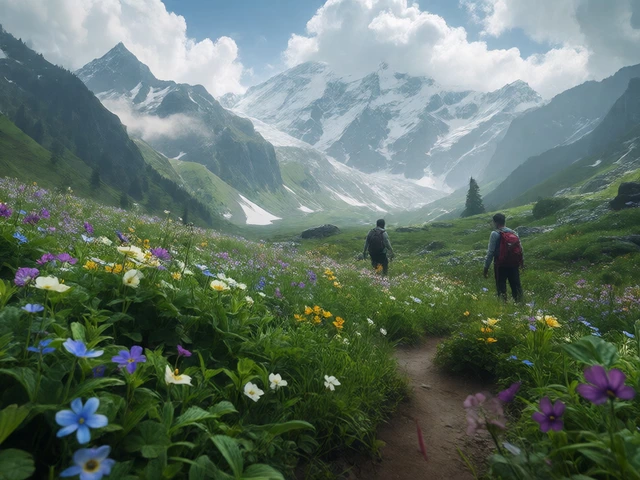
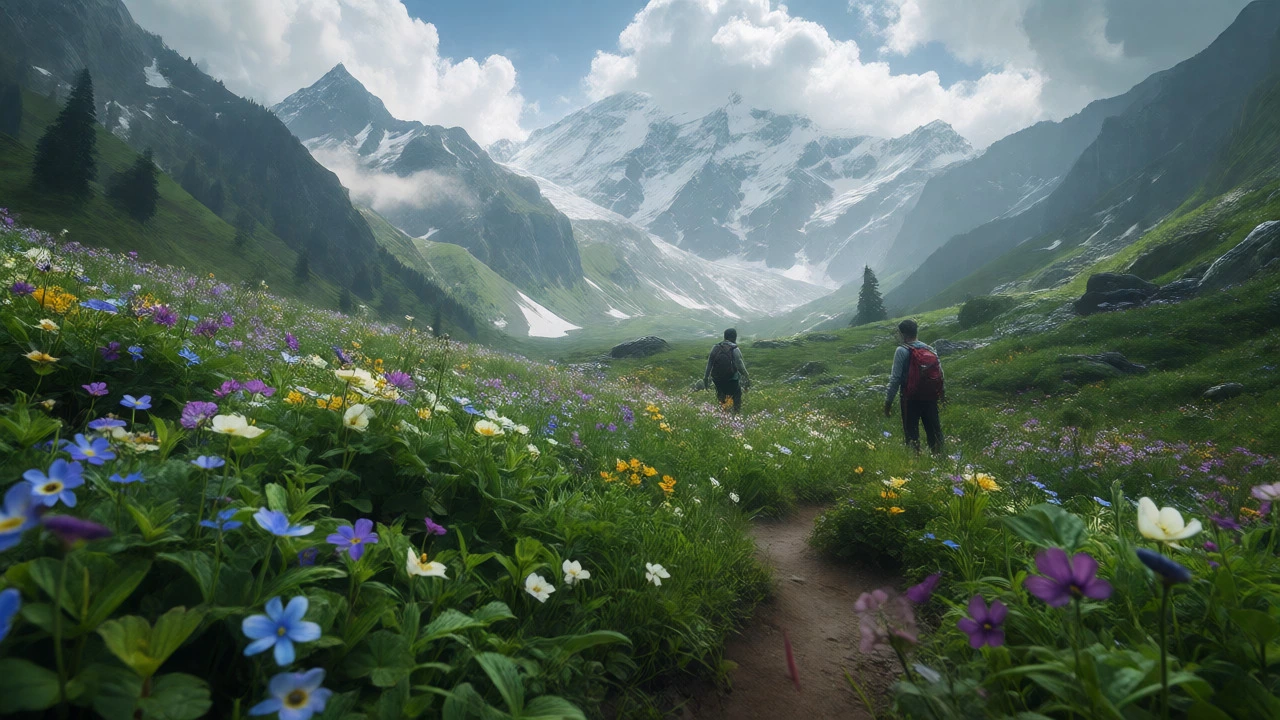
For beginners wanting a taste of high-altitude trekking without needing technical climbing skills, Valley of Flowers in Uttarakhand is the gold standard. Located within the Nanda Devi National Park, this UNESCO World Heritage Site blooms with rare alpine flowers during monsoon months. The trek starts from Govindghat, a small town accessible by road, and climbs gently to Ghangaria before dipping into the valley itself. You don’t need crampons or ice axes here, just good stamina and respect for the weather. The trail is well-marked, and teahouses provide basic lodging, making it a safe entry point into high-altitude hiking.
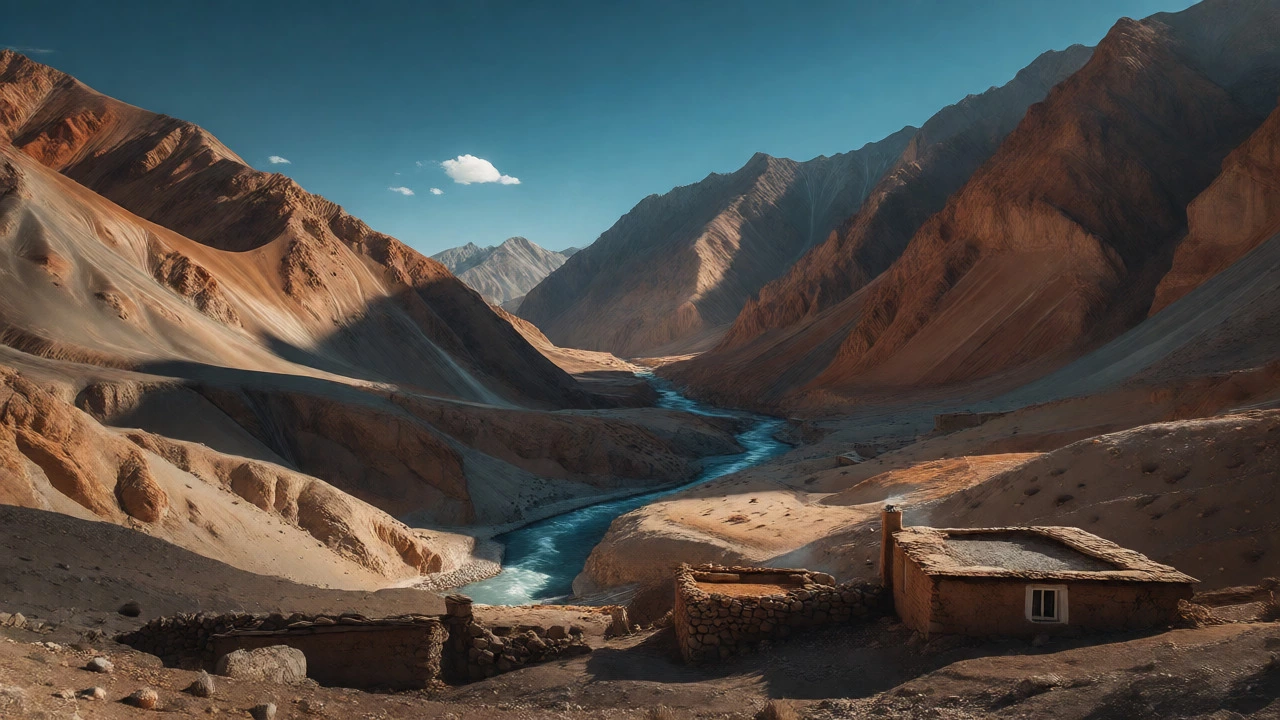
On the other end of the spectrum lies Ladakh. Think Mars-like barren mountains, blue rivers, and temperatures that drop below freezing even in summer. The Markha Valley Trek is a favorite among international tourists because it combines remote villages with stunning views of Kang Yatse II. Unlike the lush greenery of Uttarakhand, Ladakh requires careful acclimatization. Most travelers fly into Leh (3,500 meters) and spend two days doing nothing but resting before starting any physical activity. Skipping this step is the number one reason people fail their treks here. Headaches, nausea, and dizziness are signs your body isn’t ready. Listen to them.
| Trek Name | Region | Best Season | Difficulty | Key Feature |
|---|---|---|---|---|
| Valley of Flowers | Uttarakhand | July - September | Moderate | Alpine flora bloom |
| Markha Valley | Ladakh | June - September | Challenging | Remote Buddhist villages |
| Kedarkantha | Uttarakhand | December - April | Easy-Moderate | Snow camping experience |
The Monsoon Magic: Western Ghats
While the north freezes or melts, the south gets soaked. The Western Ghats, a mountain range running parallel to India’s western coast, transforms into a emerald paradise during the monsoon season (June to September). If you hate dust and prefer mud, waterfalls, and clouds you can touch, this is your zone.
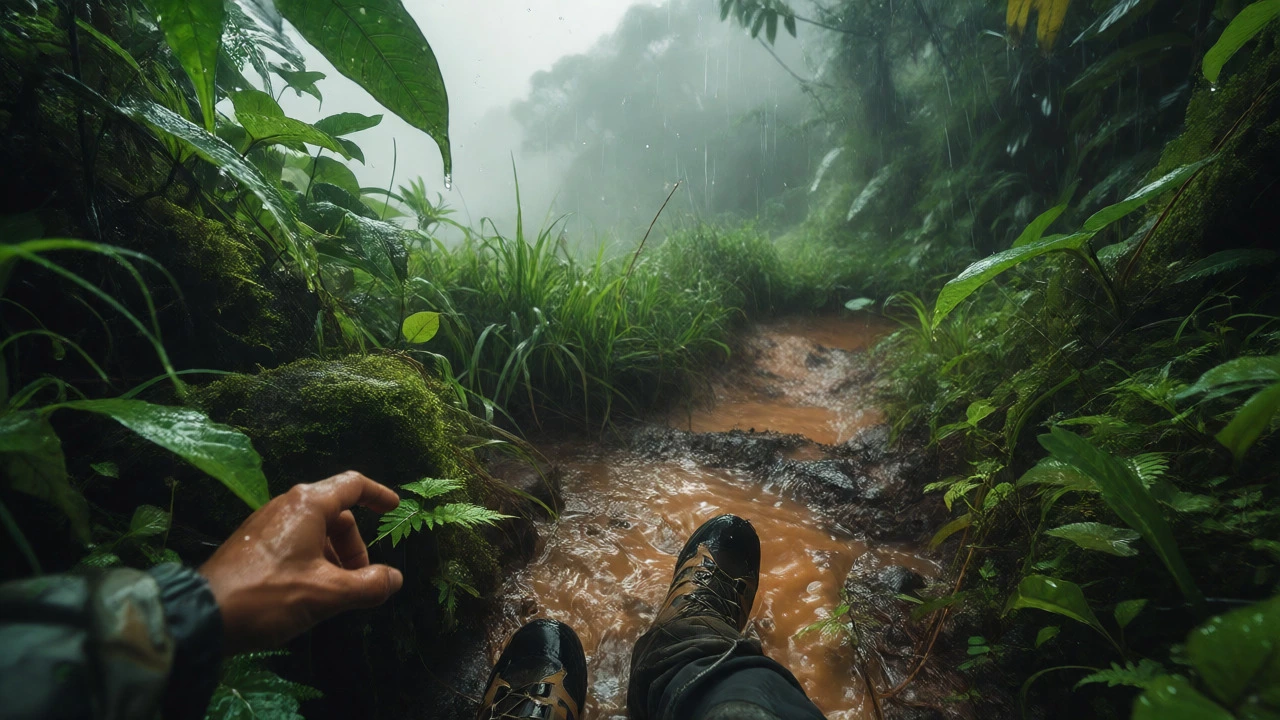
Karnataka and Kerala host some of the most accessible yet rewarding trails here. Take Kudremukh in Karnataka, often called the "Horse Face" due to its shape. It’s a rolling grassland trek that feels endless and open. You walk through shola forests-unique patches of tropical evergreen trees surrounded by grasslands-which are home to endangered Lion-tailed Macaques. The trail is muddy, slippery, and beautiful. You will likely get rained on every single day, which is exactly why locals love it. Pack quick-dry clothes and waterproof shoes. Cotton t-shirts become heavy sponges here, so synthetic materials are your friend.
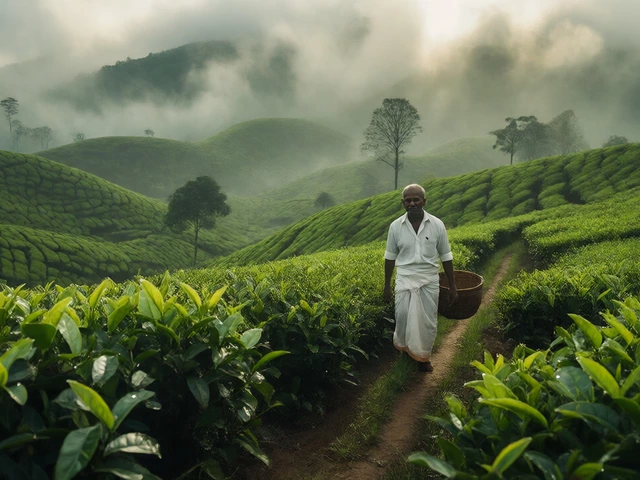
Further south, near Munnar in Kerala, the Eravikulam National Park offers shorter, family-friendly walks amidst tea plantations. While not a multi-day expedition, these trails offer immediate immersion into the landscape. The air smells of wet earth and brewing tea. For those seeking solitude, the Agasthyamalai Biosphere Reserve in Tamil Nadu/Kerala border offers dense forest trails where you might spot Nilgiri Tahr, a mountain goat endemic to this region. Note that permits for Agasthyamalai are strictly regulated and must be booked weeks in advance through the state forest department.
The Untamed East: Northeast India
Most first-time visitors overlook the Northeast, and that’s their loss. This region shares borders with Nepal, Bhutan, Bangladesh, and Myanmar, creating a cultural and geographical mosaic unlike anywhere else in India. The terrain here is rugged, the communities are tight-knit, and the tourism infrastructure is still developing, which means fewer crowds and more authentic interactions.
Meghalaya is famous for having the wettest place on Earth in Mawsynram and Cherrapunji. But beyond the rain, it boasts living root bridges, natural structures grown over decades by the Khasi people. The Double Decker Living Root Bridge trek in Nongriat village is a moderate hike involving a steep descent of 3,000 steps down to the bridge and back up again. It’s brutal on the knees but iconic. The cleanest river in Asia, the Umngot River, flows nearby, offering crystal-clear waters where boats appear to float on air.
For serious hikers, Sikkim offers proximity to Kanchenjunga, the world’s third-highest peak. The Goecha La Trek takes you through rhododendron forests and past glacial lakes to a viewpoint directly facing the mountain. Permits are required for foreigners to enter certain parts of Sikkim, usually arranged by local guides. This adds a layer of bureaucracy but also ensures controlled tourism, preserving the fragile ecosystem. The vibe in Gangtok, the capital, is relaxed compared to the chaotic plains of mainland India, with Tibetan influence visible in the architecture and food.
Practicalities: Gear, Permits, and Guides
Knowing where to go is half the battle; knowing how to survive there is the other half. Indian trekking conditions vary wildly. In the Himalayas, you need layers. Temperatures can swing from 15°C during the day to -5°C at night. In the Western Ghats, humidity is your enemy. Your gear needs to breathe. In the Northeast, insects are abundant. Repellent is non-negotiable.
Should you hire a guide? For solo trekkers unfamiliar with the region, yes. Local guides know the shortcuts, the safe water sources, and the social norms. In Ladakh, a guide helps manage altitude sickness risks. In the Northeast, they facilitate communication with tribal communities who may speak limited English. However, for well-marked trails like Valley of Flowers or Kudremukh, experienced hikers can navigate independently using GPS apps like AllTrails or MapMyHike, though downloading offline maps is crucial as signal drops frequently in valleys.
Permit requirements differ by state. Uttarakhand generally requires registration with the Forest Department for major parks. Himachal Pradesh has similar rules for protected areas. In Ladakh, Inner Line Permits are needed for areas like Nubra Valley and Pangong Lake if you are traveling from Manali side, though flying into Leh simplifies this. Always check current regulations before booking flights, as rules change based on environmental concerns and security situations.
When to Go: Seasonality Matters
Picking the wrong month can ruin a trek. Here is a quick breakdown:
- Himalayas (North): Best from May to June and September to October. July and August bring heavy snowfall and landslides, blocking passes. Winter treks like Kedarkantha are popular for snow lovers but require cold-weather gear.
- Western Ghats (South/West): Peak beauty is June to September during monsoons. Post-monsoon (October-November) is clearer but less dramatic. Avoid April-May; it’s too hot and dry.
- Northeast: October to March is ideal. Summers are extremely wet and humid, making trails slippery and prone to leech infestations. Winters are cool and crisp, perfect for clear views.
Budget vs. Luxury: What Does It Cost?
Trekking in India is relatively affordable compared to Europe or North America. A basic group trek in Uttarakhand might cost $30-$50 per day, including meals, accommodation in tents or homestays, and a guide. Independent travel costs less but requires logistical planning. Ladakh is pricier due to transport costs; expect $60-$80 per day for guided tours. The Northeast can be cheaper locally but expensive to reach via flight. Budget airlines like IndiGo and SpiceJet often have sales, so book flights early.
Don’t forget hidden costs. Porter tips, emergency evacuation insurance, and extra oxygen cylinders in Ladakh add up. Also, cash is king in remote areas. ATMs are scarce in villages like Ghangaria or Nongriat. Carry enough small denomination notes to pay for chai, snacks, and local transport.
Frequently Asked Questions
Is trekking in India safe for solo female travelers?
Yes, generally speaking. Regions like Uttarakhand, Himachal Pradesh, and Kerala have robust tourist infrastructures and are considered safe. However, always inform someone of your itinerary. In remote areas like Ladakh or the Northeast, hiring a reputable guide or joining a group is highly recommended for safety and ease of navigation. Cultural sensitivity regarding dress codes in rural villages helps avoid unwanted attention.
Do I need special training for high-altitude treks?
Technical mountaineering skills are rarely needed for popular commercial treks like Markha Valley or Hampta Pass. However, cardiovascular fitness is essential. You should be able to hike 5-6 hours with a backpack comfortably. Acclimatization is the real challenge. Spend time at intermediate altitudes before attempting higher passes to prevent Acute Mountain Sickness (AMS).
What is the best time for trekking in the Western Ghats?
The monsoon season, from June to September, is widely considered the best time despite the rain. The waterfalls are full, the vegetation is vividly green, and the temperatures are cooler than the scorching pre-monsoon heat. Just ensure you have proper rain gear and waterproof footwear.
Are permits required for all treks in India?
Not all, but many national parks and protected zones require entry fees or permits. For example, Valley of Flowers requires a ticket from the Forest Department. Restricted Area Permits (RAP) are mandatory for parts of Sikkim and Himachal Pradesh for foreign nationals. Check specific requirements for your chosen trail at least a month in advance.
Can I drink tap water while trekking?
It is safer to drink bottled water or treated water. In remote areas, buy sealed bottles or use purification tablets/filters. Stream water looks clean but may contain parasites. Boiling water at base camps is common, but carrying a lightweight filter bottle saves money and plastic waste.