Jyotirlinga Explorer & Myth Buster
Select a Temple to Explore
Click on any temple below to see its location, status, and why it is (or isn't) considered a Jyotirlinga.
Somnath
Gujarat
Mallikarjuna
Andhra Pradesh
Mahakaleshwar
Madhya Pradesh
Omkareshwar
Madhya Pradesh
Kedarnath
Uttarakhand
Baidyanath
Jharkhand
Vishwanath (Kashi)
Uttar Pradesh
Trimbakeshwar
Maharashtra
Nageshwar
Gujarat
Ramanathaswamy
Tamil Nadu
Grishneshwar
Maharashtra
Vaidyanath
Jharkhand
Amarnath Cave
Jammu & Kashmir
Meenakshi Amman
Madurai, Tamil Nadu
Mount Kailash
Tibet/China Border
Temple Name
Description goes here.
Why the confusion?
Reason goes here.
Insight goes here.
You’ve likely heard the number twelve associated with Lord Shiva’s most sacred abodes. But if you’ve been following temple tours in India or reading spiritual forums, you might have stumbled upon a curious question: is there a 13th Jyotirlinga? It’s a topic that sparks heated debates among devotees, historians, and travelers alike. Some swear by it, citing ancient texts and local legends. Others stick to the canonical twelve listed in the Shiva Purana.
The short answer is no-there are officially only twelve Jyotirlingas. However, the reason why people ask about a thirteenth one is fascinating. It involves geography, mythology, and a few temples that hold such immense power they almost feel like they should be on the list. Let’s unpack the myth, look at the contenders for this "missing" spot, and understand why these places matter just as much as the original twelve.
The Official Twelve: What Are Jyotirlingas?
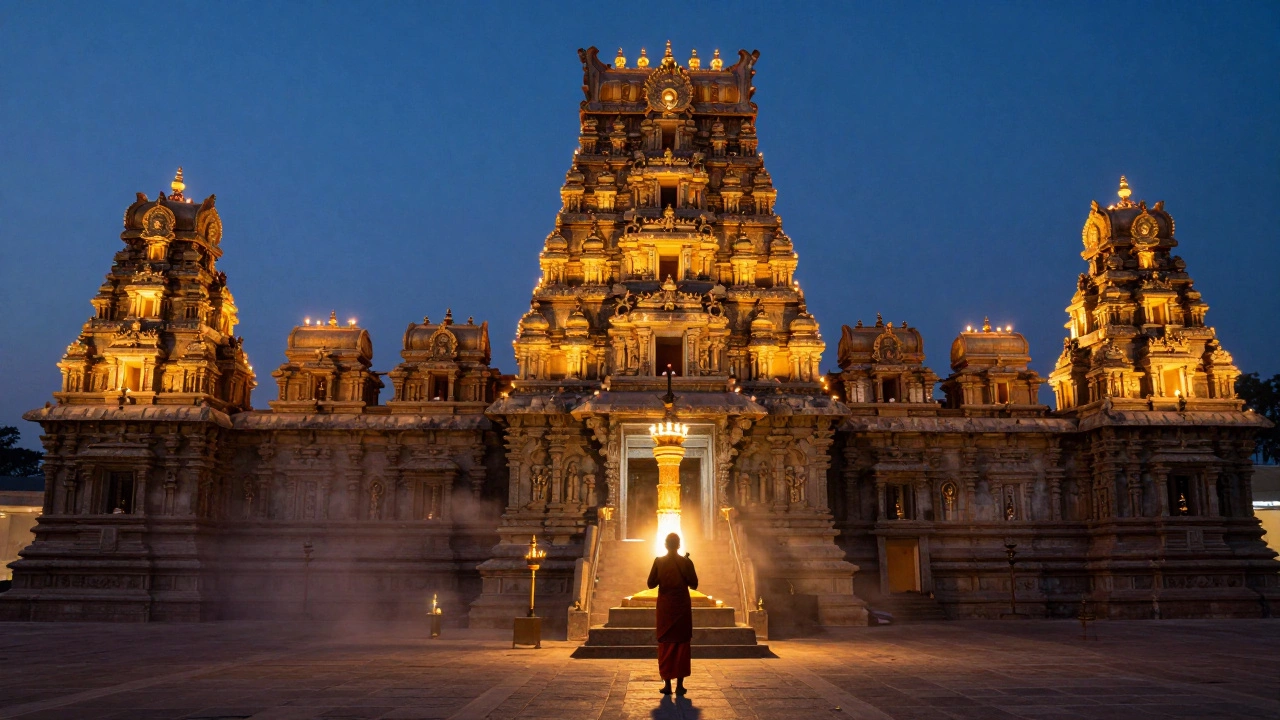
To understand the debate, we first need to ground ourselves in what a Jyotirlinga actually is. According to Hindu scripture, specifically the Shiva Purana, these are twelve distinct manifestations of Lord Shiva. The word breaks down into "Jyoti" (light) and "Linga" (symbol). So, a Jyotirlinga is a radiant pillar of light where Shiva appeared as an infinite column of fire to settle a dispute between Brahma and Vishnu.
These twelve sites are not just random temples; they form a specific circuit across India. They include:
- Somnath in Gujarat
- Mallikarjuna in Andhra Pradesh
- Mahakaleshwar in Madhya Pradesh
- Omkareshwar in Madhya Pradesh
- Kedarnath in Uttarakhand
- Baidyanath in Jharkhand
- Vishwanath (Kashi) in Uttar Pradesh
- Trimbakeshwar in Maharashtra
- Vaidyanath in Jharkhand
- Nageshwar in Gujarat
- Ramanathaswamy in Tamil Nadu
- Grishneshwar in Maharashtra
Notice how they span from the Himalayas in the north to Rameswaram in the south. This geographic spread was intentional, ensuring devotees from all corners of the subcontinent could access divine grace. But here is where the confusion starts. Because these temples are so powerful, other major Shiva temples often get lumped into the conversation.
The Top Contenders for the 13th Spot
If you talk to locals in different parts of India, you’ll get different answers. The idea of a "13th Jyotirlinga" usually points to one of three major temples. None are officially part of the Shiva Purana list, but their spiritual weight is undeniable.
| Temple Name | Location | Why People Think It’s #13 | Actual Status |
|---|---|---|---|
| Amarnath Cave | Jammu & Kashmir | Natural ice lingam formed annually; extreme pilgrimage difficulty | Pada Yatra site, not a permanent structure |
| Meenakshi Amman | Madurai, Tamil Nadu | One of the oldest Dravidian temples; massive devotee base | Dedicated to Parvati (primary) and Shiva |
| Kailash Mountain | Tibet/China border | Believed to be Shiva’s actual home | Sacred mountain, not a temple complex |
1. Amarnath Cave: The Natural Lingam
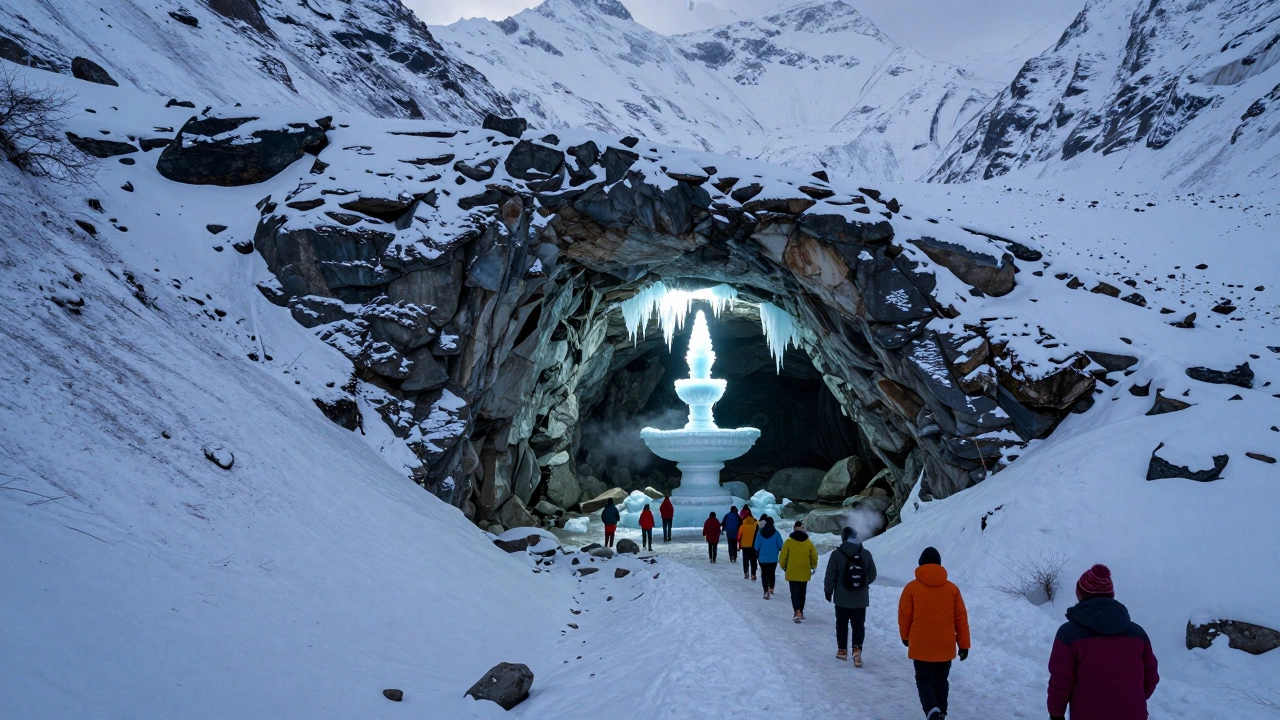
This is the most common answer you will hear. The Amarnath Cave in the Himalayas houses a natural ice stalactite that forms the shape of a Shiva Linga. Every year, hundreds of thousands of pilgrims trek through treacherous weather to see it. The cave is mentioned in the Skanda Purana, another important text.
Why isn’t it a Jyotirlinga? Because the Jyotirlingas are defined by specific architectural shrines built around eternal flames or stone lingams installed by sages. Amarnath is a natural phenomenon. Its lingam melts and reforms every winter. While spiritually potent, it doesn’t fit the textual definition of the twelve pillars of light. However, many devotees consider the Amarnath Yatra even more significant than visiting the twelve Jyotirlingas due to the physical challenge involved.
2. Meenakshi Amman Temple: The Southern Giant
In South India, particularly in Tamil Nadu, the Meenakshi Amman Temple in Madurai is a heavyweight. It is one of the largest functioning Hindu temples in the world. The presiding deity is Goddess Meenakshi (Parvati), but her consort, Lord Sundareswarar (Shiva), is worshipped with equal fervor.
Some local traditions claim that because this temple is so ancient and central to Shaivism in the south, it deserves a place among the Jyotirlingas. In fact, some regional texts refer to it as a "Jyotirlinga" in a metaphorical sense-meaning a source of spiritual light. But strictly speaking, it is a separate category of temple dedicated primarily to the goddess, making it unique rather than a duplicate of the Jyotirlinga concept.
3. Kailash: The Original Home
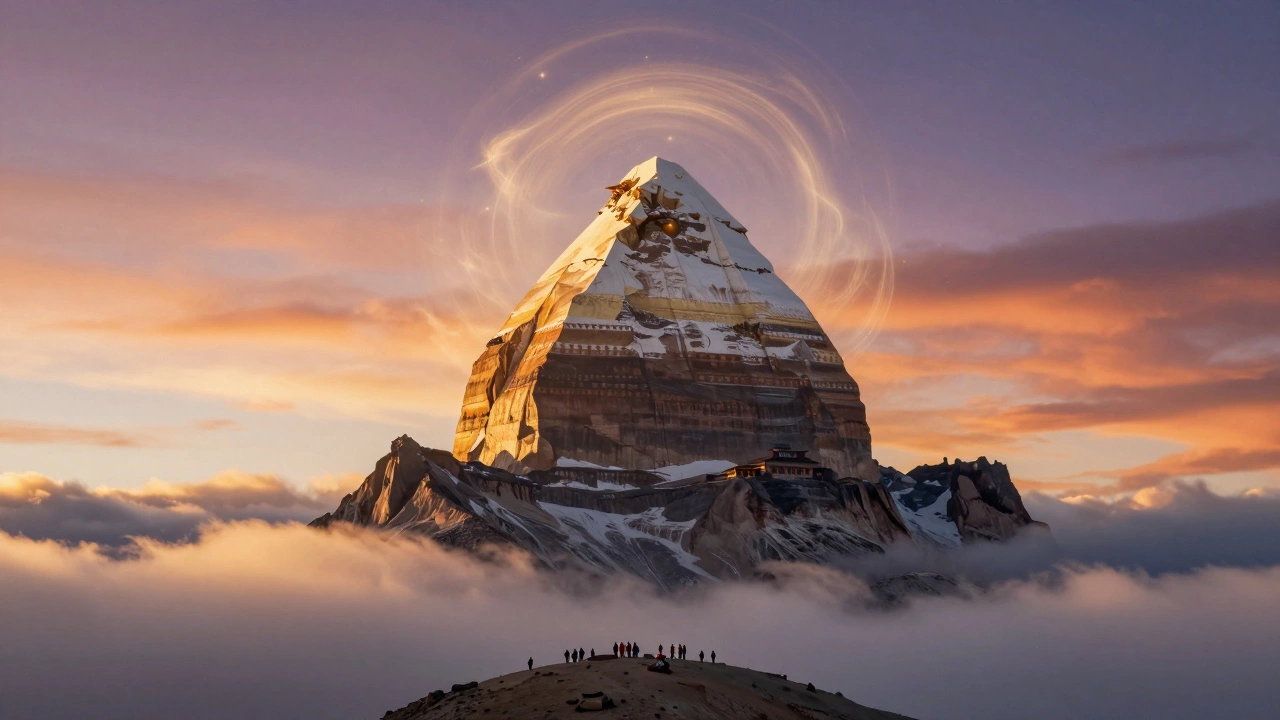
Then there is Mount Kailash. Located in Tibet, this mountain is considered the earthly throne of Lord Shiva. Pilgrims from Hinduism, Buddhism, Jainism, and Bon religion circumambulate this peak. If Shiva lives there, shouldn’t it be the ultimate Jyotirlinga?
The distinction here is subtle. The Jyotirlingas are places where Shiva *appeared* to his devotees. Kailash is where he *resides*. You don’t visit Kailash to find a pillar of light in a shrine; you visit it to connect with the cosmic energy of the mountain itself. It stands above the list, not within it.
Why Does the Myth Persist?
So, if the scriptures are clear, why do people keep asking about a 13th Jyotirlinga? There are three main reasons.
First, regional pride. India is diverse. When a temple becomes incredibly famous, local priests and historians sometimes elevate its status to match the national prestige of the Jyotirlingas. This helps attract tourists and funding. For example, the Arunachaleswarar Temple in Tiruvannamalai is often called the 13th Jyotirlinga in certain Tamil circles because it represents the fifth element (fire) and is central to the theory of the five elements in Shaivism.
Second, textual variations. Ancient Indian texts were often passed down orally before being written. Different versions of the Puranas exist. While the Shiva Purana lists twelve, other minor texts or regional commentaries might mention additional sacred spots. These discrepancies fuel the debate.
Third, the desire for completeness. Humans love patterns. Twelve is a complete cycle (months, zodiac signs). Adding a thirteenth feels like breaking a pattern, which makes people curious. Is there something hidden? A secret temple? This mystery drives tourism and spiritual inquiry.
Should You Visit These "Extra" Temples?
Absolutely. Whether a temple is officially a Jyotirlinga or not doesn’t diminish its spiritual value. If you are planning a temple tour in India, ignoring Amarnath, Meenakshi, or Arunachaleswarar would be a mistake.
Here is how to approach them:
- For the Adventurer: Go to Amarnath. The trek is hard, but the sight of the ice lingam is unmatched. Best time: July to August.
- For the Architecture Lover: Visit Meenakshi Amman. The gopurams (towers) are covered in thousands of colorful sculptures. It’s a visual feast. Best time: October to February.
- For the Meditator: Try Arunachaleswarar in Tiruvannamalai. The hill behind the temple is used for silent meditation walks. The annual Karthigai Deepam festival is spectacular. Best time: January/February.
Think of the twelve Jyotirlingas as the core curriculum of Shiva worship. These other temples are the advanced electives. They offer different flavors of devotion, different histories, and different experiences.
Practical Tips for Jyotirlinga Pilgrims
If you decide to chase the official twelve, or explore the contenders, here are some practical tips to make your journey smoother.
- Plan by Geography: Don’t try to hit all twelve in one trip unless you have months. Group them by region. For example, combine Somnath and Nageshwar (Gujarat), then move to Mahakaleshwar and Omkareshwar (Madhya Pradesh).
- Check Visa and Permits: Kedarnath requires inner line permits if you are a foreigner. Amarnath requires special registration. Start paperwork early.
- Respect Local Customs: Dress modestly. Remove shoes before entering sanctums. Ask permission before taking photos inside the main shrine areas. Many temples prohibit photography near the idol.
- Timing Matters: Avoid major festivals if you dislike crowds. Visiting during off-peak seasons allows for a more personal experience with the priests and the architecture.
Remember, the goal of a pilgrimage is not just to check boxes. It’s about the journey, the reflection, and the connection you feel with the divine. Whether you visit the twelfth or the hypothetical thirteenth, the experience is valid.
Is Amarnath Cave officially a Jyotirlinga?
No, Amarnath Cave is not one of the twelve Jyotirlingas listed in the Shiva Purana. It is a separate sacred site known for its natural ice lingam. However, it is considered one of the holiest shrines in Hinduism and is often grouped with Jyotirlingas in popular discourse due to its immense spiritual significance.
Which temple is most commonly called the 13th Jyotirlinga?
The title varies by region. In North India, Amarnath is frequently cited. In South India, particularly Tamil Nadu, the Arunachaleswarar Temple in Tiruvannamalai or the Meenakshi Amman Temple in Madurai are often referred to as the 13th Jyotirlinga due to their historical importance and association with the five elements of nature.
Can I visit all 12 Jyotirlingas in one trip?
It is possible but challenging. The temples are spread across India, from Gujarat to Tamil Nadu. A typical circuit takes 3 to 6 weeks depending on your pace and mode of transport. Most pilgrims break the journey into smaller regional trips over several years.
What is the difference between a Jyotirlinga and a regular Shiva temple?
A Jyotirlinga is specifically one of twelve sites where Shiva manifested as a column of light, as described in the Shiva Purana. Regular Shiva temples may house idols or lingams but do not share this specific mythological origin story. Jyotirlingas are considered the most sacred abodes of Shiva.
Is Mount Kailash a Jyotirlinga?
No, Mount Kailash is not a Jyotirlinga. It is believed to be the earthly abode of Lord Shiva. While it is a sacred mountain for Hindus, Buddhists, Jains, and followers of Bon, it is not part of the twelve Jyotirlinga temples.