India Travel Cost & Weather Checker
Select your preferred month and destination region to see estimated costs, weather conditions, and travel tips.
Estimated Savings
Compared to peak winter season rates.
Weather Condition
Travel Insight
India is a land of staggering contrasts, where ancient temples sit beside bustling modern cities and serene mountains overlook vibrant marketplaces. For many travelers, the dream of exploring this vast subcontinent is often held back by one major concern: cost. Flights, hotels, and tours can add up quickly, especially during peak seasons when demand drives prices through the roof. But here’s the secret that seasoned backpackers know: timing is everything. By choosing the right months to visit, you can slash your budget significantly without sacrificing the experience. In fact, traveling during India's off-peak or shoulder seasons often means fewer crowds, more authentic interactions, and lower prices across the board.
If you are planning a trip to India in 2026 and want to stretch every dollar, understanding the seasonal price fluctuations is crucial. This guide breaks down exactly which months offer the best value, what trade-offs you need to accept, and how to navigate the weather challenges that come with cheap travel. Whether you are heading to the Taj Mahal in Agra or trekking in the Himalayas, knowing when to go can save you hundreds, if not thousands, of dollars.
Understanding India’s Seasonal Price Dynamics
To find the cheapest time to travel, you first need to understand why prices change. India has three main tourist seasons: peak, shoulder, and low. The peak season runs from October to March, coinciding with pleasant winter weather across most of the country. During these months, flights from Europe, North America, and Australia are at their highest, and hotel rates in popular destinations like Rajasthan, Goa, and Kerala can double compared to other times of the year.
The low season, on the other hand, typically falls during the summer heat (April-June) and the monsoon rains (July-September). These periods see a significant drop in international tourist numbers. Airlines compete for passengers by offering deep discounts, and hotels slash rates to attract any available guests. While the weather might be less than ideal, the savings are substantial. For example, a mid-range hotel in Jaipur that costs $150 per night in December might drop to $40-$60 in July. That’s a difference that could fund an entire week of meals and local transport.
The Monsoon Months: July to September
For many travelers, the idea of visiting India during the monsoon seems daunting. Heavy rains, humidity, and potential flooding are real concerns. However, this period from July to September is arguably the cheapest time to visit large parts of the country. If you are flexible about your itinerary, you can enjoy lush green landscapes, dramatic skies, and empty attractions at a fraction of the cost.
Goa, usually packed with party-goers in winter, becomes a tranquil destination during the monsoon. Beaches may close for swimming due to strong currents, but beach shacks remain open, serving fresh seafood at rock-bottom prices. Hotels in South Goa offer some of their lowest rates of the year, making it perfect for digital nomads or those seeking relaxation over nightlife.
In the north, Kashmir transforms into a verdant paradise. While some high-altitude treks may be risky due to landslides, the valleys around Srinagar and Gulmarg are stunningly green. Houseboats on Dal Lake become affordable luxuries, and the misty atmosphere adds a romantic charm that winter visitors miss out on. Just be prepared for occasional heavy downpours and carry waterproof gear.
- Pros: Lowest hotel and flight prices; lush green scenery; fewer tourists at major sites.
- Cons: High humidity; risk of travel delays due to rain; some outdoor activities limited.
- Best For: Nature lovers, photographers, and travelers prioritizing budget over comfort.
The Summer Heat: April to June
As temperatures soar in northern and central India from April to June, tourist numbers plummet. Cities like Delhi, Agra, and Jodhpur can reach scorching highs of 40°C (104°F) or more. This extreme heat drives down accommodation costs significantly. Many hotels offer special summer packages, including complimentary breakfasts or airport transfers, to lure visitors.
However, summer isn’t all bad news. It’s the ideal time to visit hill stations such as Shimla, Manali, and Ooty. These regions provide a cool escape from the plains, and while they are busier than usual, they are still cheaper than their winter counterparts. Additionally, the Himalayan region opens up for trekking. Trails in Ladakh and Himachal Pradesh are accessible, and the clear skies offer breathtaking views of snow-capped peaks.
Another advantage of summer travel is the vibrancy of local festivals. Events like Holi (usually in March or early April) and Eid bring communities together, offering unique cultural experiences. While accommodations near festival centers may spike in price, staying slightly outside the city center can keep costs low while still allowing you to participate in the festivities.
- Pros: Very low accommodation costs; great for hill station visits; clear skies for mountain photography.
- Cons: Extreme heat in plains; dehydration risks; limited daytime sightseeing in cities.
- Best For: Hill station explorers, trekkers, and heat-tolerant adventurers.
Shoulder Seasons: Late September and Early October
Sometimes, the absolute cheapest option isn’t the best balance of value and experience. The shoulder seasons-specifically late September and early October-offer a sweet spot. The monsoon rains have subsided, leaving the landscape refreshed and green, but the peak tourist rush hasn’t fully begun. Prices start to rise from their monsoon lows but haven’t yet hit peak winter levels.
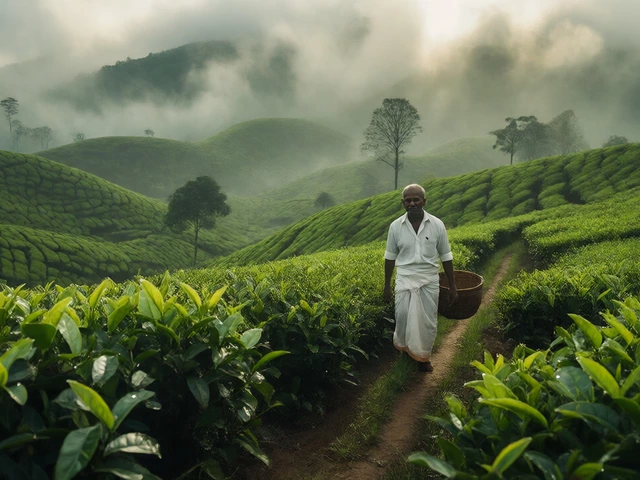
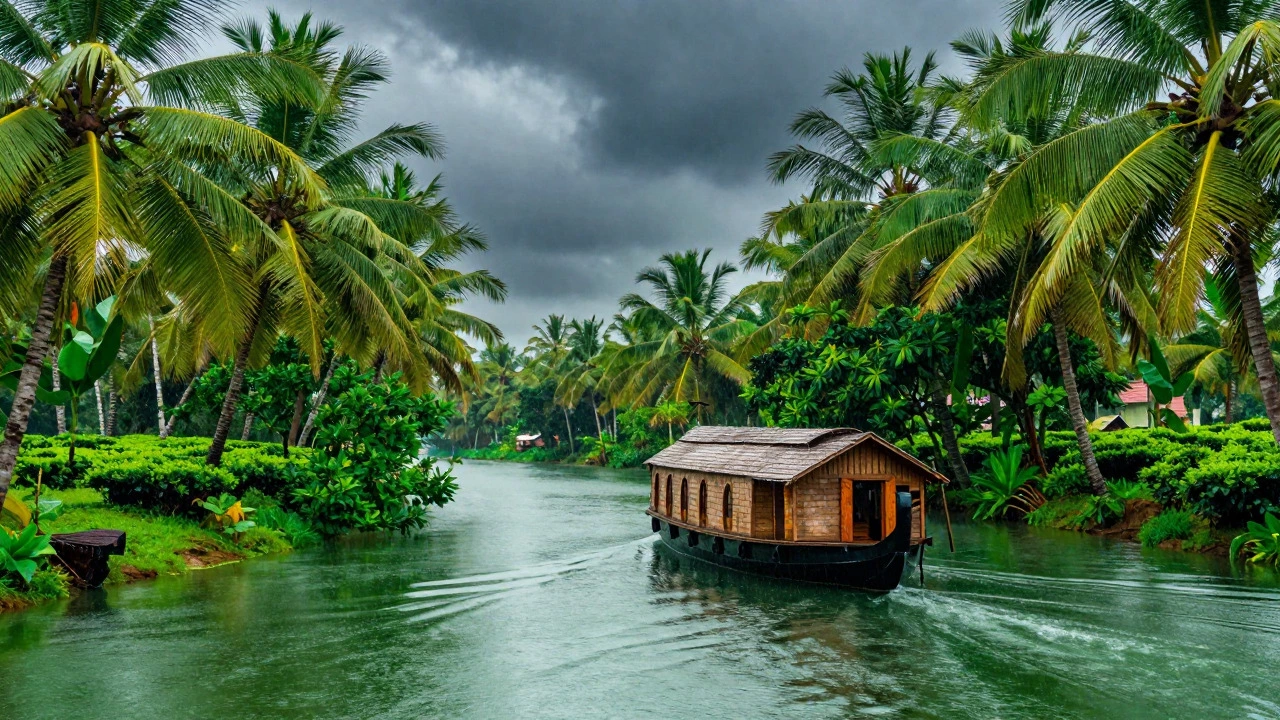
This period is particularly advantageous for visiting Kerala and Tamil Nadu. The backwaters are calm, houseboat cruises are affordable, and the tea plantations are lush. Similarly, in Rajasthan, the heat begins to break, making desert safaris in Jaisalmer more comfortable. You’ll find that flights are reasonably priced, and you can secure better deals on guided tours before the holiday surge hits.
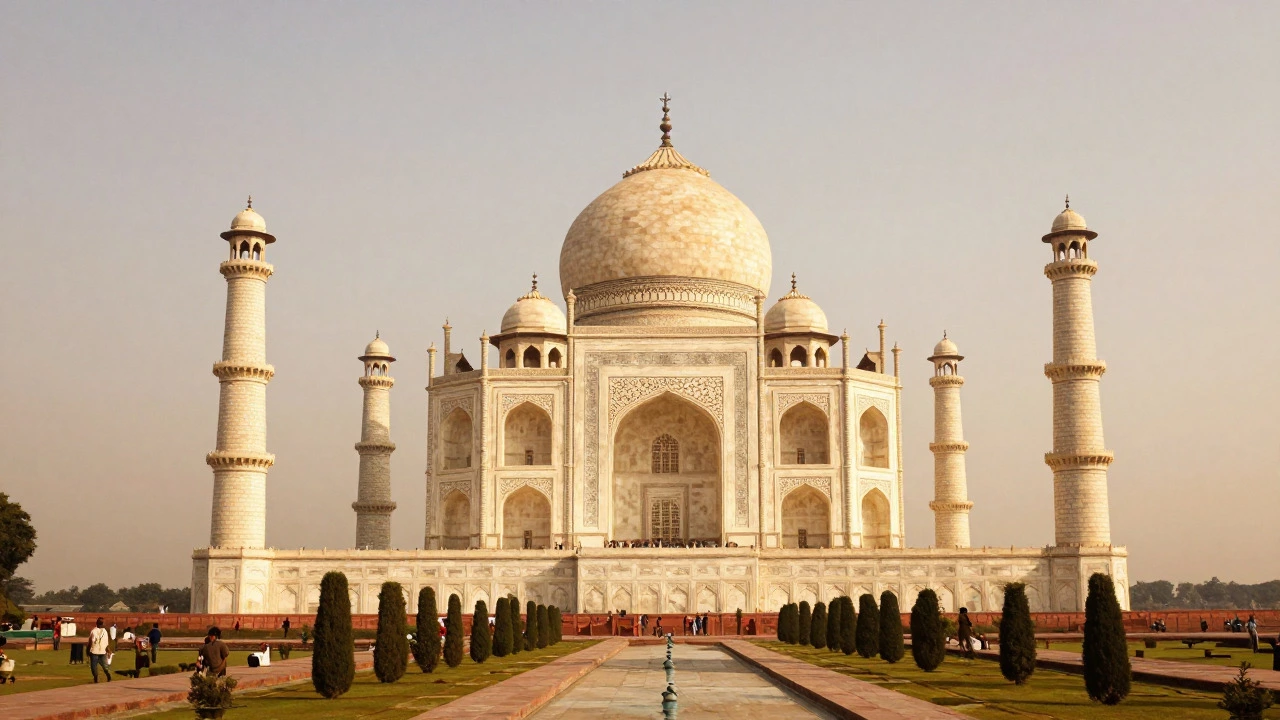
Traveling during these weeks also means you avoid the intense crowds at iconic sites like the Taj Mahal and the Red Fort. You can spend more time appreciating the architecture and history without jostling through masses of people. It’s a strategic choice for those who want a balance between cost savings and comfort.
Regional Variations: Where to Go When
India is not a monolith; its geography dictates diverse climate patterns. What is cheap in one region might be expensive in another. Understanding these regional differences allows you to plan a multi-destination trip that maximizes savings.
| Region | Cheapest Months | Weather Conditions | Key Attractions |
|---|---|---|---|
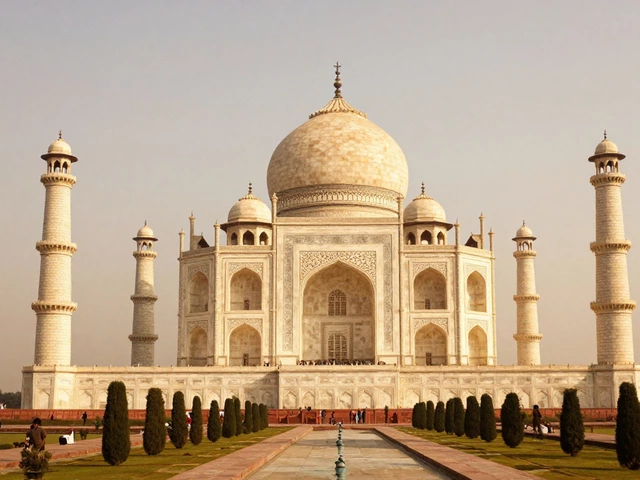
| North India (Delhi, Agra, Rajasthan) | May - August | Hot & Humid / Monsoon | Taj Mahal, Amber Fort, Desert Safaris |
| Himalayas (Ladakh, Himachal) | November - February | Cold / Snowy | Lake Pangong, Valley of Flowers, Trekking |
| South India (Kerala, Tamil Nadu) | March - May | Warm / Pre-Monsoon | Backwaters, Temples, Tea Gardens |
| West Coast (Goa, Konkan) | June - September | Rainy / Humid | Beaches, Waterfalls, Local Cuisine |
| East India (Odisha, West Bengal) | July - September | Monsoon | Konark Sun Temple, Darjeeling Hills |
For instance, while Northern India is sweltering in May, the Himalayas are starting to warm up, making it a good time for lower-altitude treks. Conversely, when the north is freezing in January, South India enjoys mild, pleasant weather, though prices there will be higher. By shifting your itinerary based on these regional calendars, you can always find a part of India that is both affordable and enjoyable.
Budget Tips Beyond Timing
Choosing the right month is just one piece of the puzzle. To truly minimize costs, combine your timing strategy with smart travel habits. First, consider domestic flights versus trains. India’s rail network is extensive and incredibly cheap. A sleeper class ticket on a train can cost less than $10, whereas a short-haul flight might set you back $100 or more. While trains take longer, they offer an authentic glimpse into Indian life and save money for food and souvenirs.
Second, eat like a local. Street food in India is not only delicious but also inexpensive. Dishes like chaat, dosa, and butter chicken from local eateries cost a fraction of what you’d pay in tourist-centric restaurants. Avoid eating at places directly adjacent to major monuments, where prices are inflated. Walk a few blocks away, and you’ll find better quality and lower prices.
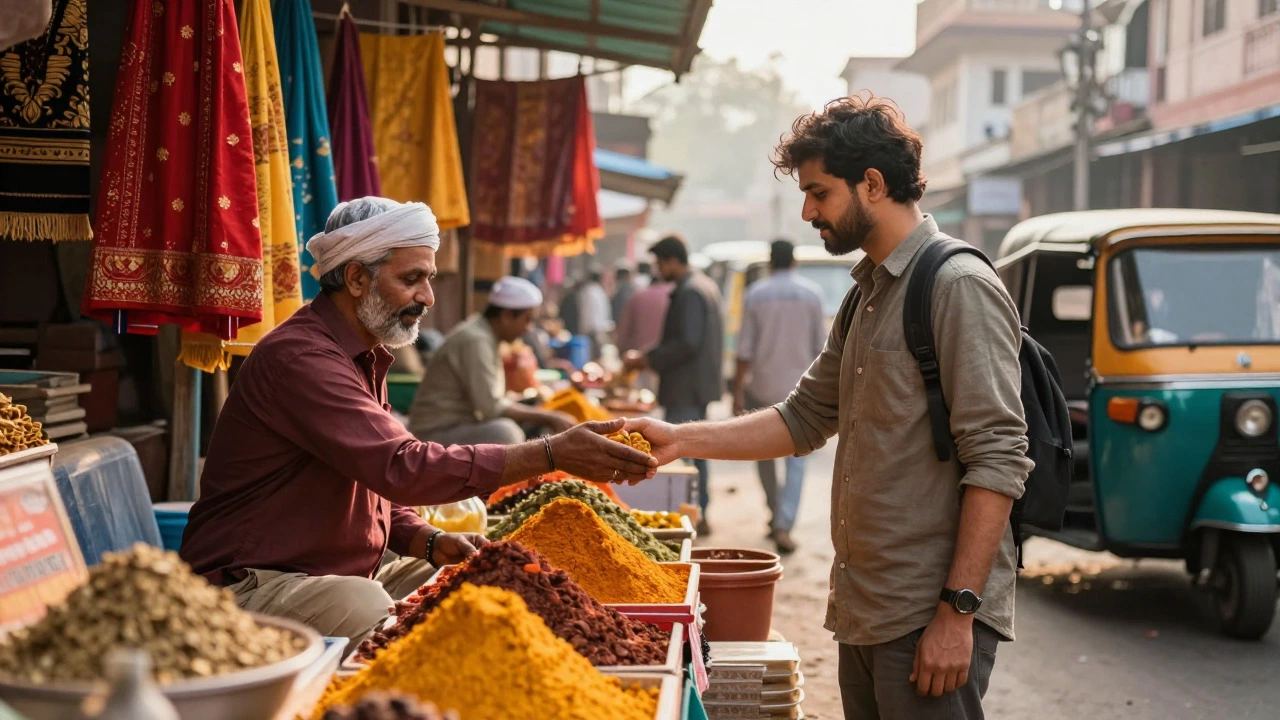
Third, negotiate respectfully. In markets and for auto-rickshaws, bargaining is expected. Start at 30-50% of the quoted price and work your way up. Using ride-sharing apps like Ola or Uber can also help fix prices and avoid haggling altogether. Finally, stay in guesthouses or homestays instead of hotels. Platforms like Airbnb or local booking sites often list family-run homes that provide a personal touch and significant savings.
Conclusion: Making the Most of Your Budget Trip
Traveling to India on a budget doesn’t mean compromising on the richness of the experience. By targeting the monsoon months of July to September or the hot summer months of April to June, you can unlock incredible savings. Alternatively, the shoulder periods of late September and early October offer a balanced approach with moderate prices and improving weather. Remember to tailor your itinerary to regional climates, utilize local transport, and embrace street food culture. With careful planning, India remains one of the most affordable and rewarding destinations in the world, offering memories that far outweigh the cost.
Is it safe to travel to India during the monsoon?
Yes, it is generally safe, but you should be cautious of slippery roads and potential flooding in low-lying areas. Always check local weather forecasts and avoid trekking in high-risk zones like certain parts of the Himalayas during heavy rains. Carry waterproof clothing and protect your electronics.
Are flights cheaper during the off-season?
Absolutely. International airlines often reduce fares during the monsoon and summer months to attract travelers. Booking 2-3 months in advance can yield even better deals. Domestic flights also see price drops, though trains remain the most economical option.
Which Indian cities are best to visit in May?
In May, avoid Delhi and Rajasthan due to extreme heat. Instead, head to hill stations like Shimla, Manali, or Munnar in Kerala. These areas offer cooler temperatures and are less crowded than in winter, providing a comfortable and affordable experience.
Can I do a houseboat cruise in Kerala during the monsoon?
Yes, houseboat cruises operate during the monsoon, and the backwaters look particularly lush and green. However, heavy rains might limit outdoor activities on the boat. It’s a great time for a relaxing, quiet retreat rather than active exploration.
How much can I save by traveling in the low season?
You can save anywhere from 30% to 50% on accommodation and up to 40% on flights compared to peak winter months. Combined with cheaper local transport and food, a two-week trip could cost significantly less, allowing you to extend your stay or upgrade certain experiences.