Char Dham Yatra Planner
Explore the four sacred sites of the Himalayan Char Dham circuit. Click on a site to view detailed information about its deity, altitude, access difficulty, and key features.
Yamunotri
Goddess Yamuna
Gangotri
Goddess Ganga
Kedarnath
Lord Shiva
Badrinath
Lord Vishnu
Key Feature
Best Time to Visit
May–June & Sept–Oct
Avoid July–Aug (Monsoon)
You’ve likely heard the term Char Dham thrown around in travel circles or spiritual discussions, but what does it actually mean for a traveler planning a trip to India? It’s not just a list of four random temples. It refers to a specific, high-altitude pilgrimage circuit in the Indian Himalayas that holds immense religious significance for Hindus. If you’re thinking about visiting, you need to know that this isn’t your typical temple tour with air conditioning and gift shops. This is a journey into raw nature, steep climbs, and deep spirituality.
The concept of Char Dham translates literally to "Four Abodes." These sites are considered the earthly residences of major deities and are believed to be gateways to liberation (Moksha). While there is another Char Dham circuit in South India established by Adi Shankaracharya, when people ask about "the" Char Dham in a general tourism context, they almost always mean the Himalayan circuit in Uttarakhand. This guide breaks down exactly what these four sites are, why they matter, and how to handle the logistics without losing your mind-or your sanity.
Understanding the Spiritual Core
Why do millions of pilgrims trek through rain, snow, and traffic jams every year? The belief system here is straightforward but powerful. Visiting these four sites during one’s lifetime is said to wash away sins and grant salvation. Each site is dedicated to a different aspect of the divine, covering the entire spectrum of Hindu worship.
The circuit typically follows a clockwise direction, starting from Yamunotri and ending at Badrinath. This order isn’t arbitrary; it aligns with traditional ritual practices. You start at the source of the Yamuna River, move to the abode of Shiva, then to the shrine of Vishnu’s avatar, and finally to the main seat of Lord Vishnu himself. Understanding this flow helps you make sense of the itinerary rather than just seeing it as a checklist.
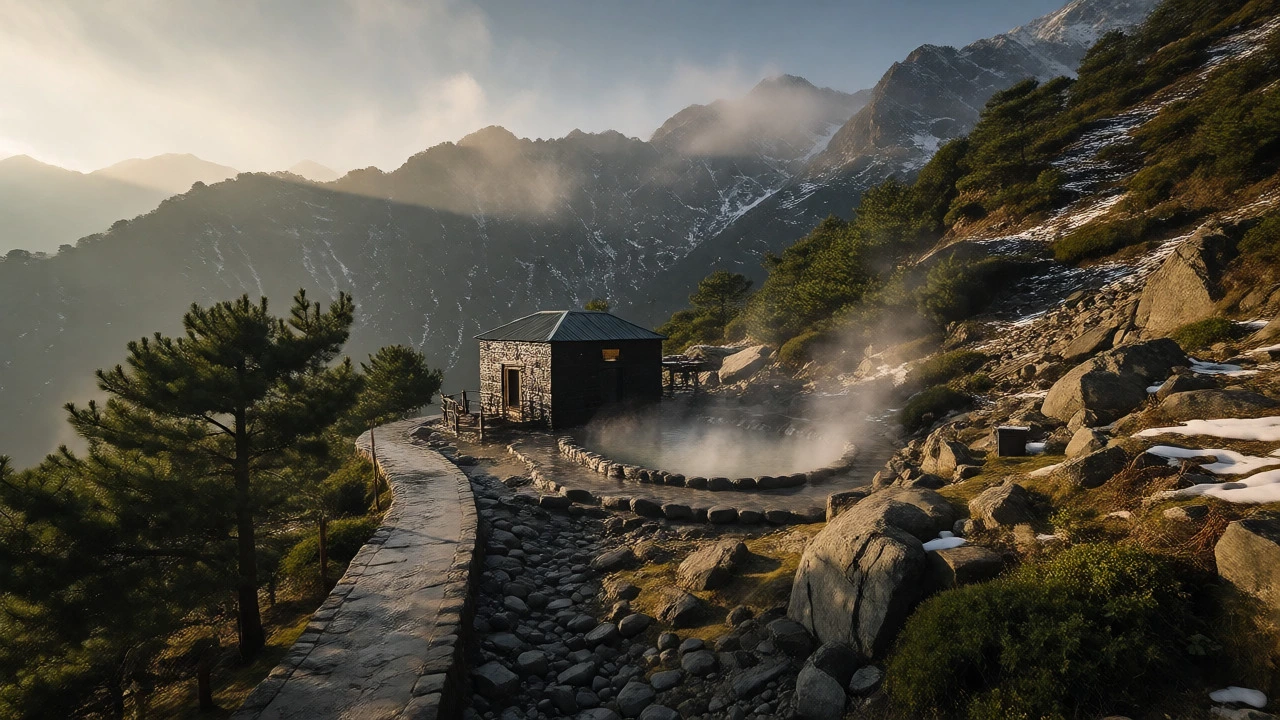
Yamunotri is the westernmost site of the Char Dham, dedicated to Goddess Yamuna, the deity of the Yamuna River. It is located at an altitude of 3,293 meters (10,804 feet) in the Garhwal region of Uttarakhand. Unlike the other three, which are dedicated to male deities, this site honors the feminine divine energy. Pilgrims believe that bathing in the hot springs here cures skin diseases and grants longevity.
Getting to Yamunotri requires a bit of effort. You can’t drive right up to the temple door. You have to reach Janki Chatti first, and from there, it’s a 6-kilometer trek. Yes, six kilometers. For some, that’s a brisk walk. For others, especially those coming from sea level, it’s a serious physical challenge. You can hire a pony, a palanquin (a covered litter carried by porters), or just walk. The path is paved but steep, winding alongside the river. The temple itself is small, made of black stone, and houses a silver idol of Yamuna. But the real draw is the Surya Kund, a natural hot spring where devotees cook rice and potatoes in the geothermal heat before offering them to the goddess.
Gangotri is the northernmost site of the Char Dham, dedicated to Goddess Ganga, the personification of the holy Ganges River. Situated at 3,415 meters (11,204 feet), it marks the spot where the Ganges is believed to have descended from heaven to earth. The temple is simple, white marble, standing against a backdrop of towering peaks like Bhagirathi.
Gangotri feels different from Yamunotri. It’s more accessible by road-you can drive almost to the temple complex. However, the atmosphere is quieter, more meditative. The water here is freezing cold, even in summer. Pilgrims dip their feet or take full dips, believing it purifies the soul. There’s no massive trek here, which makes it a good break after the exertion of Yamunotri. Just be prepared for thin air; you might feel shortness of breath if you rush around.
Kedarnath is one of the twelve Jyotirlingas, dedicated to Lord Shiva, and is the highest peak of the Char Dham circuit at 3,583 meters (11,755 feet). It is famous for its ancient stone temple, which is said to have been built by the Pandavas from the Mahabharata era. The current structure dates back to the 8th century, rebuilt by Adi Shankaracharya.
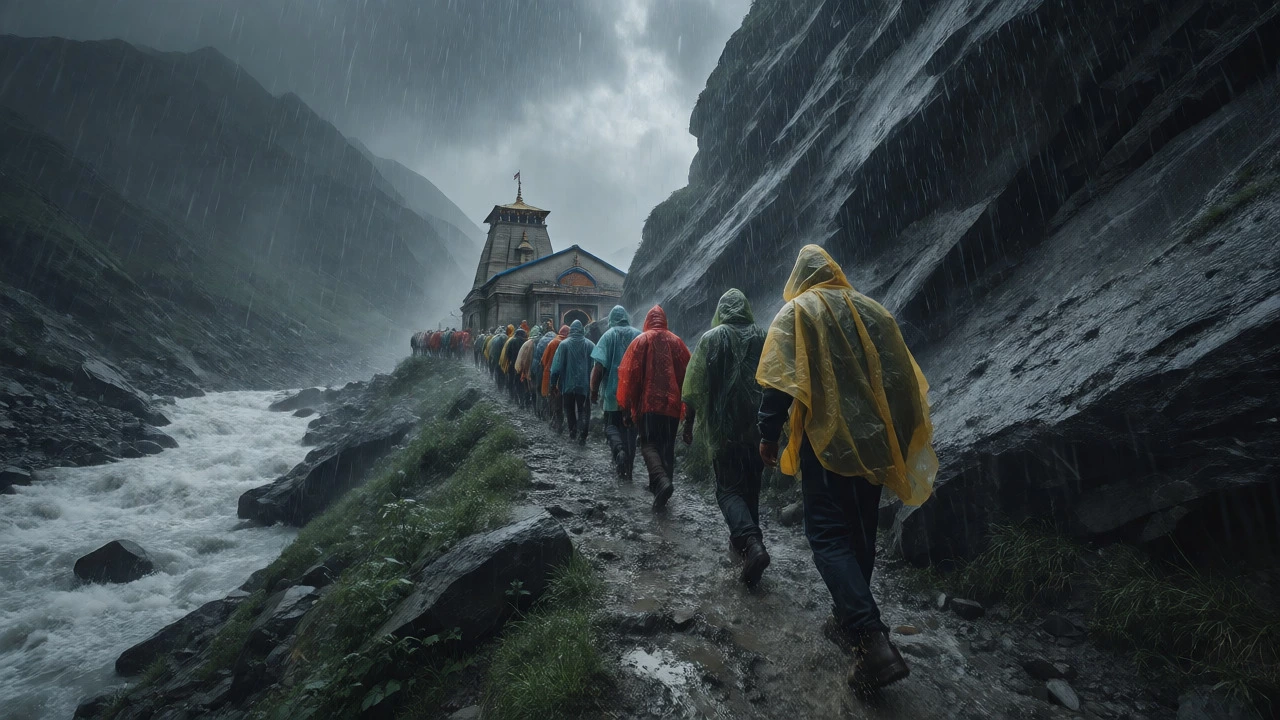
This is the big one. Kedarnath is often the most challenging part of the journey. Like Yamunotri, you cannot drive to the temple. You must park at Gaurikund and trek 16 kilometers uphill. That’s not a typo-sixteen kilometers. Most people do this over two days, staying overnight in tents or basic shelters along the way. Alternatively, helicopter services are available, which cut the travel time to minutes but cost significantly more. The temple itself is magnificent, a large stone structure that has survived centuries of earthquakes and floods. Inside, the main deity is a conical-shaped lingam, representing Shiva. The view from the top is breathtaking, but the weather changes fast. One minute it’s sunny, the next it’s hailing. Pack layers.
Badrinath is the easternmost site of the Char Dham, dedicated to Lord Vishnu in his form as Badrinarayan. Located at 3,100 meters (10,170 feet) on the banks of the Alaknanda River, it is considered the most important of the four sites for Vaishnavites. The temple is colorful, vibrant, and bustling with activity.
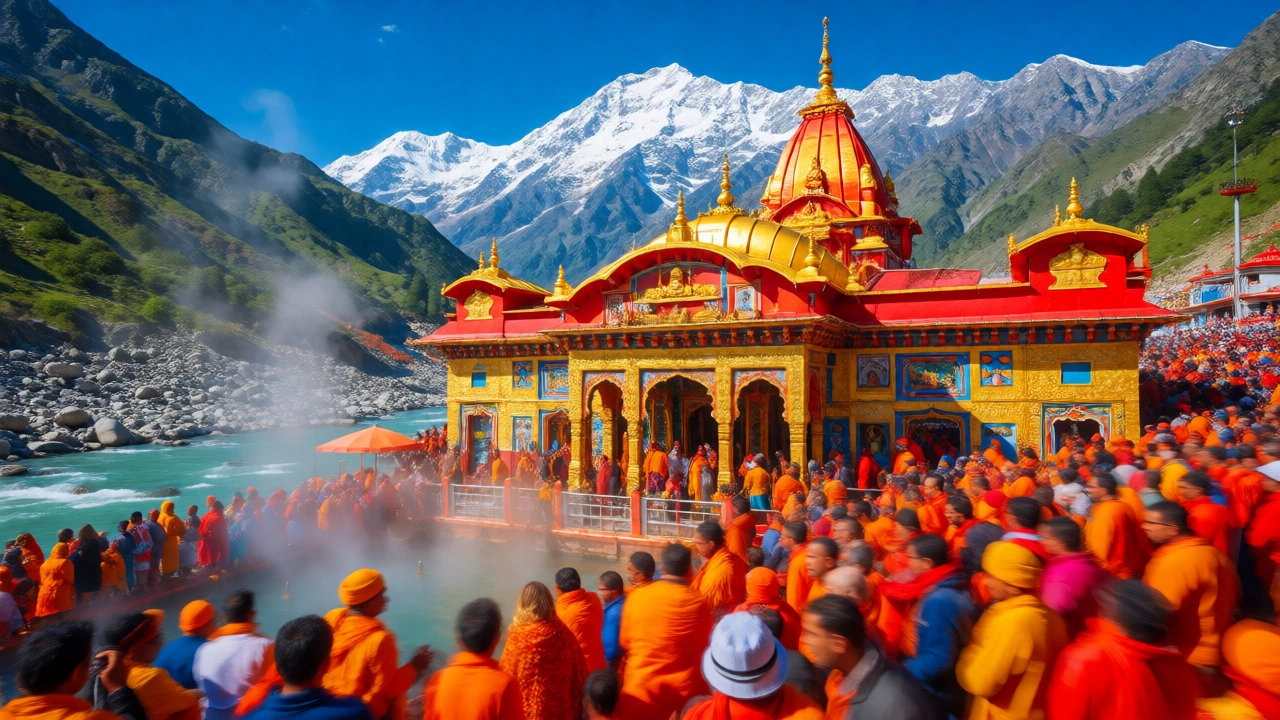
Badrinath is the final stop and usually the easiest to access by vehicle. The temple is strikingly beautiful, painted in bright gold and red. Inside, the main idol of Badrinarayan is carved from black shaligram stone and stands about a meter tall. Devotees bathe in the Tapt Kund, a natural thermal spring, before entering the temple. The water is warm enough to soak in but too hot to stay in for long. After the rituals, you’ll find yourself surrounded by chanting priests and eager tourists. It’s chaotic but energetic. The nearby village offers decent accommodation compared to the remote campsites of Kedarnath.
Logistics: When to Go and How to Get There
Timing is everything with the Char Dham. The mountains are unforgiving. The official pilgrimage season runs from late April or early May until November, depending on when the snow melts and when winter sets in. Before May, the routes are buried under snow. After November, the harsh Himalayan winter closes the temples, and the idols are moved to lower altitudes for the winter months.
June to September is the monsoon season. During these months, landslides are common, and roads get blocked frequently. If you hate mud and waiting for hours due to rockfalls, avoid July and August. The sweet spot for most travelers is May-June or September-October. The weather is stable, the skies are clear, and the views are spectacular.
| Site | Deity | Altitude | Access Difficulty | Key Feature |
|---|---|---|---|---|
| Yamunotri | Goddess Yamuna | 3,293 m | Moderate (6km trek) | Hot Springs (Surya Kund) |
| Gangotri | Goddess Ganga | 3,415 m | Easy (Road access) | River Origin Point |
| Kedarnath | Lord Shiva | 3,583 m | Hard (16km trek/Heli) | Ancient Stone Temple |
| Badrinath | Lord Vishnu | 3,100 m | Easy (Road access) | Colorful Architecture |
Getting to the base points is half the battle. Most people fly into Dehradun’s Jolly Grant Airport or take a train to Haridwar/Rishikesh. From there, you hire a private car or join a bus convoy. Private cars offer flexibility, allowing you to stop for photos or rest whenever you want. Buses are cheaper but follow fixed schedules and can be crowded. Road conditions vary wildly. Some stretches are smooth tarmac, while others are narrow, winding paths carved into cliffsides. Motion sickness medication is highly recommended for anyone prone to nausea on curvy mountain roads.
Practical Tips for Surviving the Yatra
Don’t underestimate the altitude. Acute Mountain Sickness (AMS) is real. Symptoms include headache, dizziness, and nausea. To combat this, acclimatize properly. Don’t rush from Delhi straight to Kedarnath. Spend a day or two in Rishikesh or Uttarkashi first. Drink plenty of water-even if you don’t feel thirsty. Avoid alcohol and heavy meals in the first few days.
Packing smart saves you hassle. The weather shifts rapidly. You might experience sunshine, rain, and snow all in one day. Layering is key. Bring thermal innerwear, fleece jackets, and a waterproof windbreaker. Good footwear is non-negotiable. Broken-in hiking boots with ankle support will save your knees on the treks. Flip-flops are useless here except maybe for the hotel shower.
Cash is king. ATMs are scarce beyond Rishikesh. Carry enough cash for food, tips for porters, and emergency expenses. Digital payments work in larger towns but fail in remote areas due to poor connectivity. Also, keep some small denomination notes handy for buying snacks or paying for toilets on the trekking paths.
Respect local customs. Dress modestly. Shoulders and knees should be covered when entering temples. Remove shoes before stepping inside. Photography rules vary; sometimes you can’t take pictures inside the sanctum sanctorum. Ask before clicking. And remember, this is a sacred space, not just a tourist attraction. Keep noise levels down and be patient with the crowds.
Common Pitfalls to Avoid
One major mistake travelers make is booking last-minute accommodation. During peak season (May-June), hotels in places like Guptkashi and Phata fill up weeks in advance. If you show up without a reservation, you might end up sleeping in a tent or driving further to find a bed. Book ahead, even if it costs a bit more.
Another trap is over-scheduling. Trying to do all four Dhams in three days is possible but exhausting. It leaves no room for delays due to weather or landslides. Give yourself at least 7 to 10 days. This allows time for rest, unexpected stops, and truly absorbing the environment. Rushing turns a spiritual journey into a stressful commute.
Finally, don’t ignore health warnings. If you have heart or lung conditions, consult a doctor before going. The oxygen levels drop significantly above 3,000 meters. Older adults and children may struggle more. Listen to your body. If you feel unwell, descend to a lower altitude immediately. There’s no shame in taking a helicopter ride if your legs give out on the Kedarnath trek. It’s expensive, but safety comes first.
Is the Char Dham trek difficult for beginners?
It depends on the site. Gangotri and Badrinath are easily accessible by car. Yamunotri involves a moderate 6km trek, which is manageable for most fit individuals. Kedarnath is the hardest, requiring a 16km uphill trek. Beginners should prepare physically beforehand or opt for helicopter services to Kedarnath to reduce strain.
What is the best time to visit Char Dham?
The ideal windows are May to mid-June and September to October. These months offer stable weather and clear skies. Avoid July and August due to heavy monsoon rains, which cause frequent landslides and road closures. Winter visits are generally not possible as the temples close.
Do I need special permits for Char Dham?
Yes, registration is mandatory. You need to register online or at physical counters in Haridwar/Rishikesh. This helps authorities manage crowd control and emergency response. Carry a valid ID proof (passport for foreigners, Aadhaar/Voter ID for Indians) along with your registration slip.
Can elderly people complete the Char Dham Yatra?
Many elderly pilgrims do, but it requires planning. Helicopter packages are popular for seniors as they bypass the strenuous treks. Ensure they have medical clearance and carry necessary medications. Pace the trip slowly and prioritize comfort over speed.
What should I pack for the Char Dham trip?
Pack warm layers (thermals, fleece, jacket), waterproof gear, sturdy trekking shoes, sunscreen, sunglasses, personal medications, and cash. A power bank is essential as electricity can be unreliable. Avoid packing too much luggage; you’ll likely have to carry bags during treks.