Clean Beach Comparison Tool
Compare Clean Beaches in India
See how the top 5 cleanest beaches in India stack up against each other based on real conditions
When you think of a beach vacation in India, what comes to mind? Crowds, plastic bottles washed up near the tide line, vendors shouting over music blaring from speakers, and sand that sticks to your skin no matter how many times you rinse off? You’re not wrong - many Indian beaches have struggled with waste, overcrowding, and poor maintenance. But not all of them. A few beaches in India are quietly keeping things clean, well-managed, and surprisingly untouched. If you want to walk barefoot without stepping on trash, swim without worrying about microplastics, or just sit quietly listening to waves instead of traffic, you need to know where to go.
Radhanagar Beach, Havelock Island
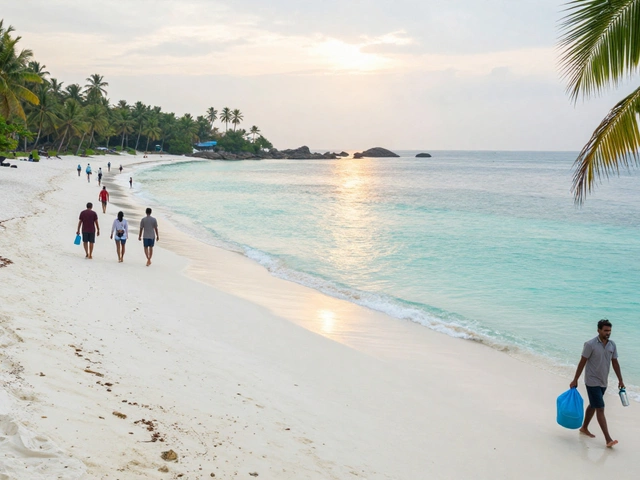
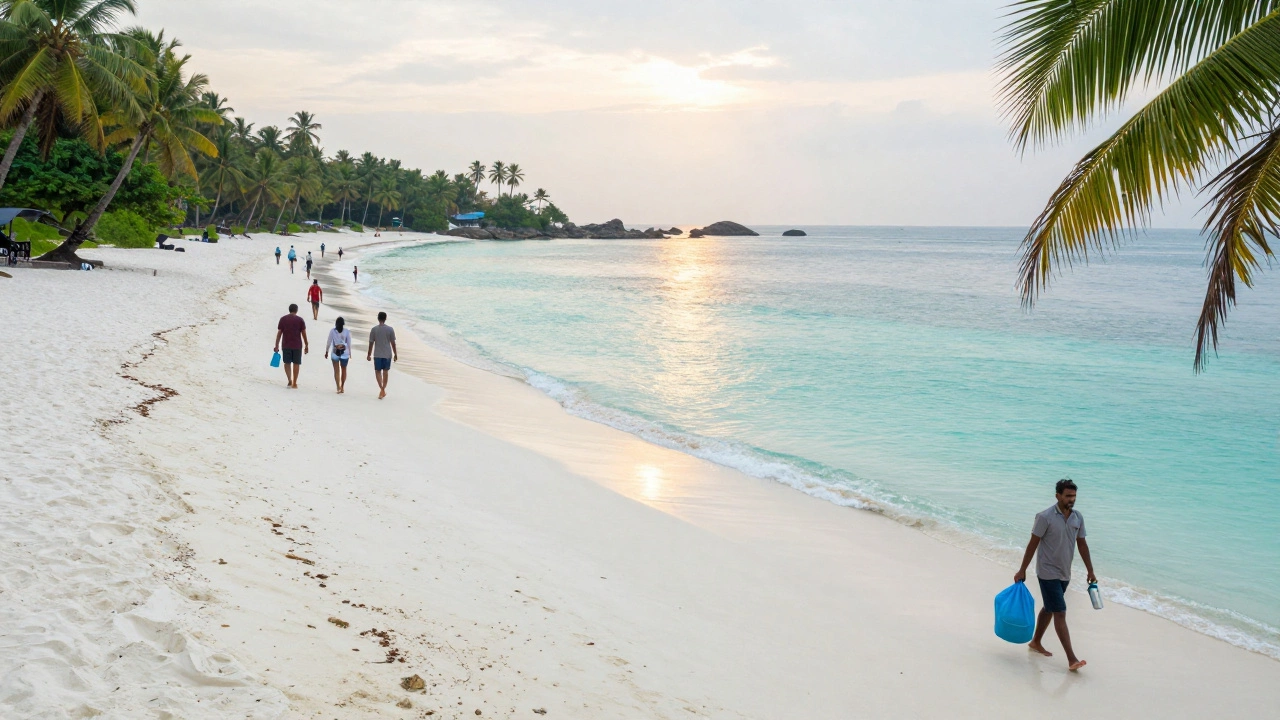
Radhanagar Beach on Havelock Island in the Andaman and Nicobar Islands consistently ranks as the cleanest beach in India. It’s not just the water - it’s the whole experience. The beach stretches over 2.5 kilometers with soft, white sand that stays free of litter thanks to strict local regulations. No plastic bottles or single-use packaging are allowed on the island. Tourists must carry reusable water bottles, and vendors sell drinks in glass or biodegradable containers. The Andaman administration employs a dedicated beach cleanup crew that patrols daily, and the local community takes pride in keeping it pristine.
The water is clear enough to see fish swimming just a few feet from shore. At low tide, you can spot starfish and small crabs in tidal pools without disturbing them. There are no loud music systems, no jet skis, and no motorized boats near the shore. Even the number of daily visitors is capped during peak season to prevent overcrowding. This isn’t marketing - it’s policy. Radhanagar Beach was named one of Asia’s top 10 beaches by Time Magazine in 2004, and it still holds that standard today.
Palolem Beach, Goa
Palolem Beach used to be one of Goa’s most chaotic spots, packed with backpackers and party crowds. But since 2020, things have changed. The local government, working with NGOs and beachfront homestays, launched a zero-plastic initiative. Plastic bags, straws, and disposable cups were banned. All waste is collected daily and taken to a central recycling center. The result? A beach that feels peaceful, even in December.
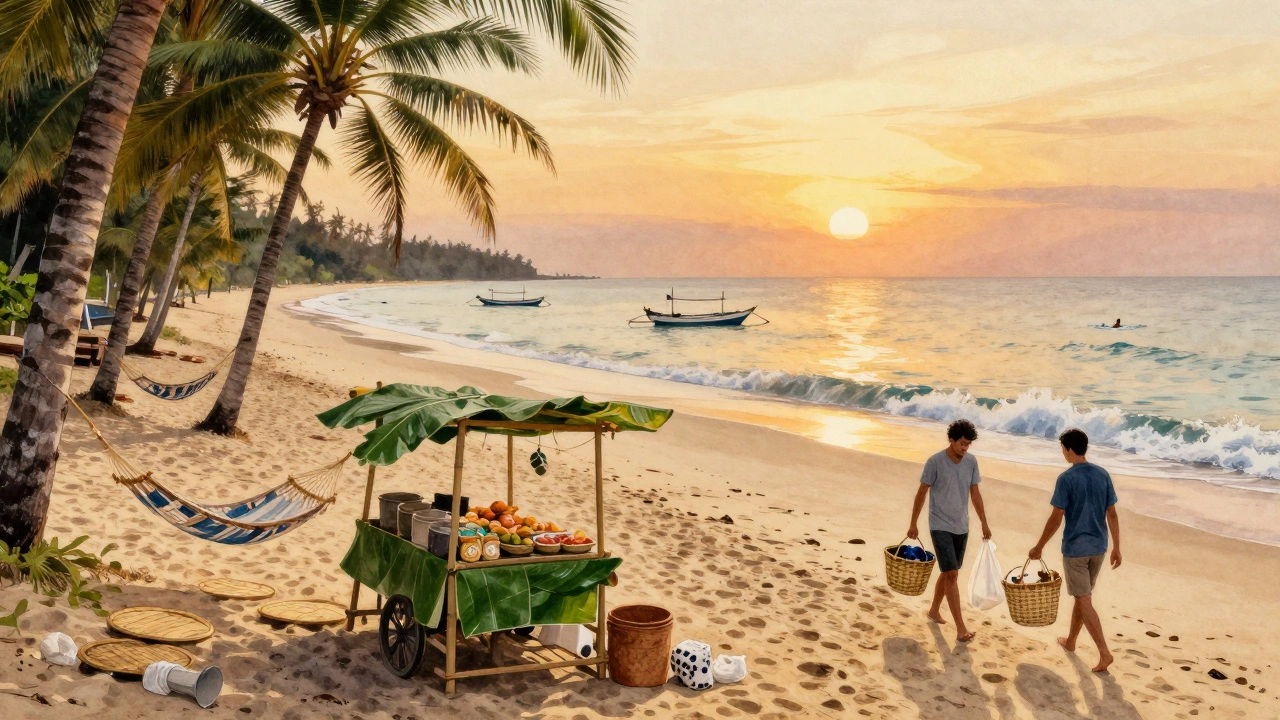
Unlike North Goa’s crowded stretches, Palolem has a natural curve that protects it from heavy currents and keeps debris from washing in. The sand is fine and pale gold, and the water stays calm enough for swimming. You’ll still find vendors, but they now serve food on banana leaves or bamboo plates. There’s a small community-run cleanup team that walks the shore every morning before sunrise. Locals say the beach hasn’t looked this clean since the 1990s. If you want a quiet, clean beach in Goa without sacrificing comfort, Palolem is the one.
Kappad Beach, Kerala
Kappad Beach isn’t famous for luxury resorts or neon-lit shacks. It’s famous for history - Vasco da Gama landed here in 1498. But it’s also one of the cleanest beaches in South India. The Kozhikode municipal corporation runs a daily beach cleaning program, and local fishermen help by collecting floating waste before it reaches shore. Unlike other Kerala beaches, Kappad doesn’t allow motorized vehicles on the sand. No ATVs, no scooters, no generators for loudspeakers.
The water is clear, and the sand is free of broken glass or cigarette butts. There are no plastic kiosks - only a few small stalls selling coconut water in shells. A sign at the entrance reminds visitors: “Take only photos, leave only footprints.” It’s not perfect, but it’s one of the few beaches in Kerala where you can walk a kilometer without seeing a single piece of trash. It’s also one of the safest for families, with lifeguards on duty during peak hours.
Marari Beach, Kerala
Marari Beach is small - barely 1.5 kilometers long - but it packs a punch when it comes to cleanliness. Nestled between coconut groves and traditional fishing villages, this beach has no high-rise hotels or loud nightclubs. Instead, you’ll find eco-friendly homestays that use solar power and compost toilets. The beach is managed by a local cooperative that includes fishermen, shopkeepers, and resort owners. They decided years ago that pollution would kill their livelihoods faster than any storm.
They banned single-use plastics in 2021. Every guest gets a reusable tote bag on arrival. Trash bins are placed every 50 meters, and they’re emptied twice a day. The water is monitored monthly for bacteria levels, and results are posted on a board near the entrance. In 2024, the beach recorded 98% compliance with WHO water safety standards. You won’t find a single plastic wrapper here - not even near the tide line. It’s quiet, calm, and genuinely clean.
Chandipur Beach, Odisha
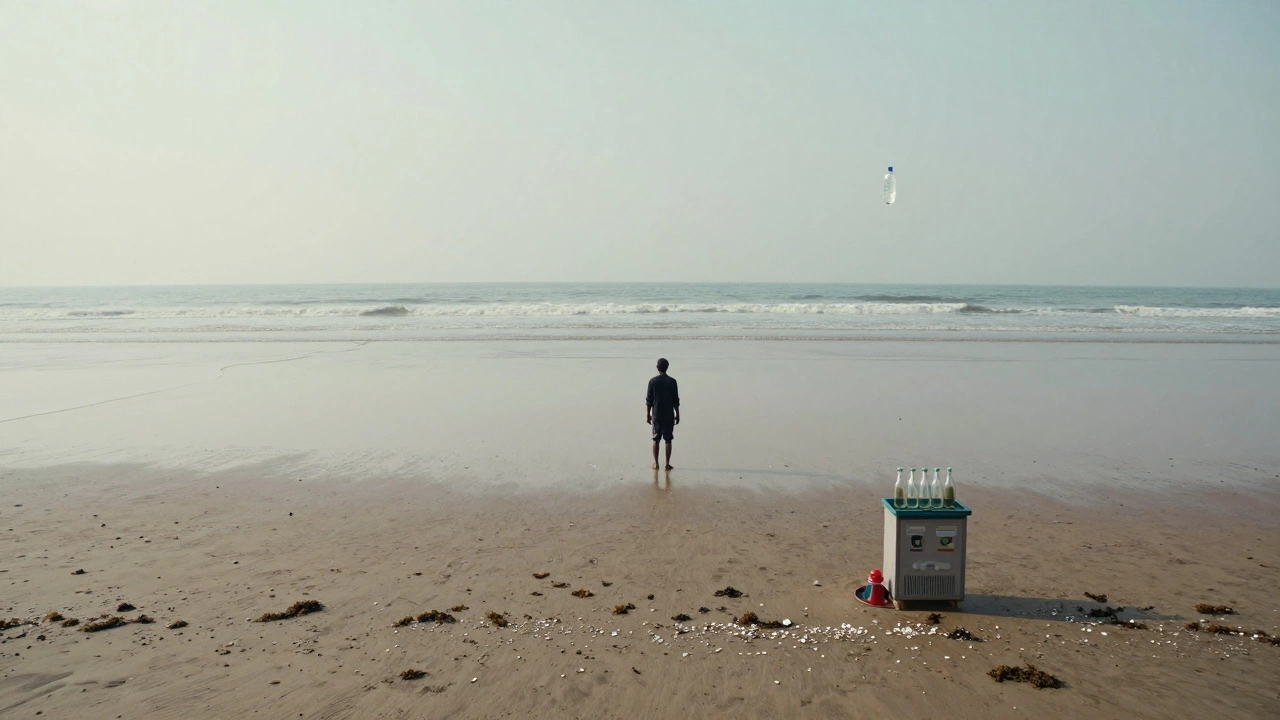
Chandipur Beach is unlike any other. The tide here recedes up to 5 kilometers at low tide, leaving behind a vast, flat expanse of wet sand. It’s a natural phenomenon, and it’s also a natural cleaner. Every day, the ocean pulls back and carries away debris, leaving the beach spotless by noon. Locals call it the “disappearing beach.”
There are no resorts here, no vendors, no music. Just a few small stalls selling boiled corn and fresh coconuts. The beach is protected by the Odisha Forest Department, which enforces a strict no-plastic rule. Visitors must leave their plastic bottles at the entry gate and use refill stations. The sand is so clean you can lie down on it without a towel. In winter, you can walk out to where the sea meets the horizon - and find nothing but shells, seaweed, and silence. It’s not a party beach. It’s a meditation beach.
Why Other Popular Beaches Don’t Make the List
Beaches like Baga, Calangute, and Varkala are beautiful - but they’re not clean. Baga and Calangute in Goa still struggle with plastic waste, even after awareness campaigns. Varkala has seen improvements, but the cliffs above the beach often shed debris during monsoon season. In Puri, the beach is packed with pilgrims and vendors selling everything from plastic toys to packaged snacks. Mumbai’s Juhu Beach? Over 200 metric tons of waste are collected every month. Even in the Lakshadweep islands, where the water is turquoise, some atolls still face plastic leakage from nearby shipping routes.
Clean beaches don’t happen by accident. They require rules, enforcement, community buy-in, and tourists who respect the space. The beaches on this list didn’t get clean because they were remote - they got clean because people decided to protect them.
How to Visit These Beaches Responsibly
If you want to keep these beaches clean, follow these simple rules:
- Carry a reusable water bottle and refill at stations instead of buying bottled water.
- Avoid single-use plastics - no straws, no wrappers, no disposable cutlery.
- Take your trash with you, even if you don’t see a bin.
- Don’t buy souvenirs made from coral, shells, or sea turtle products.
- Support local homestays and eco-resorts that have visible sustainability practices.
- Leave no trace - if you didn’t bring it, don’t leave it.
One person carrying out a plastic bag can inspire five others to do the same. Clean beaches aren’t just about scenery - they’re about survival. Marine life depends on them. Local economies depend on them. Your next vacation depends on them too.
When to Visit for the Best Experience
For Radhanagar and Havelock, go between November and March. Avoid monsoon season (May to September) - the sea gets rough, and access is limited.
Palolem and Marari in Kerala are best from October to February. The humidity drops, the water stays calm, and the cleanup crews are most active.
Chandipur works best during low tide. Check tide schedules before you go. The beach disappears completely for hours - plan your visit around that window. Early morning or late afternoon is ideal for photos and quiet walks.
Always check local advisories. Some beaches temporarily close during nesting seasons for olive ridley turtles (November to January in Odisha and Andamans). Respect those closures. You’re not just visiting a beach - you’re stepping into a living ecosystem.
Is Radhanagar Beach really the cleanest beach in India?
Yes. Radhanagar Beach on Havelock Island has maintained the cleanest condition among Indian beaches for over two decades. It’s regularly monitored by the Andaman administration, with daily cleanups, plastic bans, and visitor caps. Independent surveys by environmental groups like the Indian Ocean Network have ranked it highest in waste reduction and water quality among all Indian coastal sites.
Can I swim at these clean beaches?
Absolutely. Radhanagar, Palolem, Marari, and Kappad all have safe swimming conditions during the dry season (November-March). Water quality tests show low bacteria levels and no chemical runoff. Chandipur’s shallow, receding tide makes swimming tricky - it’s better for walking than swimming. Always check local flags - green means safe, red means stay out.
Are these beaches family-friendly?
Yes. Radhanagar, Marari, and Kappad are especially good for families. There are no crowds, no loud music, no dangerous currents, and no vendors pushing products. Lifeguards are present at peak times. Kids can play safely in shallow water without stepping on broken glass or plastic.
Why aren’t more Indian beaches clean?
Most beaches lack consistent waste management, enforcement, and community involvement. Tourist numbers have surged without matching infrastructure. Many local governments don’t fund cleanup crews, and plastic bans are poorly enforced. Clean beaches like Radhanagar and Marari succeeded because they treated cleanliness as a core value - not an afterthought.
What’s the best way to support clean beaches in India?
Choose to visit only beaches with visible sustainability efforts. Stay at eco-certified homestays. Carry your own reusable items. Report littering to local authorities. Share photos of clean beaches on social media - visibility drives change. Don’t just enjoy the beach - help protect it.
Next Steps: Plan Your Trip
If you’re ready to experience a truly clean beach in India, start with Radhanagar. Fly into Port Blair, take a 30-minute ferry to Havelock, and book a stay near the beach. Arrive early to avoid crowds. Pack light, bring a towel, and leave your plastic behind. You’ll walk away not just with photos - but with a reminder that clean beaches are possible.