Taj Mahal Visitor Guide Calculator
Plan Your Visit
Estimate crowd levels and ideal conditions for your Taj Mahal visit based on travel dates.
Crowd Level
Temperature
Photography
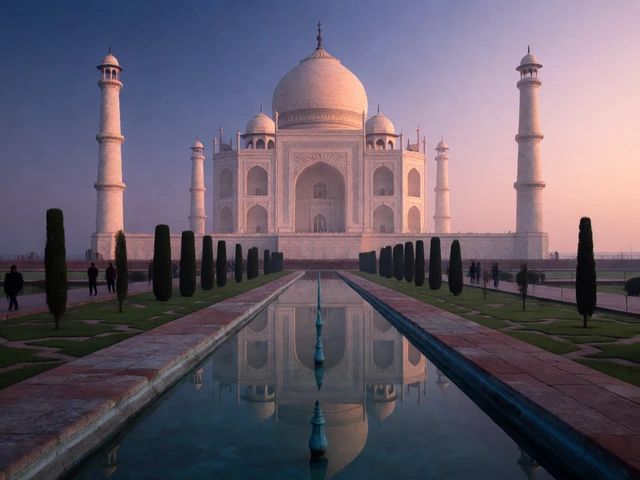
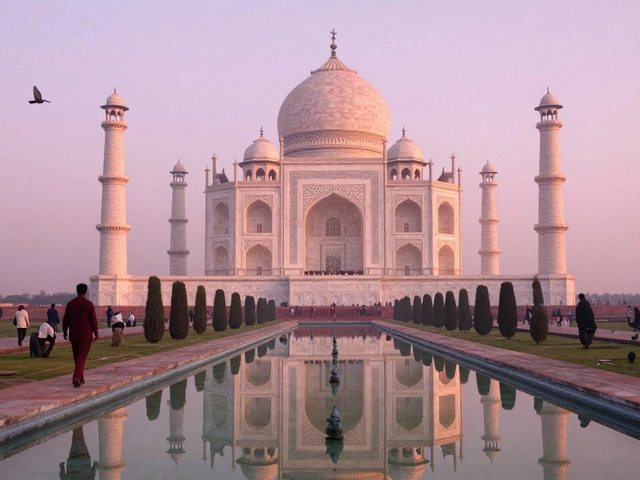
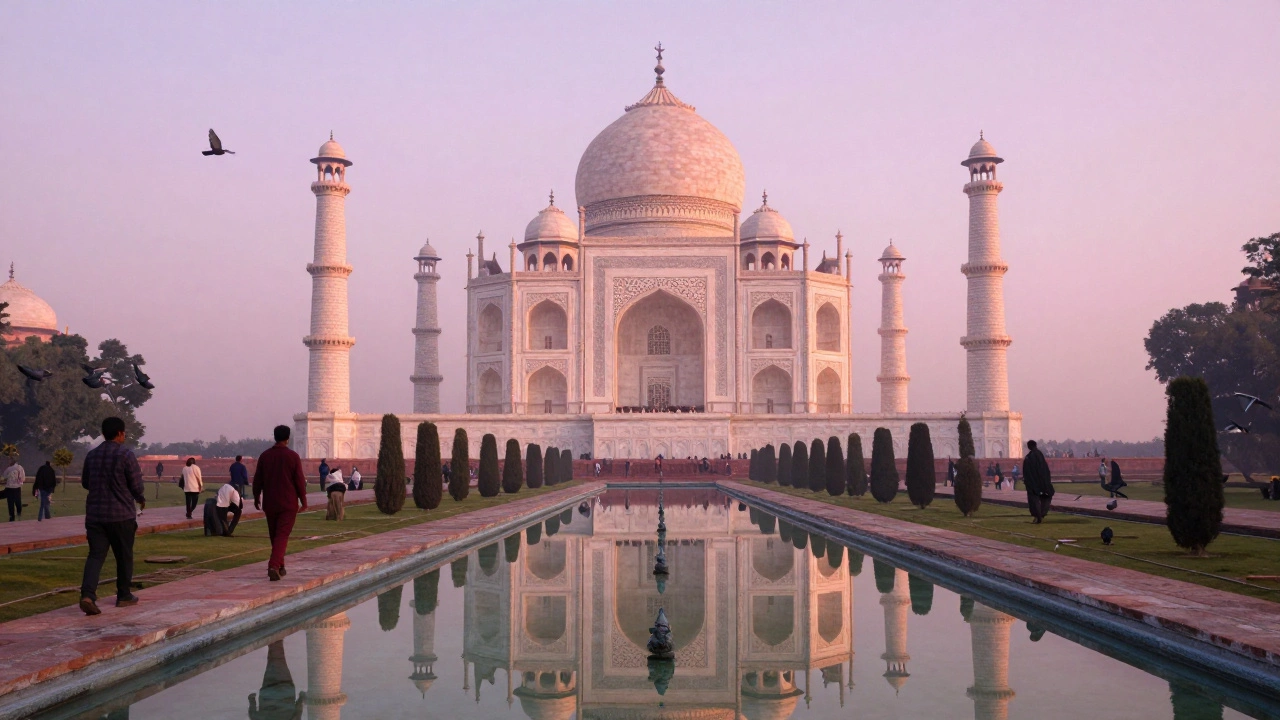
The most visited tourist location in India isn’t a remote mountain trail or a hidden beach. It’s the Taj Mahal in Agra. Every year, over 7 million people walk through its gates - more than the population of entire countries. You don’t need to be a history buff to feel something when you see it. Even if you’ve seen a thousand photos, nothing prepares you for the real thing: white marble glowing under the sun, reflections shimmering in the long pool, silence broken only by distant footsteps and the call of pigeons.
Why the Taj Mahal Draws So Many People
The Taj Mahal isn’t just beautiful - it’s a story carved in stone. Built between 1632 and 1653 by Emperor Shah Jahan, it was a monument to love after the death of his wife Mumtaz Mahal. That emotional core is why people from every corner of the world come here. It’s not just about architecture. It’s about feeling something real - grief turned into something eternal.
Unlike other sites that rely on crowds for their appeal, the Taj Mahal stands alone in its ability to quiet a room. Visitors from Tokyo, Paris, Nairobi, and rural Uttar Pradesh all fall silent at the same moment. There’s no sign saying "Be Quiet." No guard shushing you. It just happens.
It’s also easy to get to. Agra is connected by train, road, and air to Delhi, Jaipur, and other major cities. A day trip from Delhi is common. Many travelers tack it onto a Golden Triangle itinerary - Delhi, Agra, Jaipur - because it’s efficient, unforgettable, and fits neatly into a week-long trip.
What Makes It Different From Other Famous Sites
Compare the Taj Mahal to the Great Wall of China or the Pyramids of Giza. Those are massive, spread out, and hard to fully experience in one visit. The Taj Mahal is contained. You walk in, you see it, you circle it, you sit by the water, you leave. It’s intimate in scale, even though it’s grand in beauty.
It also changes with the light. At sunrise, it turns soft pink. At noon, it’s blinding white. At sunset, it glows gold. On full moon nights, it’s lit naturally - no floodlights - and the marble seems to float. That’s why many locals say the best time to visit is early morning, when the air is cool and the crowds are still asleep.
Other famous Indian sites like the Red Fort or Hawa Mahal are impressive, but they’re parts of larger complexes. The Taj Mahal is the whole story. One building. One purpose. One emotion.
Who Comes Here - And Why
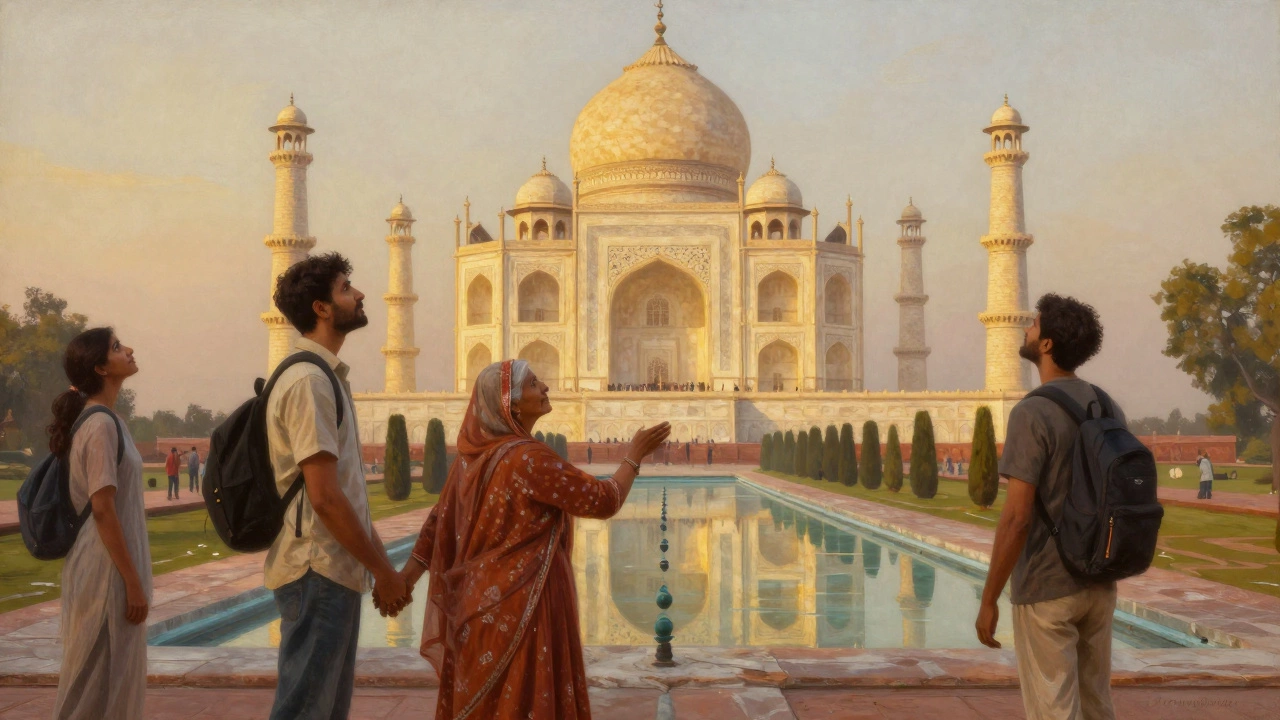
It’s not just foreign tourists. Nearly half the visitors are Indian. Families from Kerala, students from Punjab, retirees from Gujarat - they all come. For many, it’s a bucket-list item passed down through generations. Parents bring their kids to show them what their ancestors built. It’s part of national identity.
Foreign tourists range from backpackers on a 30-day India trip to luxury travelers staying in five-star hotels in Agra. Some come for photography. Others for romance. A surprising number come to propose. The gardens are lined with couples holding hands, quietly taking pictures, or just sitting together, not saying much.
There’s no other site in India where you’ll see so many different people, speaking so many languages, all sharing the same stillness.
The Numbers Don’t Lie
In 2024, the Taj Mahal recorded 7.2 million visitors, according to the Archaeological Survey of India. That’s more than the Louvre in Paris (8.9 million) and more than Machu Picchu (1.5 million). It’s the top single-site attraction in South Asia.
Compare that to other Indian heritage sites:
| Site | Annual Visitors | Location |
|---|---|---|
| Taj Mahal | 7.2 million | Agra, Uttar Pradesh |
| Red Fort | 2.1 million | Delhi |
| Amber Fort | 1.8 million | Jaipur |
| Hawa Mahal | 1.5 million | Jaipur |
| Qutub Minar | 1.2 million | Delhi |
| Golden Temple | 1.1 million | Amritsar |
Even the Golden Temple, a deeply spiritual site that welcomes over 100,000 visitors daily, doesn’t hit the same annual total because it’s open 24/7 and doesn’t charge entry. The Taj Mahal charges tickets, limits daily visitors, and still draws more.
What You Should Know Before You Go
It’s not just about showing up. There are rules. You can’t bring large bags, tripods, or drones. Food and smoking are banned inside. You’ll leave your bag at the free lockers near the entrance. Security is tight, but it’s not scary - it’s just efficient.
Buy your ticket online. The official website lets you pick your entry time. This cuts wait times from two hours to under 20 minutes. If you show up without a ticket, you’ll be in line with hundreds of others.
Go early. The best light is between 6:30 and 8:30 AM. The temperature is cooler. The shadows are long and soft. The marble looks like it’s glowing from within.
Don’t rush. Sit on the grass near the reflecting pool. Watch how the light moves across the dome. Listen to the water. Let the silence sink in. That’s what most people remember - not the photos they took, but the quiet moment they had.
Is It Still Worth It?
Sure, it’s crowded. Sure, there are hawkers selling postcards and chai. But the Taj Mahal doesn’t lose its power because of tourism. It gains it. Every visitor adds to its story. It’s not a museum piece - it’s a living monument.
People come here to remember. To fall in love. To cry. To feel small in the best way. It’s not just the most visited place in India. It’s the most visited because it makes people feel something they can’t explain.
If you’ve ever wondered why India draws millions of travelers - look no further than this one building. It doesn’t shout. It doesn’t need to. It just stands there. And it speaks.
Is the Taj Mahal the most visited site in the world?
No, it’s not the most visited site globally. That title usually goes to the Forbidden City in Beijing or Times Square in New York, both of which see over 10 million visitors annually. But among single-monument heritage sites, the Taj Mahal ranks among the top three, alongside the Colosseum in Rome and the Eiffel Tower in Paris. It’s the most visited in India and South Asia.
Can you visit the Taj Mahal at night?
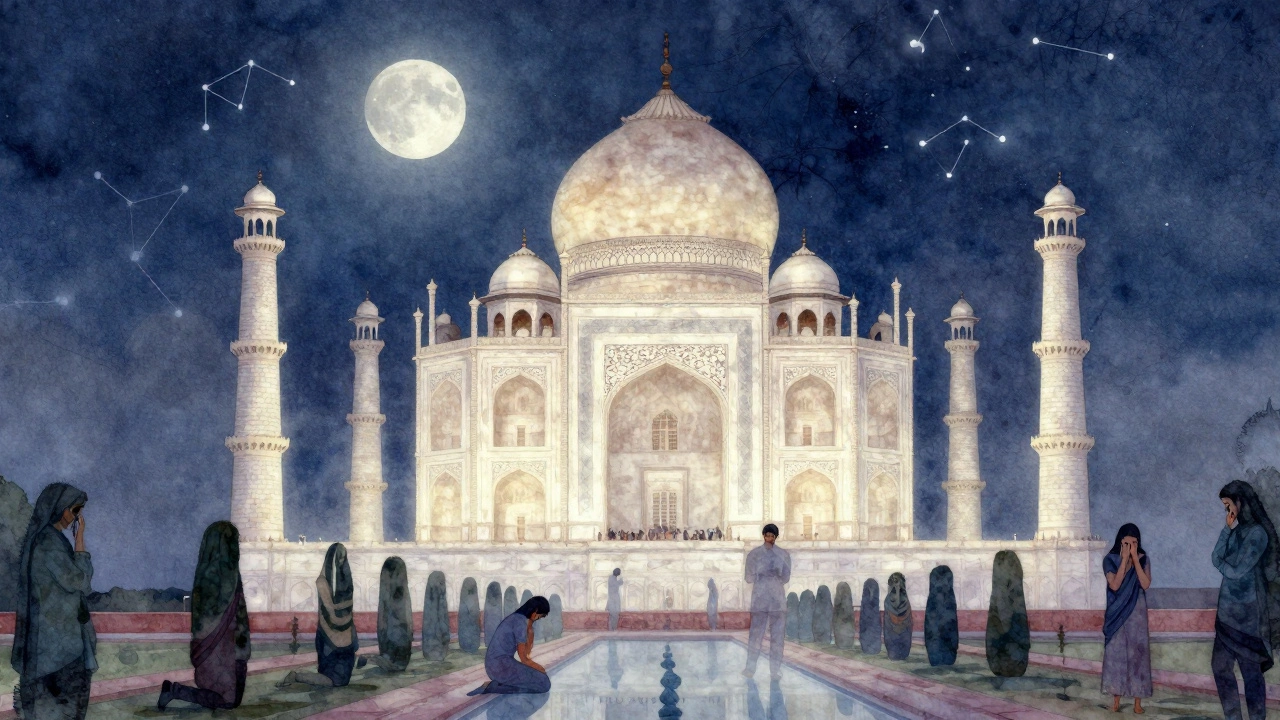
Yes, but only on five nights a month - the full moon night and the two nights before and after. Night visits are limited to 50 people per session and require advance booking. The experience is magical - the marble glows under moonlight, and the silence is deeper than during the day. It’s worth it if you can plan ahead.
How long does it take to see the Taj Mahal?
You can see the main structure in 30 minutes if you’re in a rush. But to truly experience it, plan for two to three hours. Walk around the gardens, sit by the reflecting pool, explore the mosque and guest house on either side, and take your time with the details in the marble inlay work. Most people who rush leave feeling underwhelmed.
Is it better to visit in summer or winter?
Winter - from November to February - is the best time. The weather is cool and dry, making it comfortable to walk around. Summer (April to June) is extremely hot, with temperatures hitting 45°C. Monsoon season (July to September) brings humidity and rain, which can make the marble slippery and the skies overcast. Early morning visits in winter give you the clearest views and the best photos.
Are there other places in India that come close to the Taj Mahal’s popularity?
No other single site in India comes close. The Red Fort and Golden Temple are popular, but they’re part of larger complexes. The Taj Mahal is unique because it’s one building, one story, and one emotional experience. Even the temples of South India or the forts of Rajasthan draw fewer visitors annually. The Taj Mahal’s combination of beauty, history, and accessibility makes it unmatched.