India Safety Score Calculator
Calculate Your India Safety Score
Get a personalized safety score based on your travel destination, gender, and time of day using data from India's National Crime Records Bureau.
Select Your Travel Details
Your Travel Profile
When planning a trip to India, safety is often the top concern. Many travelers wonder whether North or South India is safer. The truth isn't as simple as choosing one region over the other-it depends on where you go, how you travel, and what you're looking for. Let's break down the facts.
Understanding North India safety requires looking beyond generalizations. According to India's National Crime Records Bureau (NCRB) 2025 report, South India recorded 18% fewer violent crimes per capita than North India. But this doesn't mean all South Indian states are safer. Kerala, for instance, had a crime rate of 34.7 per 100,000 people, while Tamil Nadu had 48.2. Meanwhile, in North India, Rajasthan reported 52.3 and Delhi 112.4 per 100,000. These numbers include all crimes-not just those affecting tourists. The key takeaway? Safety varies wildly by location, not just north versus south.
Personal Safety for Women Travelers
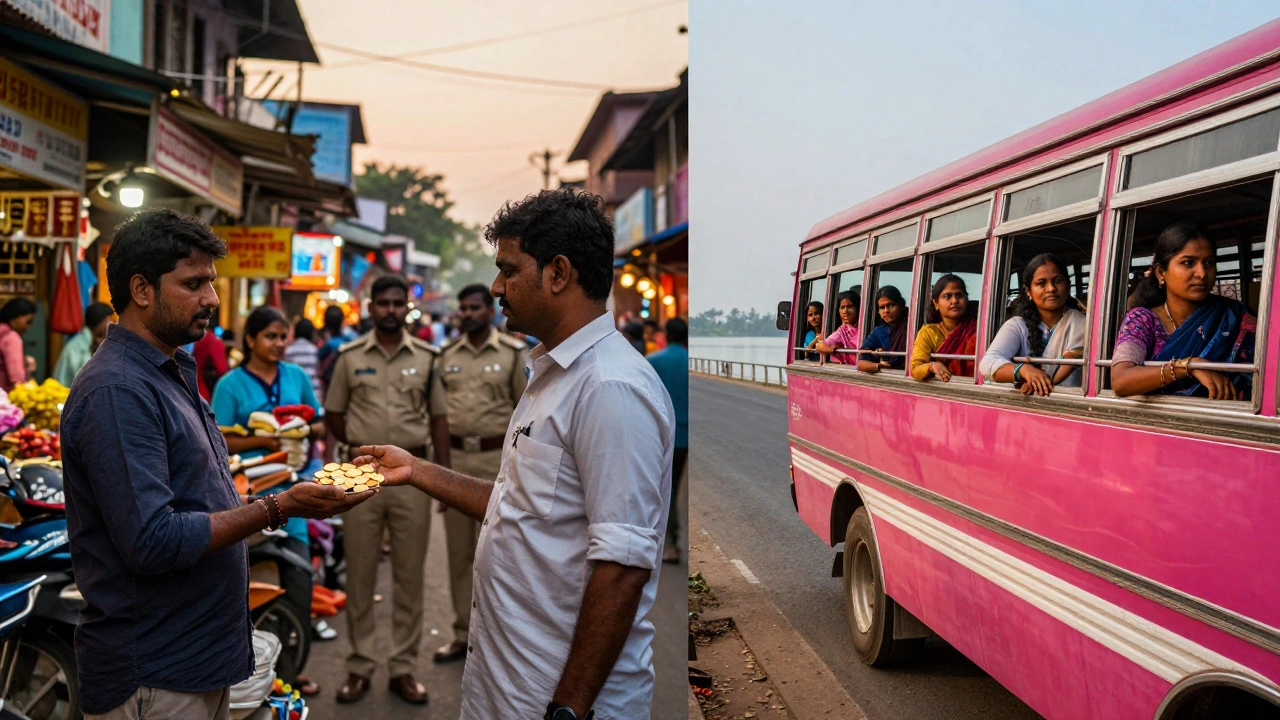
Women travelers often worry about harassment. In South India, states like Kerala and Tamil Nadu have stricter enforcement of anti-harassment laws. Kerala's Pink Buses for women-only transport and 24/7 women's helplines have reduced incidents. In North India, Delhi has implemented similar measures, but crowded areas like Chandni Chowk still pose risks. However, places like Jaipur and Udaipur in Rajasthan are generally safer for women. The difference isn't about gender alone-it's about local policing and cultural norms. In conservative parts of North India, modest clothing reduces unwanted attention, while in South India's more liberal cities, dress codes are less restrictive.
Scams and Theft in Popular Tourist Areas
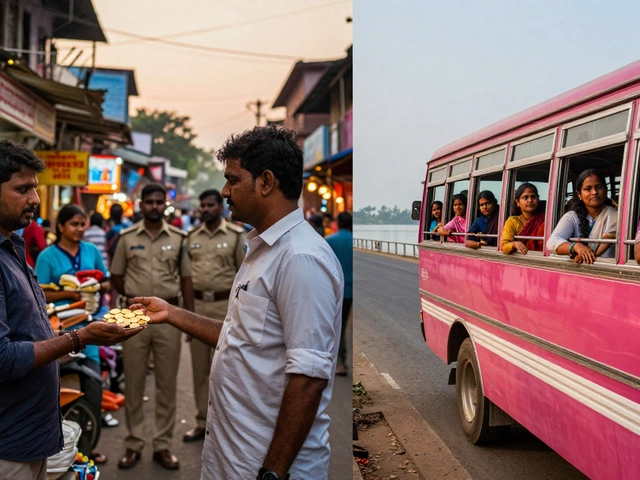
Common scams vary by region. North India sees more street scams-like the "gold coin" trick in Delhi or fake tour guides in Agra. South India has fewer street scams but more tourist-targeted scams in hubs like Goa (fake beach vendors) or Munnar (overpriced spice tours). Pickpocketing is common in crowded markets in both regions, but South Indian markets like Chennai's T. Nagar are more organized with security. For example, in 2025, Delhi's Old Delhi area reported 120 thefts per 1,000 tourists, while Goa's beaches saw 85 incidents. Always keep valuables in hidden pouches and avoid flashing cash.
Traffic Safety and Road Conditions
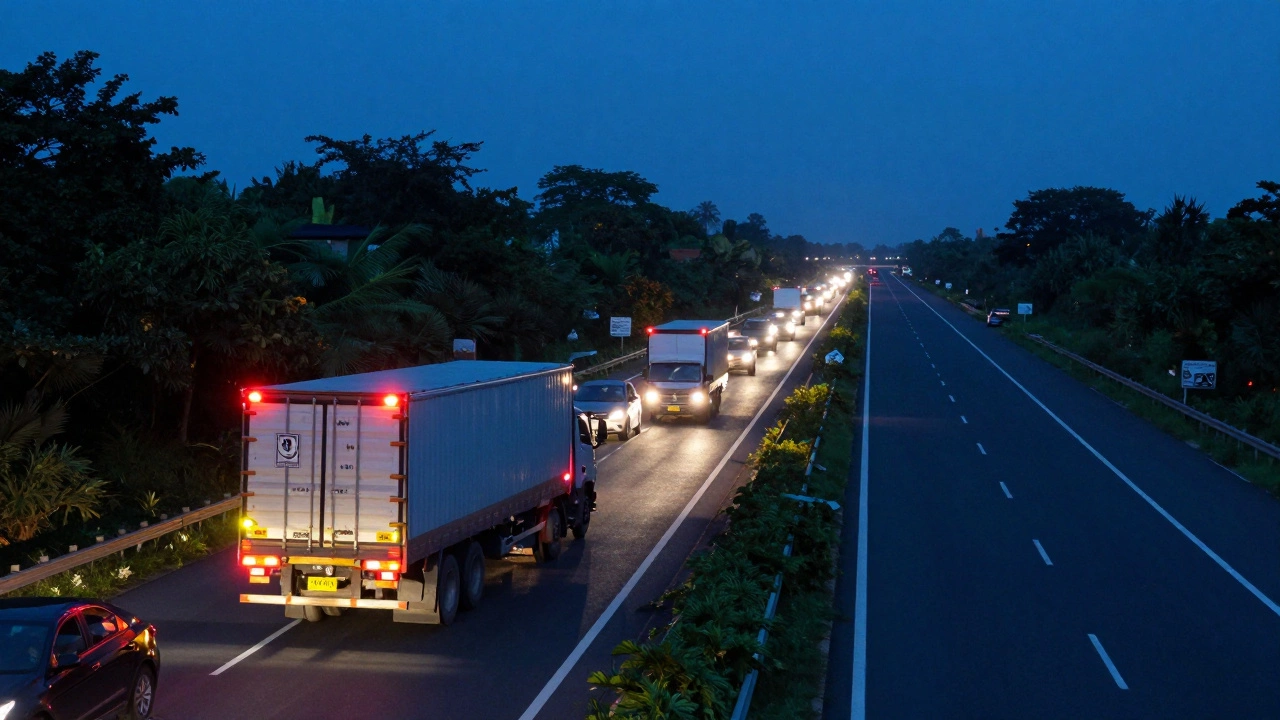
Traffic accidents are a major concern. North India's highways like NH44 (Delhi-Chennai) have higher accident rates due to heavy truck traffic and poor road conditions. South India's highways are better maintained, with Kerala's roads scoring 8.2/10 in road safety ratings (2025 data). However, Bangalore's chaotic traffic causes more accidents than Chennai's. In 2025, North Indian states recorded 1,200 traffic fatalities per 100,000 vehicles, while South Indian states averaged 950. Always use registered taxis with meters, avoid night driving, and never accept rides from strangers.
Health and Food Safety Considerations
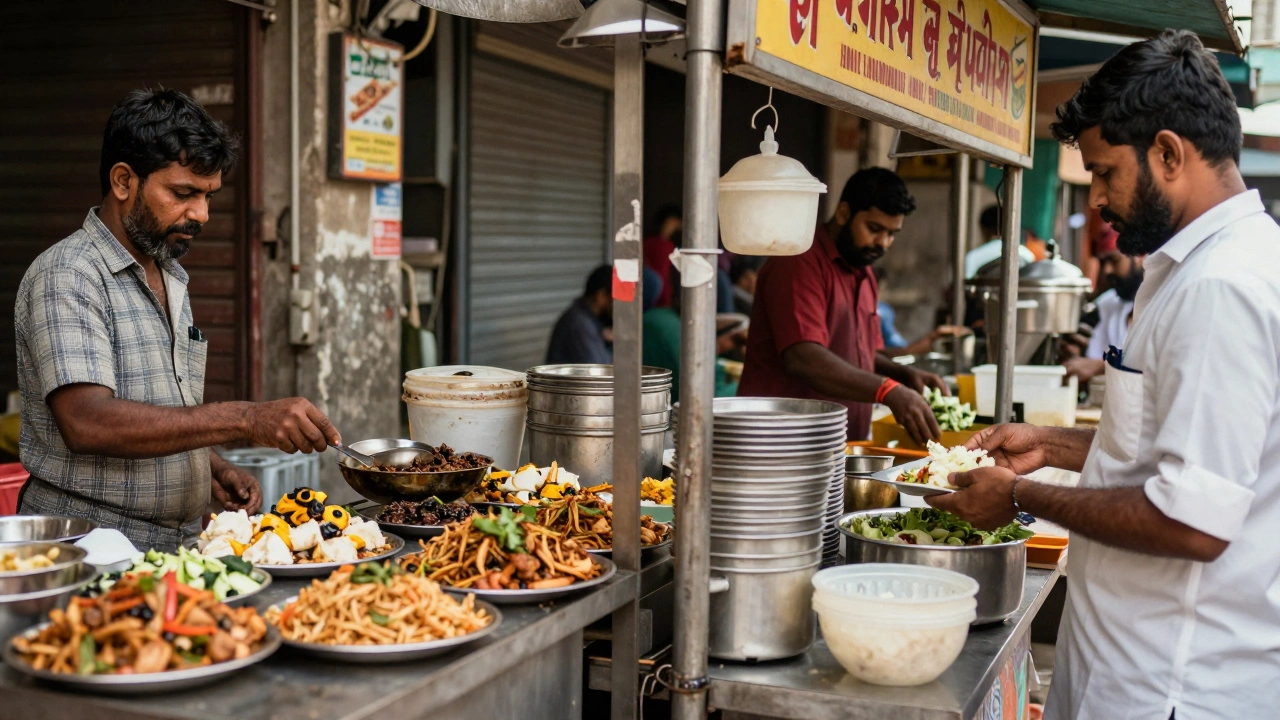
Both regions have similar health risks, but South India has better medical infrastructure. States like Karnataka and Tamil Nadu have top-tier hospitals in Bangalore and Chennai. North India's rural areas may lack facilities, but cities like Jaipur have modern hospitals. Food safety is a bigger issue in North India due to street food culture-Delhi's street food has higher E. coli contamination rates compared to South India's more regulated vendors. In 2025, 32% of Delhi street food stalls failed health inspections, versus 18% in Chennai. Stick to bottled water, avoid raw vegetables in North India, and choose busy food stalls where turnover is high.
Regional Variations Within North and South India
Within North India, Rajasthan and Gujarat are much safer than Delhi or Uttar Pradesh. In South India, Kerala and Tamil Nadu are consistently safer than coastal areas like Goa, which has higher theft rates. For example, Jaipur's crime rate is 28% lower than Delhi's, while Kerala's rural villages have near-zero crime rates. Always check local conditions-some villages in both regions have near-zero crime rates. Avoid isolated areas after dark, especially in border regions like Rajasthan's Thar Desert or Kerala's Western Ghats.
Practical Safety Tips for Travelers
To stay safe anywhere in India: avoid isolated areas at night, keep valuables secure, use registered taxis, and learn basic Hindi/Tamil/Malayalam phrases. Always carry a local SIM card for emergencies. For women, wearing modest clothing reduces unwanted attention in conservative areas. In North India, stick to well-lit streets in cities like Agra and Jaipur. In South India, avoid solo beach walks after sunset in Goa. Register with your embassy, carry photocopies of important documents, and know emergency numbers: 100 for police, 108 for medical help.
Is South India really safer than North India?
Not universally. While South India has lower average crime rates, safety varies by location. Kerala and Tamil Nadu are safer than Goa, while Rajasthan and Gujarat in North India are safer than Delhi. Always research specific cities, not entire regions.
What are the safest cities in North India?
Jaipur, Udaipur, and Ahmedabad consistently rank as the safest North Indian cities. Jaipur reported 22.5 crimes per 100,000 people in 2025, while Udaipur's rate was 18.9. These cities have strong local policing and tourist-friendly infrastructure.
How do I avoid scams in Indian tourist areas?
Never follow strangers to "hidden" attractions or accept unsolicited help with luggage. Use official tourism desks for bookings, verify taxi meters before riding, and avoid "free" tours that ask for donations. In Delhi, ignore gold coin scams; in Goa, refuse "free" beach massages.
Are women safe traveling alone in South India?
Yes, with precautions. Kerala and Tamil Nadu have low harassment rates and strong women's safety initiatives. Avoid isolated areas at night, use women-only transport where available, and dress modestly in conservative towns. Chennai and Coimbatore are particularly safe for solo female travelers.
What health precautions should I take?
Drink only bottled water, avoid raw salads in North India, and get vaccinated for hepatitis A and typhoid. In South India, food hygiene is better regulated, but still avoid street food with questionable preparation. Carry basic medications for diarrhea and insect repellent for malaria-prone areas.