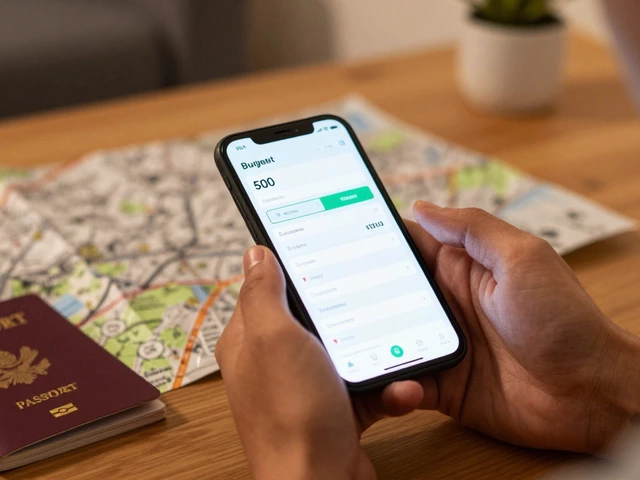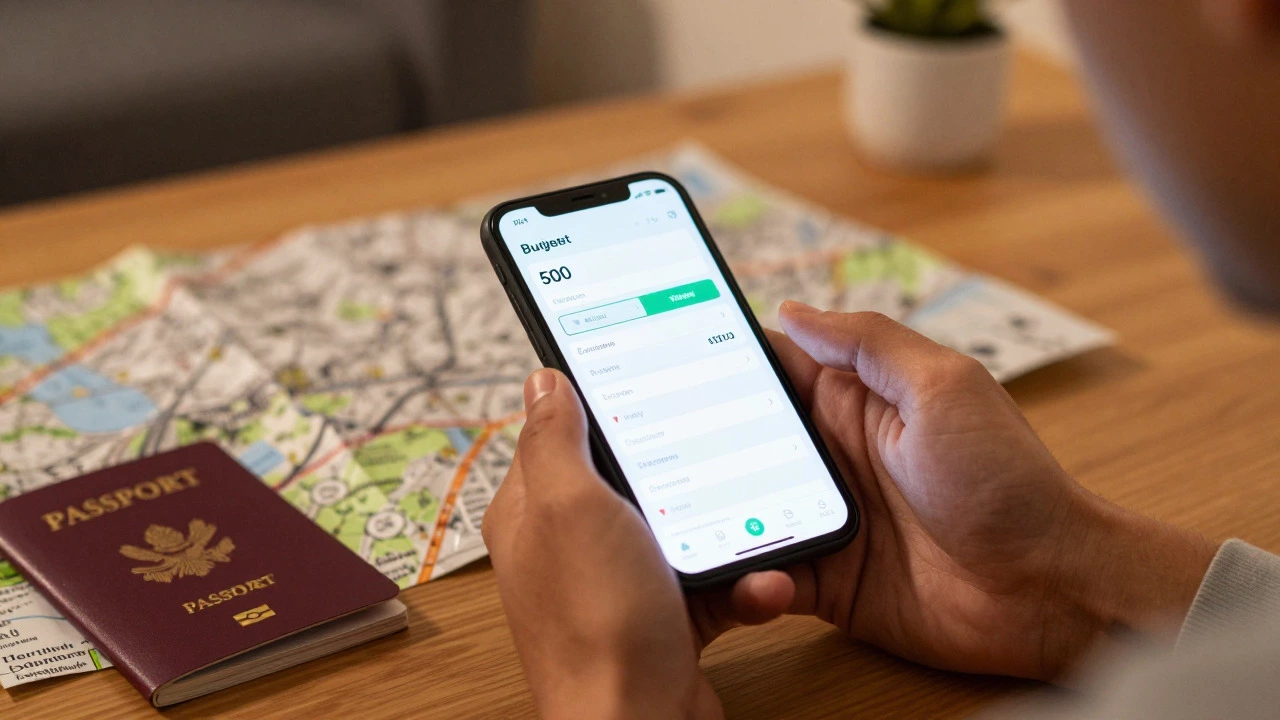
Weekend Trip Budget Planner
$500
Tip: If you are over budget, try reducing Accommodation or Flight costs first.
Picture this: It’s Friday evening. You’ve had a brutal week of meetings, emails, and commuting. The idea of escaping to somewhere new feels less like a luxury and more like a necessity. But then you check your bank account, and the number staring back at you is tight. You have exactly $500 to spend on a two-night escape. Is that enough? Can you actually leave town, see something beautiful, eat well, and come home without financial stress?
The short answer is yes. Absolutely. But it requires strategy. If you fly first-class and book a five-star resort, that money will vanish in forty-eight hours. If you’re willing to trade comfort for experience and plan with precision, $500 can fund a memorable, rejuvenating weekend that leaves you feeling refreshed rather than broke.
Where Does the Money Go? The Core Costs
To make $500 work, you need to understand the anatomy of a weekend trip. Most people underestimate transportation and overestimate food costs. Let’s break down the typical expenses for a standard two-day, one-night or two-night trip.
- Transportation: This is usually the biggest variable. Flights can range from $100 to $400 round-trip depending on how far you go and how early you book. Driving costs fuel, tolls, and potentially parking. Trains are often a sweet spot for mid-range distances.
- Accommodation: For two nights, a budget hotel might cost $80-$120 per night ($160-$240 total). Hostels or budget motels can drop this to $50-$70 per night. Airbnb private rooms offer another middle ground.
- Food & Drink: Eating out every meal adds up fast. Three meals a day at moderate restaurants could cost $60-$90 daily. Cooking some meals or sticking to street food and cafes keeps this under $30-$40 per day.
- Activities & Entertainment: Museums, tours, and attractions charge entry fees. A single guided tour can cost $50+. Free activities like hiking, walking tours, and public parks exist but require research.
- Miscellaneous: Snacks, souvenirs, unexpected transport (like an Uber when the bus stops running), and emergency funds. Always keep a buffer of $50.
If you look at these numbers, you’ll see that a spontaneous flight to a popular city with a nice hotel will blow past $500 instantly. However, a carefully planned road trip or a budget-friendly flight to a lesser-known destination fits perfectly within this limit.
Destination Choices That Fit the Budget
Your choice of destination dictates whether $500 is plenty or painfully insufficient. Here are three types of trips that work well within this budget.
1. The Nearby City Escape
Think about cities within a 3-to-4-hour drive or a short regional flight. Places like Asheville from Charlotte, Santa Fe from Albuquerque, or Burlington from Boston. Because transportation costs are low (maybe $50 in gas or $100 in flights), you have $400 left for everything else. You can stay in a decent boutique hotel, eat at local favorites, and still have cash for a craft beer or a museum ticket.
2. The National Park Adventure
Nature doesn’t charge admission for most trails. While some parks require a vehicle pass (around $35 for a week), the accommodation can be camping ($20-$30 per night) or a nearby budget motel. Food can be simple: breakfast burritos, sandwiches, and picnic dinners. A weekend in places like Great Smoky Mountains, Shenandoah, or Olympic National Park offers incredible scenery without the price tag of urban tourism.
3. The Off-the-Beaten-Path Town
Avoiding major tourist hubs is key. Instead of Paris, consider a smaller French town if you’re already in Europe. In the US, skip New York City and head to Savannah, Georgia, or Asheville, North Carolina. These places have charm, history, and lower average prices for hotels and dining. You’re not paying the "tourist premium" that inflates costs in global capitals.
| Expense Category | Budget Option (Road Trip) | Mid-Range Option (Short Flight) |
|---|---|---|
| Transportation | $60 (Gas + Tolls) | $150 (Round-trip Flight) |
| Accommodation (2 Nights) | $100 (Camping/Motel) | $200 (Budget Hotel) |
| Food & Drink | $80 (Groceries + 2 Meals Out) | $120 (Casual Dining) |
| Activities | $30 (Park Pass + Souvenir) | $50 (Museum + Walking Tour) |
| Buffer/Emergency | $230 Remaining | $-30 Over Budget* |
*Note: The mid-range option exceeds $500 slightly. To fix this, reduce flight costs by booking earlier or choosing a cheaper airline, or cut accommodation costs by staying one night instead of two.

Smart Strategies to Stretch Your Dollars
Planning is where the magic happens. You don’t need to be a travel hacker, but a few smart moves can save you hundreds.
Book Early, Not Last Minute
Contrary to old myths, last-minute deals are rare for weekends. Prices for flights and hotels spike as availability drops. Book your transport and lodging at least 3-4 weeks in advance. Use price alert tools on apps like Google Flights or Hopper to catch dips in fares.
Cut Accommodation Costs Without Sacrificing Safety
You don’t need a fancy hotel. Look for:
- Hostels with Private Rooms: Many modern hostels offer private doubles with en-suite bathrooms at rates comparable to budget motels.
- Vacation Rentals: Sometimes splitting a larger Airbnb with friends or family lowers the per-person cost significantly.
- Loyalty Points: Do you have credit card points or hotel status? Now is the time to use them. Redeeming points for a free night can save you $150+ instantly.
Eat Like a Local, Not a Tourist
Tourist traps near main attractions charge double for half the quality. Walk three blocks away from the main square or beachfront. Look for places where locals eat-often indicated by longer lines, older decor, and menus written only in the local language. Lunch specials are also a great way to get high-quality meals at lower prices. Many restaurants offer discounted set menus between 11 AM and 2 PM.
Focus on Free Activities
The best experiences are often free. Hiking trails, public beaches, historic neighborhoods, and street art walks cost nothing. Research free museum days or events happening during your visit. Many cities offer free walking tours (tip-based) that provide excellent context without an upfront fee.

Pitfalls to Avoid
Even with a good plan, small mistakes can derail your budget. Watch out for these common traps.
The "One More Thing" Syndrome
You’re having fun, so you buy that expensive souvenir, take an Uber instead of walking, and order dessert. These small decisions add up. Set a daily spending limit for discretionary purchases. If you have $500 for the whole trip, that’s roughly $166 per day including all costs. Once you hit that mental mark, stop spending.
Ignoring Hidden Fees
Hotels may charge resort fees, parking fees, or Wi-Fi charges. Rental cars have insurance upsells and fuel refill scams. Always read the fine print before booking. Factor these hidden costs into your initial budget calculation. A $100 hotel room might actually cost $130 after taxes and fees.
Overpacking
If you’re flying, checked bags can cost $30-$60 each way. Pack light. Wear your bulkiest clothes on the plane. Carry-on only saves you money and time. This applies to driving too-less weight means better fuel efficiency, though the savings are marginal.
What If You Have a Travel Companion?
Traveling with a partner or friend changes the math. Some costs split evenly (accommodation, car rental, groceries), while others remain individual (flights, personal activities). Splitting a hotel room or Airbnb can make mid-range options affordable. Two people sharing a $200/night hotel pays $100 each, leaving more room in the budget for food and fun. Just ensure both travelers agree on the budget level to avoid resentment.
Final Thoughts on Making It Work
Is $500 enough for a weekend trip? Yes, if you define success not by luxury, but by experience. It’s about trading excess for authenticity. You’ll likely sleep in a simpler bed, eat at casual spots, and walk more than you drive. But you’ll also disconnect from routine, explore new surroundings, and return home with stories-not debt. The key is intentionality. Plan ahead, choose wisely, and embrace the constraints as part of the adventure.
Can I do a weekend trip for $500 internationally?
It is extremely difficult. International flights alone often exceed $500 unless you find a rare error fare or travel to a very close neighboring country (e.g., US to Canada/Mexico borders). For international travel, you typically need at least $800-$1,000 for a comfortable weekend. Stick to domestic or regional trips for a strict $500 budget.
How much should I spend on accommodation?
Aim to spend no more than 40% of your total budget on lodging. For a $500 trip, that means keeping accommodation costs under $200 for the entire weekend. This leaves $300 for transport, food, and activities, ensuring a balanced experience.
Is it cheaper to drive or fly for a weekend trip?
For distances under 300 miles, driving is usually cheaper due to fuel costs being lower than airfare plus airport transfers. For distances over 500 miles, flying becomes more economical if you book in advance and avoid checked bags. Between 300-500 miles, compare current gas prices and flight deals case-by-case.
What are the best free activities for a weekend getaway?
Hiking in national or state parks, exploring public beaches, visiting free museums (many have donation-based or free days), attending local festivals or street fairs, and taking self-guided walking tours of historic districts. Libraries and community centers often list free local events.
How can I save money on food during my trip?
Eat breakfast at your accommodation or buy groceries for simple meals. Look for lunch specials at restaurants, which are often 30-50% cheaper than dinner menus. Avoid eating near major tourist attractions. Street food and food trucks offer authentic, delicious meals at a fraction of the cost of sit-down restaurants.
Should I book a hotel or an Airbnb?
For solo travelers or couples, budget hotels or motels are often cheaper and more convenient for short stays due to fewer cleaning fees. Airbnbs become cost-effective when traveling with groups or families who can split the cost of a larger unit. Always check for hidden service fees on both platforms.
Is it worth buying travel insurance for a $500 trip?
Generally, no. Travel insurance typically costs 4-10% of your trip cost, which would be $20-$50. For a short, domestic weekend trip, the risk of losing significant money is low. Unless you have non-refundable bookings totaling most of your budget, skip the insurance to maximize your spending power on-site.
What if I overspend on one day?
Adjust your spending on subsequent days. If you spent $100 extra on dinner, cut back on snacks or skip paid attractions the next day. Keep a running tally of your remaining balance. Flexibility is key to staying within budget without ruining your enjoyment.