India Beach Season Checker
Check Your Visit
Result
Select a destination and date to see the season quality
India’s coastline stretches over 7,500 kilometers, offering everything from quiet golden sands in Kerala to wild, wave-swept shores in Odisha. But not all beaches are created equal when it comes to weather, crowds, and comfort. If you’re planning a beach trip to India - whether it’s Goa, Pondicherry, or the Andamans - timing matters more than you think. The wrong season can mean monsoon rains, scorching heat, or packed beaches with no room for a towel.
India’s Beach Seasons Explained
India’s coastal weather follows three clear patterns: winter, summer, and monsoon. Each brings a completely different experience. For most travelers, the sweet spot is between October and March. That’s when humidity drops, skies stay clear, and temperatures hover between 25°C and 30°C. It’s the only time you can actually relax on a beach without sweating through your shorts or dodging sudden downpours.
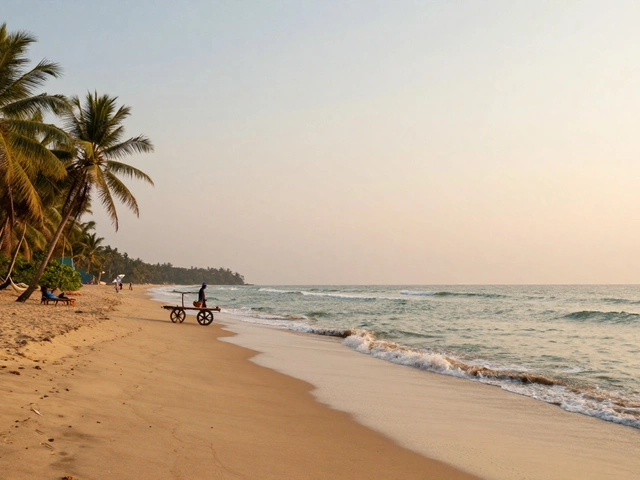
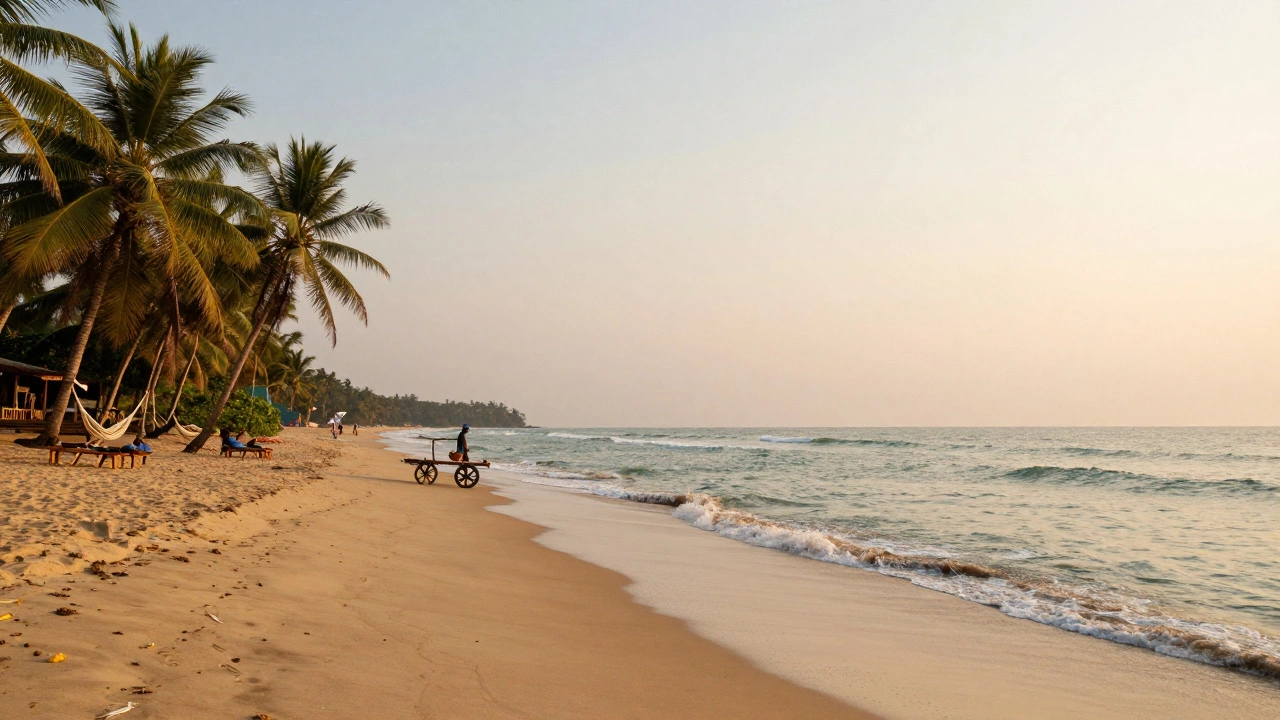
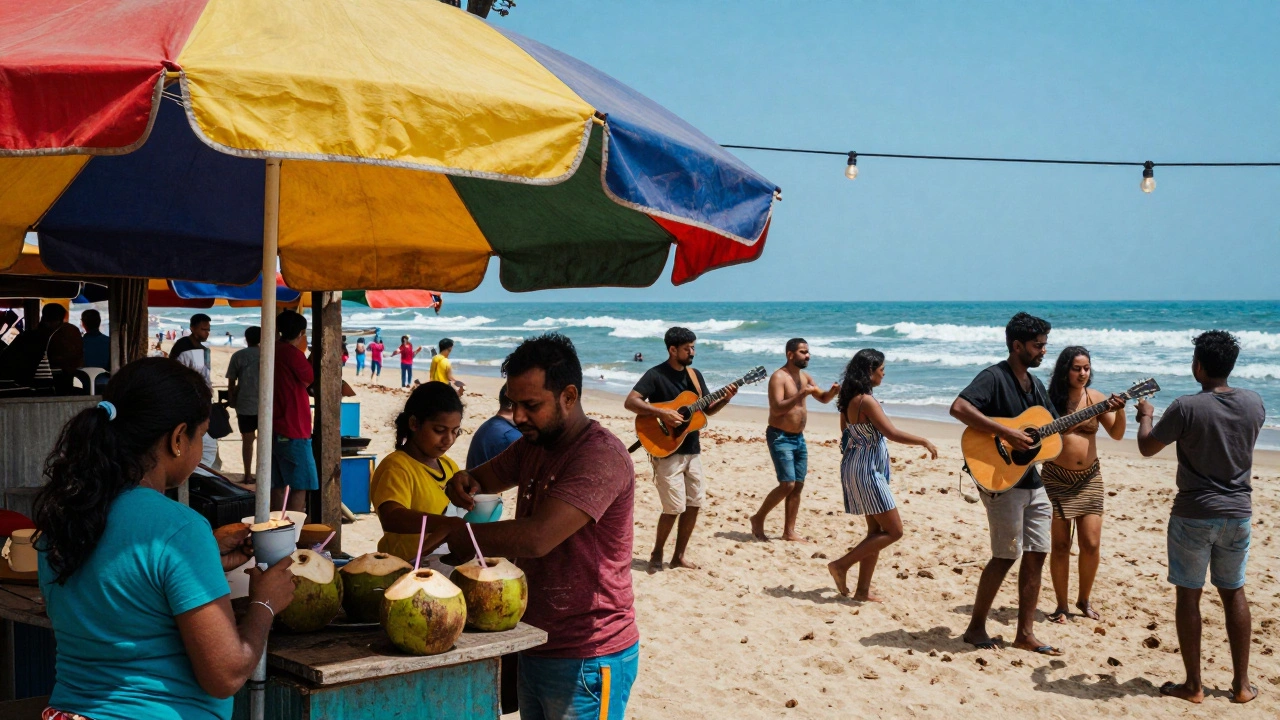
From November to February, the northern beaches like Goa and Daman are at their peak. The air is dry, the sea is calm, and the sun is warm but not punishing. This is when Goa’s beach shacks buzz with music, yoga retreats pop up, and international tourists flood in. If you want to swim, sunbathe, or just sip coconut water under a palm tree, this is your window.
Why Avoid Monsoon Season?
June to September is monsoon season across most of India’s west and south coasts. While some travelers love the lush greenery and fewer crowds, beaches turn into muddy slushes. Heavy rain makes swimming dangerous - rip currents, sudden waves, and poor visibility make even experienced swimmers cautious. In Goa, many beach shacks close. In Kerala, the backwaters swell and boat tours get canceled. The Andaman Islands shut down scuba diving and snorkeling due to rough seas.
There’s one exception: Netrani Island near Karwar in Karnataka. It’s one of the few places where monsoon brings clearer water and better visibility for diving. But even there, access is limited and logistics are tricky. For 95% of beachgoers, monsoon is a no-go.
Summer Heat: Not Worth the Risk
April to June is when India’s beaches turn into ovens. Temperatures regularly hit 35°C to 40°C, with humidity so thick it feels like breathing soup. The sea gets warm, but not inviting - it’s more like swimming in a hot bath. In Mumbai, Chennai, and Visakhapatnam, the sand gets so hot you can’t walk barefoot. Air conditioning in hotels helps, but the beach itself? Forget it.
There’s also the issue of jellyfish. In late spring, box jellyfish and Portuguese man-of-war drift closer to shore, especially along the Karnataka and Kerala coasts. Stings aren’t usually deadly, but they’re painful enough to ruin a vacation. You’ll find warning signs posted on beaches, and lifeguards won’t let you swim.
Best Beaches by Region - When to Go
- Goa: October to March. Peak crowds in December and January. Book accommodation early.
- Kerala (Kovalam, Varkala): November to February. The beaches here are quieter than Goa’s and perfect for Ayurvedic retreats.
- Pondicherry: October to March. French colonial charm meets calm Bay of Bengal waves. Avoid April-June heat.
- Andaman & Nicobar Islands: November to mid-May. Water visibility peaks in January-March. Snorkeling and diving are best then. Monsoon (June-September) shuts down all water activities.
- Odisha (Puri, Gopalpur): October to February. Fewer tourists, clean sands, and spiritual vibes. Summer is brutal here - temperatures can hit 42°C.
- Lakshadweep: October to May. These islands are only accessible by boat, and weather dictates schedules. Avoid monsoon - ferries cancel frequently.
What About Shoulder Seasons?
October and April are the gray zones. October is the tail end of monsoon, but by late October, most coastal areas are dry again. It’s a great time to snag deals - hotels slash prices by 30-50% to fill rooms. You’ll find fewer tourists, and the ocean is still warm from summer. It’s the best-kept secret for budget travelers.
April is trickier. The heat is building, but if you’re okay with higher temps and can handle midday shade, you might find empty beaches and low prices. Just don’t plan on swimming before 4 p.m. or after 10 a.m. Early mornings and late evenings are your only window.
What to Pack for Beach Season in India
- Light, breathable cotton clothes - no synthetic fabrics
- High SPF reef-safe sunscreen (Indian sun is brutal, even on cloudy days)
- Waterproof phone case - sudden showers happen even in dry season
- Flip-flops with good grip - wet sand and rocky shores are slippery
- Rechargeable fan or cooling towel - especially useful for April-May
- Small first-aid kit with antiseptic and hydrocortisone cream (for jellyfish stings or sunburn)
And don’t forget a hat. Not just for style - in places like Goa, the sun reflects off the sand and water, doubling your exposure. A wide-brimmed hat cuts UV exposure by 70%.
Real-World Tip: Avoid December 20-January 10
If you’re not a fan of crowds, skip the peak of the holiday rush. December 20 to January 10 is when European tourists, Indian families, and influencers all converge on Goa. Prices triple. Beach clubs charge double for a single cocktail. Parking is impossible. You’ll spend more time in traffic than on sand.
Instead, aim for late January or February. The weather is just as good, the crowds thin out, and you’ll still get great deals. I’ve seen travelers pay ₹2,500 per night for a beachfront villa in February - the same place cost ₹8,000 in December.
Final Verdict
The best time to travel to India’s beaches is November to March. It’s the only period that balances good weather, safe swimming, and decent prices. If you want solitude, go in November or late February. If you want energy and events, go in December. But don’t go in May, June, or July - unless you’re into heatstroke and muddy beaches.
Remember: India’s beaches aren’t just about sun and sand. They’re about rhythm - the rhythm of the seasons. Go with the flow, and you’ll find the perfect stretch of coast waiting for you.
Can I visit India’s beaches in July?
Not really. July is deep in monsoon season across most of India’s coast. Heavy rain, strong waves, and closed facilities make beach visits impractical. In Goa and Kerala, many resorts shut down. In the Andamans, all water sports are canceled. You’ll get soaked, not sunburned.
Is it safe to swim in the ocean in Goa during peak season?
Yes - but only on designated beaches with lifeguards. North Goa beaches like Baga and Calangute have marked swimming zones and trained staff. Avoid swimming near river mouths or during sunset, when currents get unpredictable. Always check local flags: red means no swimming, green means safe.
Which Indian beach is least crowded?
Kerala’s Marari Beach and Odisha’s Gopalpur Beach are among the quietest. Both have soft sand, calm waters, and few international tourists. Marari even has private cottage rentals with no noise restrictions. If you want solitude, skip Goa entirely and head south.
Are there any beaches open year-round in India?
Technically yes, but practically no. Beaches like Kovalam and Pondicherry stay open, but services shrink drastically in monsoon. Snorkeling, jet skis, and beach shacks close. If you’re looking for consistent amenities, stick to November-March. Outside that window, you’re on your own.
What’s the cheapest time to visit India’s beaches?
Late October and late February are the cheapest. Hotels drop prices by 40-60% to fill rooms after the peak season. You’ll find last-minute deals on flights too. Just be prepared for occasional rain in October - but it usually passes quickly. February is dry, cool, and packed with value.