Goa Travel Season Calculator
Find Your Perfect Goa Season
Answer a few questions to determine the best time for your Goa trip based on weather, crowds, and activities.
Your Perfect Goa Season
Recommended Season
Based on your preferences
What to Expect
- Weather:
- Crowds:
- Budget:
Must-Do Activities
Goa isn’t just a beach destination-it’s a full sensory experience. The sound of waves crashing at Baga, the smell of fresh seafood sizzling on grills, the rhythm of fado music drifting from a seaside bar. But if you show up at the wrong time, you could end up soaked in monsoon rain, stuck in traffic with 10,000 other tourists, or staring at empty beaches because everything’s shut down. So when is the best time to go to Goa? It depends on what you’re looking for: sunbathing, partying, quiet relaxation, or cultural immersion.
October to March: The Peak Season (Perfect for Beaches and Parties)
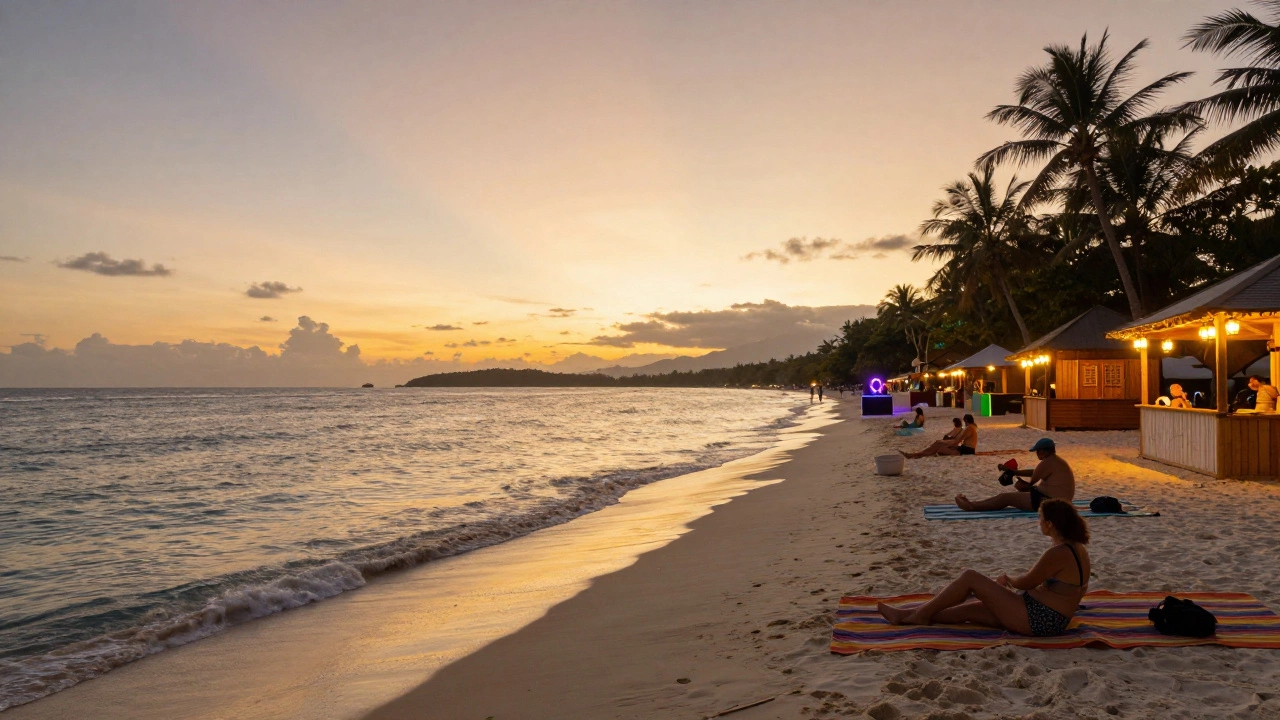
This is when Goa truly comes alive. From late October through March, the weather is dry, sunny, and warm-perfect for lounging on Palolem’s white sands or surfing at Arambol. Daytime temperatures hover between 28°C and 32°C, with humidity dropping to comfortable levels. The sea is calm, clear, and inviting, making water sports like jet skiing, parasailing, and snorkeling safe and fun.
December and January are the busiest months. International tourists flood in, especially from Europe and Russia. The beach shacks are open, DJs are spinning at Anjuna’s flea market, and full-moon parties happen weekly. If you want to experience Goa’s legendary nightlife and vibrant energy, this is your window.
But here’s the catch: prices jump. A basic beachside room that costs ₹2,500 in November might hit ₹8,000 in December. Book at least 6-8 weeks ahead if you’re planning a trip during Christmas or New Year’s. And yes, you’ll wait in line for coffee at a popular café. But if you don’t mind the crowds and want the full experience, this is the time to go.
April to June: The Hot Season (For Budget Travelers and Heat Lovers)
If you think 35°C sounds unbearable, you’re not wrong-but it’s also when Goa becomes one of India’s most affordable beach escapes. Hotel rates drop by up to 60%. Many luxury resorts offer half-price deals to keep staff employed and maintain operations. The beaches are nearly empty. You’ll have Palolem all to yourself at sunrise.
The downside? It’s scorching. Humidity climbs above 80%, and the sun is brutal between 11 a.m. and 4 p.m. You’ll need sunscreen with SPF 50+, a wide-brimmed hat, and a lot of water. Some beach shacks close, and water sports shut down because the sea gets too rough. But if you’re okay with staying indoors during the day and hitting the beach early morning or late evening, you can enjoy Goa like a local.
Also, April is when the annual Goa Carnival kicks off. While the main festivities happen in February, some pre-Carnival events and music gigs start in April. It’s a quieter, more authentic taste of Goan culture without the international crowds.
July to September: The Monsoon Season (Surfers and Nature Lovers Only)
Goa turns green. Rain falls hard and often-sometimes for 12 hours straight. Roads flood. Some coastal roads close. Beaches turn muddy. But if you’re a surfer, this is paradise. The west coast gets consistent 2-3 meter swells, drawing surfers from as far as Australia and Brazil. Arambol and Cavelossim become unofficial surf schools.
Hotels offer steep discounts-sometimes as low as ₹1,200 per night. You’ll have the whole beach to yourself. Waterfalls like Dudhsagar come alive, and the backwaters are lush and quiet. Many locals say this is when Goa feels most real-no tourists, just rain, spice farms, and fishermen mending nets.
But it’s not for everyone. If you’re planning a romantic getaway or want to swim in the ocean, skip this season. Ferries to islands like Chorao shut down. Many restaurants close. And yes, you’ll need waterproof shoes and a good umbrella. But if you love solitude, nature, and the raw beauty of a stormy coastline, July to September is magical.

What About Festivals? Timing Your Trip Around Events
Goa doesn’t just have weather seasons-it has cultural seasons too. Plan around these if you want to experience the soul of the place.
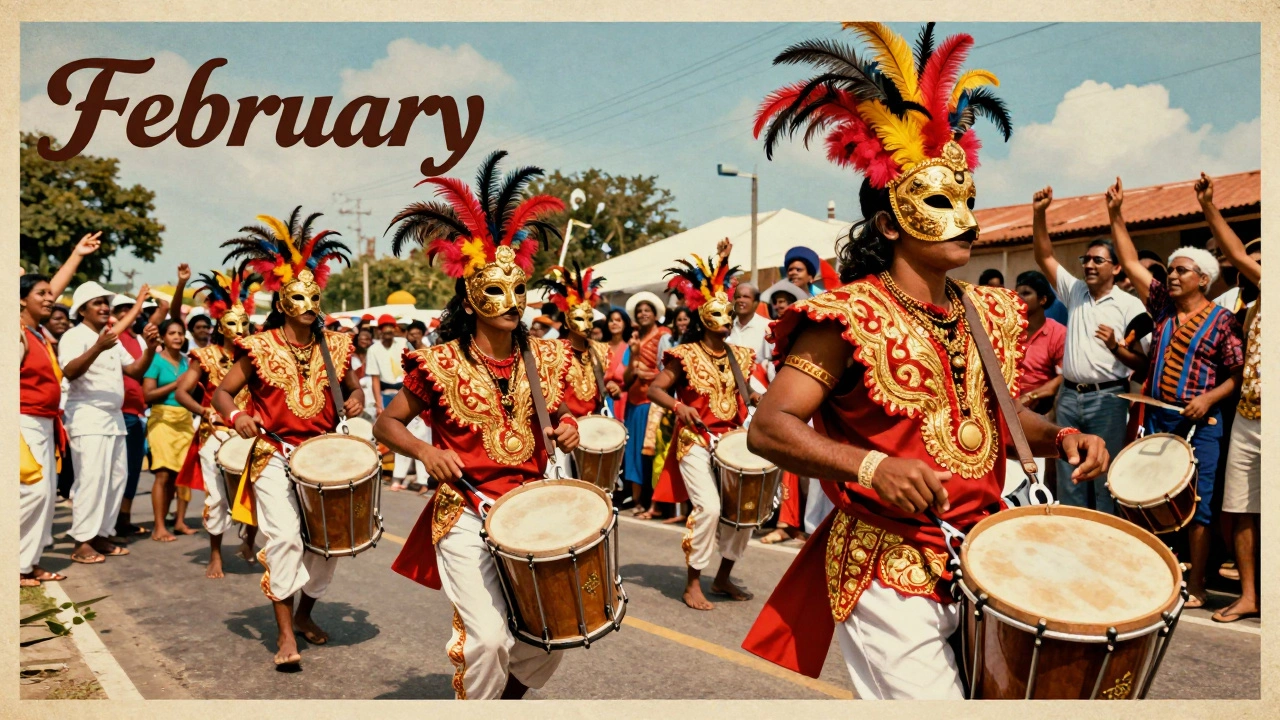
- Goa Carnival (February) - A three-day street party with parades, music, dancing, and masked balls. Think Rio meets Lisbon. Book early-this is the second busiest time of year.
- Shigmo Festival (March) - A traditional spring festival with folk dances, drumming, and colorful floats. Mostly celebrated in rural villages, it’s less touristy than Carnival.
- Feast of St. Francis Xavier (December 3) - A major religious event in Old Goa. Thousands gather at the Basilica of Bom Jesus to see the saint’s preserved body. Even non-religious visitors find it moving.
- Christmas and New Year’s (December 24-January 1) - Goa becomes a global party hub. Beaches turn into dance floors. If you want fireworks, live bands, and a midnight swim, this is your time.
These events can make your trip unforgettable-or turn it into a logistical nightmare. If you’re chasing culture, aim for February or March. If you’re chasing parties, December is your only real option.
Who Should Go When?
Not everyone wants the same Goa. Here’s a quick guide to match your vibe with the right season.
| Traveler Type | Best Time | Why |
|---|---|---|
| Beach Loungers | November-March | Sunny days, calm sea, all amenities open |
| Party Seekers | December-January | Full-moon parties, clubs, festivals, international crowd |
| Budget Travelers | April-June | Low prices, fewer people, still warm |
| Surfers | July-September | Big waves, empty beaches, cheap stays |
| Culture Enthusiasts | February-March | Shigmo, Carnival, religious festivals |
| Photographers | October-November or February-March | Golden light, clear skies, vibrant colors |
What to Pack, No Matter When You Go
Goa doesn’t need much-but it does need the right things.
- Light cotton clothes - Breathable fabrics are a must. Avoid jeans.
- Waterproof sandals - You’ll walk through puddles, wet sand, and muddy paths.
- High-SPF sunscreen - The UV index here is extreme, even on cloudy days.
- Reusable water bottle - Tap water isn’t safe. Bottled water is cheap, but plastic waste is a real problem.
- Light rain jacket or poncho - Even in dry season, sudden showers happen.
- Power bank - Many beach shacks don’t have outlets, and your phone dies fast from photos and maps.
And leave the heels and formal wear at home. Goa is barefoot. Locals wear flip-flops to church. You’ll fit right in.
Final Tip: Avoid the Trap of ‘Ideal Weather’
Most travel blogs say ‘November to March is perfect.’ And they’re right-for Instagram photos. But if you want to feel what Goa really is, try going in May. Walk the quiet lanes of Fontainhas in Panjim. Watch fishermen haul in their catch at dawn. Eat a fresh coconut from a street vendor who doesn’t speak English. Sit under a banyan tree and listen to the rain.
There’s no single ‘best’ time to go to Goa. There’s only the right time for you. Want sun and parties? Go in December. Want peace and savings? Go in April. Want wild nature and solitude? Go in August. The beach doesn’t care when you show up. But you’ll remember how you felt when you did.
Is it safe to visit Goa during monsoon season?
Yes, it’s safe-but different. Roads can flood, and some tourist spots close. But locals are used to it, and hotels stay open with backup plans. Avoid coastal drives during heavy rain. Stick to main roads, and check weather alerts daily. Many travelers say monsoon is the safest time-fewer scams, no crowds, and a slower pace.
Can you swim in the sea in Goa during monsoon?
Not recommended. Strong undercurrents and high waves make swimming dangerous. Lifeguards aren’t always on duty, and many beaches post warning signs. Surfing is fine with experienced guides, but casual swimming isn’t safe. Wait until October when the sea calms down.
What’s the cheapest month to visit Goa?
June is typically the cheapest. After the peak season ends and before the monsoon peaks, hotels drop prices to fill rooms. Flights from major Indian cities and nearby countries also get cheaper. You’ll find deals on villa rentals for under ₹2,000 per night. Just be ready for heat and occasional rain.
Are all beaches open year-round in Goa?
Most are, but access varies. Beaches like Calangute and Baga stay open with vendors and shacks all year. Remote beaches like Butterfly or Agonda may have limited services during monsoon. Some beaches close temporarily after heavy rains due to erosion or safety concerns. Always check locally before heading out.
Should I book hotels in advance for Goa?
Yes-if you’re going between December and January. Book at least two months ahead. For April to June or July to September, you can often find rooms on the same day. But if you want a specific place-like a beachfront villa or a heritage hotel-book early even in low season. Popular spots fill up fast, even when it’s quiet.
Next Steps: How to Plan Your Goa Trip
Start by deciding what kind of Goa you want. Then pick your month. Once you’ve chosen, book flights first-Goa’s airport (Dabolim) fills up fast during peak season. Then lock in accommodation. After that, plan one or two key experiences: a full-moon party, a spice plantation tour, or a day trip to Old Goa’s churches. Leave the rest open. Some of the best moments in Goa happen when you wander off the map.
Goa doesn’t need you to plan everything. It just needs you to show up-with an open mind and a pair of sandals.