India Tipping Calculator
Restaurant Dining
10-15% of BillHotel Services
Fixed AmountsTransport & Guides
VariableTotal Estimated Tips
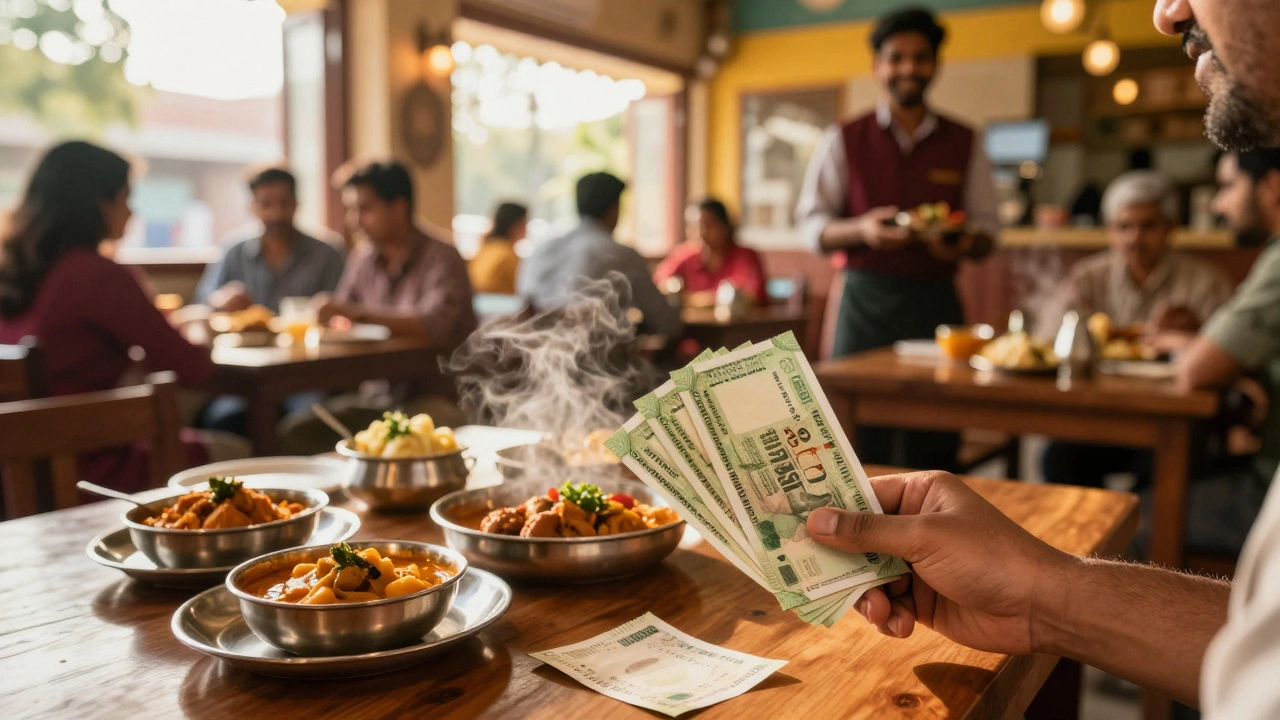
Cash recommended for all categoriesYou walk into a bustling restaurant in Mumbai. The service was friendly, the food was hot, and you left feeling satisfied. Then comes the bill. You look at your credit card machine or the waiter holding a pen. Do you leave extra cash? If so, how much? This question trips up almost every traveler visiting India. Unlike countries with strict tipping cultures like the United States, where not leaving 20% is considered rude, or nations like Japan where tipping can be offensive, Indian tipping culture sits somewhere in the middle. It’s less about obligation and more about appreciation.
If you’re planning a trip to India in 2026, understanding this nuance will save you from awkward moments and help you support local workers fairly. Let’s break down exactly when, where, and how much to tip so you can navigate these interactions with confidence.
The Golden Rule: Tipping Is Optional, Not Mandatory
The first thing you need to know is that there is no legal requirement to tip in India. Service charges are often included in bills at high-end establishments, but they rarely go directly to the staff who served you. Instead, they usually go to the house (the management). Therefore, leaving a small cash tip is the best way to ensure your gratuity reaches the person who helped you.
Think of tipping in India as a gesture of goodwill rather than a wage supplement. While many service workers rely on tips to make ends meet, the social expectation isn’t as rigid as in Western countries. If you receive mediocre service, you aren’t obligated to tip. If the service was exceptional, a tip is a nice way to say thank you.
Where Should You Tip?
Tipping expectations vary significantly depending on the setting. Here is a breakdown by category:
- Restaurants: In casual eateries and street food stalls, tipping is generally not expected. If you sit down at a mid-range or upscale restaurant, a tip of 10-15% of the bill is appropriate if a service charge isn’t already included. Always check the bill first. If it says "Service Charge Included," you don’t need to add anything unless you want to reward exceptional service.
- Hotels: Hotel staff work hard, and small tips are appreciated. For porters carrying your luggage, ₹50-₹100 per bag is standard. For housekeeping, leaving ₹50-₹100 per day in an envelope or clearly marked as a tip is a good practice. Concierges who help with difficult bookings might appreciate ₹200-₹500, though this is optional.
- Taxis and Auto-Rickshaws: Drivers do not expect tips. However, rounding up the fare is common courtesy. If your ride costs ₹85, paying ₹100 is perfectly fine. If you use app-based cabs like Ola or Uber, you can skip tipping entirely or add a small amount via the app if the driver was particularly helpful.
- Guides: Tour guides spend long hours explaining history and culture. A tip of ₹500-₹1000 per day for a private guide is reasonable, depending on the quality of the tour and the group size.
Cash Is King: Why You Need Small Notes
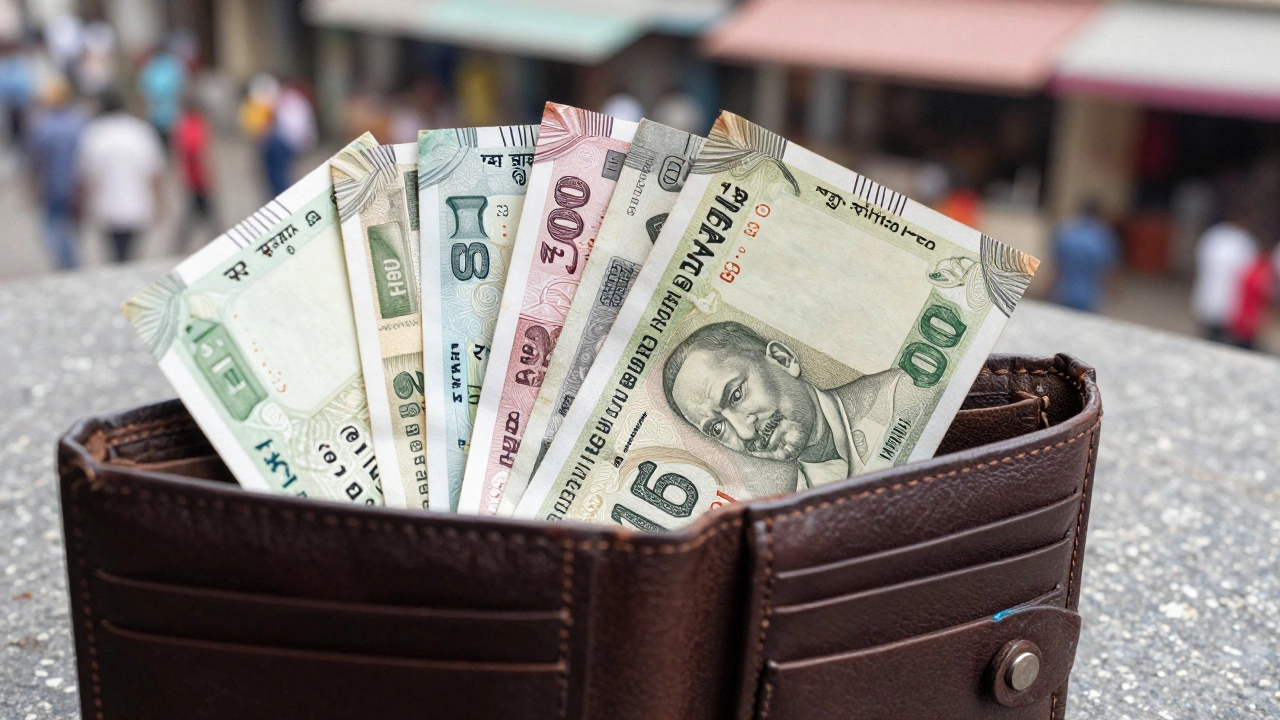
This cannot be stressed enough: carry small denomination notes. Credit cards are widely accepted in cities like Delhi, Bangalore, and Mumbai, but tipping is almost exclusively a cash transaction. Most service staff prefer cash because they can access it immediately without fees or delays.
Keep a stash of ₹10, ₹20, ₹50, and ₹100 notes in your wallet. When you finish a meal and the total is ₹450, handing over ₹500 and saying "keep the change" is smooth and efficient. Trying to tip ₹50 using a credit card machine can be awkward and sometimes technically difficult depending on the terminal.
Regional Differences and Cultural Nuances
India is vast, and customs can shift between regions. In metropolitan areas like Mumbai or Chennai, people are accustomed to international tourists, and tipping norms align closely with global standards. In smaller towns or rural areas, hospitality is often given freely without any expectation of payment beyond the stated price. Over-tipping in these contexts might even cause confusion or embarrassment.
Also, remember that bargaining is part of the shopping experience in markets, but it is separate from tipping. You bargain for the price of goods; you tip for services rendered. Mixing the two can lead to misunderstandings.
Common Mistakes to Avoid
To ensure your generosity is received well, avoid these common pitfalls:
- Using worn-out or torn notes: Try to give crisp, clean currency. Old, dirty notes can be seen as disrespectful.
- Tipping too little: While ₹10 is a valid note, giving it as a tip for a full-service dinner might seem stingy. Aim for at least ₹50 or ₹100 for significant services.
- Expecting a receipt for your tip: Tips are informal. Do not ask for documentation.
- Tipping government employees: Never tip police officers, ticket inspectors, or other civil servants. This can be misconstrued as bribery.

Quick Reference Table
| Service Type | Tip Amount / Percentage | Notes |
|---|---|---|
| Restaurant Waiter | 10-15% of bill | Only if service charge is not included |
| Hotel Porter | ₹50 - ₹100 per bag | Cash only |
| Housekeeping | ₹50 - ₹100 per day | Leave daily or at checkout |
| Auto-Rickshaw Driver | Round up to nearest ₹10 | Optional |
| Tour Guide | ₹500 - ₹1000 per day | Depends on group size and effort |
| Street Food Vendor | ₹0 - ₹10Not expected |
Frequently Asked Questions
Is tipping mandatory in India?
No, tipping is not mandatory in India. It is considered a voluntary gesture of appreciation for good service. However, it is customary and expected in tourist-heavy areas and upscale establishments.
Should I tip if service charge is included?
If a 5-10% service charge is included in your bill, you are not required to tip further. However, since this charge often goes to the management, leaving an additional small cash tip (e.g., ₹100) ensures the staff receives direct compensation.
Can I tip using a credit card?
Yes, you can add a tip to your credit card payment at restaurants, but cash is preferred by most service workers. Carrying small denominations of Indian Rupees is the most practical approach.
How much should I tip a hotel porter?
A tip of ₹50 to ₹100 per suitcase is standard for hotel porters who assist with loading and unloading your luggage.
Do I need to tip auto-rickshaw drivers?
Tipping auto-rickshaw drivers is not expected. However, rounding up the fare to the nearest convenient number (e.g., paying ₹90 instead of ₹85) is a kind gesture and helps with change.
What is the best way to hand over a tip?
Hand over the tip discreetly and politely. Using your right hand or both hands is culturally respectful. Avoid thrusting money aggressively or making a show of it.
Is it rude to not tip in India?
It is not considered rude to not tip, especially if the service was poor or if you are eating at a budget establishment. However, consistent non-tipping in high-end tourism contexts may be noticed by staff who rely on gratuities.
Should I tip tour guides?
Yes, tipping tour guides is highly recommended if you enjoyed their knowledge and effort. A range of ₹500 to ₹1000 per day is appropriate for private guides.