Find Your Perfect North Indian Destination
Not sure where to go? Answer these questions to discover the destination that matches your travel style.
There is no single answer to "which is India's most beautiful place." The country is too vast, too varied, and too visually loud to be pinned down by one location. One moment you are staring at snow-capped peaks in the Himalayas; the next, you are wading through turquoise backwaters in Kerala. But if we narrow our focus to the dramatic, high-altitude drama that defines North India tourism, a few contenders rise above the rest. They offer not just pretty pictures, but experiences that stick with you long after you’ve left.
The High-Altitude Drama of Leh-Ladakh
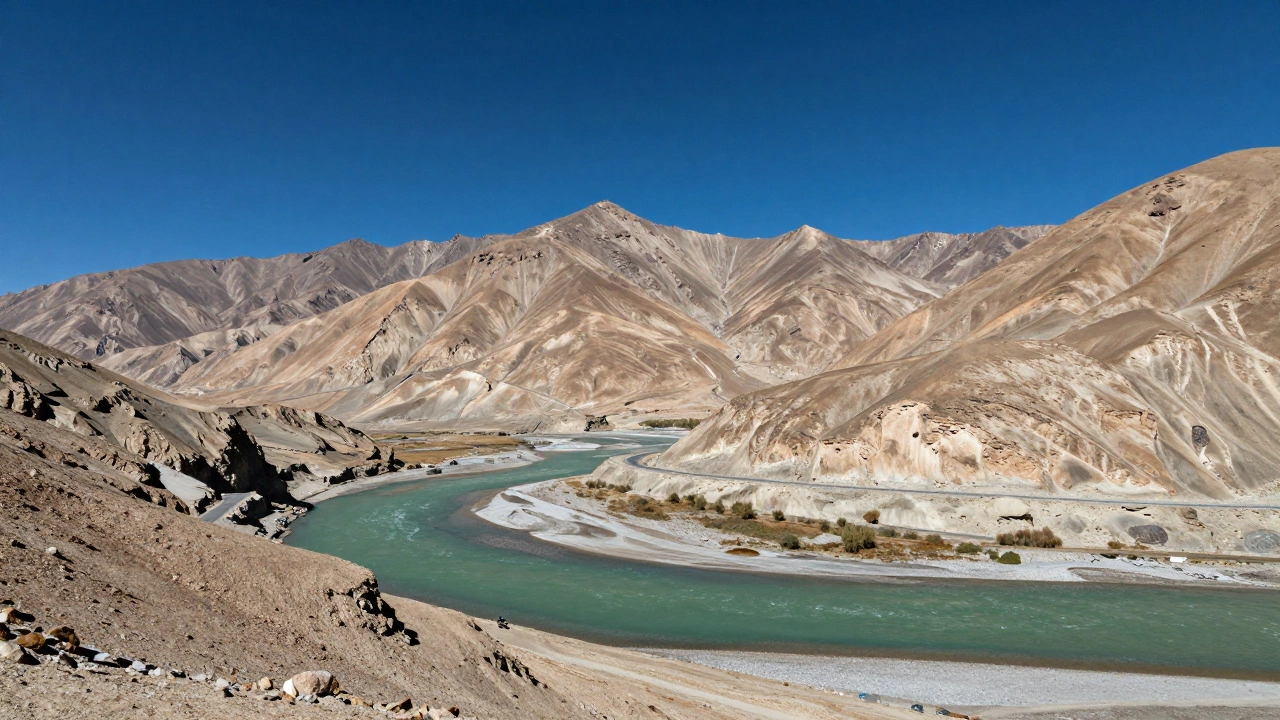
If beauty means raw, alien, and breathtaking, then Leh-Ladakh is a high-altitude desert region in the Indian Himalayas known for its stark, moon-like landscapes and vibrant monasteries takes the crown. It feels less like Earth and more like Mars. The roads here are engineering marvels, winding through passes that sit higher than many mountain peaks elsewhere in the world.
The visual contrast is what gets people. You have deep blue skies-often cloudless because of the altitude-set against barren, brown mountains and emerald green rivers. The Indus River cuts through the landscape like a vein of life. In summer, when the wildflowers bloom in the valleys, the color palette shifts from monochrome to technicolor.
| Feature | Detail |
|---|---|
| Best Time to Visit | May to September (roads open) |
| Average Altitude | 3,500 meters (11,480 feet) |
| Key Attraction | Pangong Lake, Nubra Valley |
| Vibe | Rugged, Adventure-focused |
You don’t go to Ladakh for relaxation. You go for the thrill. Riding a motorcycle along the Khardung La pass, often cited as the highest motorable road in the world, gives you a sense of freedom that is hard to replicate. The monasteries, painted in red and white, cling to cliffsides, offering a spiritual counterpoint to the harsh terrain. It is beautiful, yes, but it is also demanding. Your body will feel the thin air, and your eyes will never stop adjusting to the scale of it all.
The Spiritual Serenity of Rishikesh
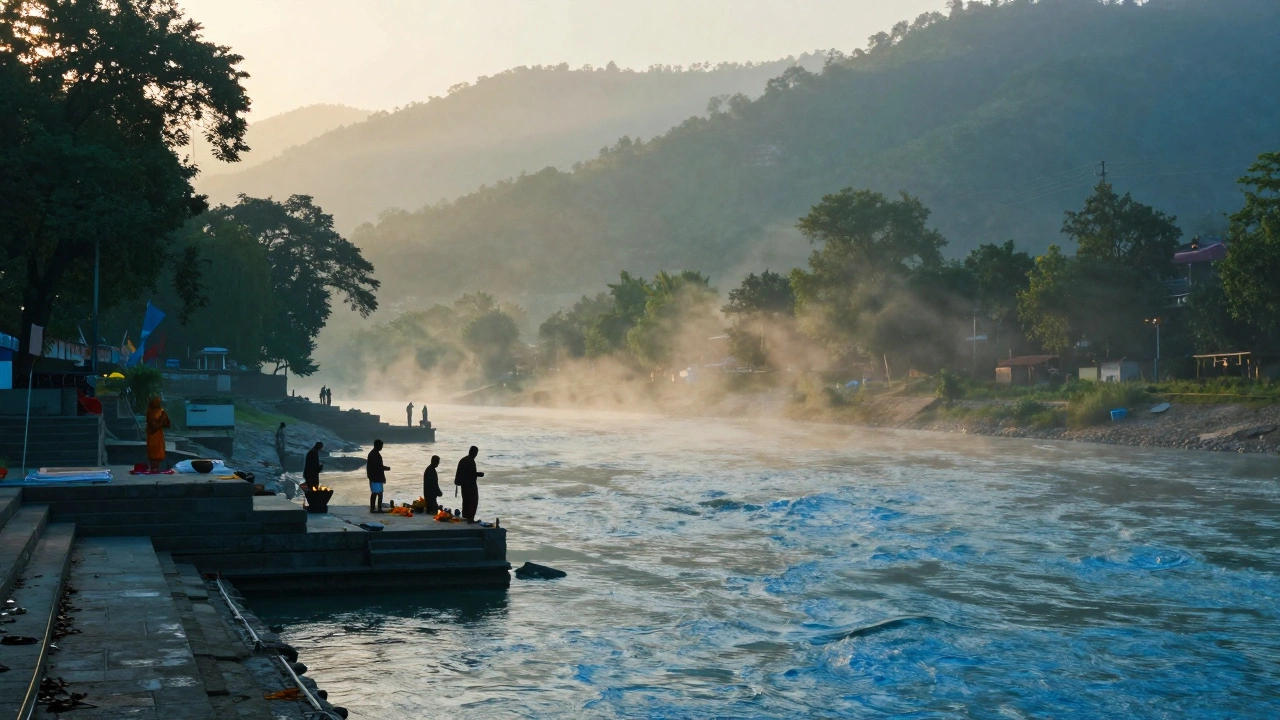
While Ladakh offers external grandeur, Rishikesh is a town in Uttarakhand known as the Yoga Capital of the World, situated on the banks of the Ganges river offers internal peace wrapped in lush greenery. Nestled in the foothills of the Himalayas, Rishikesh is where the mighty Ganges enters the plains. The water here is sacred, powerful, and surprisingly cold even in summer.
The beauty of Rishikesh is softer. It’s in the mist rising off the river at dawn during the Ganga Aarti ceremony. It’s in the dense forests of the Neelkanth Mahadev Wildlife Sanctuary, home to elephants and leopards. The town itself is a mix of ashrams, cafes, and adventure hubs. You can spend your morning meditating on the ghats and your afternoon white-water rafting downstream. This duality makes it unique. It’s not just a scenic spot; it’s a lifestyle destination.
For those seeking a quieter corner, the nearby village of Tapovan offers stunning views of the confluence of the Alaknanda and Bhagirathi rivers, which form the Ganges. The architecture here is simple, stone-built, and blends seamlessly with the surroundings. Unlike the commercial buzz of larger cities, Rishikesh retains a certain rustic charm that feels authentic rather than curated for tourists.
The Royal Elegance of Jaipur
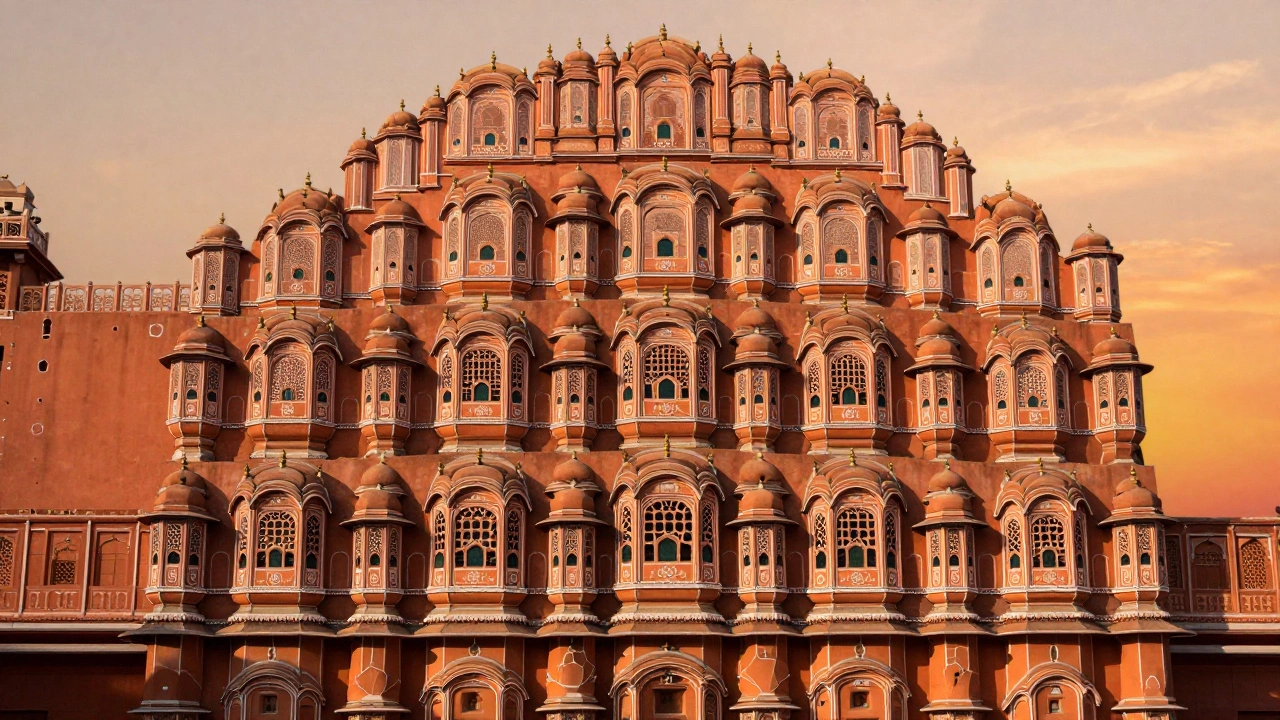
Beauty isn’t always natural. Sometimes, it is crafted by human hands over centuries. Jaipur is the capital city of Rajasthan, known as the Pink City for its distinctive terracotta-colored buildings and rich royal heritage stands as a testament to architectural brilliance. Founded in 1727 by Maharaja Sawai Jai Singh II, the city was planned with geometric precision, a rarity for its time.
The color pink dominates the skyline, giving the city a warm, inviting glow, especially during sunset. The Hawa Mahal, or Palace of Winds, looks like a honeycomb made of sandstone, designed so royal women could observe street festivals without being seen. It’s intricate, delicate, and utterly iconic. Nearby, the Amber Fort sits atop a hill, blending Mughal and Rajput styles. Elephants still carry visitors up the path, adding a touch of living history to the experience.
But Jaipur’s beauty extends beyond its forts. The City Palace complex houses museums filled with artifacts, textiles, and jewelry that reflect the opulence of the past. The Jantar Mantar, an astronomical observatory built in the 18th century, showcases giant stone instruments that were used to predict weather and track celestial bodies. It’s a reminder that this region was once a center of scientific innovation, not just royal display.
The Alpine Charm of Shimla and Manali
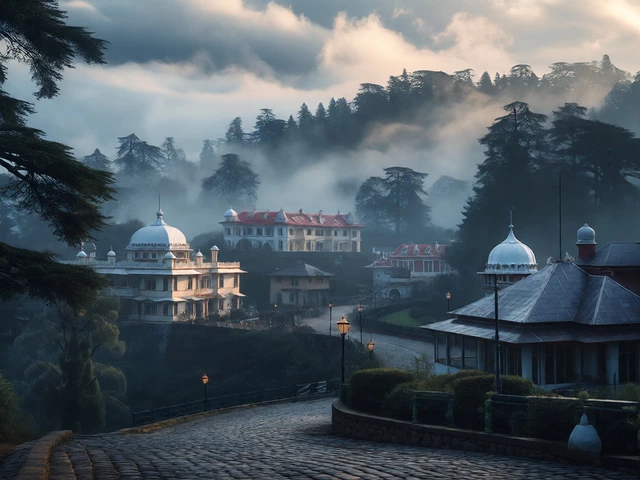
If you prefer pine trees, colonial bungalows, and snow-capped peaks within reach, then Himachal Pradesh is your playground. Shimla is the former summer capital of British India, located in the Himalayan hills of Himachal Pradesh offers a nostalgic glimpse into the past. The Mall Road, lined with Victorian-era shops and cafes, is perfect for a leisurely stroll. The Ridge provides panoramic views of the surrounding mountains, especially clear in the winter months.
A short distance away, Manali is a popular hill station and gateway to the Himalayas, known for its adventure sports and scenic valleys ramps up the adventure quotient. The Solang Valley is a hub for paragliding, skiing, and zorbing. In winter, the slopes turn white, attracting skiers from across the country. In summer, the meadows burst with wildflowers, and the air smells of pine and damp earth.
Both towns serve as gateways to deeper explorations. From Shimla, you can take the historic Kalka-Shimla Railway, a UNESCO World Heritage Site, which winds through 103 tunnels and over 864 bridges. From Manali, you can trek towards Rohtang Pass or venture into the Spiti Valley, another remote and rugged region that rivals Ladakh in stark beauty. These destinations cater to different tastes: Shimla for those who like history and comfort, Manali for those who seek adrenaline and nature.
Why "Most Beautiful" Depends on You
Choosing the most beautiful place in North India depends entirely on what kind of beauty resonates with you. Do you want the isolation of high deserts? Go to Ladakh. Do you want spiritual calm and river rituals? Choose Rishikesh. Are you drawn to history and architecture? Jaipur is unmatched. Do you miss snow and pine forests? Head to Himachal Pradesh.
Each of these places offers a distinct sensory experience. Ladakh challenges your physical limits while rewarding you with vistas that look otherworldly. Rishikesh slows you down, forcing you to breathe and listen to the flow of the Ganges. Jaipur immerses you in culture, art, and the legacy of kings. Shimla and Manali provide a retreat from the heat and chaos of the plains, offering cool breezes and mountain air.
When planning your trip, consider the season. Ladakh is inaccessible in winter due to heavy snow blocking the passes. Rishikesh is pleasant year-round but best visited in spring or autumn. Jaipur can be scorching in summer, so winter is ideal. Himachal Pradesh transforms dramatically between seasons, offering skiing in winter and trekking in summer. Timing your visit correctly enhances the beauty you see.
Is Leh-Ladakh safe for solo female travelers?
Yes, Leh-Ladakh is generally considered safe for solo female travelers. The local community is welcoming, and crime rates are low. However, due to the remote nature and high altitude, it is advisable to travel in groups for activities like biking or trekking. Always inform someone of your itinerary and stay hydrated to avoid altitude sickness.
What is the best time to visit Rishikesh?
The best time to visit Rishikesh is from October to March. During these months, the weather is cool and pleasant, making it ideal for yoga retreats and sightseeing. Summer (April-June) can be hot, while monsoon (July-September) brings heavy rains that may disrupt rafting and trekking activities.
How many days do I need to explore Jaipur?
A minimum of three days is recommended to explore Jaipur comfortably. This allows you to visit the Amber Fort, City Palace, Hawa Mahal, and Jantar Mantar without rushing. If you are interested in shopping for textiles or jewelry, add an extra day to browse the local markets like Johari Bazaar.
Can I visit Shimla and Manali in the same trip?
Yes, it is possible to visit both Shimla and Manali in one trip, though they are quite far apart. The drive takes approximately 12-14 hours via the NH5 highway. Many travelers choose to fly into Chandigarh, drive to Shimla, and then continue to Manali, or vice versa. Allocating at least 7-10 days ensures you enjoy both destinations without fatigue.
Do I need special permits to visit Ladakh?
Indian citizens do not need special permits to visit Leh-Ladakh. However, foreign nationals require an Inner Line Permit (ILP) to enter certain areas like Pangong Lake and Tso Moriri. These permits can be obtained online or through registered travel agents in Leh. It is essential to carry valid identification documents at all times.