Goa isn’t just another beach destination. It’s the place where sunburnt backpackers, luxury seekers, spiritual seekers, and foodies all end up for the same reason: it feels like nowhere else on Earth. If you’ve ever wondered why millions of tourists show up here every year, it’s not just about the sand and the sea. It’s about the rhythm of life here - slow, loud, sweet, and strangely free.
The Beaches Aren’t Just Pretty - They’re Different
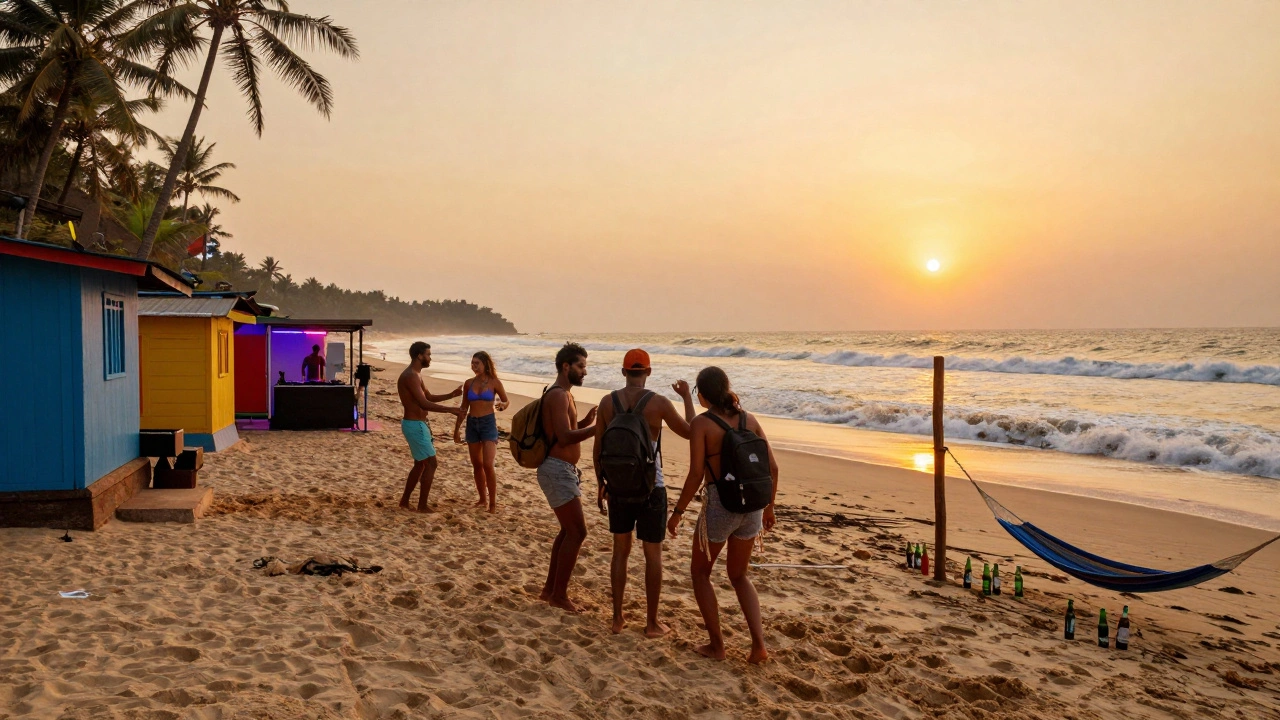
Yes, Goa has over 40 beaches. But not all of them are the same. North Goa’s Baga and Calangute buzz with water sports, shacks serving cold Kingfisher, and DJs spinning until dawn. South Goa’s Palolem and Agonda? Quiet. Just waves, hammocks strung between palms, and the smell of coconut oil and grilled fish. You can swim with turtles at Morjim, surf at Vagator, or just lie still on a quiet stretch of Anjuna and watch the sky turn orange. The beaches aren’t postcard props - they’re living spaces where people live, work, and unwind.
The Food Makes You Forget You Ever Ate Elsewhere
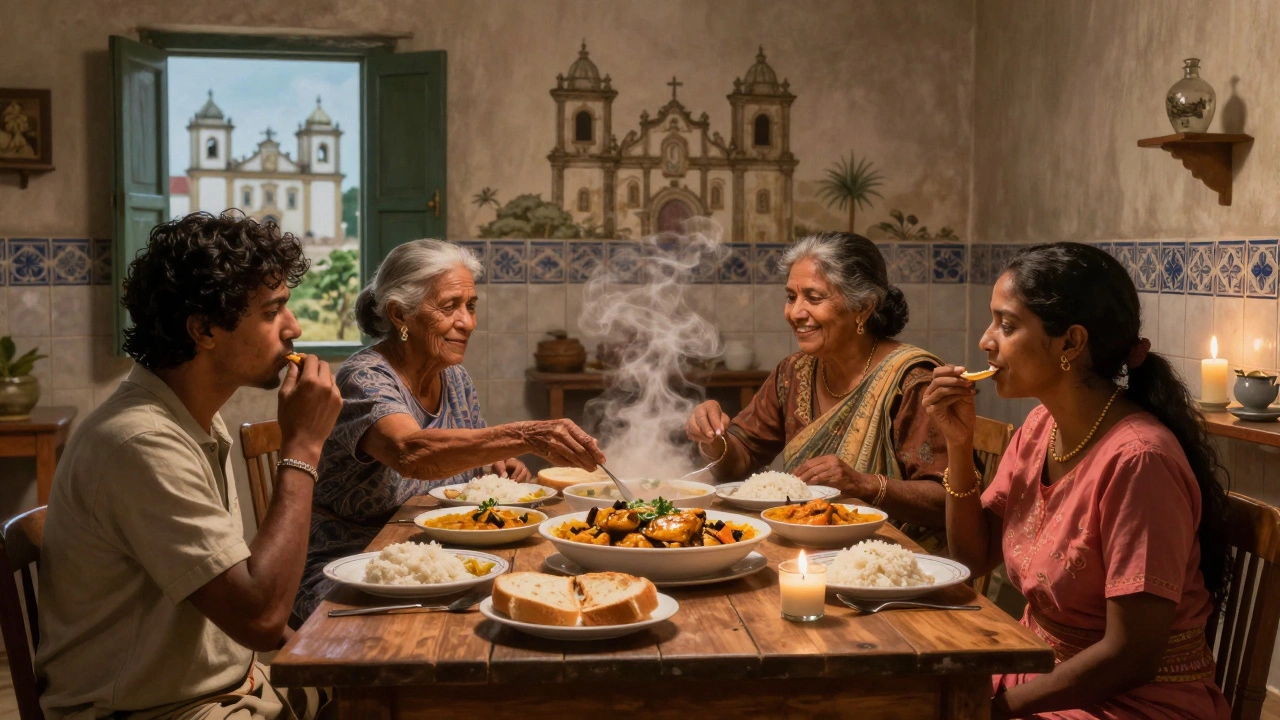
Goan food doesn’t play by Indian rules. It’s a Portuguese-Indian hybrid that tastes like history on a plate. Think vindaloo - not spicy-hot, but tangy, vinegary, and deeply rich. Or fish curry rice, where the fish is fried just enough, and the gravy soaks into the rice like a warm hug. Cataplana, a seafood stew cooked in a copper pot, or sorpotel, a spicy pork dish served during festivals - these aren’t tourist gimmicks. They’re Sunday family meals. Walk into a local home in Ponda or a tiny shack in Mapusa, and you’ll get a plate that costs less than $3 but stays with you for years.
The Nightlife Isn’t Just Parties - It’s Culture
Goa’s nightlife doesn’t start at midnight. It starts at sunset. Beach clubs like Tito’s and Curlies aren’t just clubs - they’re open-air social spaces. People dance barefoot on sand, sip cocktails made with local cashew feni, and watch the moon rise over the Arabian Sea. Then there are the shacks that turn into open-air cafes after dark, with acoustic guitar and poetry readings. You won’t find bottle service here. You’ll find strangers singing along to old Beatles songs with locals who’ve been playing them since the 70s. It’s not clubbing. It’s communion.
The History Lingers in the Walls
Goa was a Portuguese colony for 450 years. That’s longer than the U.S. has been a country. You can see it in the white churches of Old Goa - like the Basilica of Bom Jesus, where St. Francis Xavier’s remains are kept. You can smell it in the spice markets of Fontainhas, where Portuguese tiles line the alleys. You can taste it in the sweet breads baked in wood-fired ovens. This isn’t a theme park. It’s a living museum where the past didn’t get boxed up - it got blended into daily life.
The People Don’t Care If You’re Rich or Poor
In most tourist spots, you feel like an outsider. In Goa, you feel like a guest. A Goan vendor might hand you an extra mango because you smiled. A homestay owner might invite you to dinner because you asked about their family. There’s no pretense. No pressure to spend. You can sleep in a $10 dorm or a $500 villa - either way, you’ll be treated like you belong. This isn’t hospitality as a service. It’s hospitality as a way of life.
The Spiritual Side Is Quiet, But Everywhere
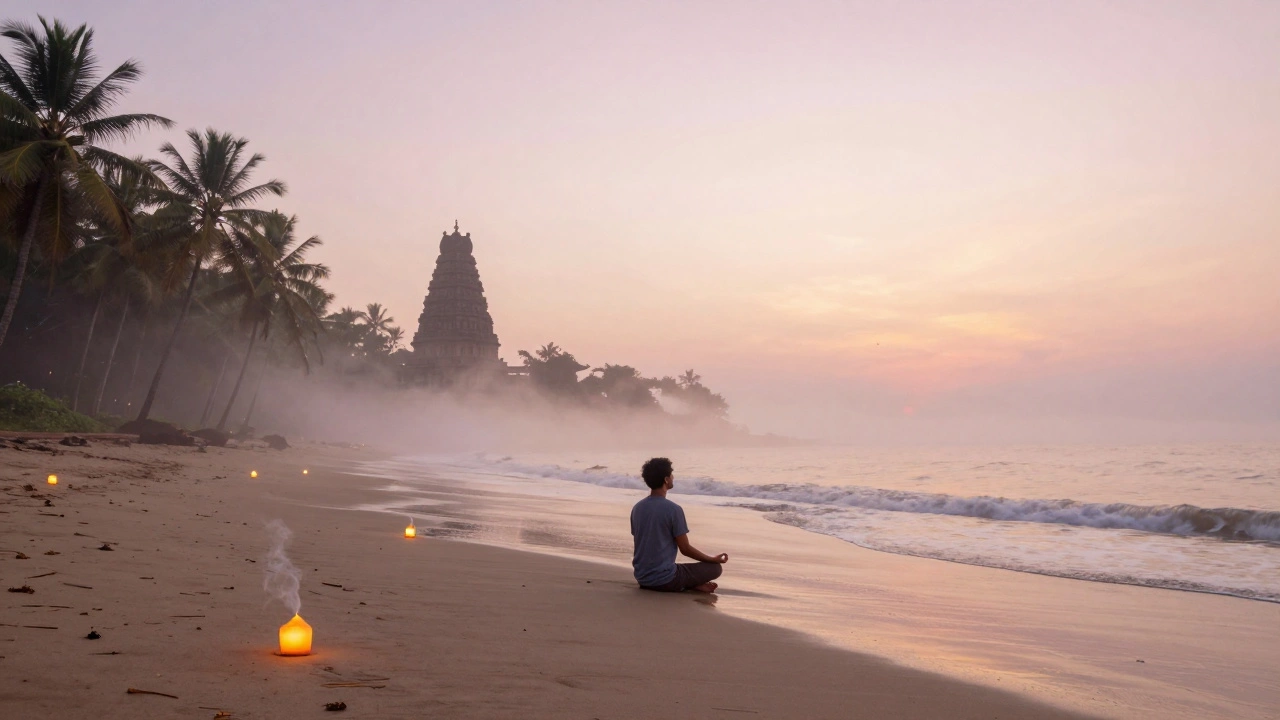
Goa isn’t just about partying. It’s also about stillness. You’ll find yoga retreats in the hills of Panchgani, meditation centers near the Dudhsagar Falls, and ashrams tucked behind coconut groves. Many tourists come for the beaches but leave with a quieter mind. The temples - like the Mangeshi Temple or the Shanta Durga Temple - aren’t crowded with tour groups. They’re peaceful. You’ll hear bells, smell incense, and feel something shift inside you. You didn’t come for this. But you needed it.
The Air Just Feels Different
There’s a reason people say, ‘Goa changes you.’ It’s not magic. It’s the mix of sea salt, monsoon wind, coconut smoke, and spice dust. It’s the sound of waves at 5 a.m. and the smell of fresh bread at 8 p.m. It’s the fact that you can walk barefoot for miles without seeing a single traffic light. The pace here is set by nature, not by schedules. You don’t ‘do’ Goa. You let it do you.
It’s Not Just a Vacation - It’s a Reset
People don’t come to Goa to check off a bucket list. They come because they’re tired. Tired of deadlines. Tired of screens. Tired of pretending. Goa doesn’t ask you to be productive. It asks you to be present. To eat slowly. To talk to strangers. To nap in the shade. To dance with no reason. To cry if you need to. To laugh without judging. You leave with sunburned skin, salt in your hair, and a quiet sense that maybe - just maybe - life doesn’t have to be so heavy.
Is Goa safe for solo travelers?
Yes, Goa is one of the safest destinations in India for solo travelers, especially on the beaches. The local community is welcoming, and crime rates are low compared to other tourist spots. Stick to well-known areas, avoid isolated beaches after dark, and use common sense - like you would anywhere. Most hostels and guesthouses have security, and locals are quick to help if you look lost.
When is the best time to visit Goa?
The best time is between November and February. The weather is dry, the humidity drops, and the sea is calm. December and January are peak months, so book early if you want a quiet beach. March and April are hot but less crowded. The monsoon (June-September) brings heavy rain, but it’s also when the landscape turns emerald green and the crowds vanish. Many locals say it’s the most beautiful time - if you don’t mind getting wet.
Can you visit Goa on a budget?
Absolutely. You can stay in a basic guesthouse for $5-$10 a night, eat street food for $1-$3, and hop on a local bus for less than $0.50. Even beach shacks serve full meals for under $4. You don’t need to spend big to feel the soul of Goa. Many backpackers live here for months on $300 a month. The real cost isn’t money - it’s time. Let yourself slow down, and you’ll find everything you need.
Are Goa’s beaches clean?
It depends on the beach. North Goa beaches like Baga and Calangute can get crowded and littered during peak season. But many beaches - especially in South Goa - are well-maintained. Organizations like the Goa Beach Clean-Up Initiative and local NGOs work year-round to keep shores clean. Look for beaches with the ‘Blue Flag’ certification - they meet international standards for cleanliness and safety. Palolem, Morjim, and Aries are consistently rated among the cleanest.
Do you need a visa to visit Goa?
Yes, like the rest of India, you need a valid Indian visa to enter Goa. Most tourists get an e-Visa online, which takes about 3 days to process. It’s valid for 60 days and can be used for tourism, business, or medical visits. Make sure your passport has at least six months left before expiry. There are no special visa rules for Goa - it’s just part of India, so the same rules apply everywhere.