South India Trip Duration Planner
Choose how many distinct states you want to visit.
--
--
Quick Summary
- Minimum Time: You need at least 7 days to see one state properly without rushing.
- Ideal Duration: A 10-14 day trip allows you to visit two states (like Kerala and Tamil Nadu) comfortably.
- Deep Dive: For a comprehensive tour of three or more states, plan for 3 weeks.
- Best Season: October to March offers the most pleasant weather across the region.
- Key Tip: Focus on one theme (temples, beaches, or backwaters) per trip to maximize your experience.
You land in Chennai or Kochi with a map full of dreams. Green tea plantations, ancient temples, bustling markets, and serene backwaters call out to you. But here is the hard truth: South India is not a place you can "do" in a weekend. It is vast, diverse, and deeply layered. Trying to cram everything into five days will leave you exhausted and disappointed. So, how many days do you actually need?
The answer depends entirely on what you want to see. If you are chasing the famous houseboats of Kerala, seven days might suffice. If you want to explore the colonial history of Goa, the temple architecture of Tamil Nadu, and the hill stations of Karnataka, you need significantly more time. Let's break down exactly how long you should stay based on different travel styles.
The 7-Day Sprint: One State, Deeply Explored
If you have limited vacation time, pick just one state. South India consists of five main states-Kerala, Tamil Nadu, Karnataka, Andhra Pradesh, and Telangana-plus the union territories of Lakshadweep and Puducherry. Each has a distinct culture, language, and cuisine. Jumping between them in a week means spending half your time on buses or trains.
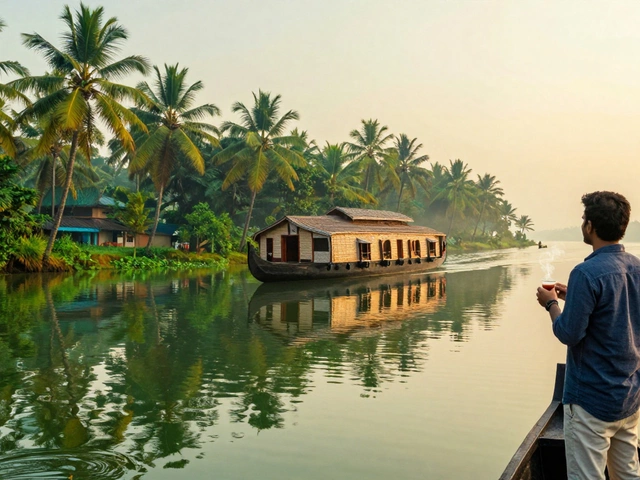
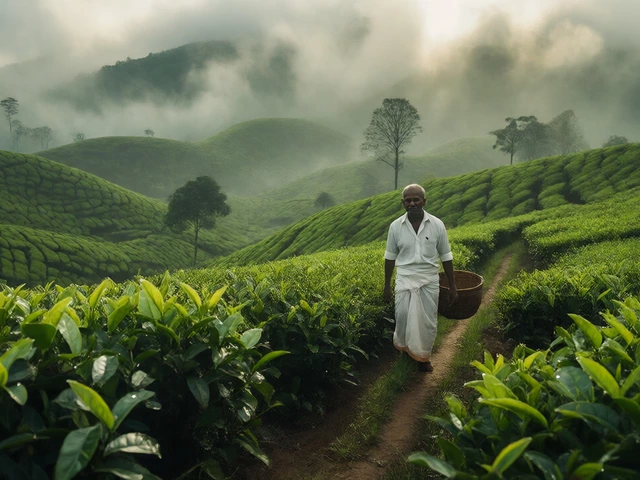
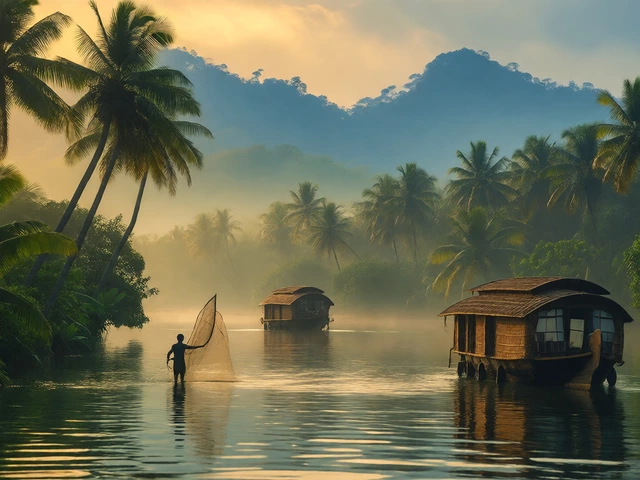
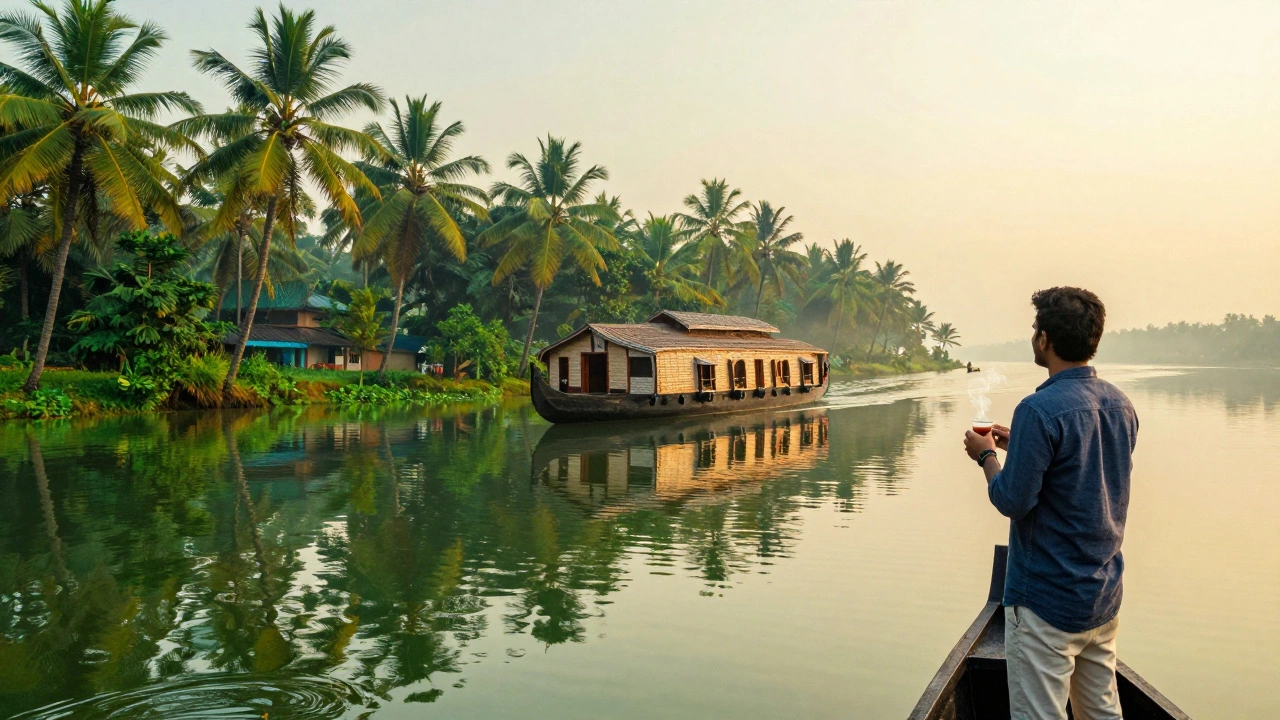
Kerala is the most popular choice for short trips due to its well-developed tourism infrastructure and scenic beauty. With only seven days, you can fly into Cochin International Airport, spend two nights in Munnar enjoying the misty tea gardens, move to Alleppey for a classic houseboat ride through the backwaters, and end your trip in Fort Kochi exploring the Chinese fishing nets and colonial heritage. This route is smooth, logical, and manageable.
Alternatively, if you prefer culture over nature, choose Tamil Nadu. Start in Chennai, drive up to Mahabalipuram to see the Pancha Rathas rock-cut temples, and finish in Pondicherry for a taste of French colonial architecture and relaxed beach vibes. Seven days is enough to scratch the surface here, but you won't get to see the grand temples of Madurai or Thanjavur.
Keep in mind that seven days includes your arrival and departure. Realistically, you have five full days for exploration. Stick to one region within the state to avoid transit fatigue.
The 10-to-14 Day Sweet Spot: Two States Combined
This is the ideal window for most travelers. Ten to fourteen days gives you enough breathing room to experience two contrasting states without feeling like you're running a race. The most common combination is Kerala and Tamil Nadu, as they share borders and have excellent train and bus connectivity.
Imagine starting in Bangalore, the tech capital of Karnataka. Spend three days here visiting the Bangalore Palace, shopping in Brigade Road, and escaping to the nearby Nandi Hills for sunrise views. Then, take a direct train south to Mysore. Mysore deserves at least two days to see the magnificent Mysore Palace, St. Philomena's Church, and the Devaraja Urs Park.
From Mysore, you can cross into Tamil Nadu to visit Ooty or Coonoor in the Nilgiri Hills. Alternatively, head further south to Kanyakumari, where the Indian Ocean meets the Bay of Bengal and the Arabian Sea. This route blends urban energy, royal heritage, and coastal serenity perfectly.
Another powerful duo is Kerala and Karnataka. Fly into Bangalore, drive through the Western Ghats to Wayanad for wildlife safaris and spice plantations, then continue into Kerala's Idukki district before reaching Munnar. This journey highlights the biodiversity of the Western Ghats, a UNESCO World Heritage site. Fourteen days allow you to slow down, enjoy local food, and interact with locals rather than just ticking boxes.
The 3-Week Epic: Three States and Beyond
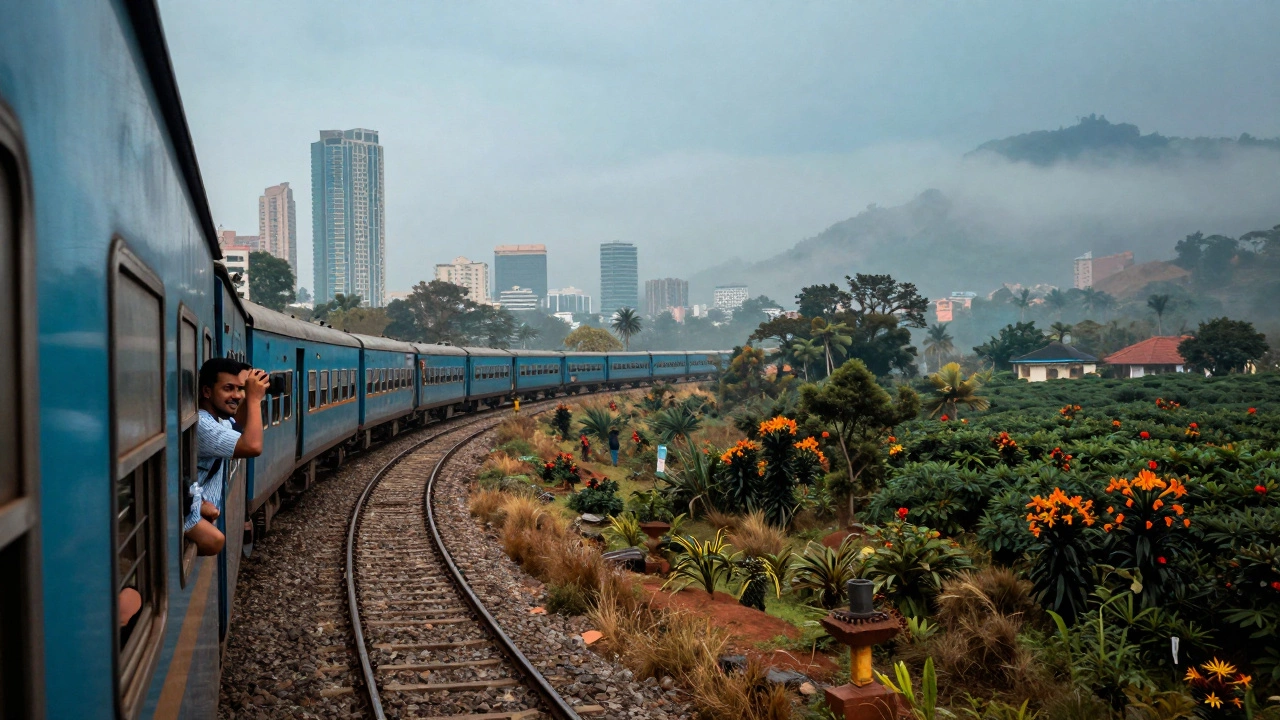
If you have three weeks, you can truly immerse yourself in the diversity of the region. This duration allows you to visit three states, perhaps adding Andhra Pradesh or Telangana to the mix. These eastern states offer incredible temple architecture, historical sites from the Vijayanagara Empire, and vibrant cultural festivals.
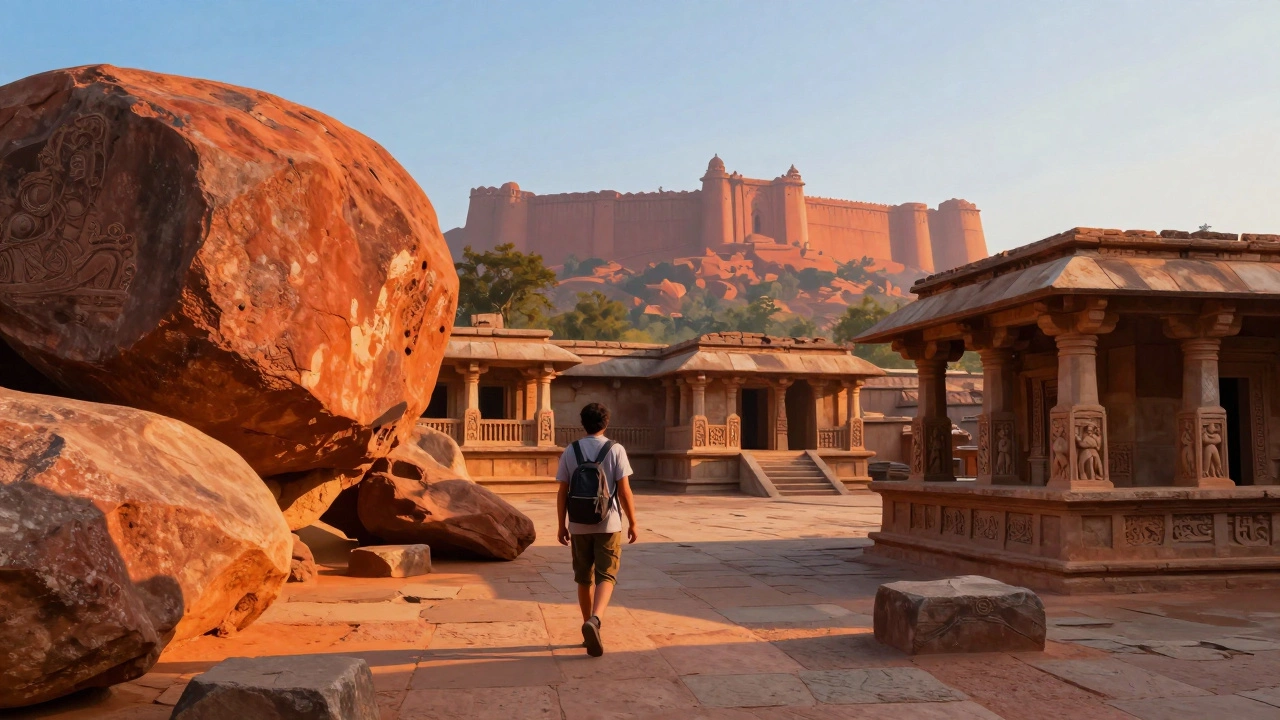
A three-week itinerary might look like this: Start in Hyderabad (Telangana) to explore the Charminar and Golconda Fort. Take a train to Hampi (Karnataka), the ruins of the Vijayanagara capital, which requires at least three days to appreciate fully. Then, move to Gokarna for quiet beaches before heading into Kerala for the backwaters. Finally, end in Tamil Nadu, visiting the Chola temples of Thanjavur and Trichy.
This pace lets you hire private drivers for longer stretches, visit off-the-beaten-path villages, and attend local events. You also have buffer days for unexpected delays, which are common in India due to traffic or weather. Three weeks is perfect for families, photographers, and history buffs who want depth over breadth.
| Travel Style | Ideal Duration | Best States to Visit | Pace |
|---|---|---|---|
| Quick Getaway | 5-7 Days | Kerala OR Tamil Nadu | Fast, focused |
| Balanced Tour | 10-14 Days | Kerala + Tamil Nadu OR Karnataka + Kerala | Moderate, comfortable |
| Deep Immersion | 15-21 Days | Three or more states | Slow, exploratory |
| Honeymoon Special | 7-10 Days | Kerala (Alleppey/Munnar) | Relaxed, romantic |
Seasonal Considerations: Timing Your Days
How many days you need also depends on when you visit. Weather plays a huge role in your daily schedule. During the monsoon season (June to September), heavy rains can disrupt travel plans. Roads may flood, and outdoor activities become limited. If you travel during this time, build extra buffer days into your itinerary. What was a 4-hour drive might take 6 hours due to landslides or waterlogged roads.
The best time to visit South India is from October to March. The weather is cool and dry, making it perfect for sightseeing. In summer (April to May), temperatures soar, especially in Tamil Nadu and Andhra Pradesh. You might need to adjust your schedule to include indoor activities like museums or cafes during midday heat. This doesn't change the total number of days needed, but it affects how you use those days.
Festivals also impact timing. Diwali, Onam, and Pongal are major celebrations that draw crowds. Visiting during these times adds value to your trip but requires booking accommodations months in advance. If you miss these windows, you still have plenty to see, but the atmosphere will be quieter.
Logistics: Getting Around Efficiently
South India has excellent internal transport links. Trains are reliable and affordable, connecting major cities like Chennai, Bangalore, Kochi, and Hyderabad. Buses are frequent and cover even remote areas. However, inter-state travel can sometimes involve border checks or longer transfer times. Factor in an extra half-day for each state transition.
Renting a car with a driver is often the most efficient way to cover ground. Drivers know the shortcuts, handle negotiations with local vendors, and ensure you don't get lost. This option works best for groups of two or more. Solo travelers might prefer trains or domestic flights for longer distances.
Domestic flights save time but add cost. Flying from Bangalore to Kochi takes less than an hour, whereas driving takes nearly 10 hours. If you are short on days, consider flying between key hubs and using local transport for exploration.
Common Mistakes to Avoid
Many first-time visitors make the mistake of trying to see too much. They book a 10-day trip covering four states, resulting in constant packing and unpacking. Instead, focus on quality over quantity. Stay longer in fewer places. Rent an apartment for a few days to cook local meals and experience daily life.
Another error is underestimating travel times. Distances on paper look small, but traffic in cities like Bangalore and Chennai can be severe. Always add 20% more time to your estimated travel durations. Leave early in the morning to beat the rush.
Finally, don't ignore visa requirements if you are traveling from outside India. Some nationalities need e-visas, which can take a few days to process. Plan your application well in advance to avoid last-minute stress.
Can I visit South India in 5 days?
Yes, but you must limit yourself to one city or region. For example, spend 5 days in Kerala focusing only on Kochi and Munnar. Do not attempt to visit multiple states in this timeframe, as transit alone will consume half your trip.
Is 10 days enough for Kerala and Tamil Nadu?
Ten days is sufficient for a high-level overview. You can spend 5 days in Kerala (Munnar, Alleppey, Kochi) and 5 days in Tamil Nadu (Chennai, Mahabalipuram, Pondicherry). However, you will miss deeper experiences like temple circuits or hill station stays.
What is the best month to visit South India?
The period from October to February is ideal. Temperatures range between 20°C and 30°C, making outdoor activities comfortable. Avoid June to September if you dislike heavy rain, as monsoons can disrupt travel plans.
Do I need a separate visa for each state?
No. A single Indian visa covers all states. Once you enter India, you can travel freely between Kerala, Tamil Nadu, Karnataka, and other regions without additional permits. However, some restricted areas near borders may require special passes.
Is it safe to travel solo in South India?
Yes, South India is generally considered one of the safest regions for solo travelers, including women. Cities like Kochi and Pondicherry have strong expat communities. Still, practice standard precautions: avoid isolated areas at night and keep valuables secure.
How much does a 10-day trip cost?
Budget travelers can manage $30-$50 per day including hostels and street food. Mid-range travelers should expect $80-$120 per day for hotels, private transport, and restaurant meals. Luxury travel can exceed $200 per day depending on accommodation choices.