Sherpa Risk & Exposure Calculator
Expedition Parameters
Context
This tool estimates the cumulative exposure to danger. While Sherpas have genetic adaptations (EPAS1 gene) for oxygen efficiency, they face significantly higher mechanical risks due to repeated exposure to avalanches and falling ice compared to clients who cross these zones only once or twice.
Calculated Impact Analysis
Financial Metrics
Exposure Statistics
Risk Comparison
Relative Death Probability Index
*Based on Himalayan Database statistics since 1922.Interpretation
Adjust the parameters above to see how increased workload impacts the risk-to-reward ratio for local staff.
Mount Everest is often sold as the ultimate adventure, a bucket-list summit that proves you can conquer the world. But for the people who make those summits possible-the Sherpas-it is not an adventure. It is a job. A dangerous, high-altitude, physically exhausting job where the margin for error is zero. When we ask "how many Sherpas have died on Everest?", we are touching on one of the most uncomfortable truths in mountaineering history.
The short answer is: more than any other ethnic group or nationality. Since records began in the mid-20th century, over 180 to 200 Sherpas have lost their lives on the mountain. That number dwarfs the death toll of Western climbers by a significant margin. But behind that statistic lies a complex story of economics, physiology, and changing commercial practices in the Himalayas.
The Human Cost of the Summit Push
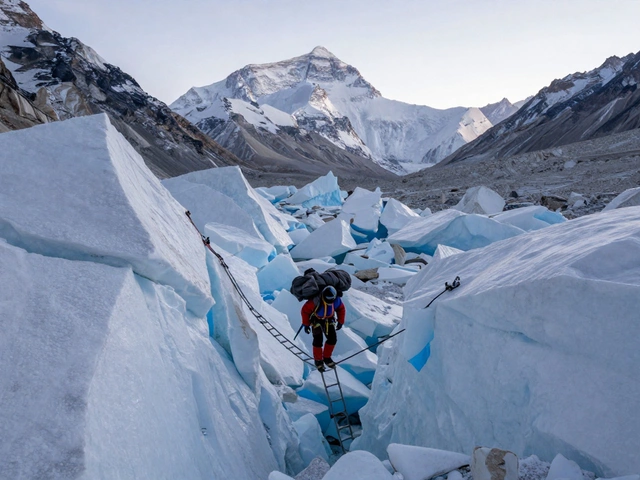
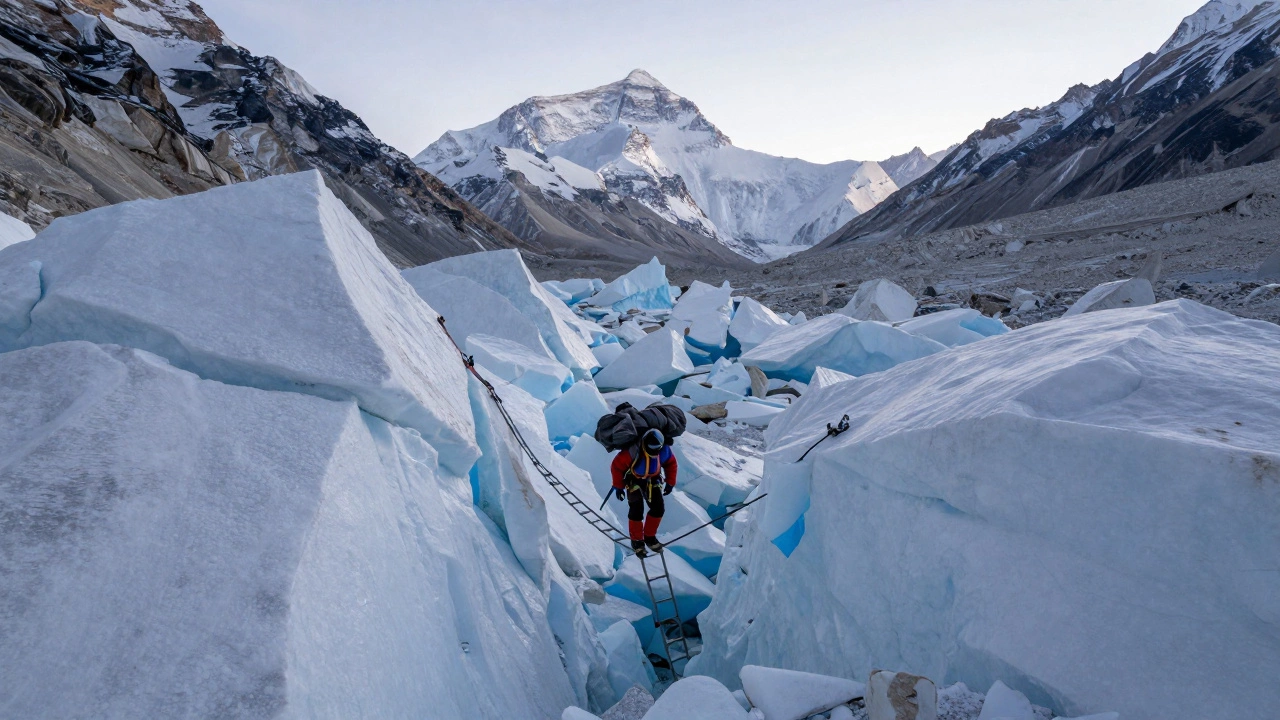
To understand the numbers, you have to look at what a Sherpa actually does on Everest. They don't just walk up and down. They carry heavy loads through the Khumbu Icefall-a chaotic maze of shifting seracs and crevasses that changes daily. They fix ropes, build ladders across gaps, and set up camps at altitudes where oxygen is scarce. While a paying client might spend weeks acclimatizing and only make two or three summit attempts, a Sherpa may traverse the Icefall ten or twelve times in a single season.
This repetition is key. If a climber falls once, it’s a tragedy. If a guide falls five times because they are doing the work of five clients, the risk compounds. According to data from the Himalayan Database, which tracks all expeditions since 1922, Sherpas account for roughly 50% of all deaths on Everest, despite making up a small fraction of the total climbers. In some years, particularly during disaster events like the 2014 avalanche, the disparity becomes starkly visible.
| Group/Nationality | Estimated Deaths (Since 1922) | Primary Risk Factors |
|---|---|---|
| Sherpas | ~180-200+ | Icefall navigation, load carrying, repeated exposure |
| Western Climbers | ~150-170 | Lack of experience, altitude sickness, weather delays |
| Nepali Non-Sherpas | ~30-40 | Porter duties, guiding support |
| Tibetan Guides | ~20-30 | North Ridge logistics, extreme cold |
Note that these numbers are estimates. Exact counts vary depending on whether you include porters, cooks, and base camp staff who died from non-climbing causes like avalanches or illness. However, the trend remains consistent: the local workforce bears the brunt of the danger.
Why Are Sherpas More Vulnerable?
You might assume that because Sherpas live at high altitudes, they are naturally immune to the dangers of thin air. It’s true that they possess genetic adaptations, such as variations in the EPAS1 gene, which help them utilize oxygen more efficiently. This allows them to work at 6,000 meters (20,000 feet) with less fatigue than lowlanders. But biology doesn’t protect you from falling ice or collapsing bridges.
The primary reason for the higher death rate is exposure frequency. A typical Western client spends about 15 days on the mountain, moving slowly between camps. A head Sherpa might spend 40 to 60 days on the ice, repeatedly crossing the most unstable sections. The Khumbu Icefall is nicknamed "The Death Trap" for a reason. Massive blocks of ice, sometimes weighing hundreds of tons, can break off without warning. In 2014, a single serac collapse killed 16 Sherpas in minutes. It was the deadliest day in Everest’s history for guides.
Another factor is equipment and safety standards. Historically, Sherpas were expected to use older gear or share helmets and harnesses. While this has improved significantly in recent years due to international pressure and better regulations, there is still a gap in safety culture. Some operators prioritize speed and cost over rigorous safety protocols for their local staff. A Sherpa fixing a rope at 21,000 feet is often working faster and with less redundancy than a client being led up the same route later in the day.
The Economics of High-Altitude Labor
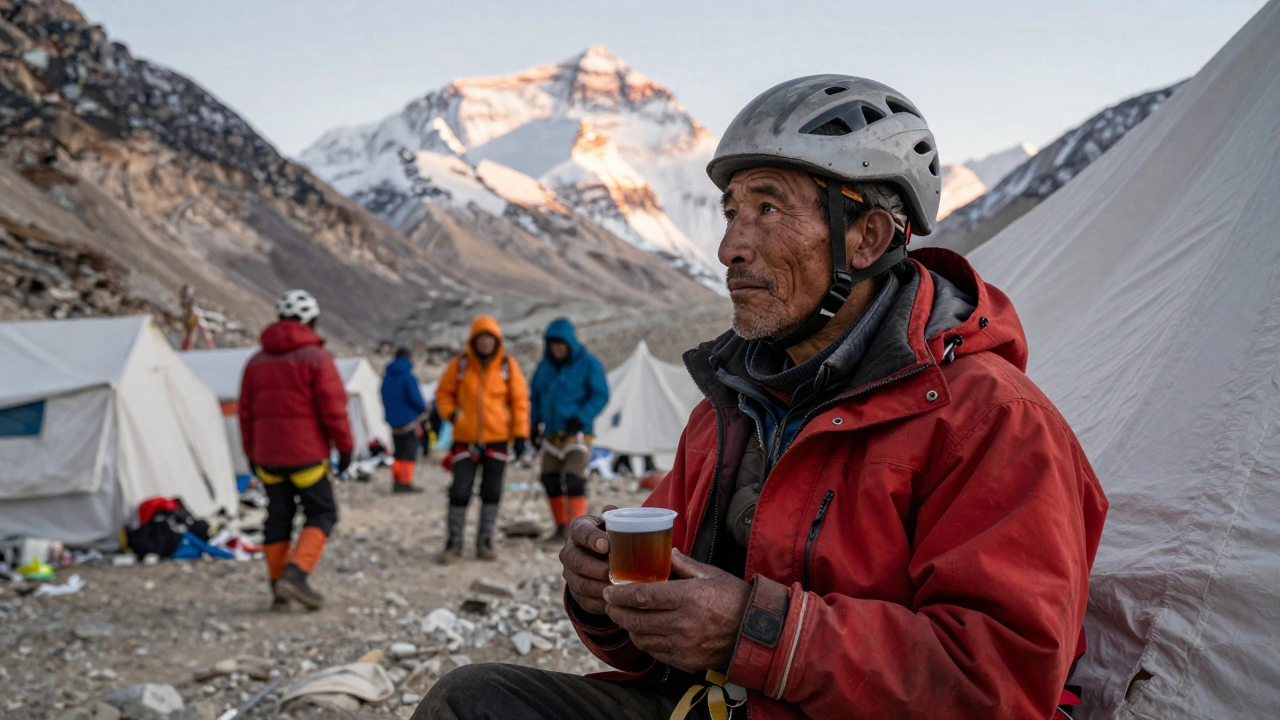
Why do they do it? Money. For many families in the Solu-Khumbu region, guiding on Everest is the only way to escape poverty. A successful season can earn a Sherpa enough to build a house, send children to school, or start a business back home. The pay has risen dramatically since the early 2000s, especially after the 2014 and 2015 disasters sparked global outrage. Today, experienced head guides can earn $10,000 to $15,000 per season, plus bonuses for successful summits. Porters earn significantly less, often just a few hundred dollars for weeks of grueling labor.
But the money comes with a catch. The demand for Everest permits has skyrocketed. Nepal issued nearly 400 permits in 2023 and 2024, leading to overcrowding on the ridge. More climbers mean more traffic jams, longer waits in the "death zone" (above 8,000 meters), and greater strain on the support staff. Sherpas are now asked to manage larger groups, carry heavier loads, and deal with impatient clients who may lack basic skills. This increases the likelihood of accidents.
There is also a cultural element. In Sherpa society, dying on the mountain is seen with mixed emotions. On one hand, it is a profound loss for the family and community. On the other, it is viewed as a sacrifice made for the collective good. Many Sherpas believe in karma and reincarnation, and some see their work as a form of service. This spiritual perspective does not diminish the tragedy, but it helps explain why recruitment continues despite the risks.
Recent Trends and Safety Improvements
Has anything changed? Yes. After the 2014 Icefall avalanche, the government of Nepal and international federations pushed for stricter safety measures. Helmets are now mandatory for all staff. Better communication systems, such as satellite phones and radios, allow for quicker emergency responses. Some companies have started hiring dedicated safety officers to monitor conditions in the Icefall.
However, challenges remain. Climate change is making the Himalayas more unpredictable. Warmer temperatures cause glaciers to melt faster, creating new crevasses and destabilizing ice formations. The Icefall is becoming more volatile, requiring more frequent repairs and increasing the time Sherpas spend in danger zones. Additionally, while insurance coverage has improved, many lower-level workers still lack adequate compensation if they are injured or killed.
In 2025 and 2026, there have been calls for a moratorium on new permits until safety standards are universally enforced. Some advocates argue that the current system exploits vulnerable workers for the thrill of wealthy tourists. Others point out that banning the trade would hurt the local economy, which relies heavily on tourism revenue. It’s a difficult balance between human rights and economic survival.
What Can Climbers Do?
If you’re considering trekking in the Himalayas, even if you never plan to summit Everest, your choices matter. You can support ethical operators who treat their staff fairly. Look for companies that publish their safety records, provide fair wages, and invest in training for their guides. Avoid budget packages that seem too good to be true-they often cut corners on safety and pay.
You can also educate yourself before you go. Understanding the role of Sherpas fosters respect rather than entitlement. Remember that they are experts, not servants. Their knowledge of the terrain, weather, and human limits is what keeps everyone alive. Treating them with dignity is the least you can do.
Finally, consider alternative treks. Places like Langtang, Annapurna, or Manaslu offer stunning beauty and cultural immersion without the extreme risks of Everest. These regions rely on local guides too, but the scale is smaller, and the relationship between climber and guide is often more personal and equitable.
How many Sherpas die on Everest each year?
The number varies widely by year. In normal seasons, it might be zero or one. In disaster years, like 2014 or 2015, dozens can die. On average, fewer than five Sherpas die annually, but the cumulative toll over decades is high.
Are Sherpas genetically adapted to high altitude?
Yes. Sherpas have unique genetic traits, such as the EPAS1 gene variant, which helps their bodies handle low oxygen levels more efficiently than people from sea level. This reduces fatigue but does not eliminate risks like avalanches or falls.
Why did so many Sherpas die in 2014?
In April 2014, a massive serac (ice block) collapsed in the Khumbu Icefall, killing 16 Sherpas who were fixing ropes. It was the deadliest incident in Everest's history for guides, leading to widespread protests and a halt to climbing that season.
Is it safe to hire a Sherpa guide?
Hiring a qualified Sherpa guide significantly increases your chances of survival and success. They know the routes, weather patterns, and emergency procedures. The key is choosing reputable agencies that prioritize their staff's safety and well-being.
Do Sherpas get paid well for climbing Everest?
Head guides can earn substantial sums, often $10,000-$15,000 per season, which is life-changing in Nepal. However, porters and lower-level staff earn much less, sometimes only a few hundred dollars, despite facing similar dangers.