Pilgrimage Difficulty Calculator
★ Assess Your Pilgrimage Readiness
Answer these questions honestly to determine which Indian pilgrimage matches your current capabilities.
Quick Reference
- Sabarimala Very Hard
- Kanwar Yatra Hard
- Kumbh Mela Moderate-Hard
- Gangasagar Moderate
- Char Dham Variable
Your Recommended Pilgrimage
Preparation Tips
Difficulty Breakdown
Imagine walking barefoot through snow at 10,000 feet. Now imagine doing it while carrying a heavy wooden pole for days without sleep. Or picture standing waist-deep in freezing river water for hours, surrounded by millions of people who have traveled hundreds of miles just to take a dip. These aren't scenes from an extreme sports documentary. They are real experiences for millions of devotees during India's most grueling religious festivals.
If you are planning temple tours in India, understanding the physical and mental demands of these events is crucial. "Hardest" can mean different things: physical endurance, mental discipline, or logistical chaos. Some pilgrimages test your body against nature; others test your spirit against strict vows. Here is a breakdown of the toughest challenges awaiting pilgrims across the subcontinent.
The Sabarimala Pilgrimage: The Test of Asceticism
Sabarimala is a Hindu pilgrimage center dedicated to Lord Ayyappa located in the Western Ghats of Kerala. For many, this is the definitive answer to "which is the hardest festival." The difficulty here isn't just about distance; it is about denial.
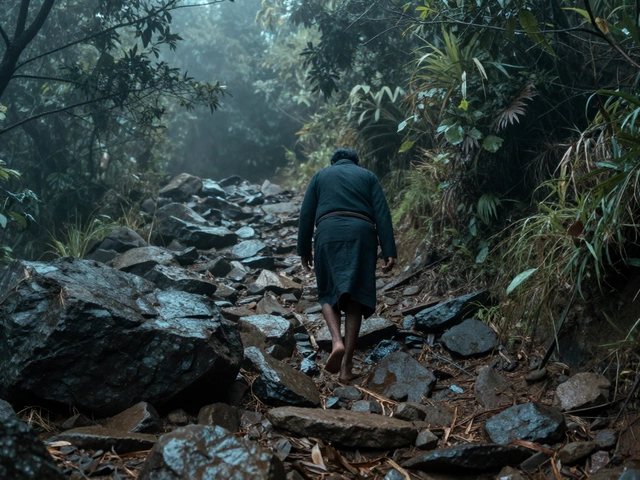
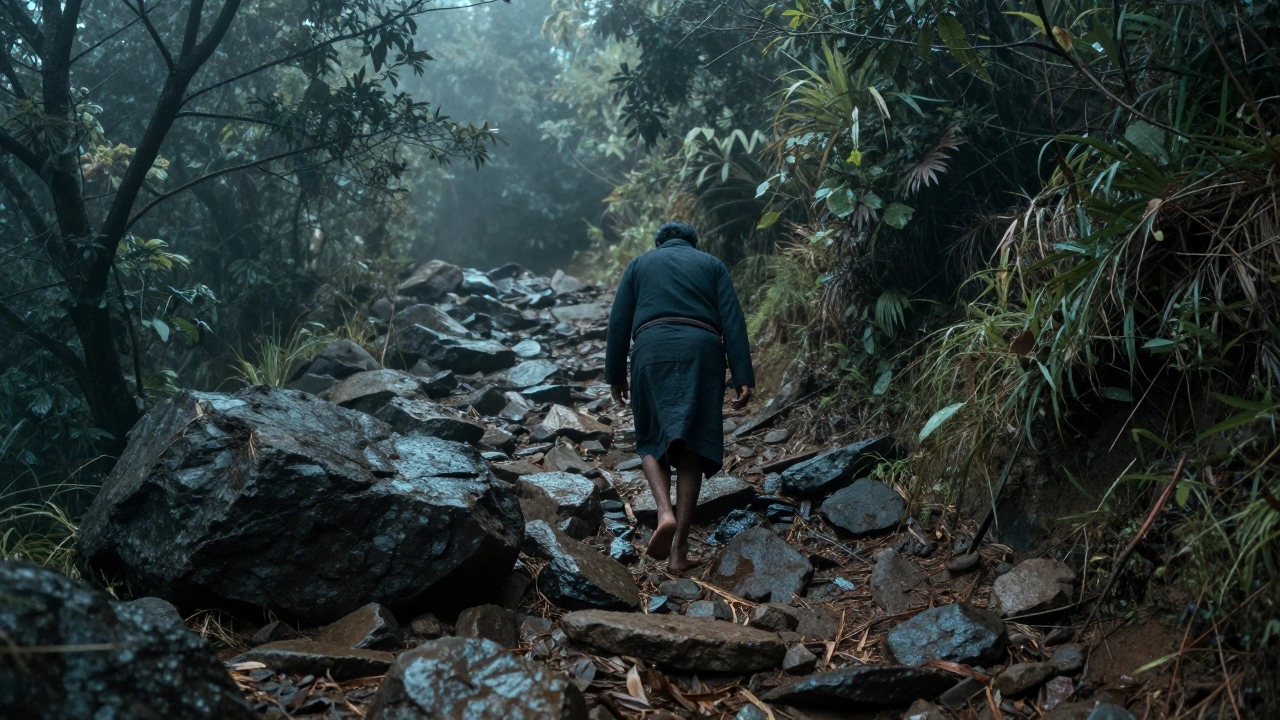
Devotees observe a strict 41-day vow called Vrata. This means no meat, no alcohol, no sexual relations, and often sleeping on the floor rather than a bed. But the physical challenge comes last. In December and January, when temperatures drop significantly in the hills, thousands trek up steep, rocky paths to reach the shrine. Many choose to walk barefoot from distant villages, covering 50 kilometers or more over rough terrain.
The climb itself is brutal. The path winds through dense forests with sharp rocks that cut into bare feet. At night, the temperature plummets, and pilgrims huddle together for warmth, still observing their vows. It is a test of willpower where comfort is stripped away completely to prove devotion.
- Duration: 41 days of preparation plus the trek.
- Physical Demand: High (trekking, cold exposure).
- Mental Demand: Very High (strict celibacy and austerity).
- Best Time: December to January (Mandala and Makaravilakku periods).
Kanwar Yatra: Carrying the Burden of Faith
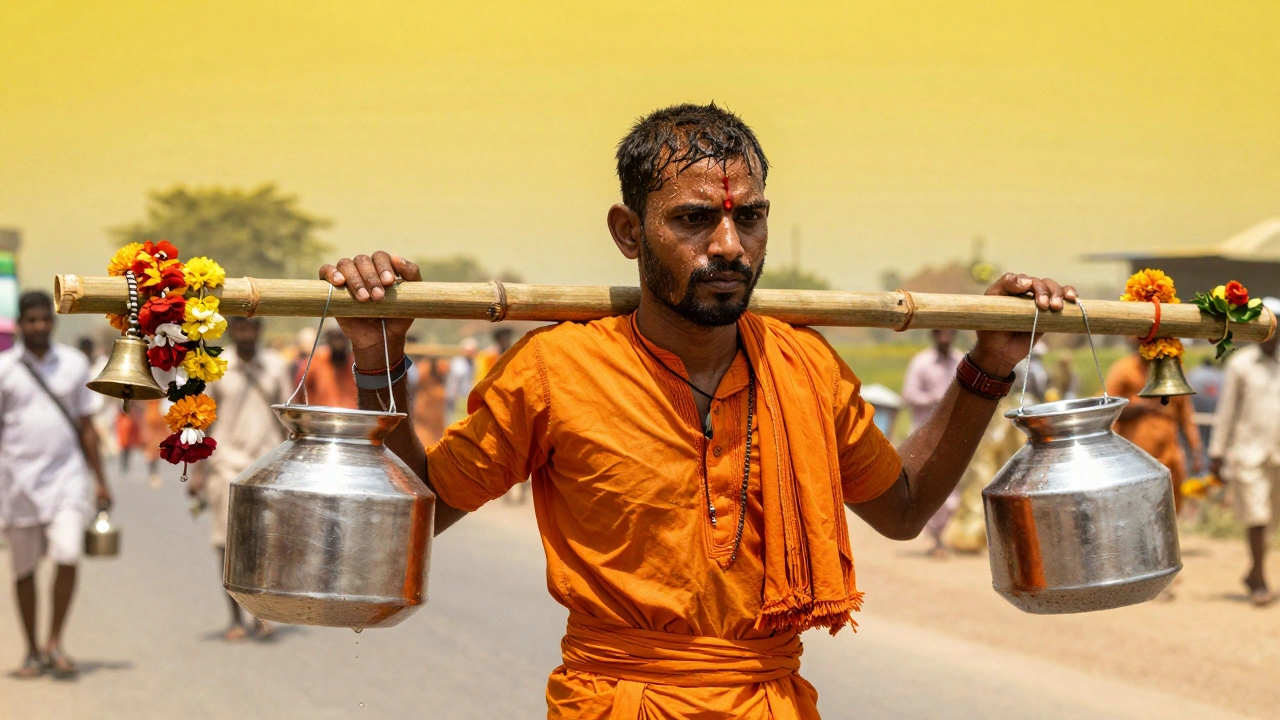
While Sabarimala tests asceticism, the Kanwar Yatra is an annual pilgrimage undertaken by devotees of Lord Shiva who carry sacred water from the Ganges to various temples. This event transforms the landscape of North India every July and August. Millions of men, known as Kanwariyas, don orange robes and carry long bamboo poles decorated with flowers and bells.
The physical toll is immense. The bamboo pole, or Kanwar, holds two pots of holy water. It must be balanced on the shoulder for days, sometimes weeks. Devotees travel hundreds of kilometers on foot, enduring the peak of Indian summer heat, which regularly exceeds 40°C (104°F). Sleep is minimal, often taken in temporary campsites along the route.
The challenge compounds near the end. As they approach major shrines like Haridwar or Vaishno Devi, the crowds become dense. Navigating through millions of people while balancing a fragile load requires incredible focus and stamina. Many collapse from exhaustion or dehydration, yet the spirit remains unbroken.
| Festival/Pilgrimage | Primary Challenge | Location | Season |
|---|---|---|---|
| Sabarimala | Austerity & Trekking | Kerala | Winter |
| Kanwar Yatra | Heat & Load Bearing | North India | Summer |
| Kumbh Mela | Crowds & Logistics | Rotating (Prayagraj, Haridwar, etc.) | Varies (every 3-12 years) |
| Gangasagar | Cold Water Dip | West Bengal | January (Purnima) |
Kumbh Mela: The Ultimate Logistical Nightmare
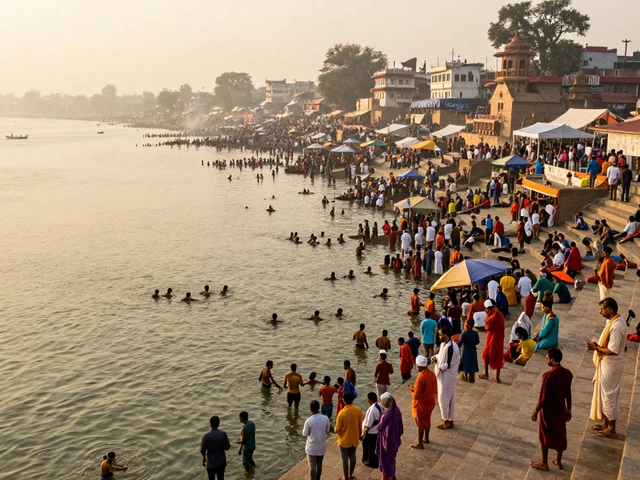
If Sabarimala breaks your body and Kanwar Yatra burns you out, Kumbh Mela is the largest peaceful gathering of humanity on Earth, held at four rotating locations in India. The Grand Kumbh Mela happens every 12 years at Prayagraj (Allahabad), drawing over 100 million visitors. Even the Ardh Kumbh (half Kumbh) sees tens of millions.
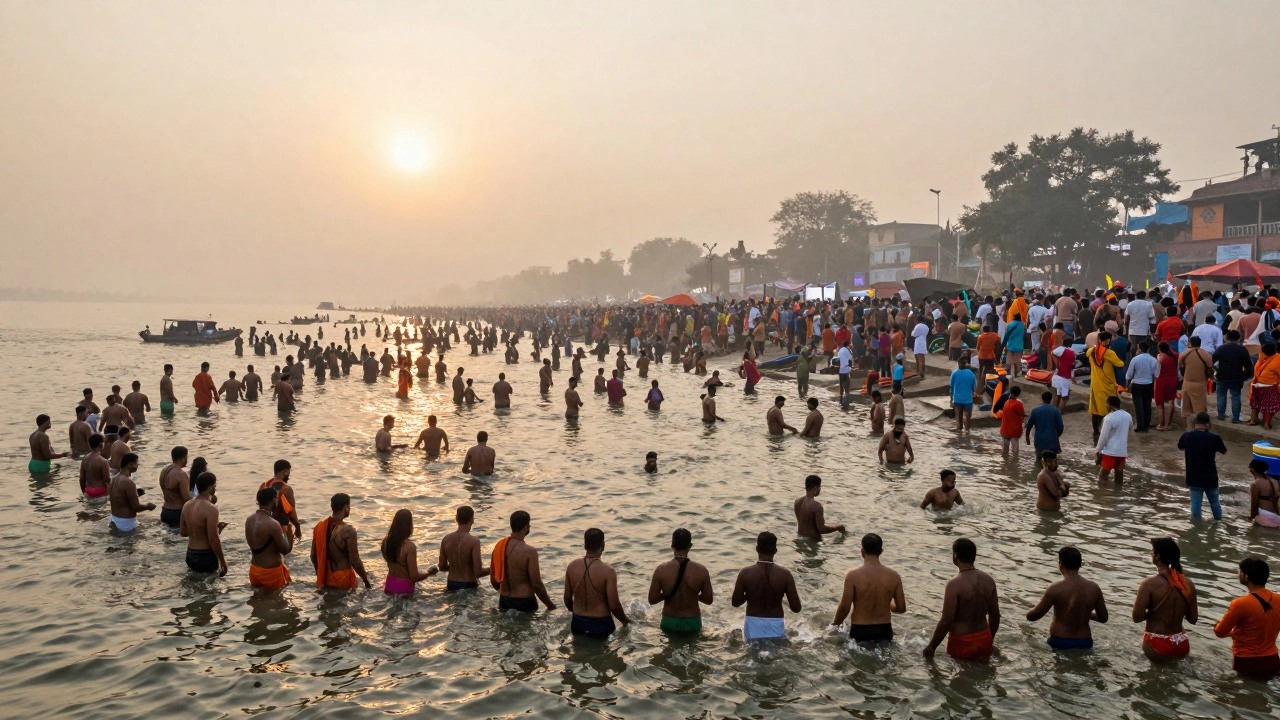
The "hardship" here is psychological and environmental. You are part of a moving ocean of people. Personal space does not exist. Noise levels are deafening. Hygiene facilities, though improved, struggle under the sheer volume of users. The real test comes on the main bathing days, such as Mauni Amavasya. Devotees wake up before dawn and wade into the confluence of the Ganges, Yamuna, and mythical Saraswati rivers.
In winter, the water is bone-chilling. Standing in the current for hours, waiting for the auspicious moment to immerse, requires significant resilience. Add to this the risk of stampedes, theft, and general disorientation in a city built overnight. Surviving the Kumbh Mela intact-mentally and physically-is a feat in itself.
Gangasagar Mela: Braving the Freezing Tide
Located at the confluence of the Ganges River and the Bay of Bengal in West Bengal, Gangasagar Mela is one of the largest congregations of Hindus in the world, occurring on the full moon day of Makar Sankranti. Unlike the crowded inland melas, this takes place on a sandy island exposed to the open sea.
The primary hardship is the temperature. In January, the air is cold, but the seawater is freezing. Thousands of devotees, including elderly people and children, plunge into the tidal waters. The strong currents and cold shock pose genuine health risks. Many faint immediately after emerging. The journey to the site involves navigating muddy tracks and crossing ferries in rough weather, adding to the physical strain before the ritual even begins.
Char Dham Yatra: Altitude and Terrain
For those seeking adventure mixed with spirituality, the Char Dham Yatra is a circuit of four Hindu temples in the Garhwal Himalayas: Badrinath, Kedarnath, Gangotri, and Yamunotri. This is not a single festival but a seasonal pilgrimage window that opens only from April/May to October/November due to heavy snowfall.
The trek to Kedarnath, for instance, covers 16 kilometers uphill to an altitude of 3,583 meters. The path is steep, rocky, and prone to landslides. Altitude sickness is a constant threat. Travelers often deal with unpredictable weather-sunny one minute, hailstorms the next. The infrastructure is basic, and medical help is limited. Completing all four sites in one go requires excellent physical fitness and careful planning.
How to Prepare for These Challenging Pilgrimages
If you decide to join any of these intense journeys, preparation is non-negotiable. Here is what you need to know:
- Physical Conditioning: Start training months in advance. Walking long distances, climbing stairs, and building core strength are essential for treks like Sabarimala or Char Dham.
- Footwear Matters: Even if you plan to go barefoot eventually, break in good hiking boots or sandals. Blisters can end your pilgrimage early.
- Hydration and Nutrition: Carry electrolyte packets, especially for summer yatras like Kanwar. Dehydration kills faster than fatigue.
- Medical Kit: Include pain relievers, anti-diarrheal medication, bandages, and any personal prescriptions. Access to pharmacies may be limited in remote areas.
- Respect Local Customs: Understand the rules of each pilgrimage. Violating vows or dress codes can lead to social ostracization or being turned away from sanctums.
Choosing the Right Challenge for You
Not everyone needs to endure the hardest possible conditions to have a meaningful spiritual experience. If you are new to Indian temple tourism, start with less demanding sites. Visit Varanasi for a morning Ganga Aarti-it’s spiritually powerful but logistically manageable. Explore the temples of Khajuraho or Konark, which offer rich history without extreme physical exertion.
As you gain confidence, consider shorter treks. The road to Vaishno Devi is challenging but well-supported with cable cars and rest stops. From there, you might graduate to the longer Kanwar routes or the winter chill of Gangasagar.
Remember, the goal of these festivals is connection-with the divine, with community, and with oneself. The hardship is a tool, not the prize. Choose a pilgrimage that matches your current capabilities and intentions. Your body will thank you, and your spirit will find peace.
Is Sabarimala really the hardest pilgrimage in India?
Sabarimala is widely considered the hardest due to its combination of strict 41-day austerity vows, including celibacy and simple living, followed by a physically demanding trek in cold mountain conditions. However, "hardest" is subjective. For some, the heat and load-bearing aspect of Kanwar Yatra is tougher. For others, the crowd density and logistical chaos of Kumbh Mela present greater challenges.
Can foreigners participate in these difficult pilgrimages?
Yes, foreigners can participate in most of these pilgrimages. However, some inner sanctums may have restrictions. For example, women of menstruating age were historically barred from entering the Sabarimala shrine, though this rule has been subject to legal changes and social debate. Always check current regulations before traveling. Foreigners are generally welcome at Kumbh Mela, Kanwar Yatra, and Char Dham, provided they respect local customs and dress codes.
What is the best time to visit India for temple tours?
The best time depends on the specific festival. Winter (October to March) is ideal for most temple visits in North and Central India, including Char Dham (when accessible) and Kumbh Mela. Summer (April to June) is best for Kanwar Yatra, despite the heat. Monsoon season (July to September) makes trekking dangerous, so avoid hill pilgrimages then. South India, including Sabarimala, is pleasant year-round but coldest in December-January during the main pilgrimage season.
How do I stay safe during large gatherings like Kumbh Mela?
Safety in massive crowds requires vigilance. Keep valuables minimal and secure. Stay hydrated and avoid pushing against the flow of the crowd. Use official accommodation and transport services arranged by authorities. Be aware of emergency exit routes. During river dips, enter the water gradually and never turn your back on strong currents. Inform someone of your location and planned movements.
Do I need special permits for Char Dham Yatra?
No special religious permit is required for Indian citizens. However, foreign nationals may need an Inner Line Permit (ILP) for certain areas in Uttarakhand, depending on current government regulations. It is advisable to check with the Uttarakhand tourism department or your travel agent before booking. Additionally, booking accommodations and transport well in advance is critical as the pilgrimage season is short and demand is extremely high.