Kumbh Mela Countdown & Location Planner
★ Select Your Destination
The Kumbh Mela rotates among four cities every 12 years based on astrological alignments. Select a city below to see when the next major festival will occur.
Time Until Next Major Event
Estimated Start Date:
--
City Name
River Information
Description of the vibe and accessibility.
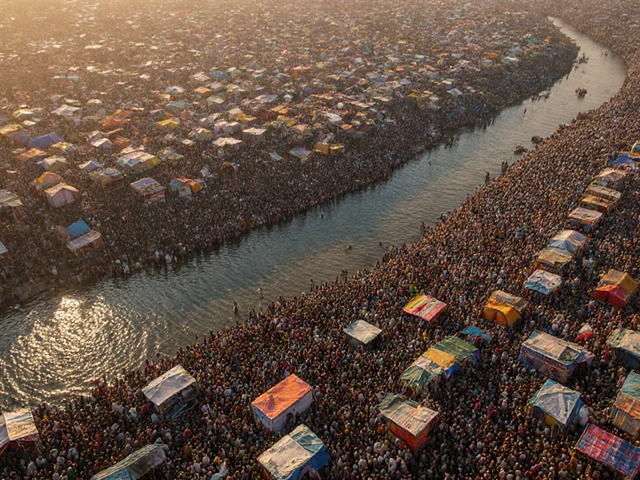
Imagine a crowd so massive it can be seen from space. Picture millions of people gathering in one place, not for a concert or a political rally, but for a single act of faith. This isn’t science fiction; it’s the reality of the Kumbh Mela, the largest peaceful gathering of humanity on Earth and one of the most spectacular Hindu festivals ever conceived. If you are planning a trip to India with an interest in deep culture and spirituality, this festival sits at the very top of the list. It is overwhelming, chaotic, beautiful, and utterly unique.
Many travelers ask me which Hindu festival offers the best experience. While Diwali (the Festival of Lights) is visually stunning and Holi (the Festival of Colors) is fun, they are widespread celebrations. The Kumbh Mela is different. It is a pilgrimage that moves location based on astrological alignments. It draws over 100 million visitors over its duration, making it a logistical marvel and a spiritual earthquake. For anyone booking temple tours in India, understanding the scale and significance of this event is crucial.
Why the Kumbh Mela Stands Apart
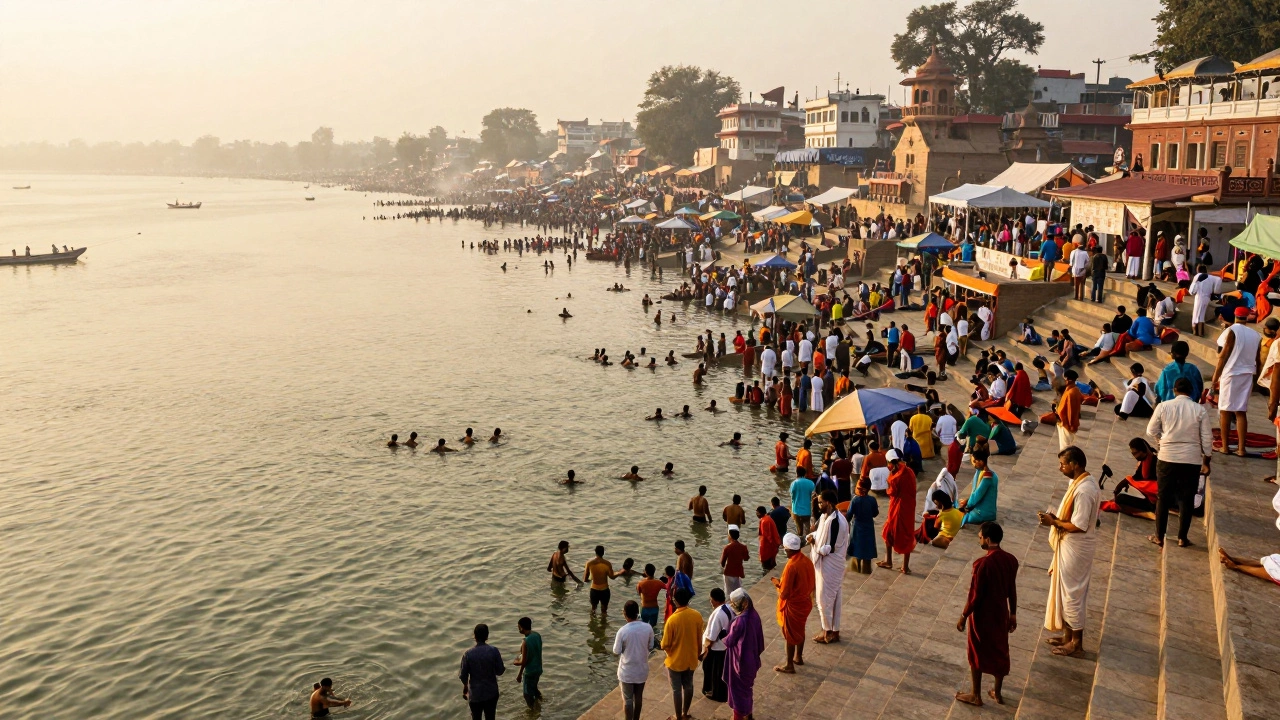
To understand why this festival is so spectacular, you have to look beyond the numbers. Yes, the Guinness World Record for the largest religious gathering belongs to the Kumbh Mela. But the spectacle lies in the diversity of the participants. You will see sadhus (holy men) covered in ash, kings in silk, farmers in cotton, and tourists from every continent. They all share one goal: taking a holy dip in the river to wash away sins.
The festival rotates among four sacred cities in India: Prayagraj (formerly Allahabad), Haridwar, Nashik, and Ujjain. Each city hosts the Mela every twelve years, while a smaller version called the Ardh Kumbh occurs every six years. The next major Prayagraj Kumbh Mela was held in early 2025, meaning the next big cycle is still a few years away. However, the Ardh Kumbh in Haridwar often provides a more accessible entry point for international travelers who might find the full-scale Mela too daunting.
| City | River Confluence | Frequency | Vibe & Accessibility |
|---|---|---|---|
| Prayagraj | Ganges, Yamuna, Saraswati (mythical) | Every 12 years | Most intense, historic, crowded |
| Haridwar | Ganges entering the plains | Every 12 years | Hilly backdrop, slightly easier logistics |
| Nashik | Godavari River | Every 12 years | Western India, warmer climate |
| Ujjain | Every 12 years | Central India, ancient temples nearby |
The Spiritual Core: Why People Gather
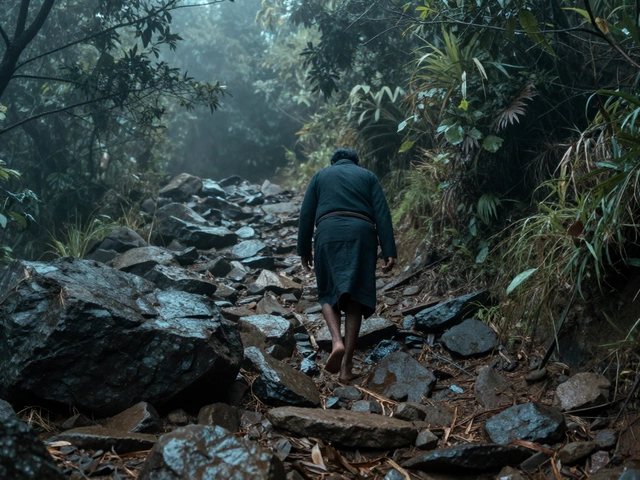
You might wonder why someone would endure such crowds. The answer lies in the concept of Moksha, or liberation from the cycle of rebirth. Hindus believe that bathing in the sacred rivers during specific planetary alignments purifies the soul. The water is considered amrit (nectar) during these periods. For many pilgrims, this is once-in-a-lifetime opportunity. Some elderly devotees travel weeks by foot just to reach the ghats (riverfront steps).
The ritual itself is simple yet profound. Devotees immerse themselves completely in the river, often chanting mantras. The sight of thousands of people entering the water simultaneously, creating ripples that merge into one, is hypnotic. It represents the unity of individual souls with the divine. This shared purpose creates a strange sense of community. Strangers help each other carry bags, share food, and watch over belongings. In the midst of chaos, there is order born of faith.
Meeting the Naga Sadhus: The Festival's Icons
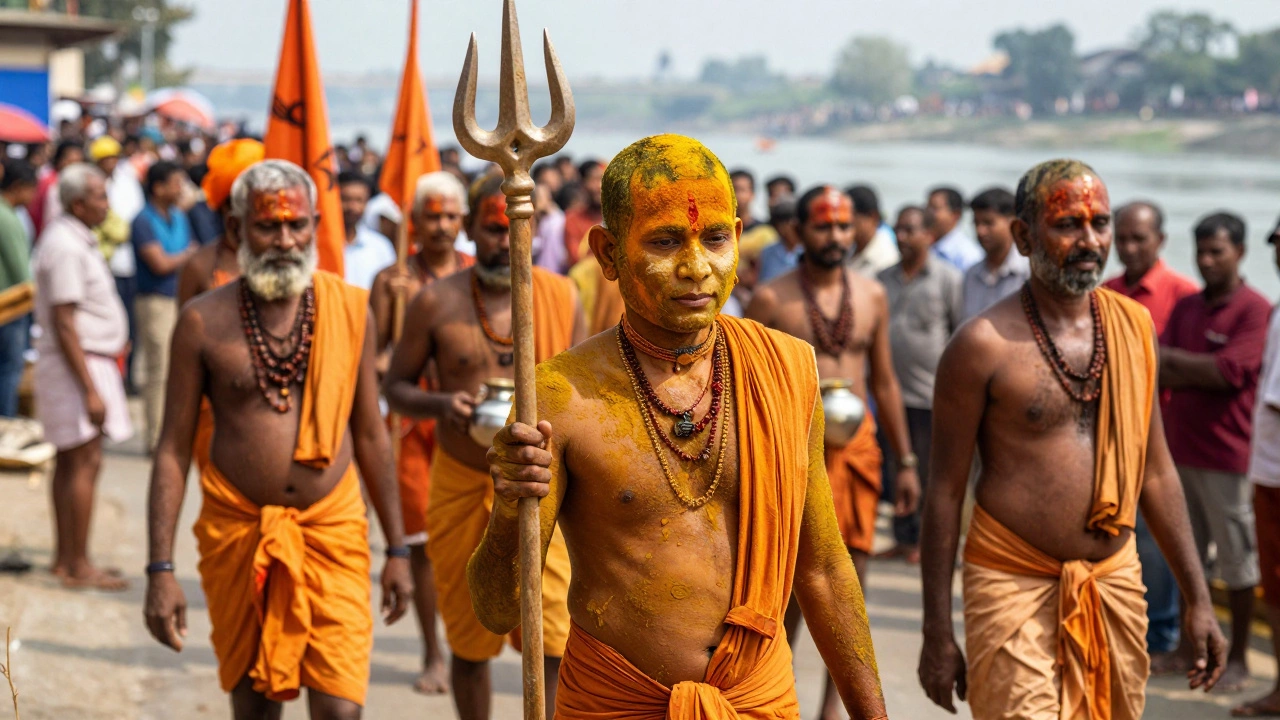
If you want the true spectacle, you need to witness the procession of the Naga Sadhus. These are ascetic monks who renounce worldly possessions. They cover their bodies with vibhuti (sacred ash) and carry tridents made from trees. Their first bath of the festival is a grand parade known as the Shahi Snan (Royal Bath). Watching them march through the temporary city is like stepping into a mythological story.
These sadhus belong to various akharas (monastic orders). Each has its own flag, dress code, and hierarchy. Interacting with them requires respect and caution. They are not performers; they are serious practitioners. As a visitor, your role is to observe quietly. Do not touch them without permission, and always ask before taking photos. Many are open to conversation if approached with humility, offering insights into centuries-old traditions that predate modern Hinduism.
Logistics: How to Visit Without Losing Your Mind
Let’s be honest: attending the Kumbh Mela is not a relaxing beach holiday. It is an endurance test. The temporary city built for the event includes roads, electricity, water supply, and medical facilities, but it operates on a different rhythm. Here is how to prepare:
- Book Early: Accommodation fills up months in advance. Tents range from basic sleeping quarters to luxury glamping sites with private bathrooms. Prices skyrocket closer to the date.
- Visa Requirements: Ensure you have an e-Visa for India well before your trip. Check current regulations, as rules can change. The visa process usually takes a few days, but don’t leave it to the last minute.
- Health Precautions: Drink only bottled water. Carry hand sanitizer and oral rehydration salts. The density of people increases the risk of stomach bugs. Vaccinations for Hepatitis A and Typhoid are recommended.
- Navigation: Download offline maps. Mobile networks often crash due to the sheer number of users. Learn key phrases in Hindi, such as "Jai Shri Ram" (a common greeting) and "Kahan hai toilet?" (Where is the toilet?).
- Clothing: Wear modest, light-colored cotton clothes. Avoid synthetic fabrics that trap heat. Bring a scarf to cover your head when visiting temples or near sadhus.
Beyond the Dip: Cultural Experiences
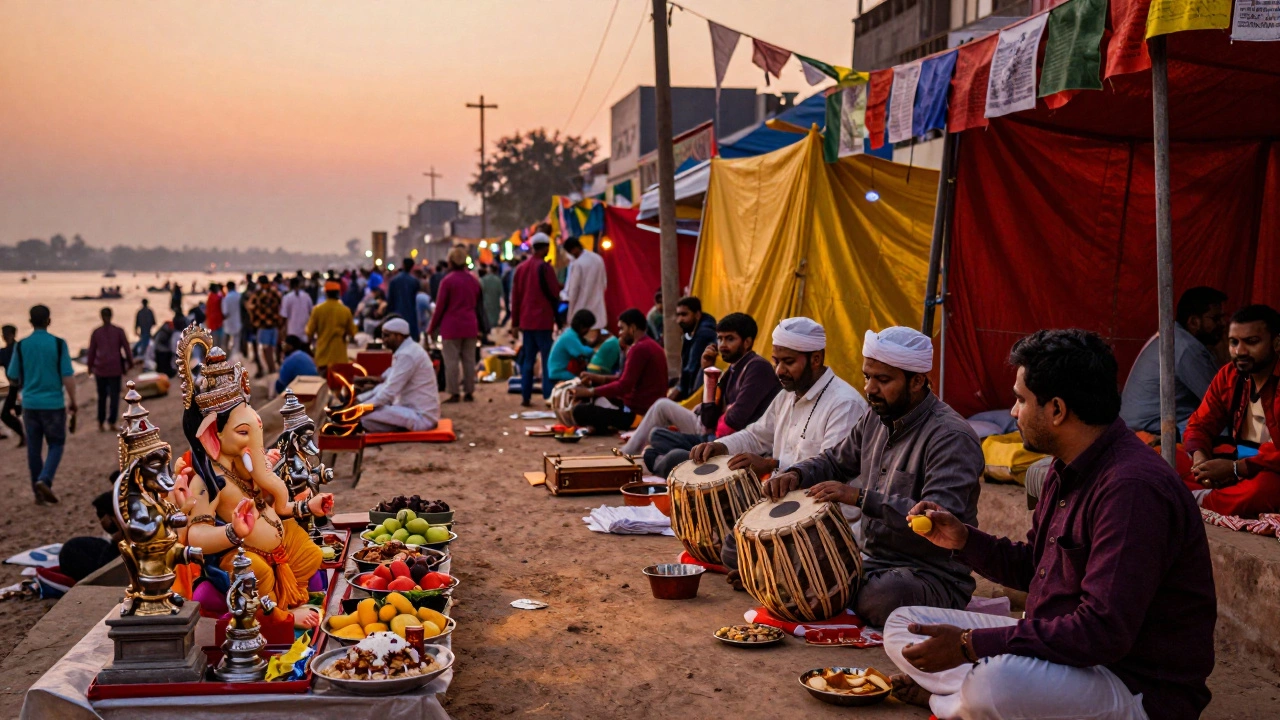
The Kumbh Mela is not just about bathing. It is a living museum of Indian culture. You will hear Vedic chants echoing across the riverbanks at dawn. Philosophers debate theology under tents. Musicians play traditional instruments like the harmonium and tabla. Street vendors sell everything from fresh fruit chaat to intricate metal idols of Ganesha.
For those interested in temple tours in India, the Mela connects directly to nearby ancient sites. In Prayagraj, you can visit the Durga Temple and the Hanuman Garhi. In Haridwar, the Mansa Devi Temple offers panoramic views of the Ganges. Combining the festival with visits to these structures gives you context. You see how the river worship fits into the broader architectural and historical landscape of North India.
Food is another highlight. Try the langar (community kitchen) meals served by Sikh volunteers. They provide free vegetarian food to everyone, regardless of religion. It’s a powerful example of service and equality. Alternatively, explore the street food stalls for samosas, jalebis, and chai. Just stick to cooked, hot items to avoid illness.
When to Go: Timing Your Visit
Timing is everything. The festival lasts for several weeks, but the main bathing days (Shahi Snan) are determined by astrology. These dates are announced months in advance. Arriving two days before a major Shahi Snan ensures you catch the peak energy. However, the crowds are thickest then. If you prefer a slightly quieter experience, visit mid-cycle. The spiritual atmosphere remains strong, but the pressure valve is released.
Weather plays a huge role. Winter (January-February) is ideal for Prayagraj and Haridwar, with cool mornings and sunny afternoons. Summer festivals in Nashik or Ujjain can be scorching, with temperatures exceeding 40°C (104°F). Plan accordingly. Hydration is non-negotiable.
Safety and Respect: Navigating the Crowd
Safety is generally good because the government deploys thousands of police and paramilitary forces. Pickpocketing is the main risk. Keep your passport, money, and phone in a hidden waist belt. Never flash expensive jewelry or cameras. Use a money belt under your clothes.
Respect local customs. Women should dress conservatively. Avoid public displays of affection. When photographing people, especially sadhus and pilgrims, always ask first. A smile and a nod go a long way. Remember, this is a sacred space for millions. Your presence is a privilege, not a right.
If you get separated from your group, stay calm. Head to the nearest police booth or information center. Volunteers are trained to help foreigners. Keep a printed copy of your hotel address and emergency contacts. Digital devices may fail, but paper doesn’t.
Alternative Festivals for Smaller Crowds
If the scale of the Kumbh Mela feels too intimidating, consider other spectacular Hindu festivals that offer similar cultural depth with manageable crowds. Diwali in Jaipur or Udaipur transforms palaces into glowing spectacles. Holi in Mathura is vibrant and energetic, though still crowded. Dussehra in Mysore features a grand procession and fireworks. These events are easier to navigate for first-time visitors to India and still provide authentic spiritual and cultural immersion.
Each festival has its own flavor. Diwali is about light overcoming darkness. Holi is about love and renewal. Dussehra celebrates good triumphing over evil. Choose based on your interests and comfort level with crowds.
Is the Kumbh Mela safe for foreign tourists?
Yes, it is generally safe due to heavy security presence. However, petty theft like pickpocketing is common in large crowds. Use a money belt, keep valuables hidden, and stay aware of your surroundings. Avoid isolated areas at night.
How much does it cost to attend the Kumbh Mela?
Costs vary widely. Basic tent accommodation can cost $10-$20 per night, while luxury camps charge $100+. Food is cheap ($1-$5 per meal). Budget around $500-$1000 for a week-long trip including flights and visas, depending on your comfort level.
Can women participate in the holy dip?
Absolutely. Women participate fully in the rituals. There are separate sections and times for women to bathe, ensuring privacy and safety. Dress modestly and consider wearing a swimsuit under loose clothing for ease.
What is the best time to visit the Kumbh Mela?
Winter months (January-February) are best for Prayagraj and Haridwar due to pleasant weather. Check the astrological calendar for Shahi Snan dates. Arrive 2-3 days early to settle in and acclimatize.
Do I need a guide for the Kumbh Mela?
A local guide is highly recommended. They help navigate the massive site, explain rituals, arrange transport, and handle language barriers. Many tour operators specialize in Kumbh Mela packages, providing structured itineraries and support.