Responsible Wildlife Tourism Calculator
Plan your next wildlife sanctuary visit responsibly. Select the options that match your intended trip to see your sustainability score.
OUT OF 40 POINTS
Ready to Evaluate
Select your options above to see if your trip supports conservation or contributes to the problem.
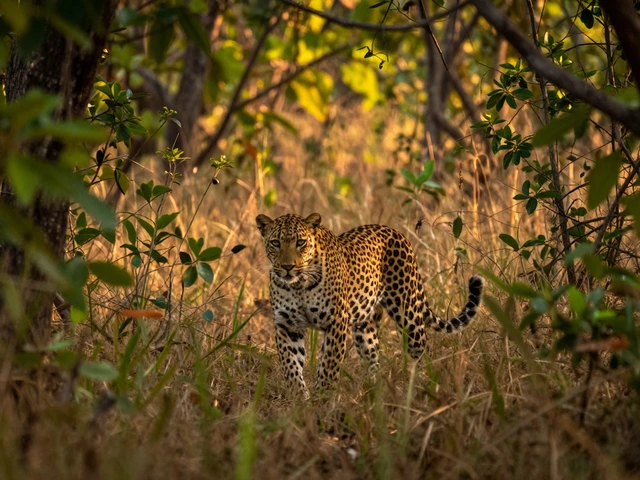
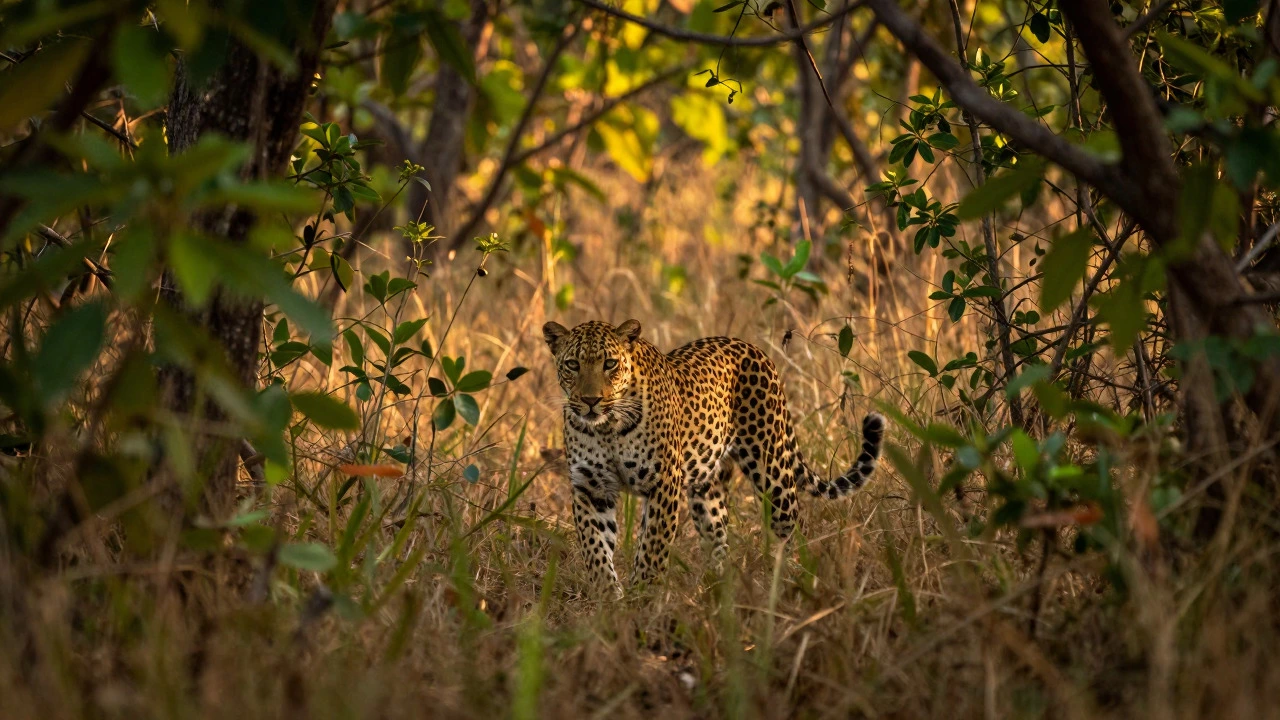
You stand at the edge of a dense forest, binoculars raised. A leopard moves silently through the underbrush, completely unaware of your presence. This moment is what millions of travelers chase when they visit wildlife sanctuaries are protected areas designated for the conservation of wildlife and their habitats. But behind that breathtaking image lies a complex debate. Are these protected zones actually helping nature, or are they just expensive parks for tourists to gawk at stressed animals?
The short answer is yes, but with major caveats. Wildlife sanctuaries play a critical role in stopping extinction, yet they often struggle with funding, human-wildlife conflict, and poor management. To understand if they are truly "good," we need to look past the marketing brochures and examine the science, the economics, and the ethical realities on the ground.
What Exactly Is a Wildlife Sanctuary?
Before judging their effectiveness, we need to define what we are talking about. A wildlife sanctuary is a specific type of protected area where hunting is prohibited and habitat destruction is limited. Unlike national parks, which often allow for more recreational activities like camping and hiking, sanctuaries usually have stricter rules. Human activity is minimized to protect the core ecosystem.
In many countries, including India and the United States, the legal definition varies. In India, for example, a wildlife sanctuary is declared under the Wildlife Protection Act. It focuses on protecting a particular species or group of species. A national park, by contrast, protects the entire ecosystem. This distinction matters because it changes how strict the enforcement needs to be. If you are visiting a place like the Jim Corbett National Park is India's oldest national park established in 1936., you are in a zone with broader ecological goals. If you are in a smaller tiger reserve buffer zone, the focus might be narrower.
Understanding this legal framework helps explain why some sanctuaries feel like open wilderness while others feel like crowded zoos without fences.
The Case for Conservation: Saving Species from Extinction
The primary argument for wildlife sanctuaries is simple: without them, many species would already be gone. Let’s look at the data. The global population of tigers has increased by approximately 40% since 2010, largely due to intensive protection efforts in reserves across Asia. Similarly, the recovery of the Bengal fox and various bird species in Indian sanctuaries highlights the direct link between protected land and species survival.
Biodiversity is the variety of life in the world or in a particular habitat or ecosystem. Sanctuaries act as arks for biodiversity. They preserve genetic diversity, which is crucial for species to adapt to climate change and diseases. When you protect a large enough area, you aren't just saving one animal; you are saving the plants, insects, fungi, and water systems that support it.
Consider the case of the Great Barrier Reef Marine Park is the world's largest coral reef system located off the coast of Australia.. While not a terrestrial sanctuary, it operates on similar principles. Strict zoning has helped certain coral populations recover after bleaching events. On land, places like the Serengeti National Park is a Tanzanian national park known for its annual migration of wildebeest and zebras. demonstrate that when poaching is controlled and habitat is maintained, megafauna can thrive in numbers unimaginable just a century ago.
The Economic Engine: Eco-Tourism and Local Communities
Conservation doesn't pay the bills. Tourism does. This is the controversial but necessary truth behind modern wildlife management. Eco-tourism is responsible travel to natural areas that conserves the environment and improves the well-being of local people. brings in revenue that funds anti-poaching patrols, veterinary care, and ranger salaries.
In regions like Karnataka or Uttarakhand in India, or the Maasai Mara in Kenya, tourism is often the largest employer. Without the money generated by visitors paying entry fees and booking lodges, local communities might resort to farming or logging within the sanctuary boundaries. This creates a vicious cycle of habitat loss. By making wildlife worth more alive than dead, sanctuaries align economic incentives with conservation goals.
However, this model has flaws. Often, the big profits go to external hotel chains rather than local families. If the community doesn't see tangible benefits-like better schools, roads, or jobs-they may tolerate wildlife less patiently. When a elephant crops a farmer's maize field, the farmer loses income. If the tourism revenue doesn't compensate for that loss, resentment builds, leading to illegal killings or fires set to drive animals away.
The Dark Side: Over-Tourism and Animal Stress
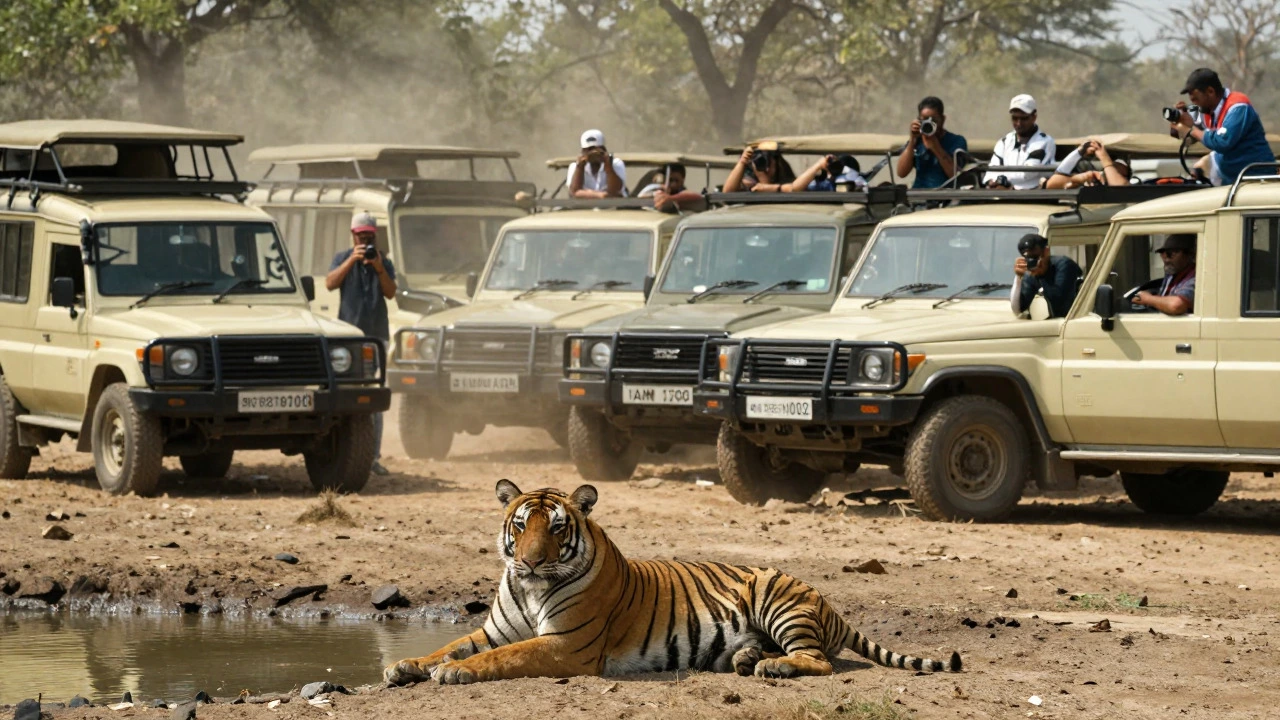
Here is where the question "are wildlife sanctuaries good?" gets complicated. Too much success can be bad. Popular sanctuaries often suffer from over-tourism. Imagine a safari jeep gridlock. Dozens of vehicles surround a single tiger, engines roaring, tourists shouting. For an apex predator, this is not a peaceful day; it is a high-stress event.
Studies have shown that excessive vehicle traffic increases cortisol levels in wild animals. Chronic stress affects reproduction rates and immune systems. In some poorly managed sanctuaries, the very act of watching wildlife becomes a threat to its health. We see this in places where regulations are lax, allowing private jeeps to roam freely without guides or limits on proximity.
Then there is the issue of infrastructure. Building roads, hotels, and parking lots inside or right next to sanctuaries fragments habitats. Animals need corridors to migrate and mate. When a highway cuts through a sanctuary buffer zone, it isolates populations, leading to inbreeding and reduced genetic viability. The line between protecting nature and exploiting it can blur quickly if management isn't rigorous.
Human-Wildlife Conflict: The Uncomfortable Reality
We cannot talk about sanctuaries without addressing the people living on their edges. As human populations grow, villages expand into forest buffers. This leads to human-wildlife conflict is interactions between humans and wild animals that negatively affect people's lives, livelihoods, or conservation of wild species.. Leashes attack livestock, snakes enter homes, and elephants raid crops.
For a tourist, this is a tragedy. For a farmer, it is a disaster. A good wildlife sanctuary program must include compensation schemes and mitigation strategies. Electric fences, early warning systems, and crop insurance are essential tools. Without these, sanctuaries become islands of nature surrounded by seas of hostility. The best sanctuaries don't just fence off animals; they work with neighboring communities to coexist.
| Model Type | Primary Focus | Tourism Level | Community Involvement | Risk Factors |
|---|---|---|---|---|
| Strict Preservation | Species Survival | Low/Restricted | Minimal | Funding shortages, poaching |
| Eco-Tourism Hub | Revenue Generation | High | Moderate (Jobs) | Animal stress, habitat fragmentation |
| Community Conservancy | Coexistence | Medium | High (Ownership) | Management complexity, slow results |

How to Visit Responsibly: A Traveler's Checklist
If you decide to visit a wildlife sanctuary, your behavior matters. You can be part of the solution or part of the problem. Here is how to ensure your visit supports conservation rather than hindering it.
- Choose Accredited Operators: Look for tour companies that employ local guides and follow strict codes of conduct. Avoid operators that promise "guaranteed sightings" by using bait or chasing animals.
- Respect Distance Rules: If a guide says back up, back up. Your photo is not worth the animal's stress. Use telephoto lenses instead of getting close.
- Stay in Eco-Lodges: Support accommodations that use solar power, recycle water, and source food locally. Check if they contribute a percentage of profits to conservation funds.
- No Plastic, No Noise: Carry out all trash. Keep voices low. Remember, you are a guest in their home.
- Buy Local Crafts: Spend money in the village, not just at the park gate. This reinforces the economic value of keeping the forest intact.
The Future of Protected Areas
The concept of the wildlife sanctuary is evolving. Modern conservationists are moving away from "fortress conservation"-where people are banned entirely-toward landscape-level approaches. This means creating networks of sanctuaries connected by wildlife corridors. It also means integrating indigenous knowledge, who have often lived sustainably in these forests for centuries.
Technology is also changing the game. Camera traps, drone monitoring, and AI-driven analytics help rangers track animal movements and detect poachers in real-time. These tools make sanctuaries more efficient and safer for both staff and animals.
So, are wildlife sanctuaries good? Yes, they are essential. But they are not perfect. They require constant vigilance, adequate funding, and smart management. As travelers, we hold power. By choosing where and how we spend our money, we vote for the kind of conservation we want to see. Support the sanctuaries that treat animals with respect and communities with fairness. That is the only way these green oases will survive for future generations.
What is the difference between a wildlife sanctuary and a national park?
A wildlife sanctuary typically focuses on protecting specific species or habitats with stricter restrictions on human activity. Hunting is generally banned. A national park protects the entire ecosystem and often allows for more recreational activities like hiking, camping, and sightseeing, though hunting is still prohibited. Legal definitions vary by country, but sanctuaries usually have less public access than national parks.
Do wildlife sanctuaries really stop poaching?
Yes, when properly funded and staffed. Sanctuaries provide a legal framework for anti-poaching units to operate. Rangers patrol borders and interior zones, using technology like camera traps and drones. However, poaching remains a challenge in underfunded areas or regions with weak law enforcement. Success depends heavily on budget and political will.
Is eco-tourism always good for wildlife?
Not always. While it provides crucial funding, unregulated eco-tourism can cause stress to animals, disrupt breeding patterns, and lead to habitat degradation. Responsible eco-tourism requires strict limits on visitor numbers, enforced distance rules, and trained guides. Poorly managed tourism can do more harm than good.
How can I tell if a wildlife sanctuary is well-managed?
Look for signs of active management: clear signage about rules, visible ranger presence, and educated guides who emphasize animal welfare over guaranteed sightings. Well-managed sanctuaries often publish reports on their conservation efforts and involve local communities in decision-making. Avoid places where animals appear habituated to cars or where crowds are allowed to encroach on resting animals.
What should I do if I witness illegal activity in a sanctuary?
If you see poaching, littering, or aggressive behavior towards animals, report it immediately to park authorities or your tour operator. Many sanctuaries have hotlines or apps for reporting incidents. Document the event safely if possible, but prioritize your safety. Your report can help rangers take action and improve enforcement.