Temple Matchmaker
Answer a few questions to find temples that match your interests. Select the option that best describes what you value most in your temple experience.
Select your interests to see personalized temple recommendations
India isn’t just home to temples-it’s home to some of the most breathtaking sacred architecture on Earth. If you’ve ever wondered which temple is truly beautiful in India, the answer isn’t one single place. It’s a collection of structures where stone, spirit, and skill come together in ways that leave visitors speechless. These aren’t just places of worship. They’re living museums, cosmic diagrams carved in granite, and masterpieces that have stood for centuries under monsoons, invasions, and time itself.
Meenakshi Amman Temple, Madurai
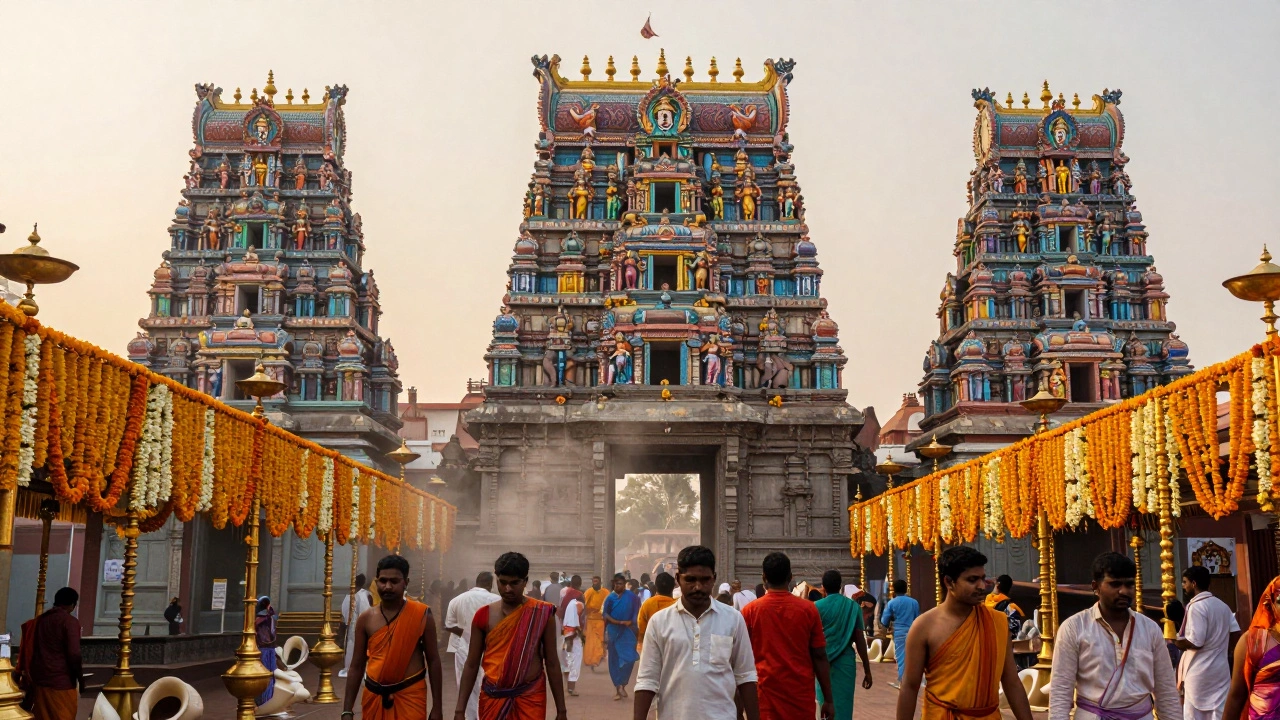
The first temple that steals your breath isn’t the tallest or the oldest-it’s the most alive. Meenakshi Amman Temple in Madurai pulses with color, sound, and movement. Over 33,000 sculptures cover its 14 gopurams (towering gateways), each one painted in vivid blues, reds, and golds. Walk through the corridors and you’ll see elephants carved mid-stride, gods dancing, and goddesses with intricate jewelry rendered in stone. The temple complex is a city within a city, with markets selling jasmine garlands, brass lamps, and temple sweets. At dawn, the sound of conch shells and chanting fills the air as priests perform the first puja. This isn’t a museum piece. It’s a living, breathing heart of Tamil culture.
Khajuraho Group of Monuments, Madhya Pradesh
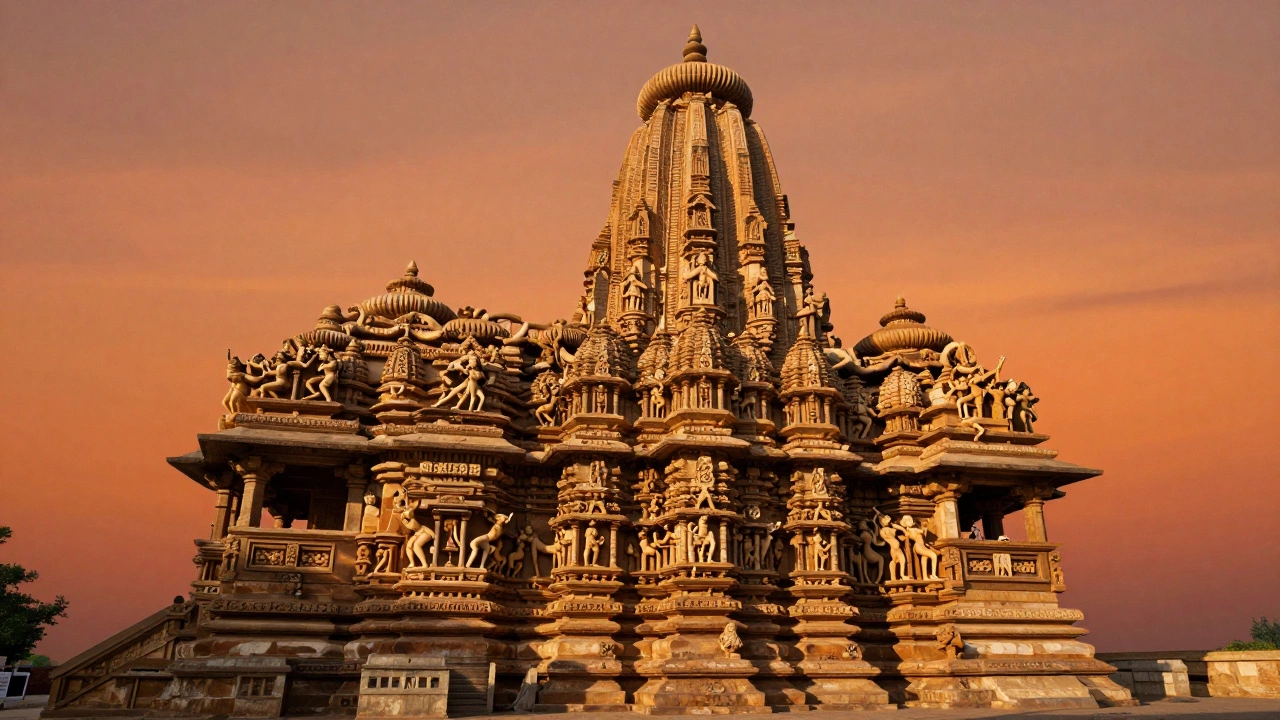
If you think Indian temples are only about solemn prayer, Khajuraho will change your mind. Built between 950 and 1050 CE by the Chandela dynasty, these temples are famous for their erotic sculptures-but that’s only a small part of the story. The real beauty lies in the precision of the carvings. Every inch of stone tells a story: dancers mid-pirouette, musicians with flutes, warriors in battle, and celestial beings floating in midair. The Kandariya Mahadeva Temple, the largest, rises like a mountain of sandstone, its spire piercing the sky. The carvings aren’t meant to shock-they’re a celebration of life in all its forms, from devotion to desire. UNESCO recognized this site not just for its art, but for how it captures the philosophy of ancient India: that spirituality and sensuality are not opposites, but parts of the same whole.
Golden Temple (Harmandir Sahib), Amritsar
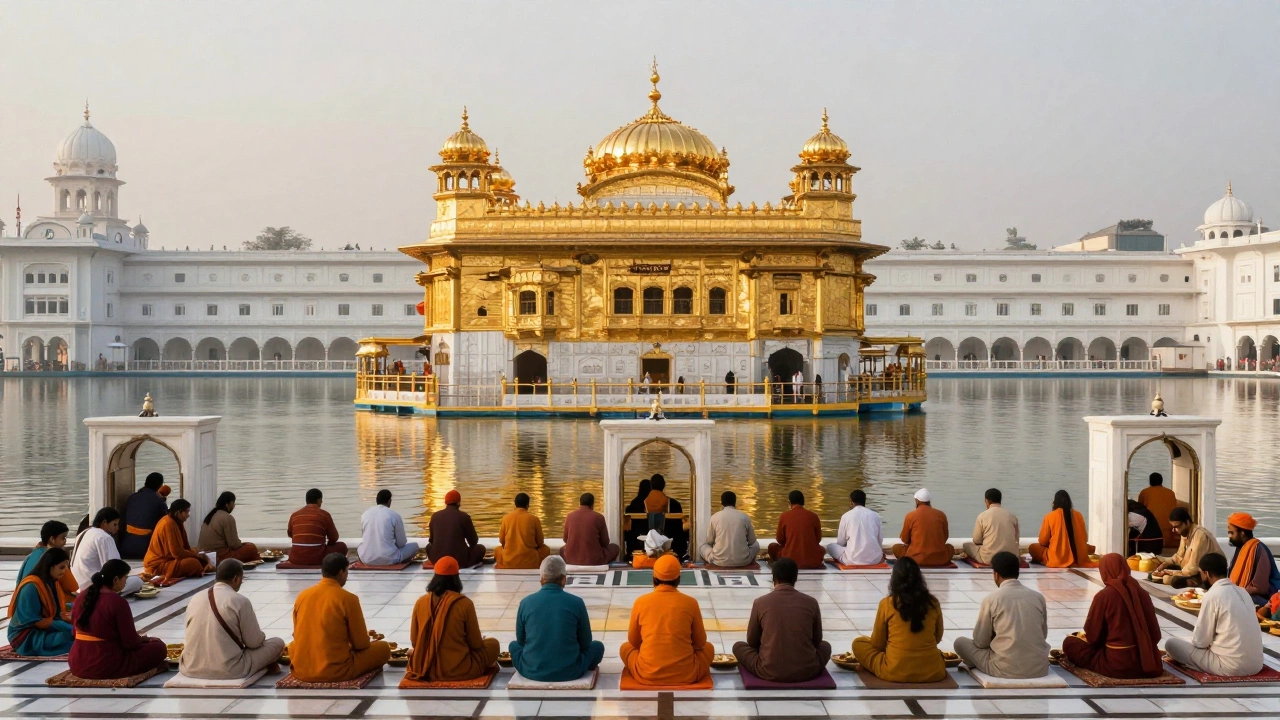
Not all beautiful temples in India are Hindu. The Golden Temple in Amritsar is the spiritual center of Sikhism-and one of the most visually stunning places on the planet. Its upper floors are covered in over 400 kilograms of pure gold, reflecting in the surrounding pool of water like liquid fire. What makes it more than just a glittering structure is its openness. Unlike many temples that restrict entry, the Golden Temple welcomes everyone-regardless of religion, caste, or background. The langar, or free community kitchen, serves over 100,000 meals daily. People sit cross-legged on the floor, eating together. The architecture is simple, yet powerful: four entrances symbolize openness, and the temple sits lower than the surrounding land, reminding visitors to humble themselves. It’s beauty rooted in equality.
Konark Sun Temple, Odisha
Imagine a temple shaped like a giant chariot, pulled by seven stone horses, with twelve pairs of wheels carved to act as sundials. That’s Konark. Built in 1250 CE to honor Surya, the sun god, this temple was designed as a cosmic machine. The wheels, each 9 feet in diameter, have 24 spokes and align with the solstices. The temple’s main sanctum collapsed centuries ago, but what remains is still awe-inspiring. The walls are covered in carvings of dancers, musicians, animals, and daily life from 800 years ago. The craftsmanship is so fine you can see the folds in fabric and the expression on a dancer’s face. It’s not just beautiful-it’s a scientific marvel. Scientists still study its alignment to understand how ancient builders mapped the sun’s path without modern tools.
Virupaksha Temple, Hampi
Set amid the ruins of the Vijayanagara Empire, the Virupaksha Temple in Hampi feels like stepping into a forgotten kingdom. Unlike the polished grandeur of other temples, this one has weathered centuries of dust, war, and monsoon rains-and still stands. Its 50-meter gopuram dominates the skyline, visible from miles away. Inside, the temple is a maze of halls, shrines, and courtyards filled with ancient inscriptions and oil lamps that never go out. The air smells of incense and sandalwood. What makes it special is how it’s still fully active. Pilgrims come to offer coconuts, tie threads around the banyan tree, and bathe in the sacred Tungabhadra River. The temple doesn’t just survive-it thrives. It’s a reminder that beauty isn’t about perfection. Sometimes, it’s about endurance.
Shri Ranganathaswamy Temple, Srirangam
It’s the largest functioning Hindu temple in the world-and it’s hidden in plain sight in the town of Srirangam, near Tiruchirappalli. The temple is surrounded by seven concentric walls, each with its own gopuram, creating a maze-like journey from the outer gate to the inner sanctum. Walking through these walls feels like passing through layers of time. The tallest gopuram, the Rajagopuram, is 236 feet tall and took over 100 years to complete. Inside, the main deity, Lord Ranganatha, reclines on the serpent Adishesha, covered in gold and jewels. Thousands of devotees come each day, some walking barefoot from hundreds of miles away. The temple’s beauty isn’t just in its size or gold-it’s in the rhythm of devotion. The daily rituals, the chants, the offering of food, the ringing of bells-they all blend into a continuous song of faith.
Why These Temples Stand Out
What makes these temples beautiful isn’t just their size or age. It’s how they connect the physical world with the spiritual. Meenakshi pulses with color. Khajuraho whispers stories of life. The Golden Temple radiates peace through equality. Konark calculates the sun’s path. Virupaksha endures through time. Srirangam hums with daily devotion. Each one uses architecture not just to impress, but to invite-into wonder, into silence, into community.
Many tourists visit India for its beaches or mountains. But the most unforgettable experiences often happen in these sacred spaces. You don’t need to be religious to feel something here. You just need to be present.
Best Time to Visit
Temple tours in India are best planned around the seasons. From October to March, the weather is mild across most regions-ideal for walking long temple corridors under clear skies. Avoid the monsoon (June to September) in South India, where heavy rains can flood pathways and delay rituals. In North India, summers (April to June) are scorching, especially in places like Khajuraho and Amritsar. Early morning visits are best-fewer crowds, cooler air, and the chance to witness morning rituals before the day gets busy.
What to Expect When You Visit
- Dress modestly: Shoulders and knees should be covered. Many temples provide cloth wraps if you forget.
- Remove footwear: You’ll leave your shoes outside. Keep valuables with you.
- Photography rules: Some inner sanctums ban photos. Look for signs or ask a priest.
- Respect rituals: Don’t walk in front of priests during puja. Wait until they finish.
- Carry water: Many temples are large and hot. Staying hydrated helps.
Temple Tours India: How to Plan
If you want to see multiple temples in one trip, plan a regional route. South India offers the densest concentration: Madurai, Srirangam, and Hampi are all within a 400-km radius. For a mix of styles, combine Khajuraho (Central India) with Konark (East) and Amritsar (North). Most travelers spend 3-5 days per region. Hire a local guide-they’ll explain the carvings, rituals, and history you’d miss on your own. Don’t try to cram too many temples in one day. Let each one breathe.
| Temple | Location | Architectural Style | Key Feature | Best For |
|---|---|---|---|---|
| Meenakshi Amman Temple | Madurai, Tamil Nadu | Dravidian | 33,000+ colorful sculptures | Color, energy, daily rituals |
| Khajuraho Temples | Madhya Pradesh | Nagara | Erotic and daily life carvings | Art, history, sculpture |
| Golden Temple | Amritsar, Punjab | Sikh | Gold-plated dome, free langar | Peace, equality, community |
| Konark Sun Temple | Odisha | Kalinga | Chariot-shaped, solar alignment | Engineering, astronomy |
| Virupaksha Temple | Hampi, Karnataka | Vijayanagara | 50-meter gopuram, living ruins | History, endurance, atmosphere |
| Shri Ranganathaswamy | Srirangam, Tamil Nadu | Dravidian | 7 concentric walls, largest active temple | Scale, devotion, tradition |
What You Won’t See on Tour Buses
Most guided tours rush you through the main shrine and call it a day. But the real magic is in the corners. Look for the small shrines tucked behind pillars. Watch the elderly woman lighting a single oil lamp for her husband’s health. Notice how children touch the temple wall before running off to play. These quiet moments-unphotographed, unmentioned in guidebooks-are what make these places sacred.
Don’t just visit a temple. Sit on a step. Listen. Breathe. Let the stone speak.
Which temple in India is considered the most beautiful?
There’s no single answer-it depends on what moves you. Meenakshi Amman Temple dazzles with color and energy. The Golden Temple radiates peace through its simplicity and equality. Khajuraho awes with its ancient artistry. Konark stuns with its astronomical precision. Each temple offers a different kind of beauty: emotional, spiritual, artistic, or intellectual.
Are these temples open to tourists of all religions?
Yes, most major temples welcome visitors of all faiths. The Golden Temple actively encourages everyone to enter and eat in the langar. Meenakshi and Virupaksha allow non-Hindus to walk through outer courtyards and view the architecture. Some inner sanctums restrict entry to devotees, but you can still experience the atmosphere, rituals, and art from outside. Always check signs or ask politely before entering restricted areas.
Can I take photos inside the temples?
Photography is allowed in most outer areas and courtyards. But inside the main sanctum (garbhagriha), cameras and phones are usually banned to preserve sanctity. Signs will be posted, and guards may ask you to put your phone away. If you’re unsure, ask a temple volunteer-they’re usually happy to guide you.
What’s the best way to visit multiple temples in India?
Group them by region to save travel time. In South India, visit Madurai, Srirangam, and Hampi in a 5-day loop. In Central India, focus on Khajuraho and nearby Orchha. For a north-south mix, combine Amritsar with Konark and then head to Tamil Nadu. Hire a local driver or join a small-group tour focused on heritage. Avoid trying to visit more than two temples a day-each deserves time to be truly seen.
Do I need to dress a certain way to enter temples?
Yes. Cover your shoulders and knees. Women should avoid shorts, tank tops, or revealing dresses. Men should avoid sleeveless shirts and shorts. Most temples provide free cloth wraps at the entrance if you’re not dressed appropriately. It’s not just a rule-it’s a sign of respect. When in doubt, cover more than you think you need to.
Final Thought
India’s temples aren’t just destinations. They’re experiences that stay with you long after you’ve left. You won’t just remember their beauty-you’ll remember how you felt standing under a carved gopuram, listening to chants echo off ancient stone, or sharing a meal with strangers who became friends. That’s the real gift these places offer: not just sight, but connection.