Explore India's Cultural Regions
Click on a region to discover its unique linguistic and cultural identity.
North India
Hindi, PunjabiSouth India
Tamil, TeluguEast India
Bengali, OdiaWest India
Gujarati, MarathiReady to Explore?
Select a region from the left to reveal its cultural secrets.
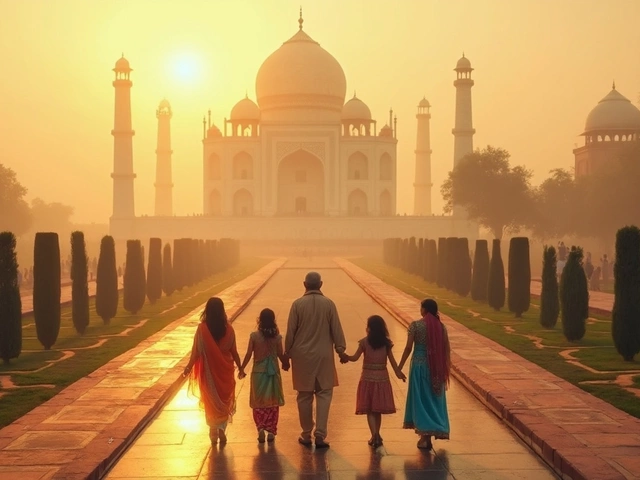
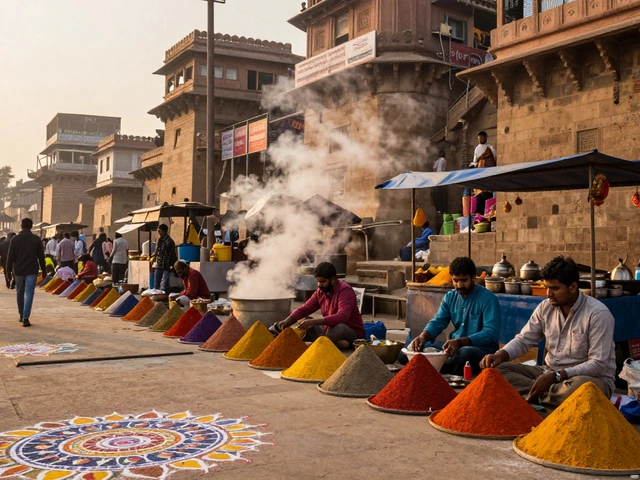
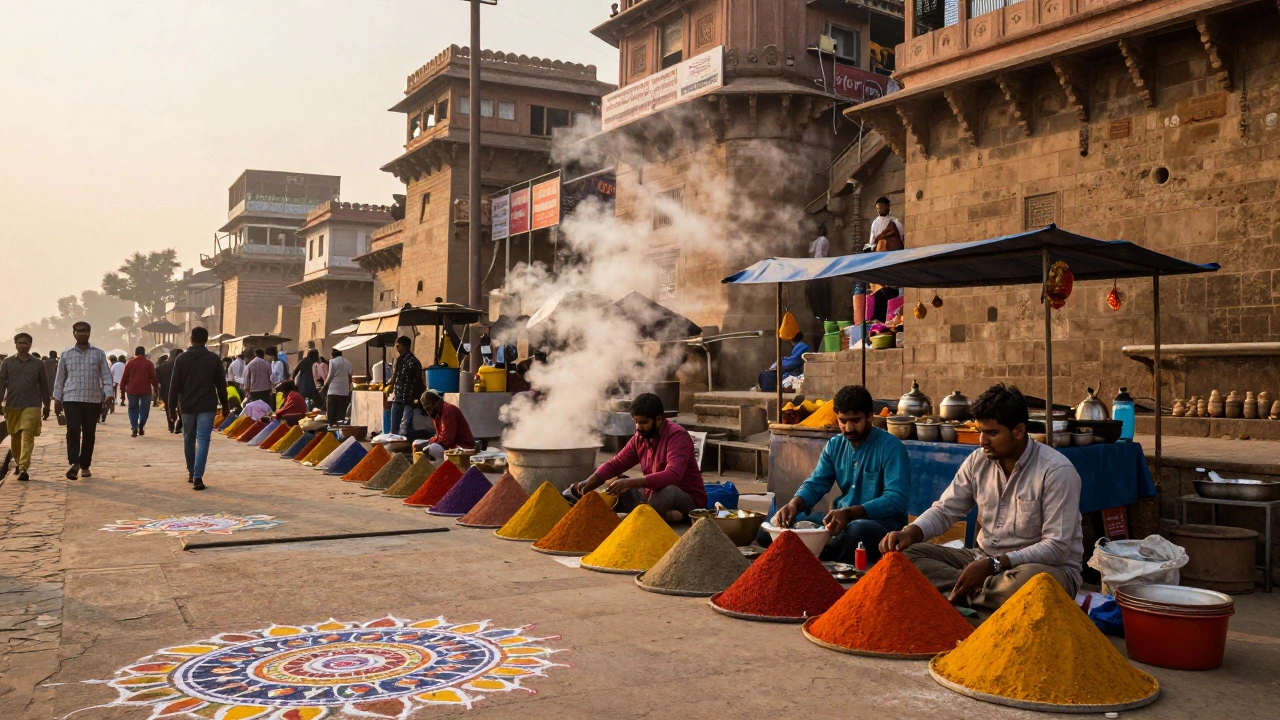
Have you ever walked through a market in Varanasi or stood before the grandeur of the Taj Mahal and felt like you were stepping into a living museum? It’s not just about the sights; it’s the sheer density of history, ritual, and daily life that makes India is a South Asian country known for its vast cultural diversity, ancient heritage sites, and vibrant traditions. feel so intensely cultural. For many travelers, India isn’t just a destination; it’s an experience that engages every sense. But why does this land of 1.4 billion people carry such a heavy, beautiful weight of tradition?
The answer lies in layers. India hasn’t just preserved its past; it has woven it into the fabric of modern life. From the way food is prepared to how festivals are celebrated, the line between 'heritage' and 'everyday routine' is often blurred. This article explores the roots of this phenomenon, focusing on the tangible heritage sites that anchor these traditions and the intangible practices that keep them alive.
The Mosaic of Languages and Scripts
One of the first things you’ll notice is the linguistic diversity. India is home to hundreds of languages and thousands of dialects. When you look at a street sign in Mumbai, you might see Marathi, Hindi, and English all together. In Chennai, Tamil dominates. This isn’t just about communication; it’s about identity. Each language carries its own literature, poetry, and historical consciousness.
Consider the script itself. The visual complexity of Devanagari, Bengali, or Tamil scripts adds a layer of aesthetic richness to public spaces. Calligraphy isn’t just an art form here; it’s functional. When you see a temple inscription or a traditional wedding invitation, the style of writing tells you as much about the region and occasion as the words themselves. This visual literacy creates a constant connection to history. You don’t just read the past; you see it on walls, books, and digital screens.
| Region | Primary Language | Cultural Highlight |
|---|---|---|
| North India | Hindi, Punjabi | Festivals like Holi and Diwali have distinct regional flavors |
| South India | Tamil, Telugu, Kannada, Malayalam | Classical dance forms like Bharatanatyam and Kathakali |
| East India | Bengali, Odia | Literary traditions and Durga Puja pandals |
| West India | Gujarati, Marathi | Business heritage and textile arts |
Heritage Sites as Living Anchors
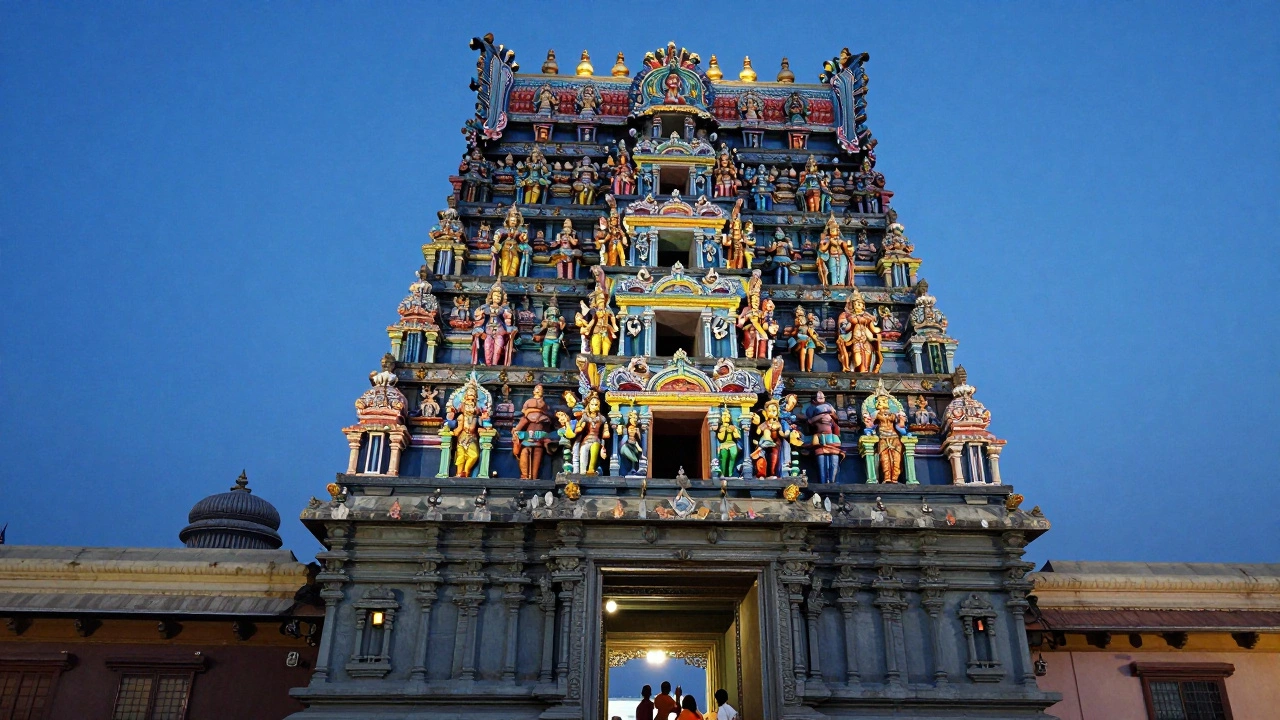
When we talk about heritage sites india is historical locations across India that preserve architectural, religious, and cultural significance from various dynasties and eras., we aren’t just talking about ruins behind ropes. Many of these sites are still active centers of worship, learning, or community gathering. Take the Meenakshi Amman Temple in Madurai. It’s a UNESCO World Heritage site candidate, yes, but it’s also a bustling hub where thousands of devotees pray daily. The architecture, with its towering gopurams (gateways) covered in colorful sculptures, isn’t static. It’s part of a living ritual cycle.
Similarly, the Red Fort in Delhi or the Amber Fort in Jaipur may host light and sound shows for tourists, but their origins as seats of power remind visitors of the political histories that shaped the subcontinent. These structures serve as physical anchors for stories passed down through generations. They provide context to the abstract idea of 'culture.' You can touch the stone, walk the corridors, and understand the scale of empires that once ruled here.
Even smaller sites matter. Stepwells in Gujarat, like Rani ki Vav, show how communities adapted to climate challenges centuries ago. These aren’t just engineering feats; they reflect social structures, gender roles, and religious beliefs embedded in design. Visiting them offers a window into how people lived, worked, and worshipped long before modern infrastructure existed.
Festivals: The Pulse of Daily Life
If heritage sites are the bones of Indian culture, festivals are the heartbeat. There seems to be a celebration every month, if not every week. But these aren’t just parties; they’re deeply rooted in agricultural cycles, mythological narratives, and seasonal changes. Diwali, the festival of lights, marks the victory of light over darkness and coincides with the harvest season in many parts. Holi celebrates spring and the triumph of good over evil, but it also serves as a social equalizer, breaking down barriers of caste and class through playful chaos.
What makes these festivals feel so cultural is their inclusivity. You don’t need to be a scholar to participate. Children make rangoli patterns at doorsteps. Families prepare specific dishes. Communities come together to build temporary structures for Durga Puja in Kolkata. These activities reinforce social bonds and transmit values to younger generations. Watching a local family celebrate Ganesh Chaturthi with a homemade idol gives you more insight than any textbook could.
Moreover, festivals dictate the rhythm of economic life. Markets buzz with activity leading up to Eid or Christmas. Artisans rush to complete handicrafts. Travelers who time their visits around these events witness a side of India that is energetic, communal, and profoundly authentic. It’s not performance tourism; it’s real life happening in high definition.
Cuisine: A Story on a Plate
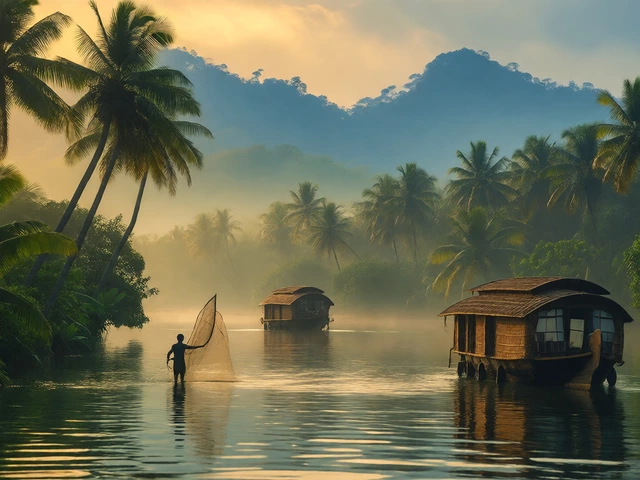
Food in India is never just fuel. It’s medicine, ritual, and art. The diversity of cuisine mirrors the geographical and climatic variety of the country. In Kerala, coconut and rice dominate due to the tropical climate. In Punjab, wheat-based breads and dairy products thrive in the fertile plains. In Bengal, fish is central because of the riverine landscape.
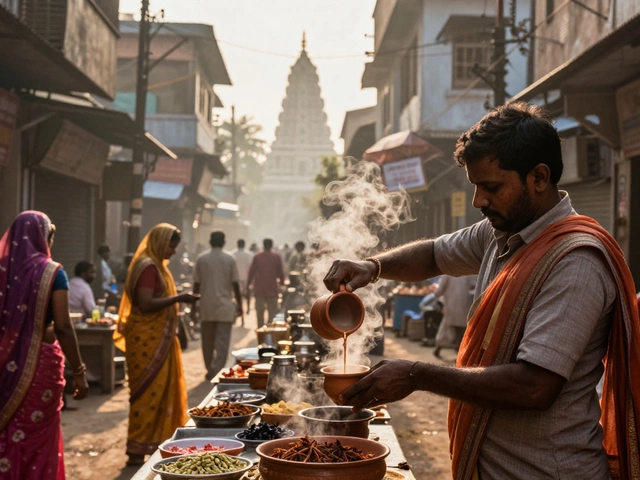
But beyond ingredients, it’s the methods that tell the story. Slow-cooked curries, hand-rolled naans, and fermented batters require patience and skill passed down through families. Street food vendors in Hyderabad or Lucknow have perfected techniques over decades, creating flavors that are complex and layered. Eating chaat in Delhi or dosa in Bangalore connects you directly to the culinary heritage of those regions.
Religious dietary laws also play a huge role. Hindu vegetarianism, Islamic halal practices, and Jain restrictions shape what people eat and how they cook. This isn’t just about restriction; it’s about mindfulness and respect for nature. Sharing a meal in India often involves communal eating, where everyone dips into shared dishes. This practice fosters intimacy and trust, turning dinner into a social event rather than a solitary act.
Arts and Crafts: Hands-On History
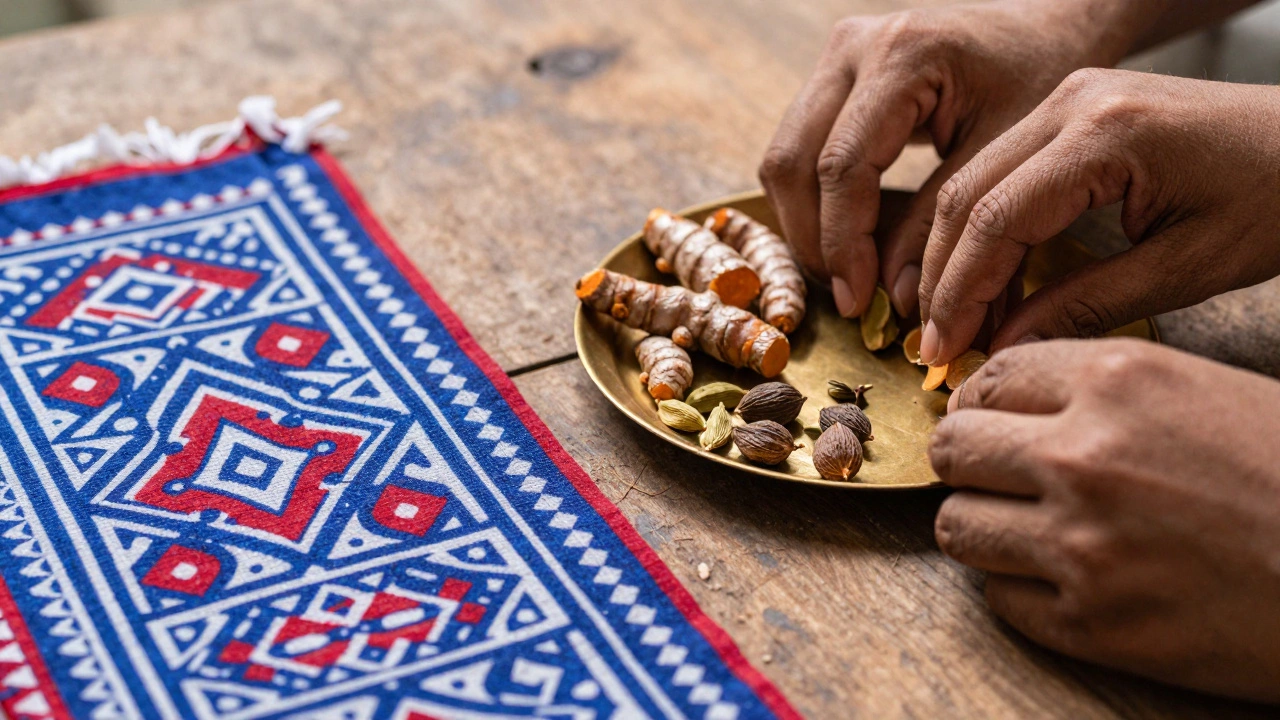
India’s artisanal traditions are among the oldest in the world. Block printing in Rajasthan, silk weaving in Assam, and bronze casting in Tamil Nadu are skills that have survived colonial rule, industrialization, and globalization. These crafts aren’t mass-produced; they’re made by hands that have learned the trade from grandparents. Buying a block-printed saree from Bagru isn’t just shopping; it’s supporting a lineage of artists.
Musical traditions like Hindustani and Carnatic music rely on oral transmission. Gurus teach students through direct interaction, preserving nuances that sheet music can’t capture. Dance forms like Kathak, Bharatanatyam, and Manipuri express spiritual stories through movement. Attending a live performance allows you to experience the emotional depth and technical precision of these arts firsthand.
These creative expressions are resilient. Even in urban centers like Bangalore or Pune, you’ll find studios where young people learn classical instruments alongside coding classes. This blend of old and new shows that culture isn’t frozen in time; it evolves while retaining its core essence.
Spirituality and Philosophy
Spirituality permeates Indian culture in ways that might seem subtle to outsiders. Yoga and meditation originated here, but so did philosophical systems like Vedanta and Buddhism. Temples, mosques, churches, and gurudwaras stand side by side in many cities, reflecting a history of coexistence despite occasional tensions.
The concept of dharma (duty/righteousness) influences behavior in business, family, and society. Respect for elders, hospitality to guests, and reverence for teachers are ingrained values. These principles aren’t always written down; they’re demonstrated through actions. Observing how people interact in queues, markets, or homes reveals a code of conduct that prioritizes harmony and respect.
Philosophical debates continue today, often blending ancient texts with modern issues. Intellectual salons in cities discuss everything from AI ethics to environmental sustainability through the lens of Indian thought. This intellectual vitality keeps culture dynamic and relevant.
Is India safe for solo female travelers interested in culture?
Yes, but with precautions. Major tourist circuits like Rajasthan, Kerala, and Goa are generally welcoming. Dress modestly, avoid isolated areas at night, and use reputable transport. Engaging with local guides enhances safety and cultural understanding.
What is the best time to visit heritage sites in India?
October to March offers pleasant weather across most of India. Avoid peak summer (April-June) when temperatures soar, especially in northern forts and temples. Monsoon season (July-September) brings lush greens but can disrupt travel plans.
How do I respectfully photograph locals during festivals?
Always ask permission before taking close-up photos. Smile and gesture politely. Avoid intrusive shots during private rituals. Remember that you are a guest in their sacred moments. Building rapport leads to better images and positive interactions.
Are there English-speaking guides available at major heritage sites?
Yes, most UNESCO sites and popular monuments offer official guides fluent in English. Booking in advance ensures availability. Private guides can provide deeper insights tailored to your interests, though they cost more.
Can I participate in traditional ceremonies as a tourist?
In many cases, yes. Wedding invitations, temple prayers, and festival celebrations often welcome respectful outsiders. However, some inner sanctums restrict entry based on religion. Always follow local cues and guidelines provided by hosts or priests.