Ancient India Timeline Explorer
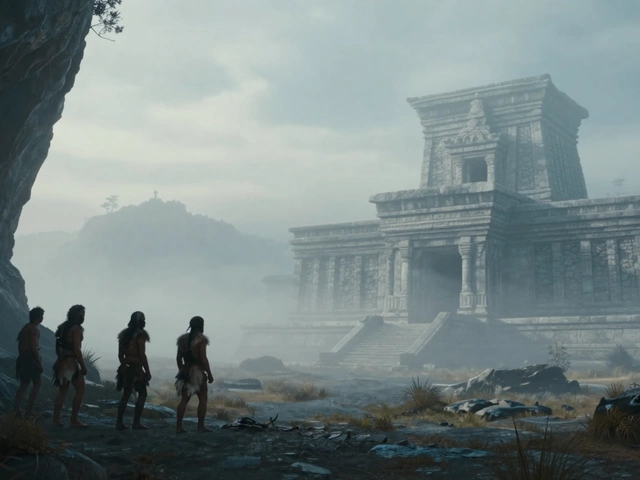
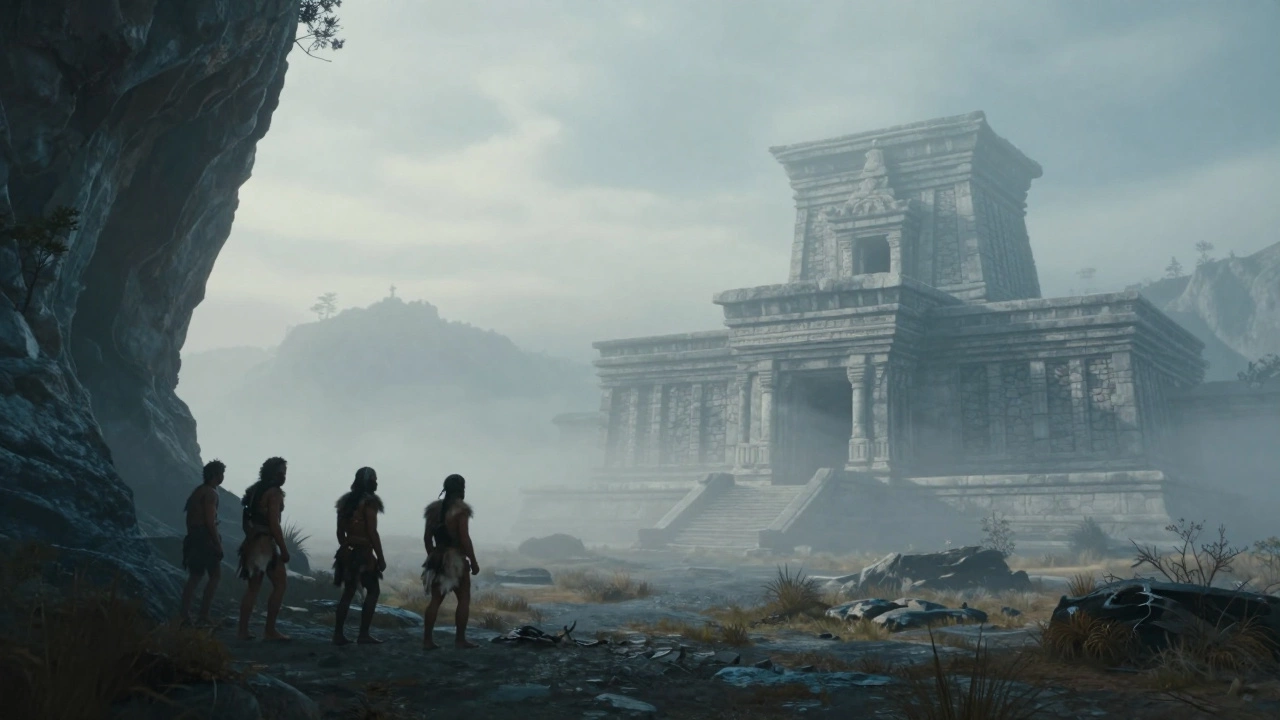
Click on the eras below to explore the difference between Archaeological Facts and Popular Myths. See why the '20,000-year-old temple' claim doesn't align with scientific evidence.
Upper Paleolithic
~20,000 Years AgoThe era of the '20,000-year claim'.
Indus Valley (IVC)
~3000 - 2500 BCThe rise of urban planning and mud-bricks.
Mauryan/Sanchi
~3rd Century BCEarly Buddhist architecture.
Rashtrakuta Era
~8th Century ADThe monolithic Kailasa Temple.
Select an era from the left to see the evidence.
You might have seen a viral video or a social media post claiming that India hides a temple that is 20,000 years old. It sounds like something out of an Indiana Jones movie, right? The idea that humans were carving massive stone structures during the last Ice Age is gripping. But if we look at the actual dirt, stones, and records, the answer is a bit more complicated than a simple 'yes' or 'no'.
To be clear: there is no scientifically proven, archaeologically dated temple in India that is 20,000 years old. If you're looking for a specific building with a birth certificate from 18,000 BC, you won't find it. However, the reason this question keeps popping up is that India has sites-like the Kailasa Temple is a monolithic structure carved from a single rock at Ellora Caves, Maharashtra-that look so impossible to build that people assume they must be ancient or alien-made. When we talk about ancient Indian temples, we're usually mixing a bit of faith, a bit of local legend, and a lot of architectural wonder.
The Gap Between Legend and Archaeology
Why do people keep saying 20,000 years? It usually comes down to a misunderstanding of the Indus Valley Civilization and the Vedic periods. Some believe that the spiritual traditions of India are tens of thousands of years old, and they assume the buildings must be too. But building a temple requires a settled society, complex tools, and a huge amount of organized labor. 20,000 years ago, humans were largely nomadic hunter-gatherers.
Archaeology relies on carbon dating and stratigraphy. When experts look at the earliest structural remains in India, they find that the transition from mud-brick to stone happened much later. Even the most mysterious sites, like the Rakhigarhi site, date back to around 3000-2500 BC. That's ancient, but it's a far cry from 20,000 years.
The Case of the "Impossible" Architecture
The fascination usually centers on the Ellora Caves. The Kailasa Temple is a masterpiece of Dravidian architecture, but it wasn't built from the ground up. It was carved top-down from a single basalt cliff. Imagine removing 200,000 tons of rock without making one single mistake. If you mess up a pillar, you can't just replace it; the whole mountain is your canvas.
Because the engineering is so precise, some theorists argue that the tools we know about from the 8th century AD couldn't have done it. This leads to the "ancient technology" theory, where people jump from "I don't know how they did this" to "it must be 20,000 years old." In reality, the temple was likely commissioned by King Krishna I of the Rashtrakuta dynasty, making it roughly 1,200 to 1,300 years old, not 20,000.
| Site Name | Popular "Myth" Age | Scientific/Historical Age | Key Attribute |
|---|---|---|---|
| Kailasa Temple | Thousands of years/Alien | ~8th Century AD | Monolithic rock-cut |
| Mohenjo-daro | Pre-historic | ~2500 BC | Urban planning |
| Padmanabhaswamy | Ancient Vedic era | Early centuries AD (evolved) | Massive wealth/Gold |
| Sanchi Stupa | Ancient timeless | 3rd Century BC | Buddhist architecture |
Where the Actual "Oldest" Temples Sit
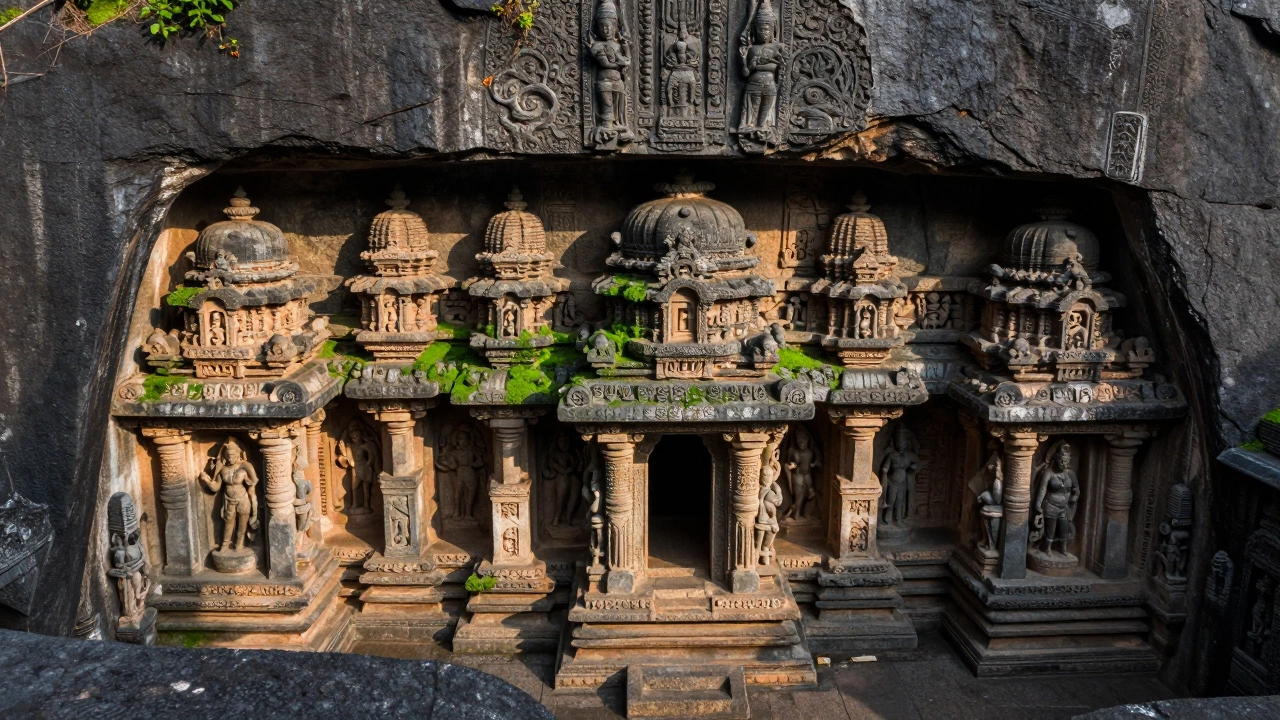
If we stop chasing the 20,000-year ghost, where does that leave us? The real oldest temples in India are fascinations in their own right. Many of the early structures were made of wood or bamboo, which rot away, leaving us with a "gap" in the record. The surviving stone temples generally date back to the Gupta Empire (around 300-500 AD) or the early Sangam period in the south.
For example, the temple structures at Aihole and Pattadakal in Karnataka show the early evolution of temple design. These sites prove that Indian architects were experimenting with domes and pillars long before the massive towers of the later Chola dynasty appeared. They aren't 20,000 years old, but they are the blueprints for everything that came after.
Why the Mystery Persists
The allure of a "lost civilization" is strong. When people visit a place like Hampi, the ruins of the Vijayanagara Empire, they see a scale of construction that feels supernatural. The precision of the stone joints, where not even a blade of grass can fit between blocks, makes us question our understanding of history.
This is compounded by the fact that many sacred sites in India are considered timeless in a spiritual sense. A temple might have been rebuilt five times over 2,000 years, but the "spirit" of the place is seen as eternal. When a local guide says, "this place has existed since the beginning of time," they are often speaking metaphorically or spiritually, but a tourist might take it as a literal archaeological date.
Tips for Your Own Temple Tour
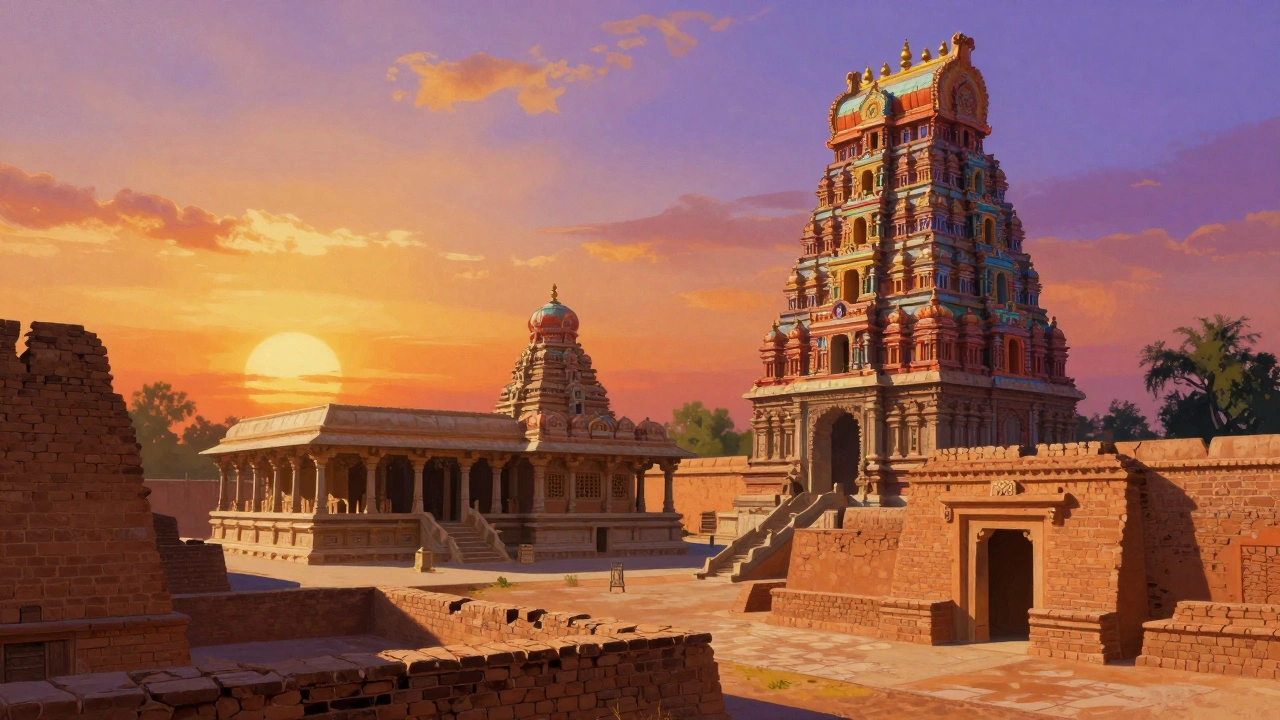
If you're planning a trip to see these wonders, don't go looking for the 20,000-year-old anomaly. Instead, look for the transition of styles. Start with the rock-cut caves of Ajanta and Ellora to see how humans first "conquered" the stone. Then, move to the towering Gopurams of Madurai to see the peak of the Dravidian style.
Watch out for "pseudo-archaeology" tours that promise to show you secrets the government is hiding. Real history is much more interesting because it shows a steady, brilliant climb in human ingenuity. The fact that humans carved a whole temple out of a mountain in the 8th century is actually more impressive than if they had magical tools 20,000 years ago.
Is there any evidence of buildings from 20,000 years ago in India?
No. There is no archaeological evidence of permanent stone buildings or temples from 20,000 years ago in India. During that period, humans were in the Upper Paleolithic phase, primarily using caves and temporary shelters rather than constructing complex architecture.
Which is the oldest temple in India?
It is hard to name one "oldest" because many were replaced. However, some of the earliest surviving structural stone temples date back to the Gupta period (4th-6th century AD). Many prehistoric sites exist, but they are shrines or settlements, not "temples" in the architectural sense.
Why is the Kailasa Temple so famous?
It is famous because it is a monolithic structure, meaning it was carved from a single piece of rock. Unlike most buildings that are assembled piece by piece, Kailasa was created by removing massive amounts of stone from the top down.
Are the 20,000-year-old claims based on any studies?
These claims usually stem from internet theories and personal interpretations of mythology rather than peer-reviewed archaeological studies. No reputable carbon-dating or stratigraphic study has placed a temple in India at that age.
What is Dravidian architecture?
Dravidian architecture is a style of temple building originating from South India. It is characterized by pyramid-shaped towers called Vimanas, massive gateway towers called Gopurams, and intricate stone carvings of deities.
Next Steps for History Buffs
If you're still craving that sense of deep time, I suggest looking into the Bhimbetka rock shelters. These aren't temples, but they are some of the oldest signs of human presence in India, with paintings that date back tens of thousands of years. It's the real-deal version of "ancient" that you can actually touch and see.
From there, move toward the Indus Valley sites to see the first cities. This path gives you a realistic and mind-blowing timeline of how India went from cave paintings to the most complex stone temples on the planet.