South India Monsoon Planner
Recommended Activities:
Most travelers think of the Indian summer as a reason to stay home. But if you look at South India is a region comprising states like Kerala, Tamil Nadu, Karnataka, and Andhra Pradesh that experiences distinct monsoon patterns different from the rest of the country, the story changes completely. While the north bakes under the heat, the south gets lush, green, and surprisingly cool. The question isn't just "when does it rain?" but rather "which rain do you want?" Because unlike the rest of India, South India has two main rainy seasons.
If you are planning a trip in 2026, understanding this split is crucial. One season brings gentle showers perfect for houseboat rides, while the other delivers heavy downpours ideal for witnessing dramatic waterfalls. Getting the timing wrong means missing out on the best views or getting stuck in floods. Let’s break down exactly when the rains hit, where they fall, and how to enjoy them without ruining your vacation.
The Two Faces of the Monsoon
In most parts of India, the monsoon arrives in June and leaves by September. This is the Southwest Monsoon. It hits the western coast first-places like Goa, Mumbai, and coastal Karnataka. For South India, this means states like Kerala and Karnataka get soaked between June and August. The landscape turns emerald green, rivers swell, and the air feels fresh. This is the classic "monsoon" experience people imagine.
But here is the twist. While the rest of India dries up after September, South India gets a second round of rain. This is the Northeast Monsoon, also known as the Retreating Monsoon. It affects Tamil Nadu, Sri Lanka, and parts of Andhra Pradesh and Odisha. These rains typically start in late October and peak in November and December. So, if you plan to visit Chennai or Pondicherry in July, it might be dry. If you go in November, expect heavy rain. This dual pattern makes South India unique compared to the North.
| Season | Months | Affected Regions | Rainfall Intensity |
|---|---|---|---|
| Southwest Monsoon | June - September | Kerala, Karnataka, Coastal Andhra | Heavy to Moderate |
| Northeast Monsoon | October - December | Tamil Nadu, Puducherry, Eastern Andhra | Moderate to Heavy |
State-by-State Rain Calendar
To plan your trip effectively, you need to look at specific states. Each has its own rhythm. Here is what you can expect in 2026 based on historical climate data.
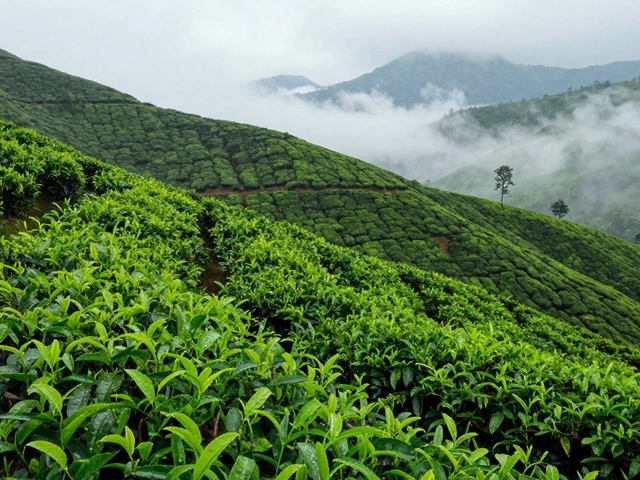
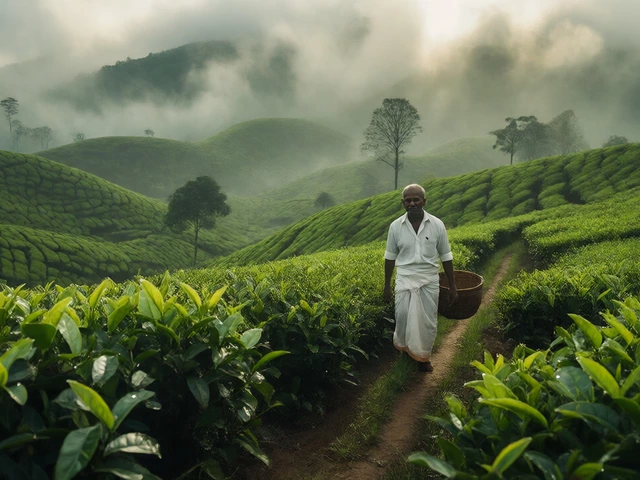
Kerala: Known as "God's Own Country," Kerala receives the brunt of the Southwest Monsoon. The rains usually begin in mid-June and last until August. By September, the intensity drops. This is the best time for tea plantation tours in Munnar and backwater cruises in Alleppey. The rain here is often intermittent-heavy for an hour, then sunny. It rarely rains all day long.
Karnataka: Coastal Karnataka (like Udupi and Mangalore) follows Kerala’s pattern, with heavy rains from June to August. However, inland areas like Bangalore and Mysore see less rainfall. Bangalore gets moderate showers during the Southwest Monsoon but stays relatively pleasant. If you prefer cities with green parks over flooded streets, Bangalore is a safe bet even in July.
Tamil Nadu: This is the outlier. Most of Tamil Nadu, including Chennai, Coimbatore, and Madurai, sees very little rain during the June-September period. Their wet season is the Northeast Monsoon, starting in October. November is often the wettest month in Chennai. If you visit in summer (April-May), it will be hot and dry. If you visit in winter (January-February), it will be cool and pleasant. Avoid November if you dislike heavy storms.
Andhra Pradesh & Telangana: Coastal Andhra gets rain from both monsoons, making it wet year-round. Inland areas like Hyderabad have a more typical pattern, with some rain in June-September and dry winters. Visakhapatnam on the coast can be quite rainy in October and November due to cyclonic activity.
Best Places to Visit During the Rains
Rain doesn’t mean you should cancel your plans. In fact, many experiences are only possible during the monsoon. Here are the top picks for each season.
For Southwest Monsoon (June-August):
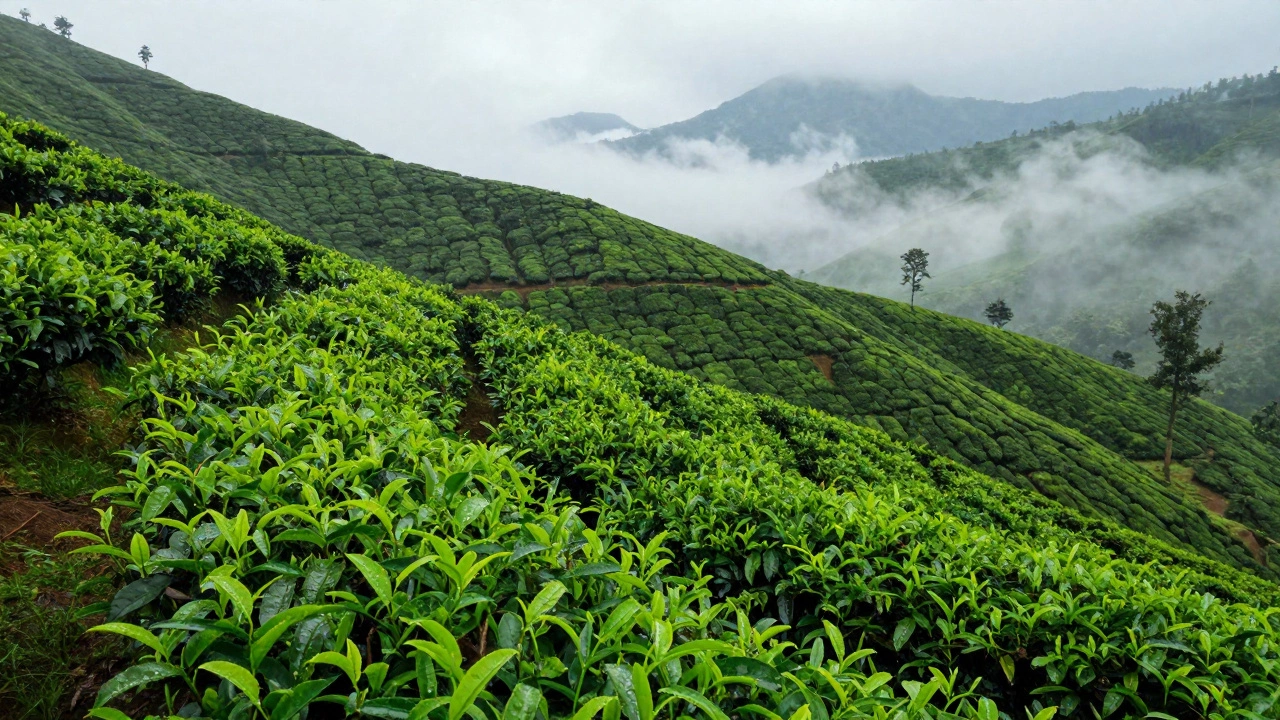
- Munnar, Kerala: The mist-covered tea gardens look magical. You can walk through the plantations without the scorching sun. Just carry waterproof gear.
- Coorg, Karnataka: Known as the Scotland of India, Coorg becomes incredibly lush. Coffee estates smell stronger, and the hills are wrapped in clouds.
- Gokarna, Karnataka: Unlike Goa, which gets hammered by waves, Gokarna’s beaches are calmer. It’s a great spot for quiet beach walks and yoga retreats.
For Northeast Monsoon (October-December):
- Ooty, Tamil Nadu: The Nilgiri Hills receive good rainfall, making the botanical gardens vibrant. The toy train ride offers stunning views of misty valleys.
- Kodaikanal, Tamil Nadu: Another hill station that looks best when damp. Lake Kodaikanal reflects the surrounding forests beautifully during light drizzles.
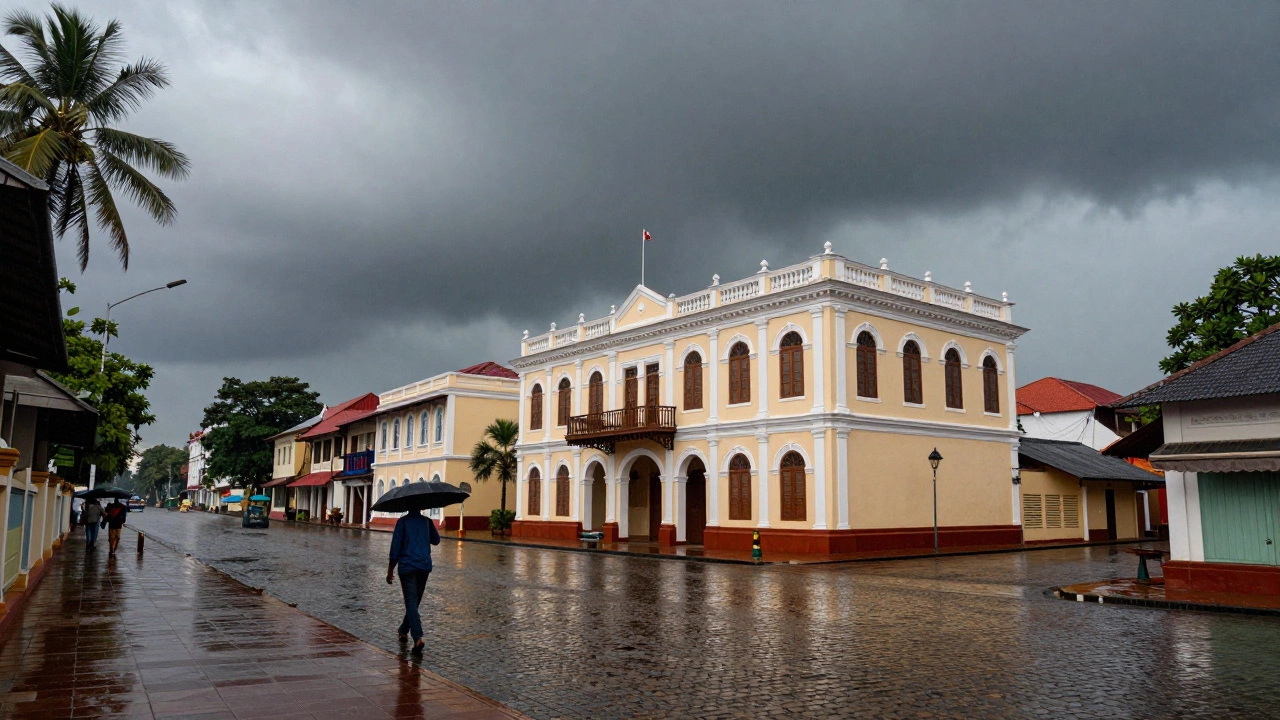
- Pondicherry: While it rains, the French colonial architecture looks picturesque against grey skies. Cafes offer cozy corners to watch the sea storm.

Packing Tips for Monsoon Travel
You don’t need expedition gear, but you do need smart choices. Humidity is the real enemy, not just the rain. Here is what to pack:
- Quick-dry clothing: Cotton takes forever to dry in humid air. Opt for synthetic blends or linen that breathe and dry fast.
- Waterproof footwear: Flip-flops are okay for beaches, but slippery temple steps require rubber sandals with grip. Avoid leather shoes-they will rot.
- Compact umbrella: A sturdy, wind-resistant umbrella is better than a poncho in crowded markets. Ponchos get caught in doors and windows.
- Anti-leech socks: If you are trekking in Western Ghats (Kerala/Karnataka), leeches are common. Salt packets or specialized socks help.
- Plastic bags: Keep electronics and documents in zip-lock bags. Humidity damages phones faster than rain.
Transportation and Logistics
Getting around during the monsoon requires patience. Roads in hilly areas like Munnar or Ooty may face landslides. Always check local news before heading into remote regions. Trains are generally reliable, but delays happen due to track flooding. Book tickets in advance, especially for popular routes like Chennai to Bangalore.
Flights are the safest option for long distances. However, visibility issues can cause cancellations in cities like Kochi or Chennai during peak storms. Have a backup plan. If you rent a car, ensure it has good tires and wipers. Driving on wet highways in South India can be dangerous due to oil slicks and reduced visibility.
Health and Safety Precautions
Monsoon brings mosquitoes. Dengue and malaria are risks in low-lying areas. Use repellent with DEET, wear long sleeves in the evening, and sleep under nets if staying in rural homestays. Drink only bottled or filtered water. Street food is delicious, but avoid raw salads or unpeeled fruits during the rains to prevent stomach bugs.
Also, be cautious of electrical appliances. Humidity causes short circuits. Dry your phone charger thoroughly before use. If you feel dizzy or weak, it might be dehydration despite the rain. Hydrate regularly.
Why Choose the Rainy Season?
There are clear advantages. First, prices drop. Hotels and flights are cheaper because fewer tourists visit. Second, the scenery is unmatched. Waterfalls like Hogenakkal in Tamil Nadu or Abbey Falls in Coorg are full and powerful. Third, you escape the crowds. Temples and heritage sites are quieter, allowing for a more spiritual or reflective experience.
Finally, the food tastes better. Fresh coconut water, spicy curries, and steamed rice dishes are comforting in the damp weather. Local festivals like Onam in Kerala (August/September) coincide with the end of the monsoon, offering cultural richness alongside natural beauty.
Is it safe to travel to South India during the monsoon?
Yes, it is generally safe. Major tourist hubs like Kerala and Tamil Nadu handle monsoons well. However, avoid trekking in high-risk zones during heavy thunderstorms. Check weather forecasts daily and follow local advice regarding road closures.
Which month is the best to visit Kerala?
September is often considered the best monsoon month for Kerala. The heaviest rains have passed, but the landscape remains lush and green. Prices are lower, and you can still enjoy houseboats and tea gardens with fewer crowds.
Does it rain in Bangalore during June?
Bangalore receives moderate rainfall in June, but it is not continuous. The city stays pleasant with temperatures around 25°C (77°F). It is one of the few Indian metros that remain comfortable during the monsoon.
Can I visit Tamil Nadu in July?
Yes, July is actually a dry and pleasant month for most of Tamil Nadu. Since the state relies on the Northeast Monsoon (Oct-Dec), July offers warm, sunny weather ideal for sightseeing in temples and cities like Madurai and Thanjavur.
What are the risks of traveling during the Northeast Monsoon?
The main risks are coastal flooding and flight delays in Tamil Nadu and Andhra Pradesh. Cyclones can form in the Bay of Bengal, causing severe weather in November. Monitor cyclone warnings and avoid coastal areas if a storm is predicted.