India Safety & Travel Guide Estimator
Your Personalized Safety Profile
Northern India
Delhi, Agra, Jaipur, Rajasthan
Southern India
Kerala, Tamil Nadu, Karnataka, Andhra
When you ask which part of India is safer, the answer isn't as simple as picking a side. Both Northern India and the region comprising states like Uttar Pradesh, Rajasthan, and Delhi and Southern India and the cultural hub including Kerala, Tamil Nadu, Karnataka, and Andhra Pradesh offer incredible experiences. However, they present very different challenges for travelers. The question of safety often boils down to what kind of risks you are most worried about: petty scams, traffic chaos, or personal security.
I’ve spent years navigating both regions, and I can tell you that neither is inherently "unsafe." Instead, they require different levels of vigilance and cultural awareness. If you are planning your first trip to India in 2026, understanding these nuances will save you from stress and help you enjoy the journey. Let’s break down the reality of traveling in both regions so you can make an informed decision.
The Reality of Northern India: High Energy, High Vigilance
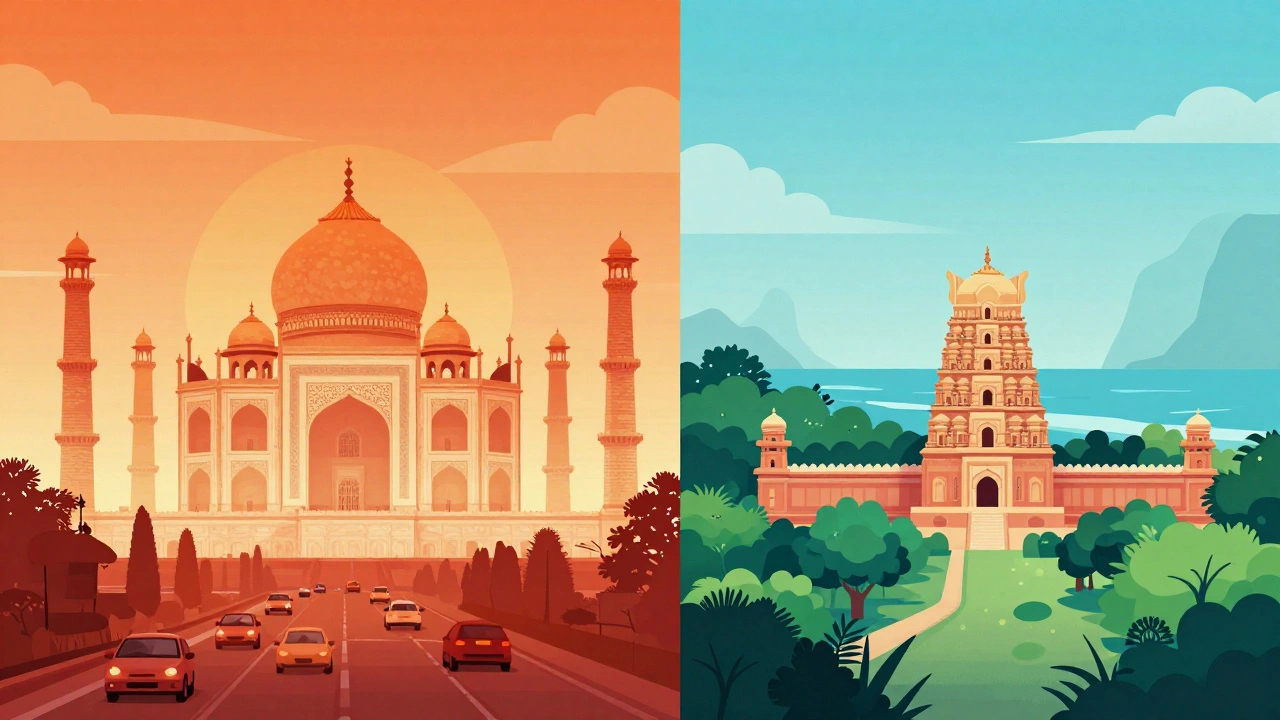
Delhi, India's capital city known for its historical monuments and bustling streets is often the gateway for many international tourists. It is a place of immense contrast. You can visit the majestic Taj Mahal, a UNESCO World Heritage site and one of the Seven Wonders of the World located in Agra in Agra, just a few hours away, and feel completely enchanted. But stepping onto the streets of Old Delhi requires a different mindset.
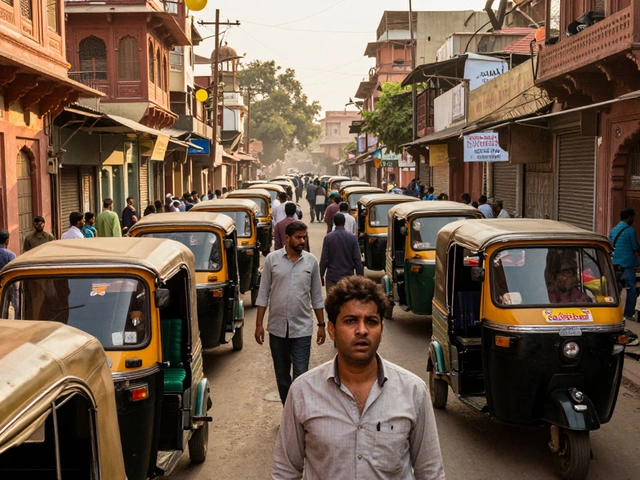
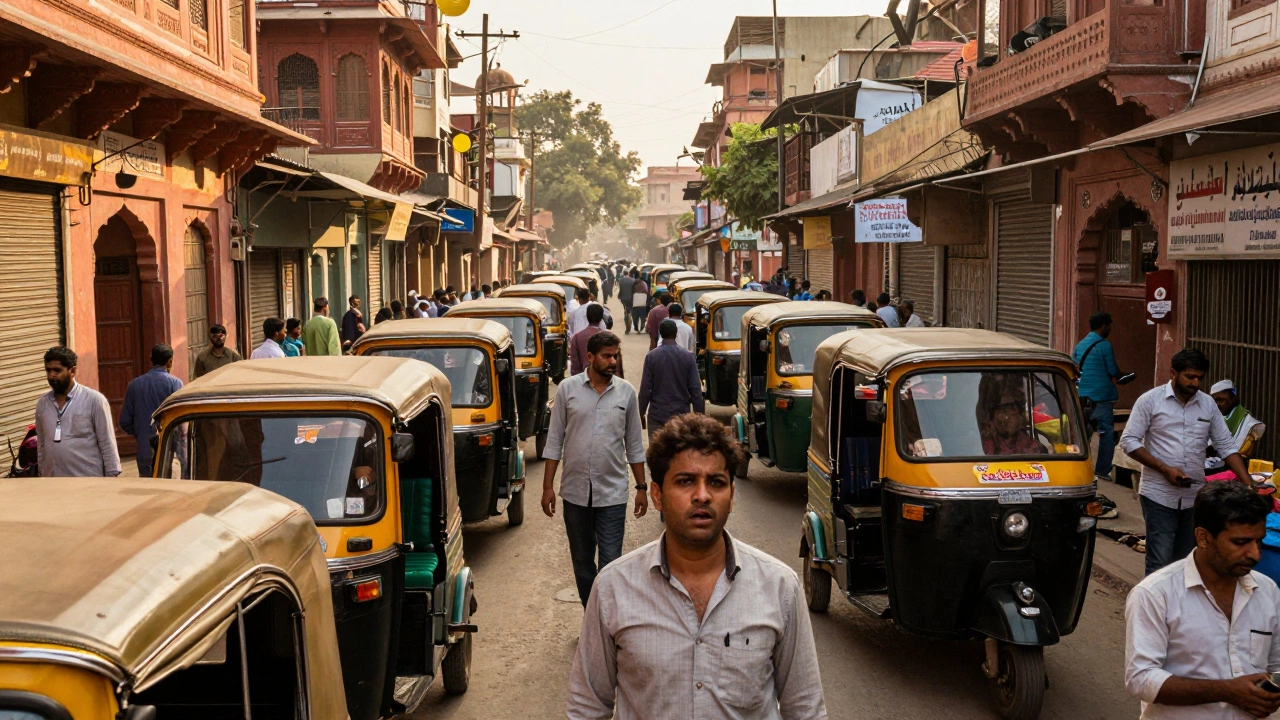
The primary concern in North India is not violent crime against tourists, but rather aggressive harassment and petty scams. In cities like Delhi and Jaipur, you may encounter persistent touts trying to sell you jewelry, guide you to specific shops, or offer "help" with directions. This can be overwhelming, especially for solo female travelers. The sheer density of people and noise can also lead to pickpocketing incidents in crowded areas like metro stations or markets.
- Scams: Be wary of unsolicited guides at tourist spots. Always agree on prices before hiring rickshaws or auto-rickshaws.
- Harassment: Staring and catcalling are more common here than in the South. Dressing modestly helps reduce unwanted attention.
- Infrastructure: Traffic rules are loosely followed. Crossing roads requires caution and patience.
That said, the hospitality in North India is warm once you get past the initial hustle. People are curious and eager to share their culture. If you stay in well-reviewed accommodations and use reputable transport apps like Ola or a popular ride-hailing service in India offering cars and bikes or Uber, a global ride-sharing platform widely available in major Indian cities, you will find the experience manageable and rewarding.
Southern India: Relaxed Vibes, Different Challenges
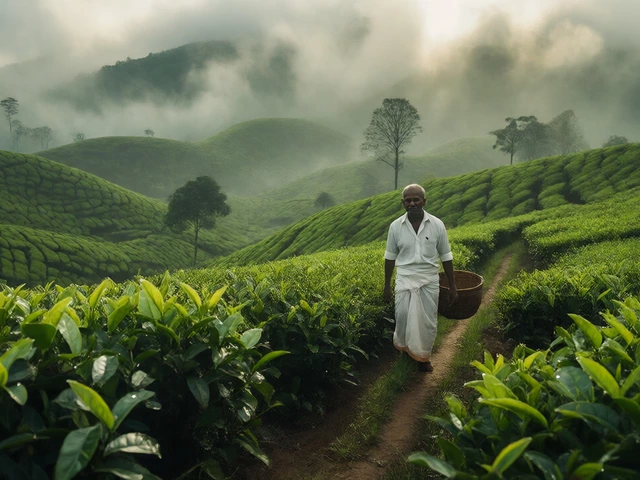
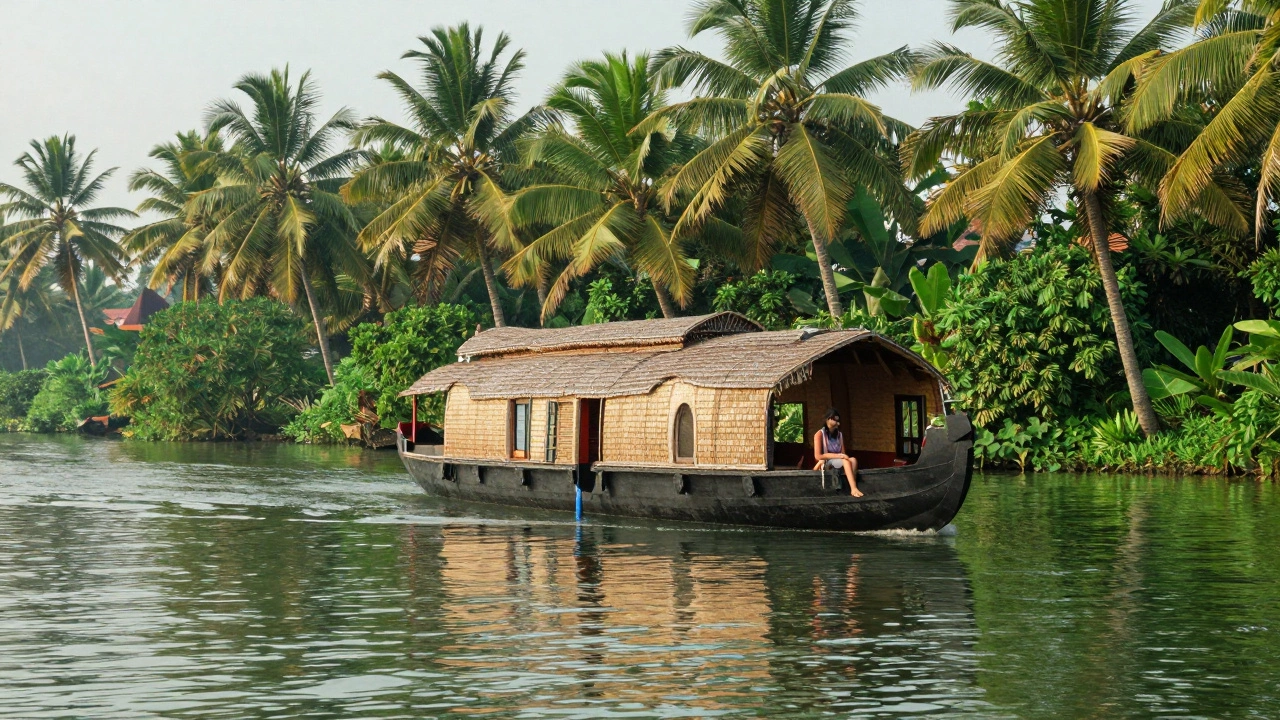
In contrast, Kerala, a state in South India known for its backwaters, beaches, and high literacy rates and Tamil Nadu, a southern state famous for its temples, cuisine, and classical arts generally feel more relaxed. The pace of life is slower, and people tend to be less aggressive in their interactions with tourists. Solo female travelers often report feeling more comfortable in cities like Bangalore, the tech hub of India known for its IT industry and cosmopolitan lifestyle or Chennai, the capital of Tamil Nadu, known for its rich cultural heritage and healthcare facilities.
However, "safer" does not mean risk-free. Southern India has its own set of issues. Traffic accidents are a significant concern due to erratic driving habits and poor road conditions in some rural areas. Additionally, while street harassment is less frequent, it still exists, particularly in larger cities like Bangalore and Hyderabad.
Another factor to consider is health safety. Southern India is tropical, meaning higher humidity and heat. This can lead to dehydration and heatstroke if you are not careful. Waterborne diseases are also a risk, so sticking to bottled water is non-negotiable. Unlike the North, where you might worry about being scammed out of money, in the South, you need to be mindful of your physical well-being and navigation.
| Factor | Northern India | Southern India |
|---|---|---|
| Petty Scams | High (aggressive touts) | Moderate (less aggressive) |
| Street Harassment | More common | Less common, but present |
| Traffic Safety | Chaotic, high accident risk | Chaotic, high accident risk |
| Health Risks | Dust pollution, seasonal illnesses | Heat exhaustion, waterborne diseases |
| Solo Female Travel | Requires high vigilance | Generally more comfortable |
Key Safety Factors Every Traveler Must Consider
Regardless of whether you choose North or South, certain universal factors influence your safety in India. Understanding these will help you prepare better.
1. Transportation Choices
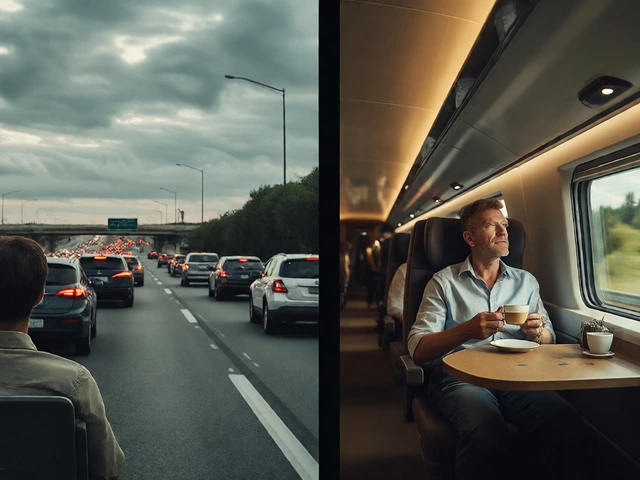
Your mode of transport significantly impacts your safety. Avoid unmarked taxis and insist on using app-based rides like Ola or Uber. These platforms provide driver details, route tracking, and fare transparency, which adds a layer of security. For long-distance travel, trains are generally safe and reliable, but women should book AC classes and avoid sleeping in open compartments late at night.
2. Cultural Norms and Dress Code
India is a conservative country. Dressing modestly shows respect and reduces unwanted attention. In the North, covering shoulders and knees is advisable, especially when visiting religious sites. In the South, while the climate is hotter, similar norms apply. Wearing loose, breathable clothing made from natural fabrics like cotton helps you stay cool and blend in.
3. Food and Water Hygiene
"Delhi Belly" is a real phenomenon. Stick to bottled water, even for brushing your teeth if you have a sensitive stomach. Eat at busy restaurants where food turnover is high, avoiding raw salads and unpeeled fruits. Street food can be delicious but risky; opt for hot, freshly cooked items from vendors with high customer traffic.
4. Digital Security
Public Wi-Fi networks in cafes and hotels can be insecure. Use a VPN when accessing sensitive information. Also, be cautious of sharing personal details on social media in real-time, as this can make you a target for theft.
Practical Tips for a Safe Journey
To ensure a smooth trip, here are some actionable tips based on real-world experiences:
- Plan Your Route: Know where you are going before you step out. Having a map on your phone helps you navigate confidently and avoids getting lost in unfamiliar areas.
- Share Your Location: Keep someone back home updated with your itinerary. Share your live location with a trusted friend or family member during long journeys.
- Trust Your Instincts: If a situation feels off, leave immediately. Don’t worry about being rude; your safety comes first.
- Carry Cash Wisely: Keep small denominations for local transactions. Avoid flashing large amounts of cash. Use ATMs inside banks for better security.
- Learn Basic Phrases: Knowing a few words in Hindi (North) or Tamil/Telugu/Kannada (South) can go a long way in building rapport and getting help.
Conclusion: Making the Right Choice for You
So, which is safer? If you are a first-time traveler looking for a gentler introduction to India, Southern India is likely the better choice. The slower pace, lower incidence of aggressive scams, and generally more relaxed attitude towards tourists make it easier to navigate. Cities like Kochi, Mysore, and Pondicherry offer beautiful experiences without the intense hustle of the North.
However, if you are drawn to the history, architecture, and vibrant energy of the Golden Triangle (Delhi, Agra, Jaipur), Northern India is absolutely worth visiting. Just be prepared to be more vigilant. With proper planning, respectful behavior, and common sense, you can safely explore both regions. Remember, safety is not just about the destination; it’s about how you prepare and engage with the environment around you.
Is India safe for solo female travelers?
Yes, but it requires caution. Southern India is generally considered safer and more comfortable for solo female travelers due to less aggressive street harassment. In North India, dressing modestly, avoiding isolated areas at night, and using reputable transport services are essential precautions.
Which city in India is the safest for tourists?
Cities like Goa, Pondicherry, and Coimbatore in South India are often cited as among the safest for tourists. They have lower crime rates, friendly locals, and well-developed tourism infrastructure.
Should I drink tap water in India?
No, never drink tap water in India. Stick to sealed bottled water or use a portable water purifier. Even ice cubes in drinks can be risky if made from untreated water.
Is it safe to travel by train in India?
Train travel is generally safe and efficient. For added security, book AC sleeper or seat classes. Women should avoid unreserved compartments and keep valuables secure. Night trains are safe, but remain aware of your surroundings.
What are the biggest scams tourists face in India?
Common scams include fake guides charging excessive fees, jewelers selling low-quality goods as authentic, and taxi drivers overcharging. Always negotiate prices beforehand and use app-based services for transport.