Palolem Beach Comparison Tool
Compare the Queens of Indian Beaches
See how Palolem Beach stacks up against other popular Indian beaches based on key attributes mentioned in the article.
Palolem Beach
Queen of BeachesSouth Goa - 2.2 km of pristine white sand
Comparison View
Why Palolem Wins
Palolem isn't just the most beautiful beach—it's the only one that combines accessibility, sustainability, and authentic local culture without losing its soul.
Family-run businesses
Strict environmental rules
Peak season visitors
Ask anyone who’s been to India’s coastlines which beach holds the crown, and you’ll hear one name over and over: Palolem Beach. It’s not the longest, not the busiest, and not the most famous in tourist brochures-but it’s the one that sticks with you. Locals and travelers alike call it the Queen of Beaches in India, and for good reason.
Why Palolem Beach Earns the Title
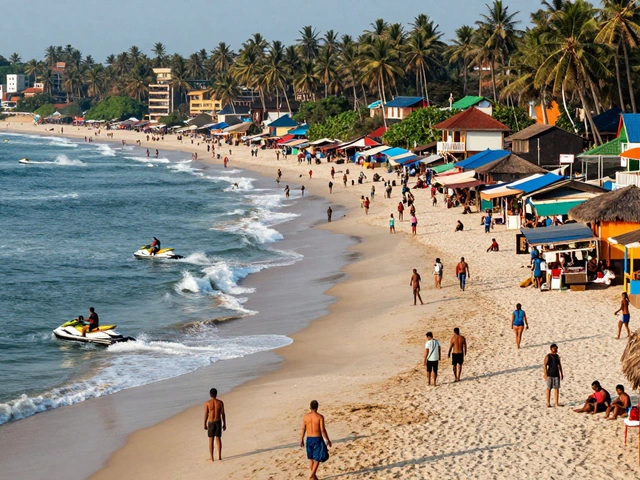
Palolem Beach sits in South Goa, tucked between rolling green hills and the Arabian Sea. Unlike the wild party strips of Baga or Calangute, Palolem keeps things calm. The sand is soft, white, and wide enough to walk for over two kilometers without passing another person. At low tide, the water stays shallow for dozens of meters, making it safe for kids and non-swimmers. The waves are gentle, perfect for kayaking or just floating on your back under a sky full of stars.
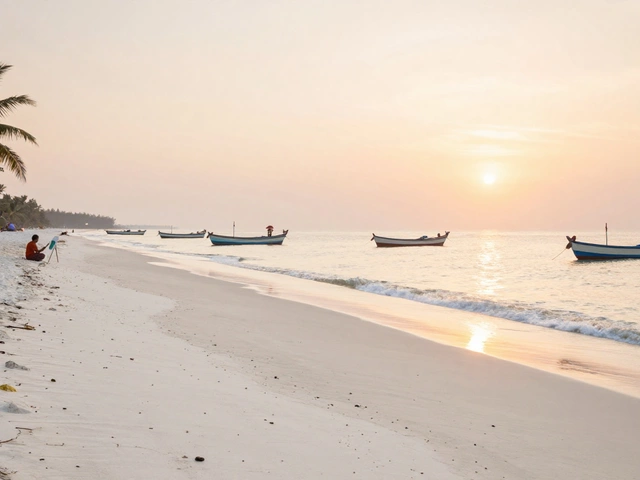
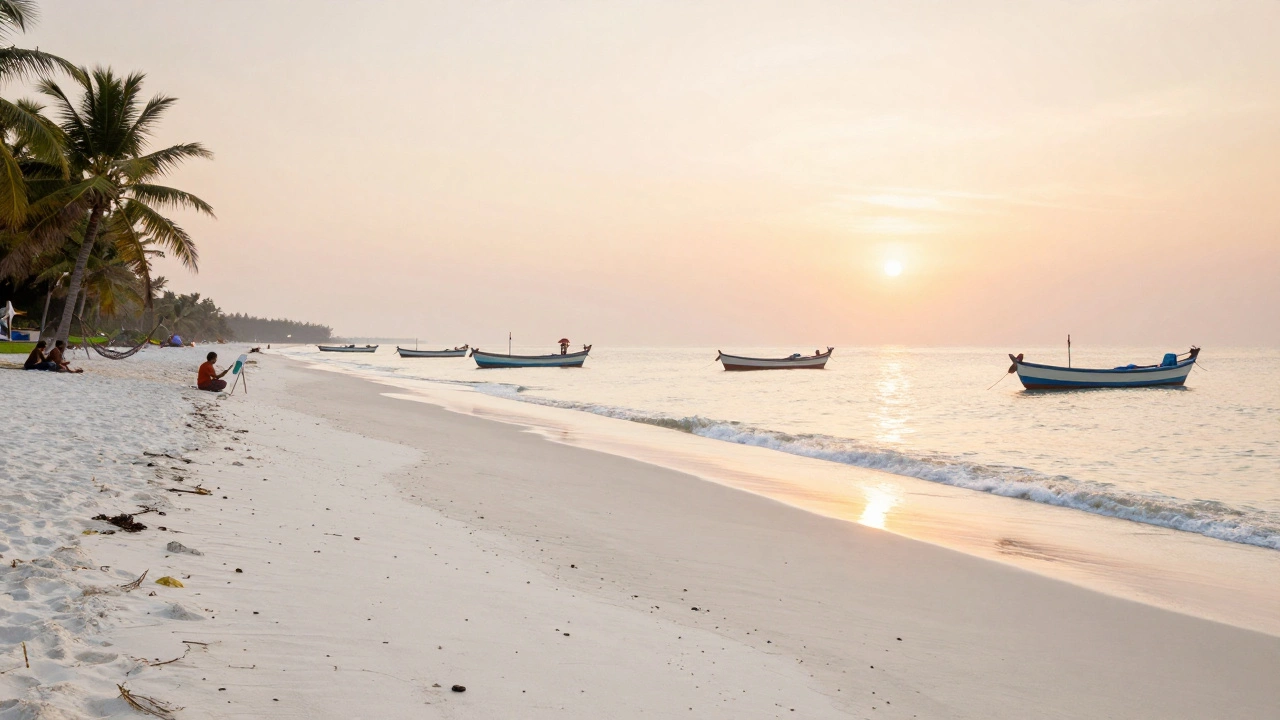
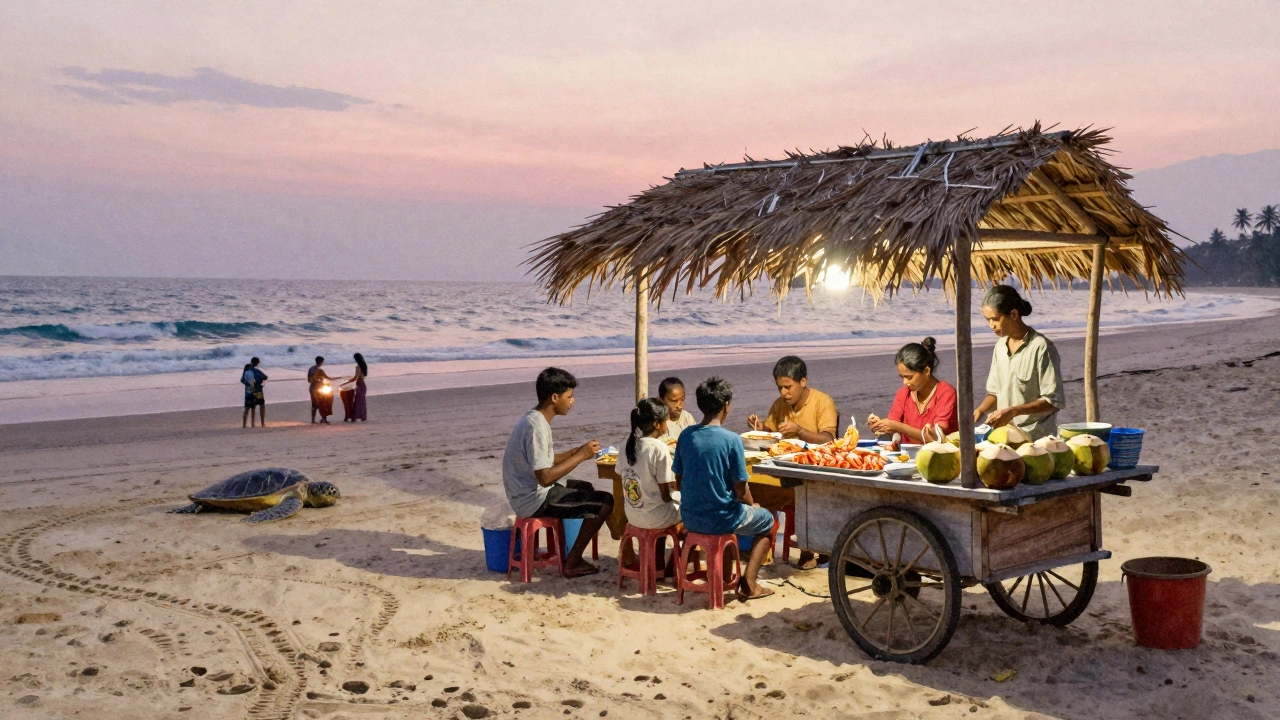
What sets Palolem apart isn’t just the scenery-it’s the rhythm. Mornings start with fishermen hauling in their catch, their colorful boats bobbing near the shore. By noon, hammocks swing between palm trees, and the only music comes from distant tabla players or the rustle of coconut leaves. At sunset, vendors sell fresh coconut water and grilled prawns from wooden carts. No loudspeakers. No jet skis. Just peace.
A Beach That Feels Like Home
Many visitors come for a day and end up staying for weeks. There are no high-rise hotels here-just low-rise bamboo cottages, treehouse bungalows, and eco-lodges built with reclaimed wood. Most places don’t even have air conditioning. Guests sleep under ceiling fans, with the sea breeze drifting through open windows. It’s not luxury in the traditional sense. It’s comfort in its purest form.
One morning, I watched a group of German travelers sit cross-legged on the sand, painting the horizon. An Indian family nearby shared a meal of rice, lentils, and mango pickle. A British couple meditated as the sun rose. No one spoke much. No one needed to. Palolem doesn’t demand attention-it invites you to slow down.
History and Culture Beneath the Surface
Palolem isn’t just a pretty stretch of sand. It’s part of a centuries-old coastal culture. The village has been home to Konkani-speaking communities for generations. Their temples, like the Shri Devi Mhalsa Temple, sit just a few hundred meters inland. You’ll see women in traditional sarees offering flowers at dawn, and men playing folk songs on the dholak during festivals.
During the annual Palolem Beach Festival, held every November, the whole village comes alive. Local artists perform Yakshagana dance, fishermen display their nets, and children race barefoot along the shore. The festival isn’t staged for tourists-it’s a living tradition, and visitors are welcome to join, not just watch.
How It Compares to Other Indian Beaches
India has over 7,500 kilometers of coastline. So why does Palolem rise above the rest?
Compare it to Kovalam in Kerala-beautiful, yes, but crowded and commercialized. Or Baga in Goa-loud, packed with clubs, and full of neon signs. Then there’s Marina Beach in Chennai: long, urban, and often polluted. Even the famous Radhanagar Beach in Havelock Island, often called India’s best, feels remote and hard to reach.
Palolem strikes a balance. It’s accessible-just a 45-minute drive from Dabolim Airport-but feels worlds away. It’s got the charm of a hidden gem without the hassle of needing a guide or a permit. You can get there by bus, scooter, or even a 20-minute auto-rickshaw ride from the nearest town.
What Makes It the Queen? The Details
Here’s what the title really means:
- Length: 2.2 kilometers of uninterrupted sand
- Water clarity: Often rated above 90% visibility in monsoon-free months
- Visitor count: Around 3,000 daily in peak season-far less than Baga’s 20,000
- Local economy: 85% of businesses are family-run, not chain-owned
- Wildlife: Olive ridley turtles nest here in winter; dolphins swim close to shore
It’s not just about beauty. It’s about sustainability. The beach has no plastic bag vendors. No single-use bottles. Even the yoga studios use biodegradable mats. The local government enforces a strict no-plastic rule, and residents enforce it too. If you bring a plastic water bottle, someone will hand you a coconut to drink from instead.

When to Go-and When to Avoid
The best time to visit is between October and March. The weather is dry, the sea is calm, and the nights are cool enough for a light jacket. November and December are peak months, but even then, you’ll find quiet corners.
Avoid June through August. That’s monsoon season. The beach shuts down for safety. The waves turn violent, and the water turns murky. But here’s a secret: if you come in late September or early April, you’ll get the beach almost to yourself. The crowds are gone, the water is still warm, and the prices drop by half.
What to Do Beyond the Sand
Palolem isn’t just about lounging. There’s plenty to explore:
- Take a dolphin-watching boat tour at sunrise (₹500 per person)
- Try a traditional Goan cooking class with a local chef
- Hike to the nearby Patnem Beach, a quieter neighbor with hidden caves
- Visit the Portuguese-era Fort of Cabo de Rama, just 15 kilometers away
- Join a full-moon beach party-no alcohol, just drum circles and storytelling
One of the most unforgettable experiences? Sleeping on the beach. Some guesthouses let you rent a mattress and blanket. You can lie under the stars, listen to the waves, and wake up with the sun on your face. No alarms. No emails. Just silence.
Why It Still Holds the Crown
Other beaches may have more Instagram followers. Others may be easier to get to. But none feel as alive, as real, or as deeply connected to the land and sea like Palolem. It hasn’t been sold out. It hasn’t been overbuilt. It hasn’t lost its soul.
The Queen doesn’t need a throne. She doesn’t need a crown. She just needs to be left alone-and Palolem still is.
Is Palolem Beach the only beach called the Queen of Beaches in India?
While Palolem Beach is the most widely recognized as the Queen of Beaches in India, some people also refer to Radhanagar Beach in the Andaman Islands with similar praise. But Radhanagar is harder to reach, requires a ferry, and has fewer local services. Palolem stands out because it offers the same natural beauty with far greater accessibility and a stronger sense of community. Most locals, travel guides, and long-term visitors agree: Palolem is the true queen.
Can you swim safely at Palolem Beach?
Yes, swimming is safe for most of the year-especially between October and March. The water is shallow near the shore, and there are no strong undercurrents. Lifeguards are not stationed, but locals keep watch and will warn you if conditions change. Avoid swimming during monsoon season (June-August) when waves become unpredictable.
Is Palolem Beach family-friendly?
Absolutely. With calm waters, soft sand, and no loud clubs or crowded bars, it’s one of the most family-friendly beaches in India. Many guesthouses offer kids’ activities, and the village has small clinics and pharmacies. You’ll see Indian families, European parents, and multi-generational groups enjoying the beach together.
How do I get to Palolem Beach?
Fly into Dabolim Airport in Goa (GOI), which has flights from major Indian cities. From there, take a pre-paid taxi or auto-rickshaw (about ₹800-₹1,200) for a 45-minute ride. Public buses run from Margao or Panaji to Palolem, but they’re slower and less reliable. Renting a scooter is popular among travelers-it gives you freedom to explore nearby beaches like Patnem and Colva.
Are there any eco-friendly stays at Palolem Beach?
Yes. Most accommodations are eco-conscious. Look for places that use solar power, compost waste, and serve organic food. Popular options include The Tree House, Palolem Beach Resort, and Casa de Goa-all built with natural materials and run by local families. Many don’t even have TVs. The focus is on reconnecting with nature, not entertainment.