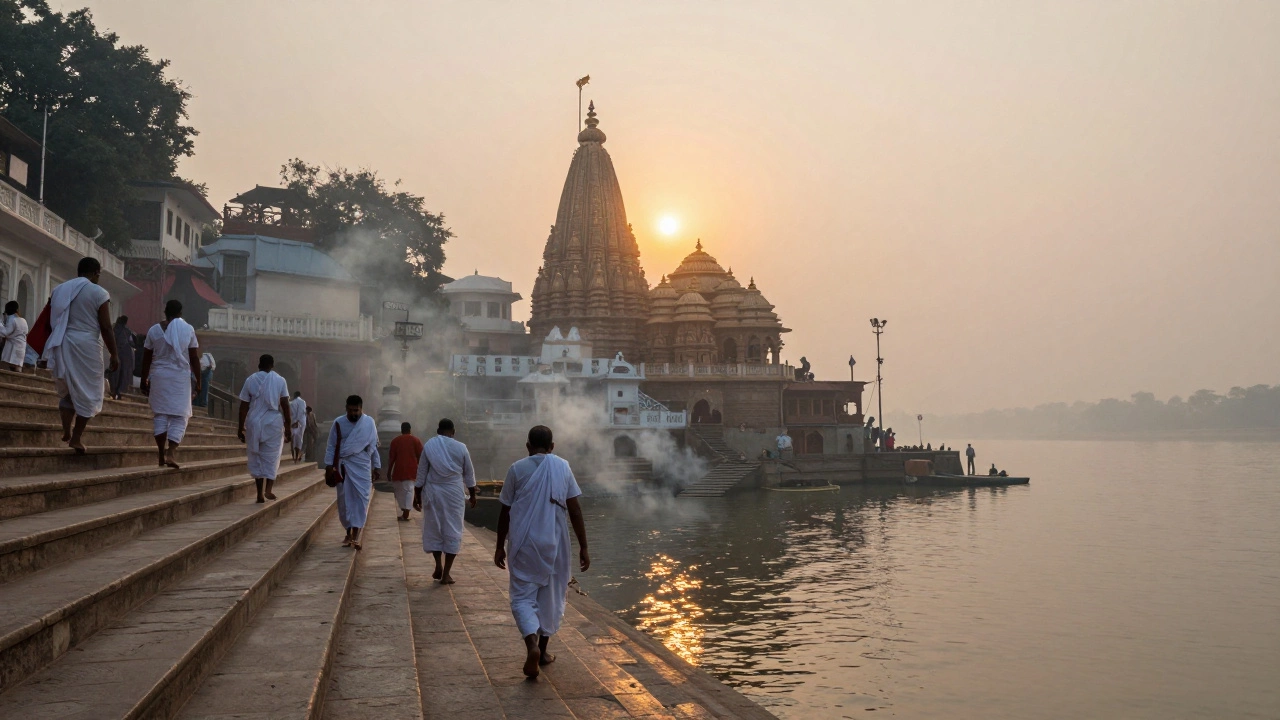
There’s no single answer to which Jyotirlinga is the most powerful-because that’s not how they work. Each of the 12 Jyotirlingas is considered a full manifestation of Lord Shiva, not a ranked list of strength. Pilgrims don’t visit them to find the ‘strongest’ one. They go to connect with the divine in the way that speaks to their heart, their story, their need.
What Exactly Is a Jyotirlinga?
A Jyotirlinga isn’t a statue. It’s a self-manifested column of light, believed to have appeared spontaneously as a blazing pillar of fire during a cosmic debate between Brahma and Vishnu. Shiva revealed himself in this form to show his infinite nature. The word itself means Jyoti (light) + linga (sign). These aren’t man-made idols. They’re natural stone formations that became sacred through ancient belief and continuous worship for over a thousand years.
Each Jyotirlinga is tied to a specific place, a local legend, and a unique spiritual energy. You won’t find a ranking system in any ancient scripture. The Shiva Purana and Skanda Purana list all 12, but never say one is greater than another. The power lies in the devotion, not the location.
The 12 Jyotirlingas and Where They Are
Here are the 12 Jyotirlingas, their locations, and what each is known for:
- Somnath (Gujarat) - The first among the 12, destroyed and rebuilt seven times. Symbolizes resilience and eternal faith.
- Mallikarjuna (Srisailam, Andhra Pradesh) - Paired with Parvati as Bhramaramba. Known for healing chronic illness.
- Mahakaleshwar (Ujjain, Madhya Pradesh) - The only Jyotirlinga facing south. Famous for its Bhasma Aarti at midnight.
- Omkara (Omkareshwar, Madhya Pradesh) - Shaped like the sacred Om symbol. Associated with peace and mental clarity.
- Tryambakeshwar (Nashik, Maharashtra) - Linked to the Godavari River. Believed to remove the fear of death.
- Bhimashankar (Maharashtra) - Hidden in the Western Ghats. Connected to the legend of defeating a demon.
- Kedarnath (Uttarakhand) - One of the Char Dham sites. Accessible only 6 months a year. Said to cleanse severe sins.
- Grishneshwar (Aurangabad, Maharashtra) - The last Jyotirlinga. Often visited after Kedarnath. Known for fulfilling desires.
- Vaidyanath (Deoghar, Jharkhand) - Also called Baidyanath. Associated with healing and recovery from disease.
- Nageshwar (Dwarka, Gujarat) - Located near the sea. Believed to protect from black magic and fear.
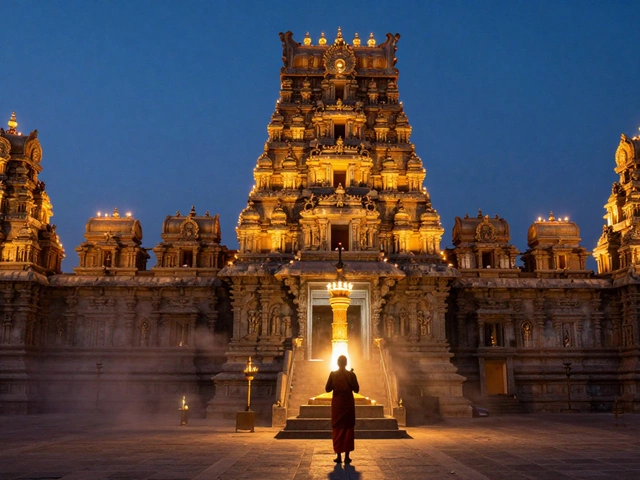
- Rameshwaram (Tamil Nadu) - Built by Lord Rama. One of the most visited. Said to grant moksha (liberation).
- Kashi Vishwanath (Varanasi, Uttar Pradesh) - The most famous. Located on the banks of the Ganges. Considered the spiritual heart of India.
Why People Say Kashi Vishwanath Is the Most Powerful
If you ask a pilgrim which Jyotirlinga they feel most drawn to, many will say Kashi Vishwanath in Varanasi. And it’s not hard to see why.
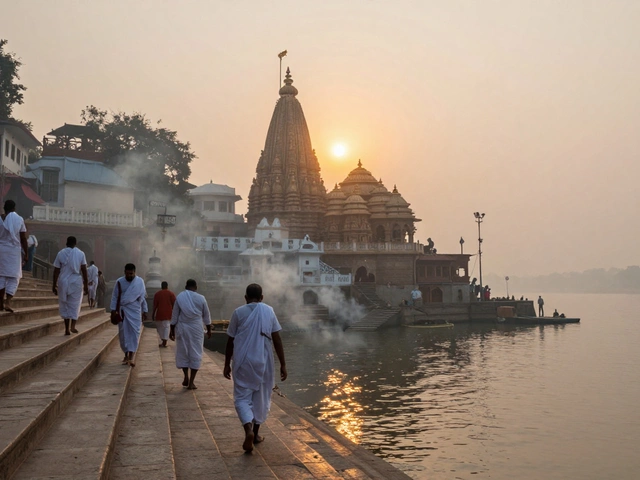
Varanasi is one of the oldest continuously inhabited cities in the world. The temple sits on the ghats of the Ganges, where millions bathe, pray, and cremate their dead. The air hums with chants, bells, and the scent of incense. It’s not just a temple-it’s a living spiritual ecosystem.
According to tradition, dying in Varanasi and being cremated on its ghats leads to moksha. The Jyotirlinga here is believed to be the first to appear in this age. Thousands of sadhus live here. The temple has been rebuilt many times, surviving invasions and time. Its history is deep, its energy intense.
But here’s the truth: if you go to Kashi Vishwanath expecting it to be ‘the strongest,’ you might feel overwhelmed-not enlightened. The real power isn’t in the stone. It’s in the surrender.
Why Others Choose Somnath or Rameshwaram
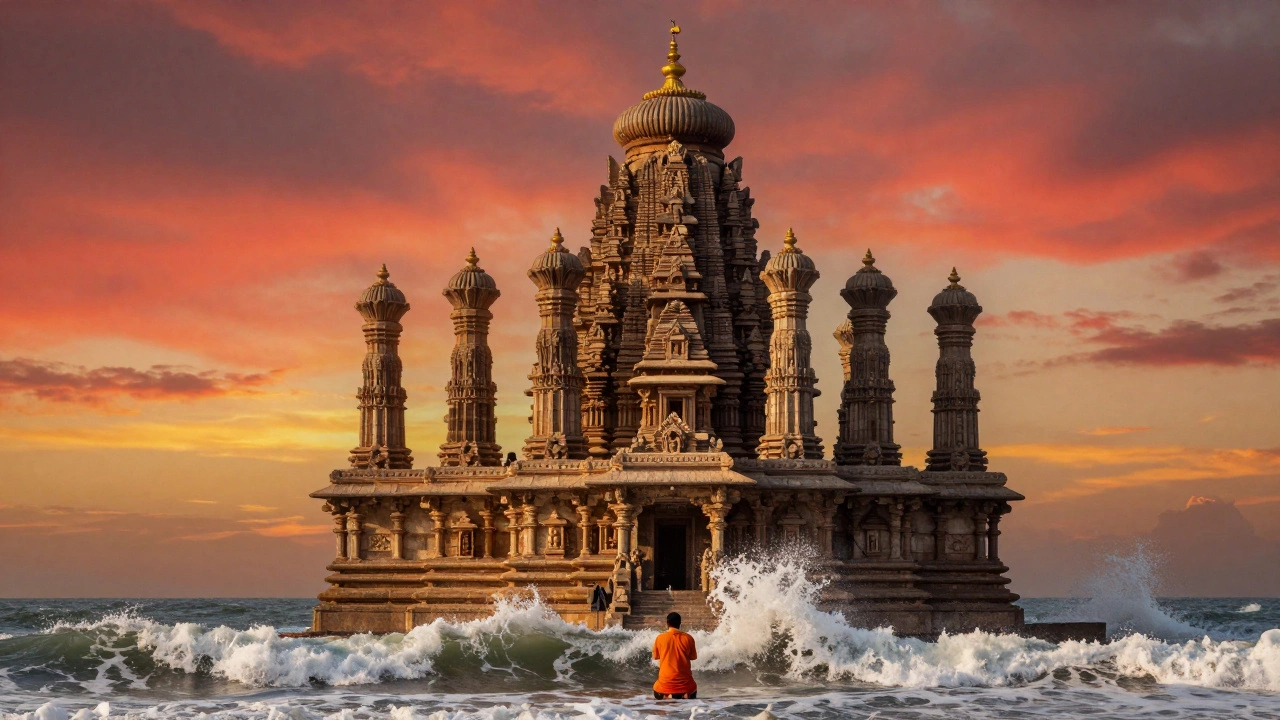
For many, Somnath holds a different kind of power. It’s a symbol of survival. Rebuilt after being destroyed by invaders seven times, it stands as proof that devotion outlasts violence. People who’ve faced loss, betrayal, or hardship often find strength here.
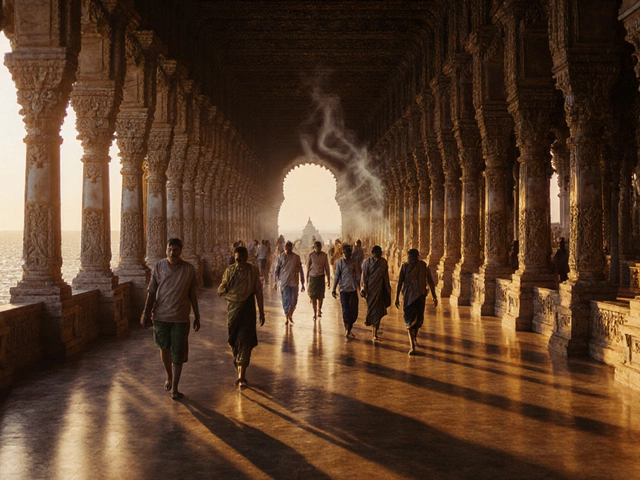
Rameshwaram, on the other hand, draws those seeking liberation. It’s where Lord Rama worshipped Shiva after defeating Ravana. Pilgrims walk the long corridors, touch the sacred stones, and bathe in the 22 wells. Many believe completing the Jyotirlinga pilgrimage in order-starting from Somnath and ending at Rameshwaram-brings complete spiritual closure.
There’s a reason why the Shiva Tirtha Yatra-a pilgrimage covering all 12 Jyotirlingas-is considered one of the most sacred journeys in Hinduism. It’s not about picking the best. It’s about experiencing the full spectrum of Shiva’s presence.
How to Choose Which One to Visit
You don’t need to visit all 12. But if you’re planning your first Jyotirlinga trip, here’s how to decide:
- Ask yourself what you need. Are you seeking peace? Go to Omkareshwar. Healing? Try Vaidyanath or Mallikarjuna. Liberation? Rameshwaram or Kashi.
- Consider your location. If you’re in South India, Rameshwaram or Tryambakeshwar are easier. In North India, Kedarnath or Kashi make sense.
- Follow your intuition. Sometimes, one name will stick in your mind. Don’t overthink it. That’s often the one meant for you.
- Plan around seasons. Kedarnath is closed from November to April. Rameshwaram is best between October and March. Monsoon makes some routes dangerous.
There’s no rule that says you must go in a certain order. Many pilgrims start with the nearest one. Others pick the one they’ve heard about since childhood. There’s no wrong choice.
The Real Power Isn’t in the Stone
Every year, millions walk barefoot to these shrines. Some come with prayers for children. Others for healing, for forgiveness, for release from grief. The Jyotirlingas don’t grant wishes like magic lamps. They reflect what’s already inside you.
What you feel at Kashi Vishwanath-peace, awe, tears-isn’t because the stone is stronger. It’s because your heart is ready. The same goes for a quiet visit to Grishneshwar or a sunrise darshan at Mahakaleshwar.
The real power lies in the act of going. In the silence before the bell. In the water you carry home from the temple tank. In the way your breath slows when you stand before the lingam.
There is no #1 Jyotirlinga. But there is the one you were meant to find.

What to Bring and How to Prepare
If you’re planning a visit, here’s what actually matters:
- Simple clothes. No flashy jewelry. White or cotton is preferred.
- Water and snacks. Many temples have no food stalls nearby. Carry your own.
- Comfortable shoes. You’ll walk on stone, climb steps, and stand in lines.
- A small towel or cloth. For wiping your feet before entering the inner sanctum.
- Patience. Crowds are heavy. Wait times can be hours. Let go of rigid expectations.
Don’t worry about rituals you don’t know. The priests will guide you. Just show up with an open heart.
Common Myths About Jyotirlingas
Let’s clear up a few misconceptions:
- Myth: One Jyotirlinga is more powerful than the others. Truth: They are equal manifestations. The difference is in the devotee’s experience.
- Myth: You must visit all 12 to be blessed. Truth: One sincere visit is enough. Many saints visited only one.
- Myth: Only Hindus can benefit. Truth: The energy is open to anyone who comes with respect.
- Myth: You need a pandit to guide you. Truth: The temple priests will help. No special knowledge is required.
Is Kashi Vishwanath really the most powerful Jyotirlinga?
Kashi Vishwanath is the most famous and visited Jyotirlinga, but not because it’s more powerful. It’s located in Varanasi, one of the holiest cities in Hinduism, and is deeply tied to the Ganges and the concept of liberation. Many feel its energy intensely because of the spiritual density of the city. But all 12 Jyotirlingas are equally divine. The power comes from your devotion, not the location.
Can non-Hindus visit Jyotirlingas?
Yes, non-Hindus are welcome at all Jyotirlingas. There are no religious restrictions. What matters is respect: covering your head, removing shoes, not taking photos inside the sanctum, and following the crowd’s behavior. Many international visitors come to meditate or simply witness the devotion. The energy is universal.
How long does it take to visit all 12 Jyotirlingas?
Completing the full pilgrimage takes 3 to 6 weeks, depending on your pace and travel method. Most pilgrims plan it as a multi-trip journey over several years. Some start with the nearest one and add others gradually. There’s no rush. The journey itself is the practice.
Which Jyotirlinga is easiest to reach?
Mahakaleshwar in Ujjain and Omkareshwar in Madhya Pradesh are among the easiest to reach by train or road. Kashi Vishwanath in Varanasi has excellent air and rail links. Rameshwaram and Somnath are farther but still well-connected. Kedarnath requires a 16-km trek and is only open six months a year, making it the most challenging.
Is there a best time of year to visit?
October to March is ideal for most Jyotirlingas, especially in North and Central India. Avoid monsoon season (June-September) for mountain sites like Kedarnath and Bhimashankar. December and January see the highest crowds due to Shivratri. For quieter visits, aim for February or early March.
What Comes After Your Visit?
After you leave the temple, the real work begins-not with rituals, but with reflection. What did you feel? What did you let go of? Did you notice your breath changing? Did you feel lighter?
Many pilgrims carry home a small piece of the temple’s soil, a tulsi leaf, or just a memory. They don’t need to prove anything. The power of the Jyotirlinga doesn’t fade when you leave. It stays with you-in the quiet moments, in the way you handle stress, in the kindness you show others.
There is no most powerful Jyotirlinga. But there is the one that found you when you needed it most.