Char Dham Itinerary Planner
Select the destinations you wish to visit to generate a customized guide.
Badrinath
Uttarakhand • High Altitude
- Best Time: Apr–June, Sept–Nov
- Key Focus: Acclimatization, Warmth
Dwarka
Gujarat • Coastal
- Best Time: Oct–March
- Key Focus: Heat protection, Sea breeze
Puri
Odisha • Bay of Bengal
- Best Time: Oct–March
- Key Focus: Crowds, Festivals
Rameshwaram
Tamil Nadu • Island
- Best Time: Sept–March
- Key Focus: Humidity, Rituals
Your Trip Plan
Select destinations above to see advice.
Selected Destinations
Essential Checklist
Imagine standing at the edge of the Himalayas, breathing thin air, and feeling the weight of centuries of devotion pressing against your chest. Now imagine being on the sun-baked shores of Tamil Nadu, where the sea meets the sky in a blur of heat and history. These are not just travel destinations; they are spiritual anchors for millions. The concept of the Four Dham places in India isn't about checking off tourist spots. It is about understanding the geography of faith that defines Indian culture.
But here is the catch: most people get confused. There are two distinct sets of "Dhams." One set involves the four corners of India (Badrinath, Dwarka, Puri, Rameshwaram). The other involves the four holy sites in the Himalayas (Yamunotri, Gangotri, Kedarnath, Badrinath). If you are asking about the classic "Chota Char Dham" or the broader spiritual circuit, you need to know exactly which one you are planning for. This guide breaks down the traditional four pilgrimage sites located at the cardinal points of India, explains what makes them unique, and helps you plan a journey that respects both the logistics and the spirituality.
The Four Corners of Faith: Understanding the Traditional Dhams
To understand these places, you have to look at the map differently. In Hindu tradition, these four temples represent the four directions of the country. They are dedicated to Lord Vishnu in his various avatars or forms. Visiting all four is believed to cleanse sins and lead to liberation. Let’s walk through each one, starting from the north and moving clockwise.
| Direction | Location | Deity | Best Time to Visit |
|---|---|---|---|
| North | Badrinath, Uttarakhand | Vishnu (Badri Nath) | April-June, Sept-Nov |
| West | Dwarka, Gujarat | Vishnu (Krishna) | October-March |
| East | Puri, Odisha | Jagannath (Vishnu) | October-March |
| South | Rameshwaram, Tamil Nadu | Shiva (Rama) | September-March |
1. Badrinath: The Northern Sanctuary
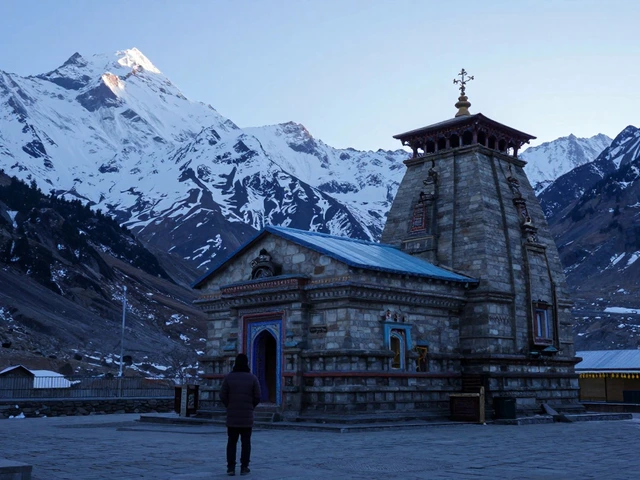
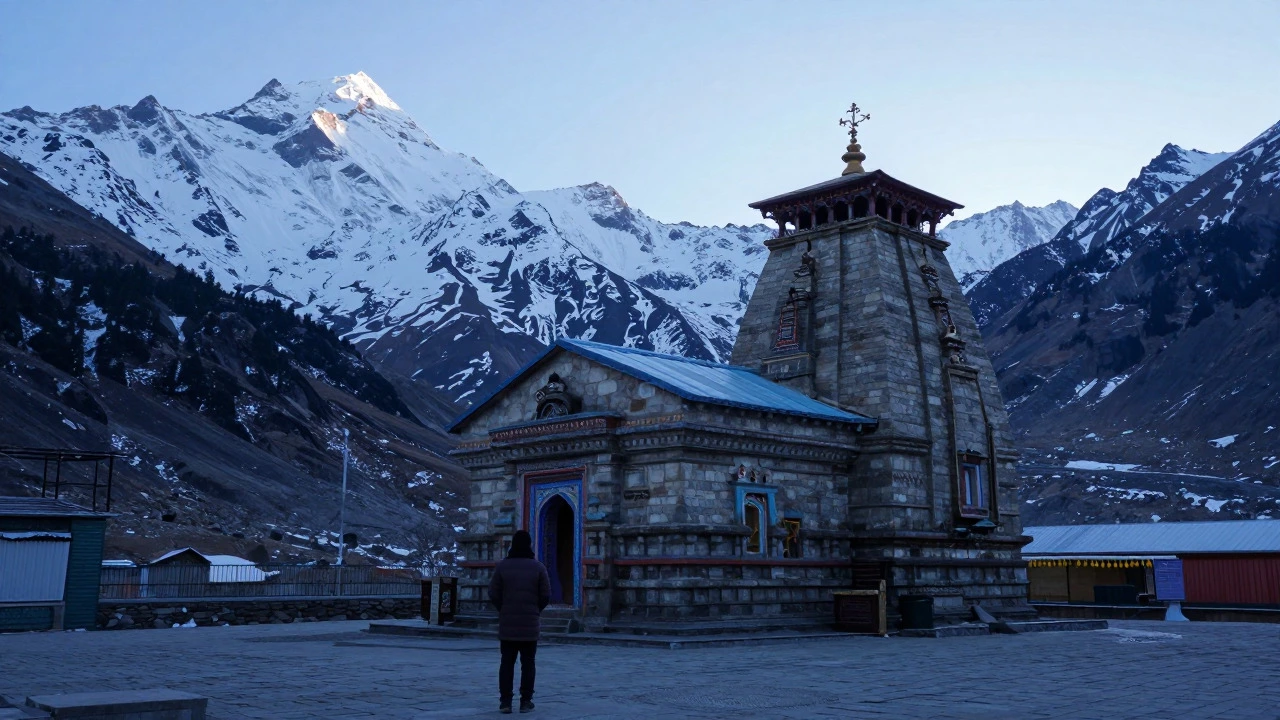
Badrinath Temple sits high in the Garhwal Himalayas, nestled between the Nar and Narayan mountains. This is not a place for casual sightseeing. The trek to Badrinath is physically demanding. You are dealing with altitudes above 3,000 meters. The air is thin, the weather is unpredictable, and the roads are narrow mountain passes that can close without warning due to landslides.
The temple itself is an architectural marvel carved out of stone. Inside, you will find the idol of Lord Vishnu in a meditative pose. What makes Badrinath special is its isolation. When you stand there, looking out at the snow-capped peaks, you realize why this has been a center of meditation for centuries. The cold is intense. Even in summer, you need layers. The local food is simple-hot soups, parathas, and tea-to keep you warm.
Pro Tip: Do not attempt this trip if you have respiratory issues without consulting a doctor first. Acute Mountain Sickness (AMS) is real. Take it slow when you arrive. Spend the first day resting in Joshimath before heading up.
2. Dwarka: The Western Kingdom
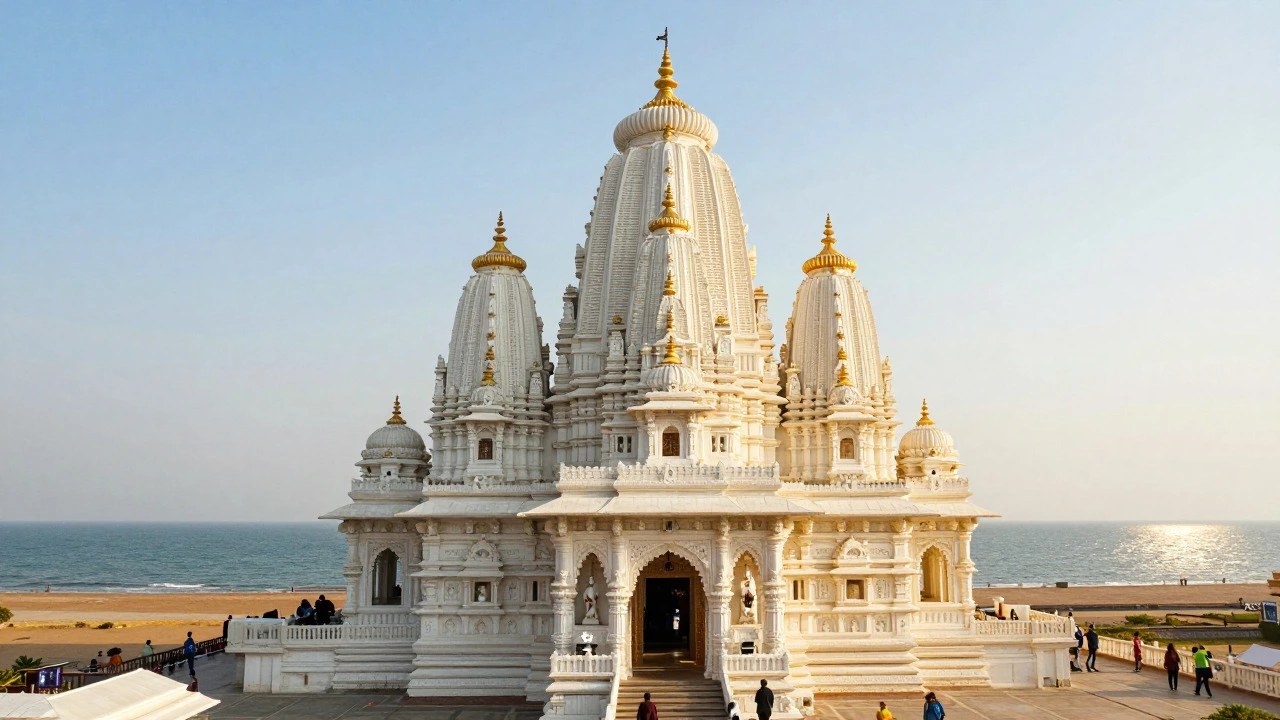
Travel west to the coast of Gujarat, and you find Dwarka. According to mythology, this was the capital of King Krishna. Unlike the rugged mountains of Badrinath, Dwarka is coastal, flat, and steeped in legend. The main temple, Dwarkadhish Temple, stands tall with seven stories. It looks like a fortress made of white marble and gold.
The vibe here is different. It’s bustling. People come from all over to see the samadhi of Rukmini, Krishna’s wife, and the Nageshwar Jyotirlinga nearby. The ocean breeze carries the sound of bells. Many visitors also take a boat ride to Bet Dwarka, an island nearby said to be part of Krishna’s original city. The water is clear, and the ruins visible below the surface add a layer of mystery to the visit.
One thing to note: Dwarka gets hot. Very hot. Between April and June, temperatures soar past 40°C. Plan your visit during the cooler months. The local cuisine features seafood and Gujarati thalis, which are vegetarian but rich in flavor.
3. Puri: The Eastern Sea God
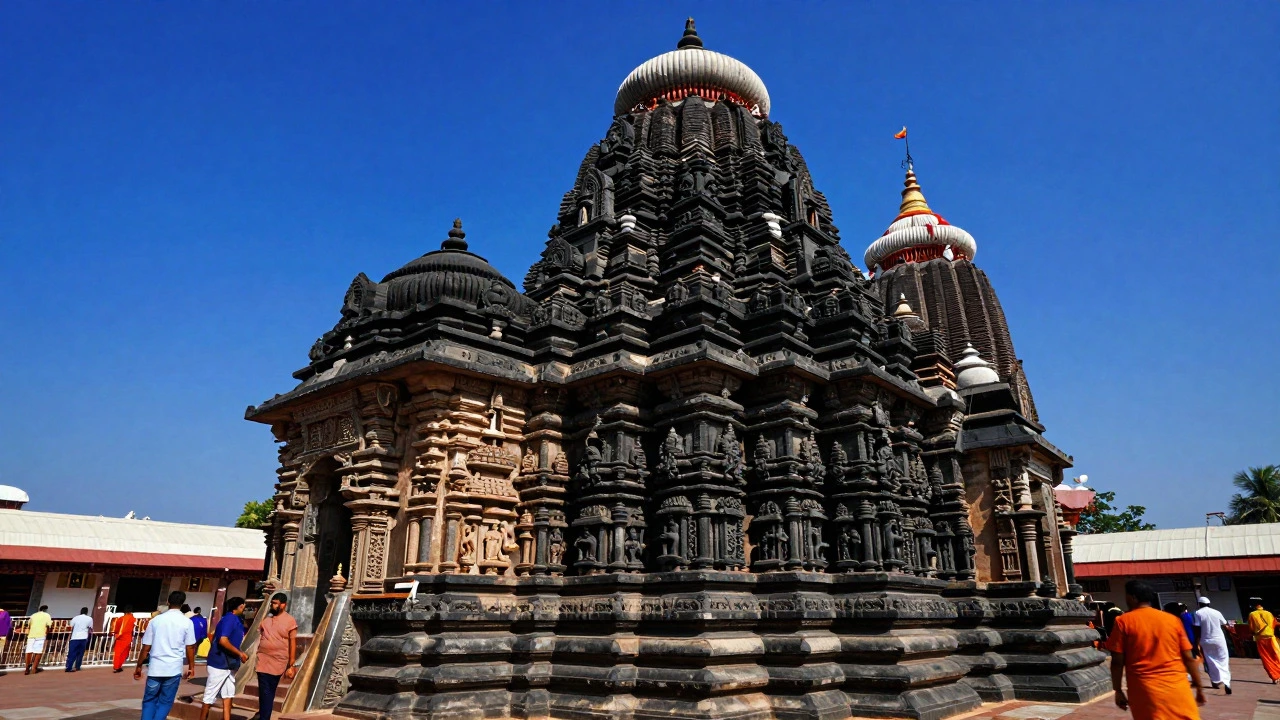
In the east, on the Bay of Bengal, lies Jagannath Temple in Puri, Odisha. This is perhaps the most visually striking of the four. The temple is massive, built in black stone, and rises dramatically against the sky. But the real magic happens during the Rath Yatra (Chariot Festival), usually in June or July. Millions gather to pull the giant chariots carrying the deities Jagannath, Balabhadra, and Subhadra.
Visiting Puri means dealing with crowds. Always. The beach is right next door, offering a stark contrast between the sacred and the secular. You can watch devotees perform rituals while tourists build sandcastles just meters away. The temple architecture follows Kalinga style, with intricate carvings that tell stories from epics. Entry into the inner sanctum is restricted to certain castes and priests, but the outer darshan is powerful enough to leave an impression.
Food lovers should try the Mahaprasad, the blessed food served in the temple kitchens. It’s cooked in huge iron pots and distributed to thousands daily. It’s simple rice, lentils, and vegetables, but eating it feels like participating in something ancient.
4. Rameshwaram: The Southern Bridge
Finally, head south to Tamil Nadu. Ramanathaswamy Temple in Rameshwaram is located on an island connected to mainland India by the Pamban Bridge. This place is tied directly to the Ramayana. Legend says Lord Rama built a bridge from here to Lanka to rescue Sita. Today, pilgrims bathe in 22 holy wells within the temple complex before entering.
The temple corridor is the longest in India. Walking through it feels like moving through time. The ceiling is painted blue, representing the sky. The atmosphere is humid, heavy with incense and chanting. Unlike the other three sites dedicated to Vishnu, this one is dedicated to Shiva. Yet, it remains part of the Char Dham circuit because of its connection to Rama.
After the temple, many travelers cross the Pamban Bridge to Dhanushkodi, the end of the land. The ruins there are hauntingly beautiful, destroyed by a cyclone in 1964. It’s a reminder of nature’s power versus human ambition.
Logistics: How to Actually Visit All Four
Let’s be realistic. Visiting all four Dhams in one go is a marathon, not a sprint. You’re covering thousands of kilometers across diverse climates. Here’s how to approach it:
- Start North or South: Most people start with Badrinath in spring (April-May) because the roads open up then. Alternatively, start with Rameshwaram in winter (Jan-Feb) to avoid the summer heat.
- Use Flights: Don’t drive the whole way. Fly to Dehradun/Joshimath for Badrinath, Porbandar/Dwarka for Dwarka, Bhubaneswar/Puri for Puri, and Madurai/Tuticorin for Rameshwaram. Connecting flights save days.
- Allow Buffer Days: Mountain weather changes fast. Temple queues can be long. Add extra days to your itinerary for unexpected delays.
- Respect Local Customs: Dress modestly. Shoulders and knees must be covered. Remove shoes before entering temple premises. Carry cash, as ATMs may not always work in remote areas like Badrinath.
Common Mistakes Travelers Make
I’ve seen too many travelers rush through these places, treating them like Instagram backdrops. Here’s what to avoid:
- Ignoring Altitude: Rushing to Badrinath without acclimatization leads to sickness. Stay in Joshimath or Rudraprayag overnight.
- Missing the Timings: Temples have specific opening hours. For example, Badrinath opens early morning and closes late afternoon. Check current timings online before you go.
- Overpacking: You don’t need designer clothes. Comfortable walking shoes, warm layers for the north, light cotton for the south, and rain gear are essential.
- Skipping Local Guides: At Puri and Rameshwaram, a local guide can explain the rituals and history that brochures miss. It enriches the experience significantly.
Why This Journey Matters Beyond Religion
You don’t have to be deeply religious to appreciate these places. They are windows into India’s cultural soul. Each site reflects the region’s language, food, art, and lifestyle. In Badrinath, you meet tough locals who survive harsh winters. In Dwarka, you see the blend of commerce and devotion. In Puri, you witness mass participation in festivals. In Rameshwaram, you feel the weight of literary history.
This journey forces you to slow down. It requires patience, flexibility, and respect. And in return, it offers moments of clarity that few other trips can provide. Whether you seek spiritual peace or cultural depth, the Four Dhams deliver-if you approach them with the right mindset.
What is the difference between Chota Char Dham and the traditional Four Dham?
Chota Char Dham refers to four Himalayan shrines: Yamunotri, Gangotri, Kedarnath, and Badrinath. These are all in Uttarakhand and are accessible only during specific months due to snow. The traditional Four Dham includes Badrinath (North), Dwarka (West), Puri (East), and Rameshwaram (South), spanning the entire country.
Can I visit all four Dhams in one month?
It’s possible but exhausting. You’d need to fly between locations and allow at least 3-4 days per site. Consider splitting the trip into two parts: North/West in one season and East/South in another, depending on weather conditions.
Is Badrinath safe for elderly travelers?
Only if they are in good health and accustomed to high altitudes. Medical facilities are limited. Consult a doctor beforehand and consider staying in lower-altitude towns like Joshimath instead of going all the way to Badrinath.
Do I need special permits to visit these places?
No special permits are required for Indian citizens. Foreign nationals may need an Inner Line Permit for some areas near Badrinath, especially if visiting border regions. Check current regulations before traveling.
What is the best time to visit Puri for fewer crowds?
Avoid June-July (Rath Yatra) and October-November (Diwali). Visit between January and February for milder weather and smaller crowds. Weekdays are less busy than weekends.
Are there luxury accommodation options near these temples?
Luxury options are limited near Badrinath and Rameshwaram. Dwarka and Puri have more comfortable hotels and resorts. Book well in advance, especially during peak seasons. Homestays offer authentic experiences but vary in quality.
How do I handle language barriers in these regions?
Hindi is widely understood in Badrinath and Dwarka. In Puri, Odia is spoken, but Hindi works. In Rameshwaram, Tamil dominates. Learn basic phrases or carry a translation app. Locals are generally helpful and patient with tourists.
What should I pack for a Char Dham tour?
Pack lightweight clothing for south/east, warm woolens for north, rain jackets, sturdy walking shoes, sunscreen, sunglasses, personal medications, and cash. Avoid heavy luggage; use backpacks for easier movement.