India's Ancient Wonders Explorer
How to use: Click on a site below to discover its age, its significance, and whether it was among the first to be recognized by UNESCO.
Dholavira
Oldest StructureIndus Valley Civilization
Ajanta Caves
1983 First BatchRock-cut Buddhist Monastery
Ellora Caves
1983 First BatchReligious Complex
Taj Mahal
1983 First BatchMughal Architecture
Please select a site to see the details.
Key Highlights
- The oldest World Heritage sites in India are those from the Indus Valley Civilization, like Dholavira.
- UNESCO recognition is based on "Outstanding Universal Value," not just the age of the stones.
- India has 42 World Heritage sites, ranging from prehistoric caves to Mughal monuments.
- The distinction between the "oldest site" and the "first site listed" is a common point of confusion.
When people ask which is the oldest world heritage site of india, they usually mean one of two things: which site was built first in human history, or which one was the first to be recognized by UNESCO. If we are talking about actual age-the date the first stone was laid or the first settlement grew-we have to travel back thousands of years to the dawn of civilization. You aren't just looking at a building; you're looking at the birth of urban planning and organized society.
The Ancient Giants: Indus Valley Civilizations
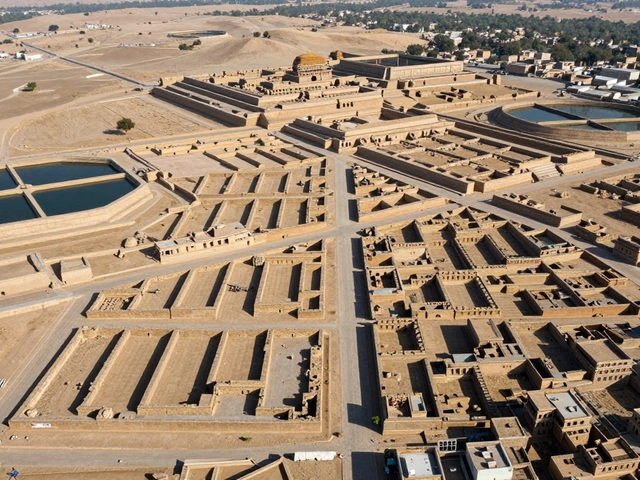
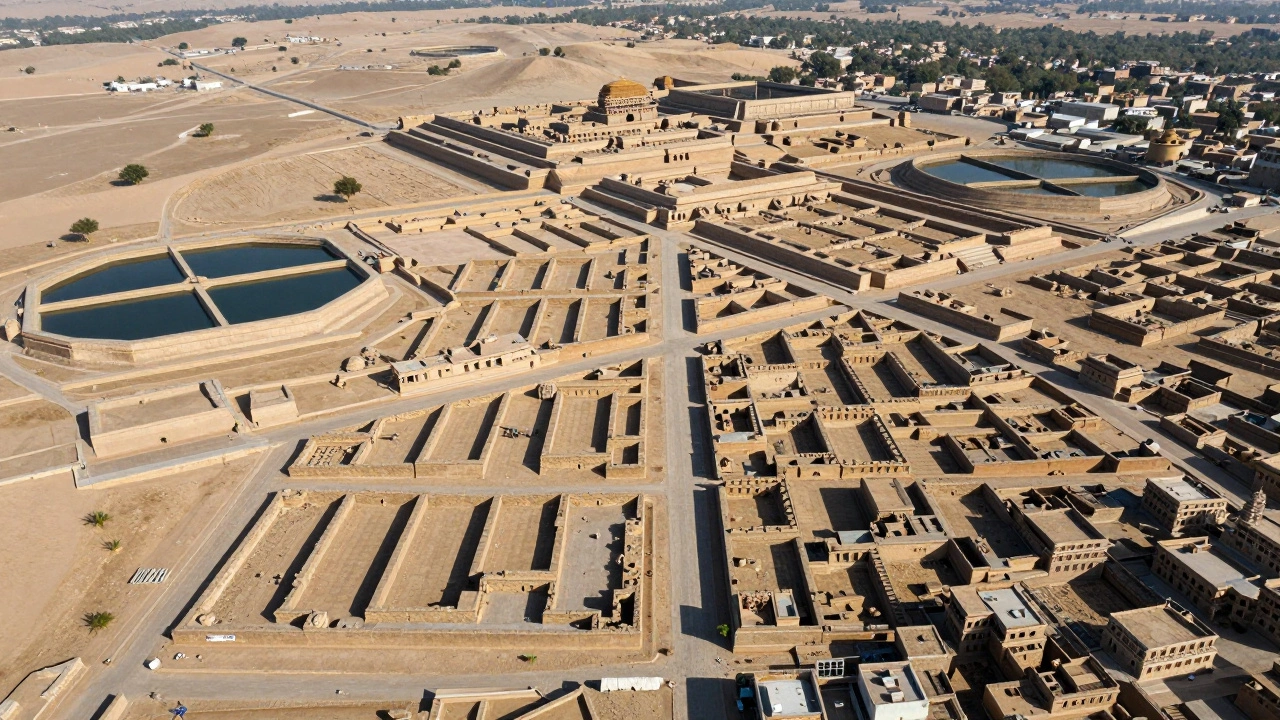
If you want the absolute oldest physical footprints recognized by UNESCO, look no further than the Dholavira is an ancient harbor city of the Indus Valley Civilization located in the Rann of Kutch, Gujarat. This site dates back to roughly 2500 BCE. Imagine a city with sophisticated water management systems, giant reservoirs, and a meticulously planned grid of streets, all built before the pyramids of Giza were even finished. Dholavira represents the pinnacle of the Indus Valley Civilization, a Bronze Age culture that thrived across what is now Pakistan and Northwest India.
Why does Dholavira matter? It shows that thousands of years ago, people in India already understood hydraulics and urban zoning. They weren't just surviving; they were engineering. When you walk through the ruins, you see a clear divide between the upper citadel and the lower town, proving that social hierarchies and governance existed long before the written records of the Middle Ages.
The First Recognized Sites: A Different Kind of "Oldest"
Now, here is where it gets tricky. If you search for the "first" World Heritage site in India, you'll find a different answer. In 1983, India had its very first batch of sites inscribed on the UNESCO World Heritage List. These weren't necessarily the oldest structures in terms of age, but they were the first to get the official global stamp of approval.
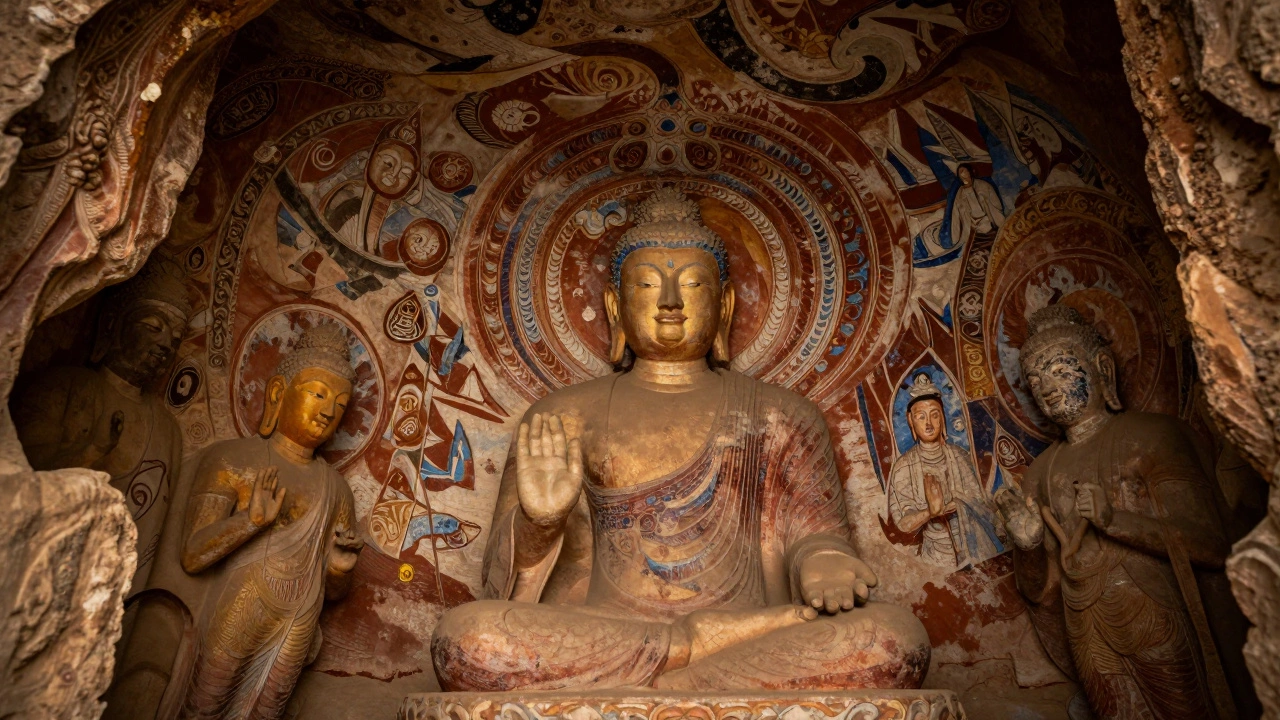
The 1983 group included heavy hitters like the Ajanta Caves, the Ellora Caves, and the Agra Fort. The Ajanta Caves, specifically, are incredibly old, featuring frescoes and sculptures that date back to the 2nd century BCE. While they aren't as old as the Indus Valley ruins, they represent a leap in artistic expression and spiritual devotion that shaped Asian art for centuries.
| Site Name | Approximate Age | Primary Entity Type | UNESCO Status |
|---|---|---|---|
| Dholavira | ~2500 BCE | Urban Settlement | Ancient/Recent Listing |
| Ajanta Caves | ~2nd Century BCE | Rock-cut Monastery | First 1983 Listing |
| Ellora Caves | ~6th - 10th Century CE | Religious Complex | First 1983 Listing |
| Taj Mahal | 17th Century CE | Mughal Architecture | First 1983 Listing |
Deep Dives into Prehistoric Wonders
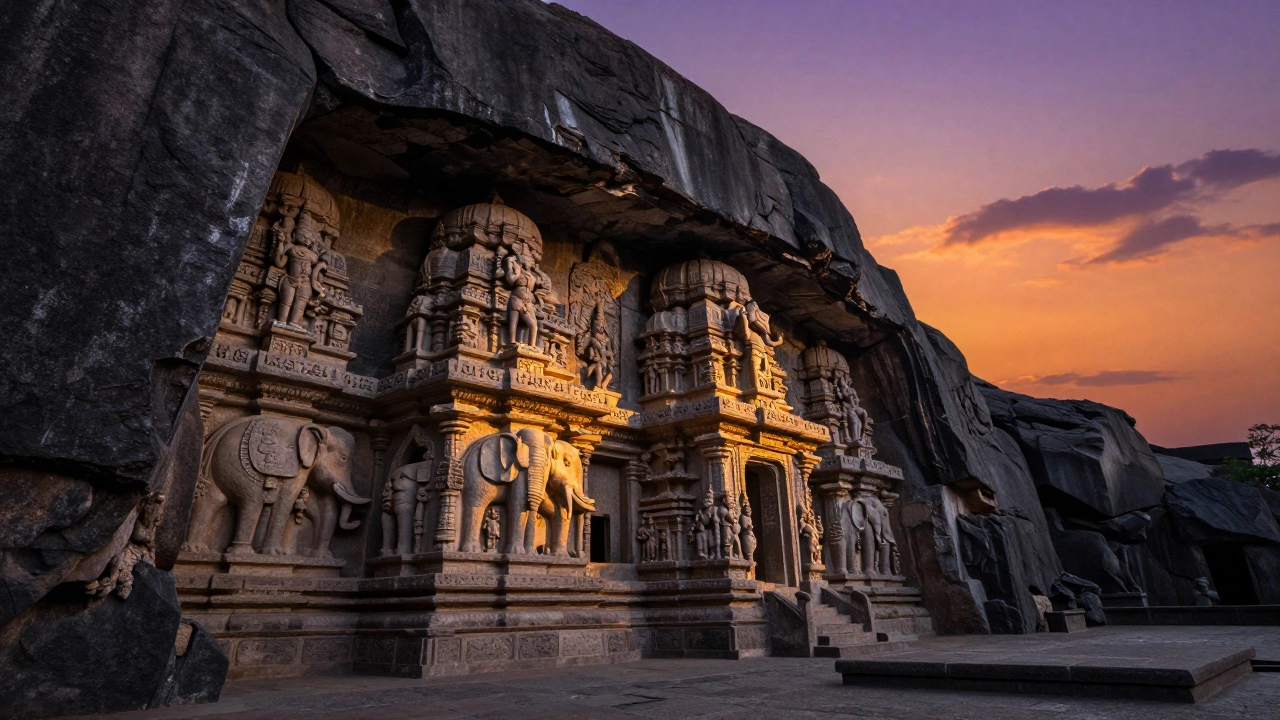
Beyond the planned cities, India's heritage is etched into its mountains. The Ellora Caves are a masterclass in patience and precision. Unlike most buildings that are built from the ground up, these were carved from the top down into a single basalt cliff. The most famous part, the Kailasa Temple, is a monolithic structure. This means it wasn't assembled from blocks; it was carved out of one single piece of rock. Think about the guts it takes to tell a team of laborers to chip away at a mountain for decades, knowing that one wrong move could ruin the entire project.
Then you have the Sun Temple, Konarak. While younger than Dholavira, it represents a different kind of "oldest"-the peak of Kalinga architecture. It’s designed as a giant chariot for the Sun God, complete with 24 wheels. It’s a reminder that Indian heritage isn't just about dates; it's about the evolution of mathematics, astronomy, and faith.
How UNESCO Decides What Stays
You might wonder why a 4,000-year-old site like Dholavira was added to the list much later than a 400-year-old fort. This is because UNESCO doesn't just count years. They look for "Outstanding Universal Value." A site must prove it has a unique contribution to human history. Dholavira was recognized because it provided a missing link in our understanding of how ancient humans managed water in arid environments-a lesson that is surprisingly relevant today given the global water crisis.
The process of becoming a World Heritage site involves a rigorous application. The government must prove they can protect the site from tourists, pollution, and weather. This is a constant struggle for sites like the Taj Mahal, where the white marble is fighting a losing battle against smog and insects. Preservation is the invisible half of the heritage story.
Navigating the Heritage Map
If you're planning to visit these sites, don't just stick to the "big names." While everyone flocks to the Taj, visiting the Hampi ruins in Karnataka gives you a feel for the Vijayanagara Empire's grandeur. Hampi is a surreal landscape of boulders and temples that feels like a movie set. It’s not the oldest in the country, but it’s one of the best examples of a city that was meticulously planned for both commerce and spirituality.
For those who prefer the mountains, the Himalayan Kingdom influences are seen in the monasteries of Ladakh and Sikkim. While not all are UNESCO sites, they follow the same architectural logic as the older caves: using the natural environment to create a space for meditation and seclusion.
Common Pitfalls When Studying Ancient Sites
One big mistake people make is assuming that "older is better." In the world of archaeology, a site from 1000 CE that is well-preserved is often more valuable than a site from 2000 BCE that is just a pile of bricks. Context is everything. When you visit Dholavira, you aren't looking for gold or fancy carvings; you're looking for the logic of the street layout. When you visit the Ajanta Caves, you're looking for the emotion in the paintings.
Another point of confusion is the difference between a "protected monument" and a "World Heritage site." The Archaeological Survey of India (ASI) protects thousands of sites. However, only a tiny fraction of those make the leap to UNESCO status. The ASI focuses on national pride and preservation; UNESCO focuses on the site's importance to the entire human race.
Is Dholavira really the oldest?
In terms of architectural remains recognized by UNESCO, Dholavira is among the oldest because it belongs to the Indus Valley Civilization, dating back to 2500 BCE. While there may be older prehistoric stone tools or cave paintings in India, Dholavira is one of the oldest examples of an organized urban city.
Which Indian sites were listed first by UNESCO?
The first sites were listed in 1983. This group included the Ajanta Caves, Ellora Caves, Agra Fort, and the Taj Mahal. These were the first to be recognized globally, even though they aren't the oldest in terms of construction date.
What makes a site a "World Heritage Site"?
A site must possess "Outstanding Universal Value." This means it must be an exceptional example of a particular architectural style, a testament to a vanished civilization, or a unique natural phenomenon. It also requires a strict management plan to ensure it survives for future generations.
How many World Heritage sites are there in India?
As of 2026, India has 42 World Heritage sites. These are divided into cultural sites (like the temples and forts) and natural sites (like the Kaziranga National Park or the Western Ghats).
Why are the Ajanta and Ellora caves so significant?
They are significant because they represent the transition of religious art and architecture. Ajanta focuses heavily on Buddhist narratives through painting, while Ellora shows a peaceful coexistence of Buddhism, Hinduism, and Jainism, all carved into the same mountain range.
Next Steps for History Buffs
If you've caught the bug for ancient history, don't stop at the UNESCO list. Start by exploring the Archaeological Survey of India's digital archives to find smaller, less-visited ruins in your region. If you're in the North, head toward the ruins of Taxila (though now in Pakistan) or the nearby Buddhist sites in Bihar. If you're in the South, the temples of Tamil Nadu offer a chronological map of Dravidian architecture that is just as impressive as any UNESCO site.
For a more immersive experience, try visiting these sites during the "shoulder season" (late September to early March). Not only is the weather more bearable, but you'll have more space to actually think about the scale of these achievements without fighting through a crowd of selfie sticks. Remember, these sites are fragile. Stick to the paths and avoid touching the frescoes-the oils from our skin are one of the biggest threats to ancient pigments.