Heritage Site Matchmaker
Not sure which famous Indian heritage site to visit? Answer these three quick questions to get a personalized recommendation based on crowd tolerance, interest type, and desired experience.
Your Recommended Site
Select your preferences and click "Find My Match" to see which heritage site suits you best.
You’ve probably seen it on a postcard, a movie screen, or maybe even in real life. But ask ten people to name the most famous heritage place in India, and nine will say the same thing: the Taj Mahal. It’s not just a building; it’s an icon. Yet, while everyone knows the name, many travelers arrive in Agra expecting a simple white dome and leave overwhelmed by the sheer scale of Mughal ambition. Is it really the best? Or is its fame just hype fueled by Instagram filters?
Let’s cut through the noise. Yes, the Taj Mahal is arguably the most recognizable structure in South Asia. But "famous" doesn't always mean "best for you." Depending on whether you love intricate carvings, sprawling ruins, or living culture, other sites might actually scratch your travel itch better. This guide breaks down why the Taj holds the crown, how to visit without losing your mind, and which rival heritage spots deserve a spot on your itinerary.
Why the Taj Mahal Holds the Crown
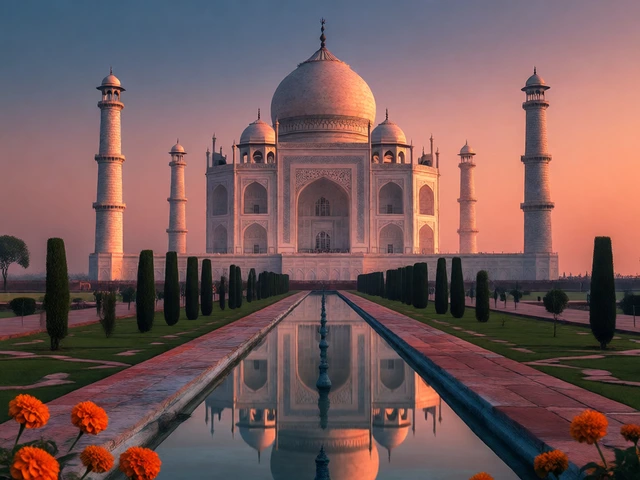
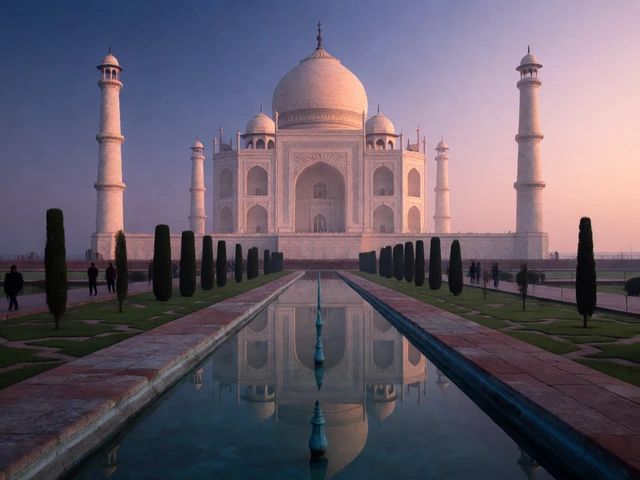
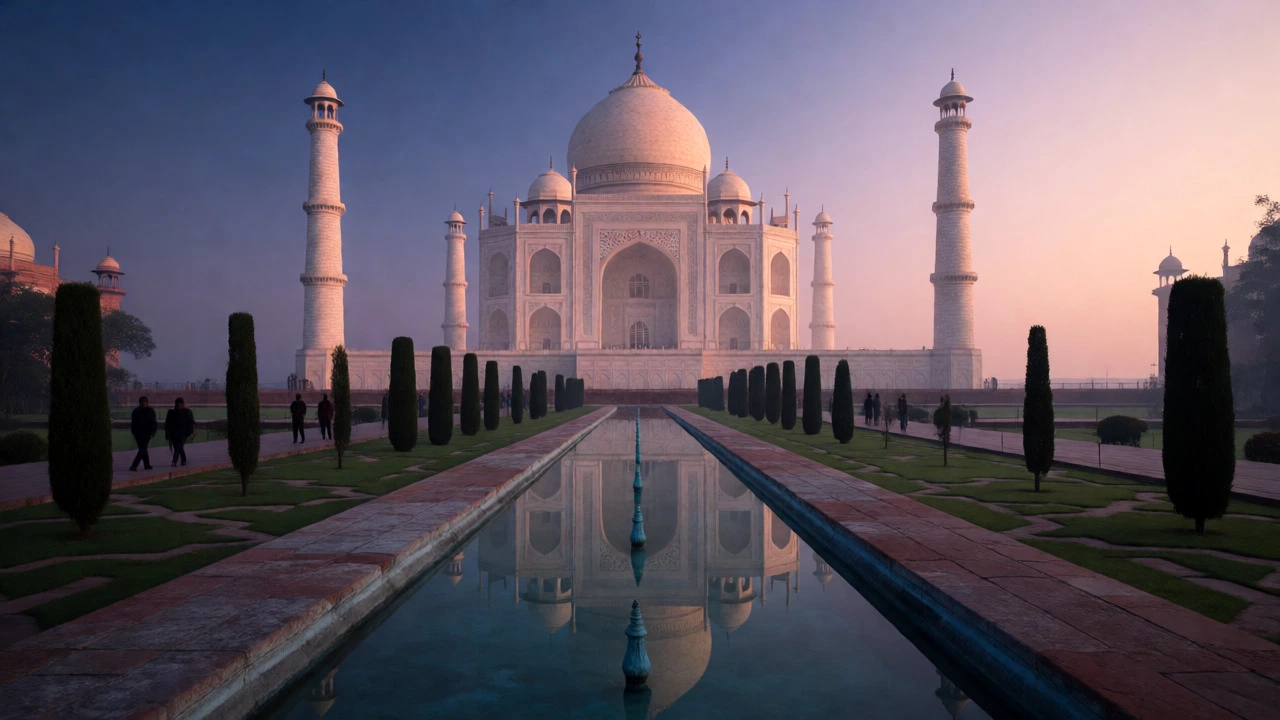
The Taj Mahal isn’t famous because it’s old. There are older structures in India. It’s famous because it represents perfection. Built between 1632 and 1653 by Emperor Shah Jahan, it was designed as a mausoleum for his favorite wife, Mumtaz Mahal. The symmetry is so precise that if you fold the image in half, both sides match perfectly-except for the emperor’s own tomb, which sits slightly off-center next to hers.
What makes it stand out from other Mughal architecture examples like the Red Fort or Humayun’s Tomb is the material. While others use red sandstone, the Taj uses translucent Makrana marble. This stone changes color with the light. At dawn, it looks pinkish-white. At noon, it blazes white. Under moonlight, it glows silver. This optical trick has captivated poets and tourists for centuries, cementing its status as the ultimate romantic symbol.
Planning Your Visit: The Practical Reality
Fame comes with crowds. If you want to see the Taj Mahal without fighting thousands of selfie sticks, timing is everything. The site opens at sunrise and closes at sunset. Friday is closed for prayers. That means you have six days a week to navigate a logistical maze.
- Best Time to Go: October to March offers cool weather (10°C-25°C). Summer months (April-June) can hit 45°C, making outdoor exploration miserable. Monsoon season (July-September) brings humidity but fewer crowds.
- Entry Tickets: Foreigners pay significantly more than locals. As of recent updates, the ticket price for foreigners is around ₹1,100, plus extra for the main mausoleum interior. Buy online via the official Archaeological Survey of India portal to skip the ticket counter queue.
- Security Checks: Expect bag checks. You cannot carry large bags, food, tobacco, or electronic devices (phones/cameras are okay, but no tripods inside the main area).
A pro tip from someone who has watched the sunrise there three times: Enter through the East Gate. It’s less crowded than the West Gate (the main entrance used by tour buses). Walking from the East gives you a quieter approach to the main gateway, allowing you to take photos before the mass influx arrives.
The Rivals: Other Top-Tier Heritage Sites
While the Taj wins on global recognition, it doesn’t win on every metric. If you’re interested in military history, Hampi beats it. If you prefer coastal charm, Goa’s churches offer a different vibe. Here is how the top contenders stack up against the Taj.
| Site | Location | Primary Appeal | Crowd Level | Best For |
|---|---|---|---|---|
| Taj Mahal | Agra, UP | Romantic architecture, symmetry | Very High | First-time visitors, photographers |
| Hampi | Karnataka | Vast ruins, boulder landscapes | Moderate | History buffs, backpackers |
| Jaipur City Palace | Rajasthan | Living royal heritage, museums | High | Culture enthusiasts, families |
| Ellora Caves | Maharashtra | Rock-cut temples, engineering | Moderate | Art lovers, spiritual seekers |
Hampi is a type of ruined city complex in Karnataka that served as the capital of the Vijayanagara Empire. Unlike the pristine white marble of the Taj, Hampi is a sprawling landscape of granite boulders and crumbling temples. It feels wilder, more adventurous. You can rent a scooter and spend two days exploring the Virupaksha Temple and the Stone Chariot. It’s less polished, but far more immersive if you hate feeling like part of a herd.
Jaipur, known as the Pink City, offers a blend of Rajput and Mughal architectural styles within a still-inhabited urban environment. The Amber Fort requires an elephant ride or jeep climb, offering panoramic views that the flat plains of Agra cannot match. Jaipur is also a shopping hub, meaning you can pair heritage tours with buying textiles and jewelry.
Beyond the Photo Op: Understanding the Context
Visiting the Taj Mahal without context is like reading only the cover of a book. To truly appreciate it, you need to understand the Mughal Empire that built it. This dynasty ruled much of the Indian subcontinent from the early 16th to the mid-19th century. They blended Persian, Islamic, and Indian artistic traditions into what we now call Indo-Islamic architecture.
The Taj isn’t just a tomb; it’s a garden paradise representation. The charbagh layout divides the garden into four parts with water channels, symbolizing the rivers of paradise mentioned in Islamic texts. When you walk the grounds, notice the fountains and the reflecting pools. These aren’t decorative extras; they are integral to the design philosophy. Ignoring them means missing half the story.
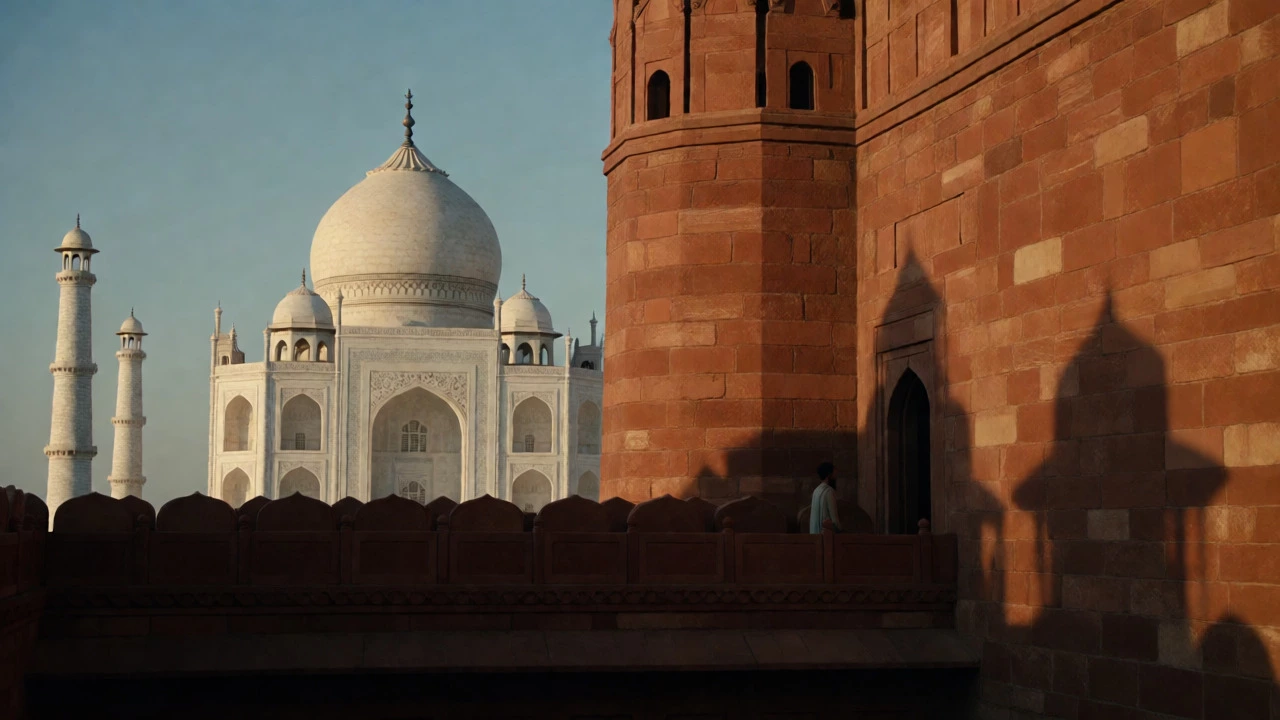
Also, don’t ignore the surrounding Agra Fort. Just 2.5 kilometers away, this red sandstone fortress was the residence of the emperors until Shah Jahan was imprisoned by his son, Aurangzeb. Legend says Shah Jahan spent his final years gazing at the Taj Mahal from a window in the Musamman Burj tower. Visiting both gives you the full narrative arc: power, love, betrayal, and legacy.
Pitfalls to Avoid
Travelers often make avoidable mistakes that ruin their experience. First, hiring unauthorized guides. Stick to government-approved guides. Unofficial ones often rush you or tell inaccurate stories to justify their fees. Second, underestimating the heat. Even in winter, the sun reflects intensely off the white marble. Bring sunglasses, a hat, and water. Third, ignoring local etiquette. Dress modestly. Shoulders and knees should be covered, especially if you plan to enter nearby mosques or temples.
Another common issue is the "monument fatigue." Trying to see the Taj, Agra Fort, Fatehpur Sikri, and Mathura in one day leaves you exhausted and unable to appreciate any of them. Slow down. Spend two nights in Agra. Eat at a rooftop restaurant overlooking the Taj in the evening. Let the monument sink in.
Final Verdict: Is It Worth the Hype?
If you define "most famous" by global brand recognition, the Taj Mahal is untouchable. No other Indian site has its level of instant visual recall. However, if you define value by crowd control, authenticity, or variety, you might find yourself preferring Hampi or Khajuraho. The Taj is a masterpiece, but it is a curated, guarded, and heavily visited masterpiece.
For first-timers, go to the Taj. It’s iconic for a reason. For repeat visitors, branch out. India’s heritage landscape is deep. From the rock-cut caves of Ajanta to the stepwells of Gujarat, there’s a wealth of history waiting beyond the marble dome. Use the Taj as your anchor, then explore outward.
Is the Taj Mahal open every day?
No, the Taj Mahal is closed on Fridays for mosque prayers. It is open from Saturday to Thursday, typically from sunrise to sunset. During Ramadan, opening hours may vary, so check local announcements before planning your trip.
Can I visit the Taj Mahal at night?
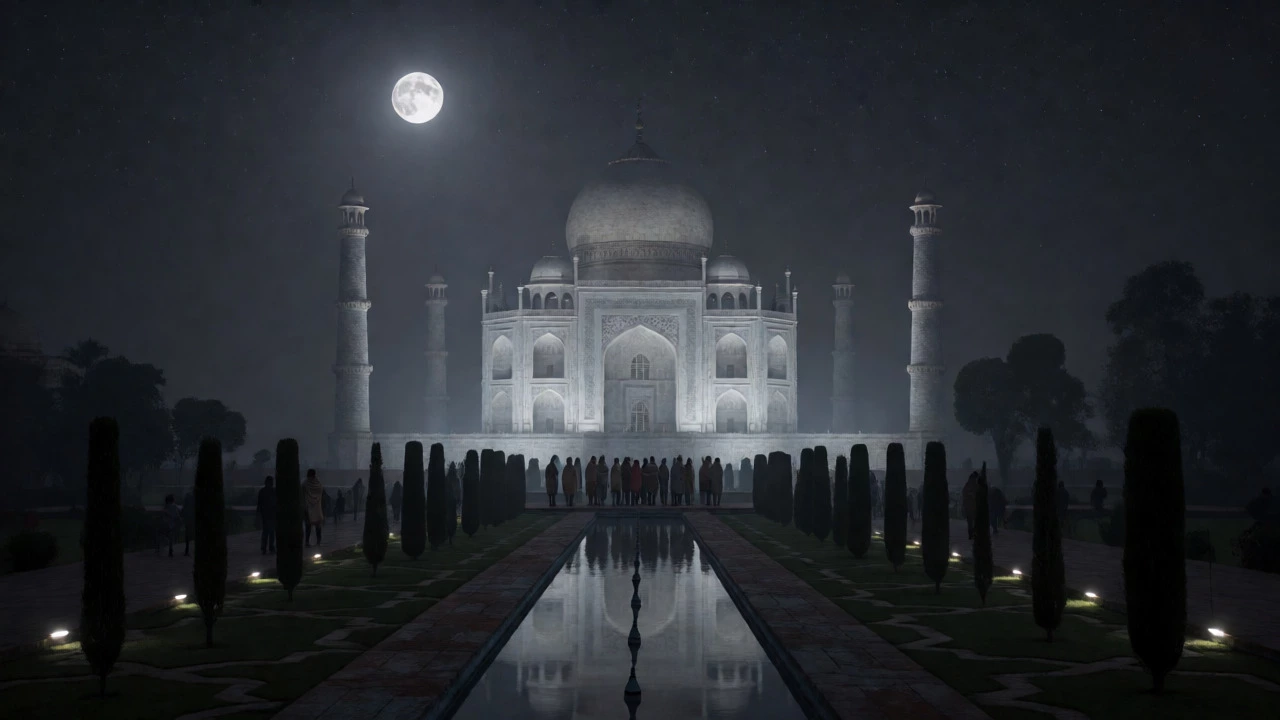
Yes, but only during specific nights. Night viewing is allowed on the full moon night and the two nights before and after it. This option is limited to five days per month and requires a separate ticket. It’s magical but cold, so dress warmly.
How much time do I need for the Taj Mahal?
Allow at least 2-3 hours for the main monument. If you want to explore the gardens, the museum, and take proper photos without rushing, plan for half a day. Adding Agra Fort requires another 2-3 hours.
Is it safe to hire rickshaws near the Taj?
Generally yes, but negotiate fares beforehand. Auto-rickshaws are convenient for short distances. Electric carts are available within the restricted zone near the gates. Always agree on the price before getting in to avoid disputes.
Are drones allowed at the Taj Mahal?
No, drone flights are strictly prohibited within the Taj Mahal premises without special permission from the authorities. Unauthorized flying can result in fines and confiscation of the device.