India Travel Planner & Insight Tool
Plan Your Experience
Select your primary interest to see what India is most famous for in that category.
Select an interest above to discover iconic experiences.
You land in Delhi or Mumbai, step out of the airport, and hit a wall of sensory overload. The air smells like jasmine, diesel, and frying spices all at once. Horns blare in a rhythm that feels chaotic but somehow works. This isn't just a country; it's an experience that hits you before you even unpack your bags. When people ask what is India very famous for, they usually expect one answer. But the truth is, there isn't one. There are dozens.
Most travelers come looking for the postcard shots: the white marble domes, the colorful festivals, the spicy food. And yes, you'll find those. But if you dig a little deeper, you'll discover why this subcontinent has captivated humans for thousands of years. It’s not just about seeing things; it’s about understanding how billions of people live, pray, eat, and celebrate in one of the most diverse places on Earth. Let’s break down what actually makes India stand out on the global stage, beyond the clichés.
The Architectural Marvels That Define History
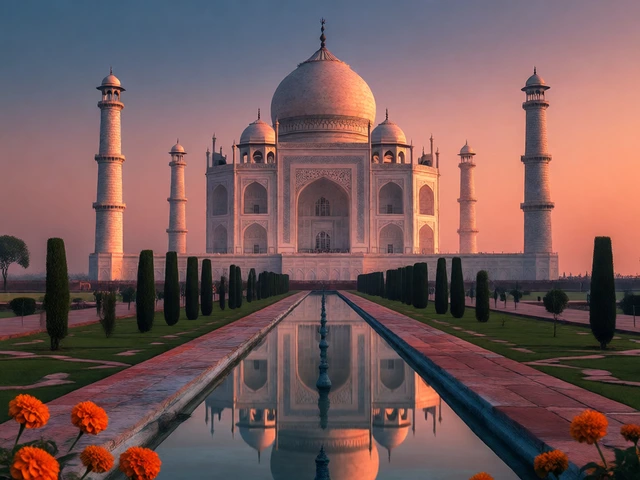
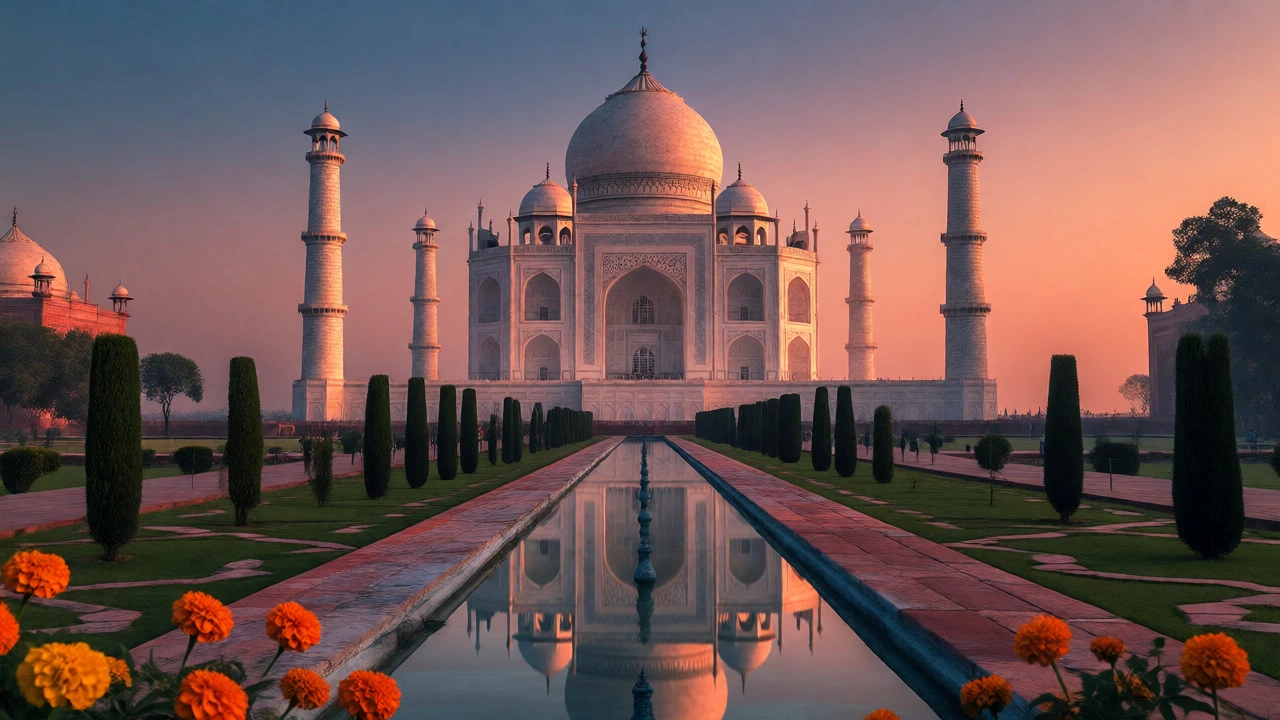
If you visit only one thing, it will likely be the Taj Mahal. Located in Agra, this white marble mausoleum was built by Mughal Emperor Shah Jahan in memory of his wife Mumtaz Mahal. Completed in 1653, it is widely considered the finest example of Mughal architecture, which blends Islamic, Persian, Ottoman Turkish, and Indian architectural styles. The symmetry is perfect, the craftsmanship is unmatched, and the way the light changes the color of the marble from pinkish in the morning to milky white in the evening is genuinely magical.
But India’s fame isn’t limited to one monument. Think about the Hawa Mahal in Jaipur. It looks like a honeycomb made of red and pink sandstone. Built in 1799, it allowed royal women to watch street festivals without being seen. Or consider the rock-cut caves of Ajanta and Ellora, carved directly into basalt cliffs between the 2nd century BCE and the 10th century CE. These aren't just buildings; they are stories carved in stone, depicting Buddhist, Hindu, and Jain traditions side by side.
Why does this matter to you as a traveler? Because these structures show you how different religions and empires coexisted. You can walk through a Hindu temple in Varanasi, then take a short trip to see a Sikh Golden Temple in Amritsar, and then fly south to see Dravidian-style gopurams (towering gateways) in Tamil Nadu. Each style tells a different part of the story.
Spirituality and the Birthplace of Yoga
For many, India is synonymous with spirituality. It is the birthplace of four major world religions: Hinduism, Buddhism, Jainism, and Sikhism. If you’ve ever tried yoga, you’ve touched Indian culture. While millions practice it globally for fitness, its roots are deeply spiritual, originating over 5,000 years ago in the Indus Valley Civilization. The concept of "Namaste"-the divine in me bows to the divine in you-is more than a greeting; it’s a philosophical stance on human connection.
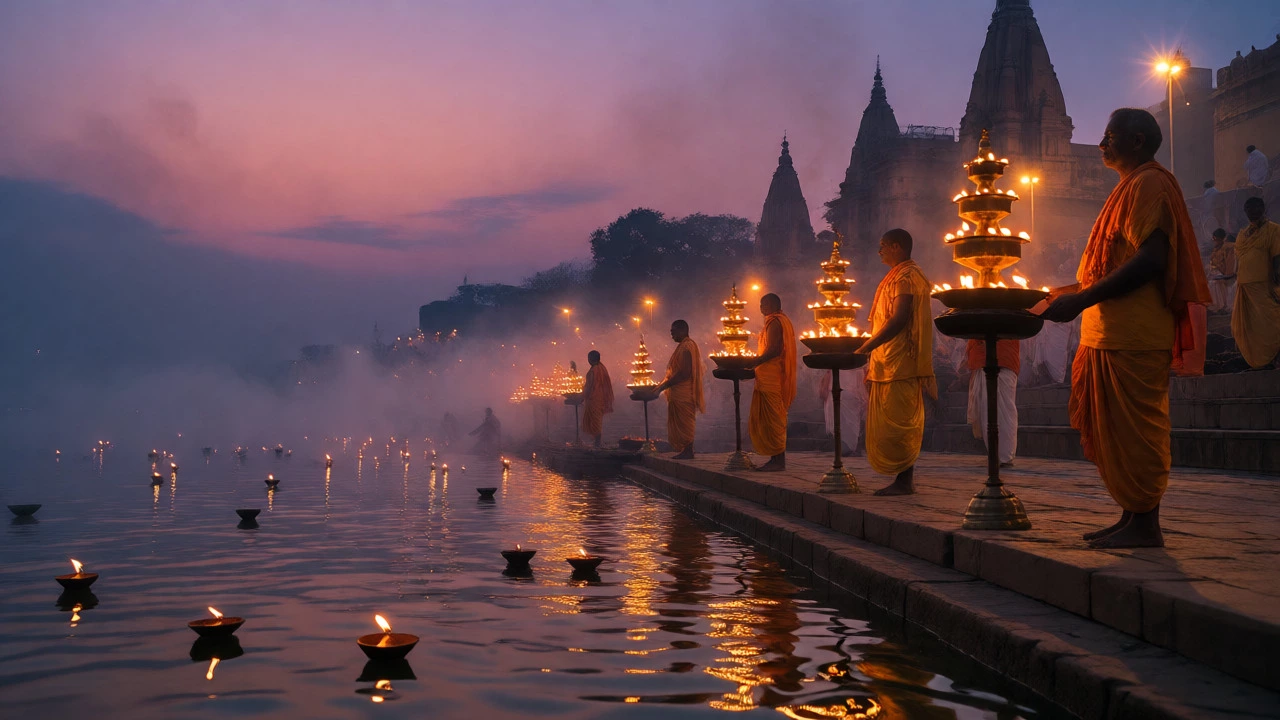
You don’t have to be religious to feel this energy. Visit Rishikesh, known as the "Yoga Capital of the World," nestled in the foothills of the Himalayas along the Ganges River. Here, you’ll see monks meditating on riverbanks while tourists take drop-in classes. Or go to Varanasi, one of the oldest continuously inhabited cities in the world. Watching the Ganga Aarti ceremony at dusk, where priests offer fire to the river, is intense. The chanting, the smoke, the floating lamps-it’s overwhelming in the best way possible.
This spiritual depth attracts seekers from everywhere. People come to learn meditation techniques, attend silent retreats, or simply sit in silence near ancient ashrams. It’s a counter-balance to the noise of daily life, offering a space to slow down and look inward.
A Culinary Journey Through Spices
Let’s talk about food. If you think Indian food is just "curry," you’re missing 90% of the picture. India is a continent disguised as a country, and every region has its own distinct cuisine. In the North, you’ll find rich, creamy gravies based on dairy and wheat breads like naan and roti. Dishes like Butter Chicken and Dal Makhani dominate here. Down South, the climate is hotter, so the food relies heavily on rice, lentils, and coconut. Idli (steamed rice cakes) and Dosa (crispy fermented crepes) are breakfast staples that are light yet filling.
The use of spices is where India truly shines. It’s not just about heat. It’s about layering flavors. Turmeric gives color and anti-inflammatory properties. Cumin adds earthiness. Cardamom brings floral notes. A typical thali-a platter with small bowls of various dishes-shows this complexity perfectly. You might have a sweet mango chutney next to a spicy pickle and a cooling raita (yogurt sauce). Every bite balances the others.
Street food is another huge draw. Puchka (or Pani Puri) in Kolkata, Vada Pav in Mumbai, and Chaat in Delhi are iconic. They’re cheap, fresh, and explosive with flavor. Just be mindful of water quality when trying street stalls; stick to busy vendors who turn over ingredients quickly.
Festivals: A Riot of Color and Light
India celebrates more festivals than any other nation. Diwali, the Festival of Lights, is probably the most famous. For five days, homes across the country are lit up with oil lamps (diyas) and electric lights. Families exchange sweets, wear new clothes, and set off fireworks. It symbolizes the victory of light over darkness and good over evil. If you visit during October or November, the entire country glows.
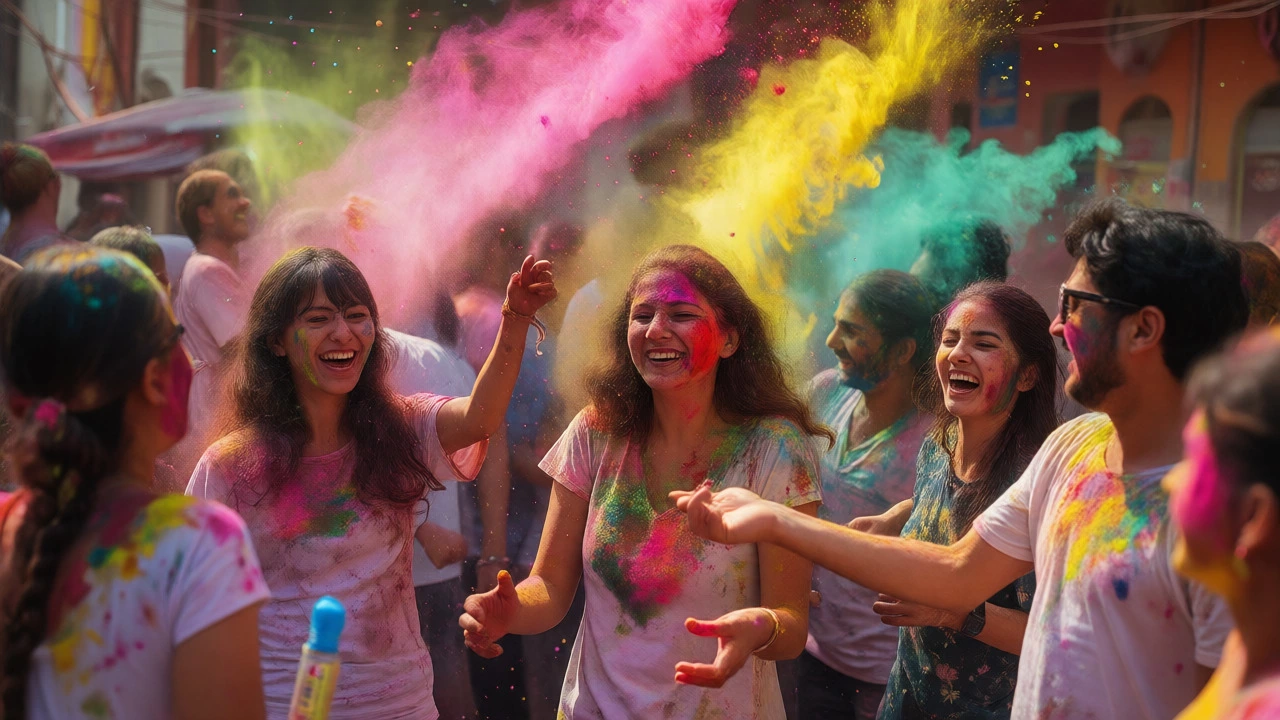
Then there’s Holi, the Festival of Colors, celebrated in March. Everyone throws colored powder and water at each other, regardless of age, gender, or social status. It’s messy, joyful, and incredibly inclusive. In Kerala, Onam features massive boat races and flower carpets called pookalam. In Punjab, Baisakhi marks the harvest season with energetic bhangra dancing.
These aren’t just tourist shows. They are lived experiences. Joining a local family for dinner during Diwali or getting covered in powder at Holi connects you to people in a way that museum tours never could. The hospitality during these times is often extraordinary, with strangers inviting you into their homes.
| Festival Name | Time of Year | Primary Region | Key Activity |
|---|---|---|---|
| Diwali | October/November | Nationwide | Lighting diyas, exchanging gifts, fireworks |
| Holi | March | North India (especially Mathura/Vrindavan) | Throwing colored powders and water |
| Eid-ul-Fitr | End of Ramadan (varies) | Nationwide (significant Muslim population) | Prayers, feasting, charity |
| Onam | August/September | Kerala | Boat races, flower carpets, grand feasts |
| Durga Puja | September/October | West Bengal (Kolkata) | Elaborate pandals (temporary structures), art exhibitions |
Natural Diversity: From Snow to Sand
Geographically, India is staggering. You can ski in the Himalayas in January and sunbathe on tropical beaches in Goa in the same month. The Western Ghats run parallel to the west coast, creating lush rainforests teeming with wildlife. The Thar Desert in Rajasthan offers vast dunes and camel safaris. The backwaters of Kerala provide a serene contrast with houseboats drifting through palm-lined canals.
Wildlife enthusiasts flock to national parks like Jim Corbett and Ranthambore to spot Bengal tigers. With fewer than 3,000 wild tigers left globally, India protects a significant portion of them. Seeing a tiger in its natural habitat is a rare privilege. Other endangered species like the Asiatic lion, found only in Gir Forest, Gujarat, add to the ecological importance of the region.
This diversity means you don’t need to leave India to see vastly different landscapes. A single trip can include mountain treks, desert camps, jungle safaris, and coastal relaxation. It’s a logistical challenge but a rewarding one.
The Textile and Craft Tradition
Before fast fashion took over, India was the world’s textile hub. Even today, handloom weaving remains vital. Banarasi silk sarees from Varanasi are woven with gold and silver threads, taking weeks to complete. Khadi, a hand-spun cloth promoted by Gandhi during the independence movement, is still worn proudly for its breathability and sustainability.
Craftsmanship extends beyond fabric. Blue pottery from Jaipur, brassware from Moradabad, and leather goods from Kanpur are all renowned for their quality. Buying directly from artisans supports local economies and ensures authenticity. Unlike mass-produced souvenirs, these items carry the mark of human hands and generations of skill.
Modern India: Tech and Cinema
It would be wrong to paint India as only ancient. Modern India is a tech powerhouse. Bangalore is often called the "Silicon Valley of India," hosting headquarters for global IT giants and startups alike. The digital payment system, UPI (Unified Payments Interface), allows anyone to pay for anything-from a chai stall to luxury hotels-with just a QR code scan. It’s seamless and ubiquitous.
And then there’s Bollywood. The Indian film industry produces more movies annually than Hollywood. While Bollywood refers specifically to Hindi-language cinema based in Mumbai, regional industries like Tollywood (Telugu) and Kollywood (Tamil) are equally massive. Films like "RRR" and "Baahubali" have gained international acclaim, showcasing high-octane action, music, and storytelling that resonates globally. Music and dance sequences are integral to these films, influencing pop culture worldwide.
Quick Summary / Key Takeaways
- Diverse Heritage: India is famous for architectural wonders like the Taj Mahal and Hawa Mahal, reflecting centuries of multicultural history.
- Spiritual Roots: As the birthplace of Yoga, Hinduism, Buddhism, and other faiths, it attracts seekers for meditation and inner peace.
- Culinary Richness: Regional cuisines vary wildly, using complex spice blends rather than just heat, with street food being a major highlight.
- Vibrant Festivals: Celebrations like Diwali and Holi offer immersive cultural experiences involving light, color, and community participation.
- Geographic Variety: From Himalayan peaks to Kerala backwaters and Rajasthan deserts, the landscape offers extreme diversity within one country.
Is India safe for solo female travelers?
Yes, with precautions. Major cities and tourist hubs like Goa, Kerala, and Rajasthan are generally safe. Dress modestly, avoid isolated areas at night, and use reputable transport apps like Uber or Ola. Many women travel solo successfully by staying aware of their surroundings and connecting with other travelers.
What is the best time to visit India?
October to March is ideal for most regions, including North India, as the weather is cool and dry. April to June is hot, suitable for hill stations like Shimla or Darjeeling. July to September is monsoon season, which is great for Kerala and Rajasthan but can cause delays elsewhere.
Do I need vaccinations before traveling to India?
Consult your doctor, but common recommendations include Hepatitis A, Typhoid, and Tetanus. Malaria prophylaxis may be advised depending on the region and season. Ensure routine vaccines are up to date.
Is English widely spoken in India?
Yes, especially in urban areas, tourist destinations, and among younger populations. It serves as a link language between speakers of different regional languages. However, learning basic Hindi phrases like "Namaste" (hello/goodbye) and "Shukriya" (thank you) goes a long way in building rapport.
What should I know about bargaining in India?
Bargaining is expected in markets, street stalls, and auto-rickshaws, but not in malls or fixed-price stores. Start at about 50-60% of the quoted price and negotiate politely. Smile, stay friendly, and be willing to walk away if the price doesn’t match your value assessment.