Punjab Tourist Safety & Risk Assessment Tool
Answer these questions to calculate your personalized safety score for a trip to Punjab. This tool considers crime rates, transport habits, food hygiene, and cultural etiquette.
Calculating...
Risk LevelKey Insights
Fill out the profile on the left to generate your personalized safety assessment for Punjab.
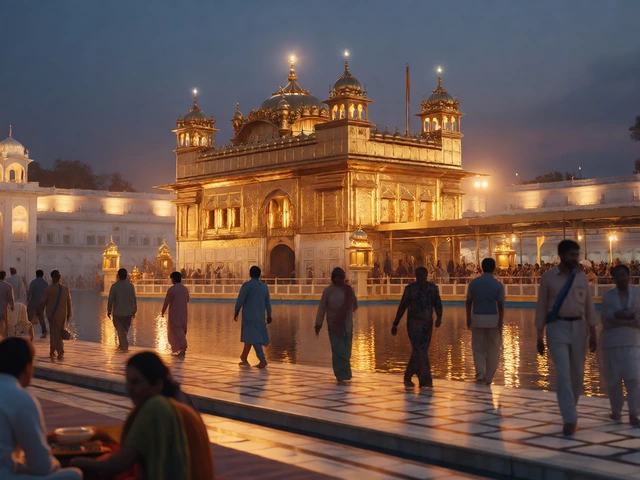
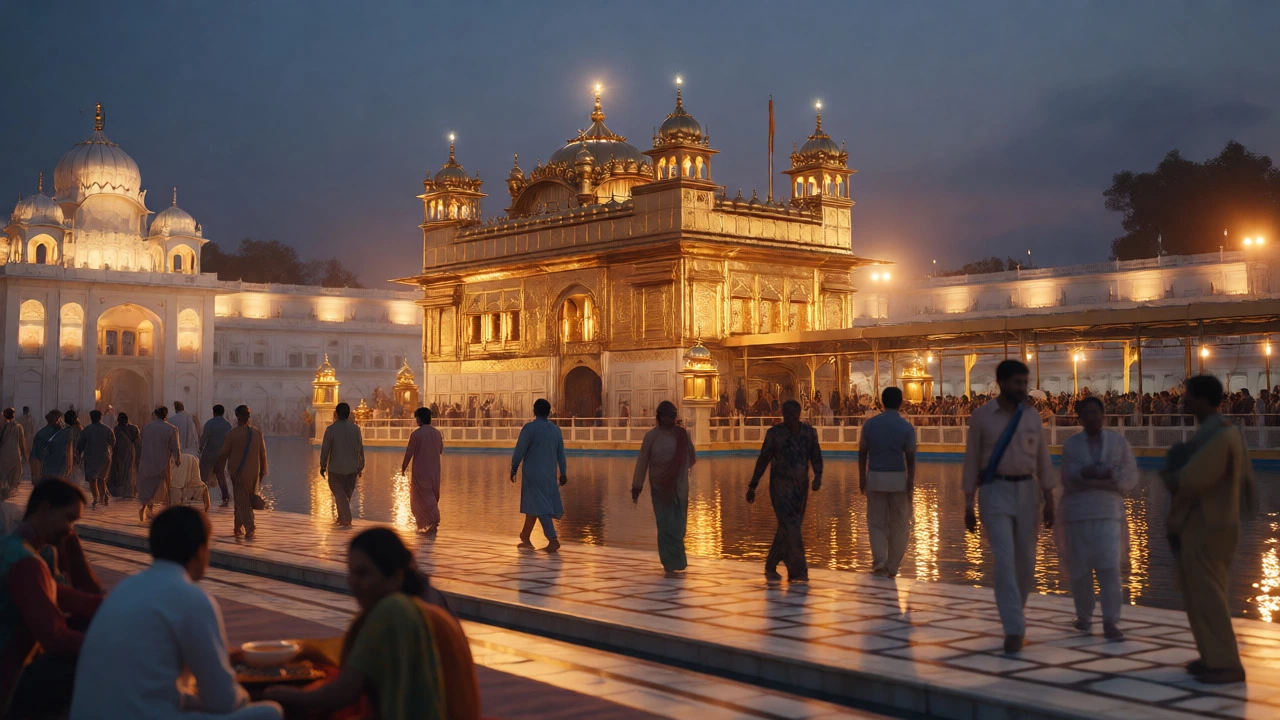
You’re scrolling through Instagram, seeing the golden glow of the Golden Temple in Amritsar, and you’re thinking, "I need to go there." But then a nagging question pops up: Is it actually safe? You’ve heard stories about loud weddings, spicy food that might hurt your stomach, and maybe some mixed news reports. It’s normal to hesitate. After all, no one wants their vacation ruined by worry or a bad experience.
Here is the short answer: Yes, Punjab is generally very safe for tourists. In fact, many travelers find it safer than major metros like Delhi or Mumbai regarding petty theft. The state has a robust police presence, especially around tourist hubs, and the culture is deeply rooted in hospitality. However, "safe" doesn't mean "carefree." There are specific things you need to know about scams, local customs, and health precautions to keep your trip smooth. Let’s break down exactly what you should expect, where the risks actually lie, and how to navigate Punjab like a pro.
The Reality of Crime and Police Presence
When we talk about safety, most people think of violent crime. In Punjab, violent crime against tourists is rare. You are unlikely to face muggings or assaults if you stick to common sense rules. The real issue isn’t violence; it’s nuisance. You might deal with aggressive auto-rickshaw drivers, overcharging vendors, or persistent touts near heritage sites. These aren’t dangerous, but they can be exhausting.
Punjab Police have implemented strict measures in recent years. If you look at the National Crime Records Bureau (NCRB) data from recent years, Punjab consistently ranks among the states with lower rates of cognizable crimes compared to national averages. Why? Because the social fabric here is tight. People watch out for each other. In smaller towns like Jalandhar or Ludhiana, you’ll often find locals willing to help you find your way, even if they don’t speak fluent English.
- Petty Theft: Low risk in Amritsar and Chandigarh, moderate in crowded markets.
- Violent Crime: Very low risk for tourists.
- Harassment: Occasional staring or comments, rarely physical.
- Police Response: High visibility in tourist zones, responsive via helpline 112.
One thing to remember: Alcohol consumption is legal in Punjab, unlike neighboring Haryana or Gujarat. This means you’ll see men drinking in public spaces, which is culturally accepted. While this adds to the vibrant street life, it also means late-night streets can be livelier and occasionally rowdy. Stick to well-lit areas after dark, just as you would anywhere else.
Navigating Transport Without Getting Ripped Off
Transport is where most tourists feel unsafe because they feel cheated. In Punjab, getting from point A to B is easy, but negotiating prices is an art form. Auto-rickshaws and taxis do not always use meters, despite regulations. If you jump into a vehicle without agreeing on a price, you’re asking for trouble.
Apps like Uber and Ola work well in major cities like Chandigarh, Mohali, and Amritsar. Using these apps removes the negotiation stress entirely. You know the fare upfront, and the driver knows the destination. For inter-city travel, the Punjab Roadways buses are reliable, cheap, and safe. They connect every major town. Avoid unmarked private cars offering "special deals" unless you’ve verified them through a hotel or trusted source.
| Mode | Safety Rating | Cost Control | Best For |
|---|---|---|---|
| Uber/Ola | High | Fixed Price | Cities, Night Travel |
| Auto-Rickshaw | Medium | Negotiable | Short Distances |
| Roadways Bus | High | Fixed Low Cost | Inter-city Travel |
| Private Taxi | Variable | Pre-booked | Tours, Rural Areas |
A pro tip: If you must take an auto-rickshaw, agree on the fare before sitting down. Ask two or three drivers to get a baseline rate. If everyone says 100 rupees and one guy says 50, he’s probably going to take you somewhere unexpected. Keep small change handy so you don’t have to ask the driver to break a 500-rupee note, which often leads to fake notes or arguments.
Health and Food Hygiene: The Spicy Truth
Let’s be honest: Punjabi food is delicious, but it’s heavy. Lots of butter, cream, ghee, and spices. If you’re coming from a region with lighter cuisine, your stomach might rebel. This isn’t a safety hazard in terms of disease, but it can ruin a day of sightseeing. The water situation is another factor. Tap water in Punjab is generally treated, but it’s hard on foreign kidneys. Stick to bottled water, and check the seal before opening.
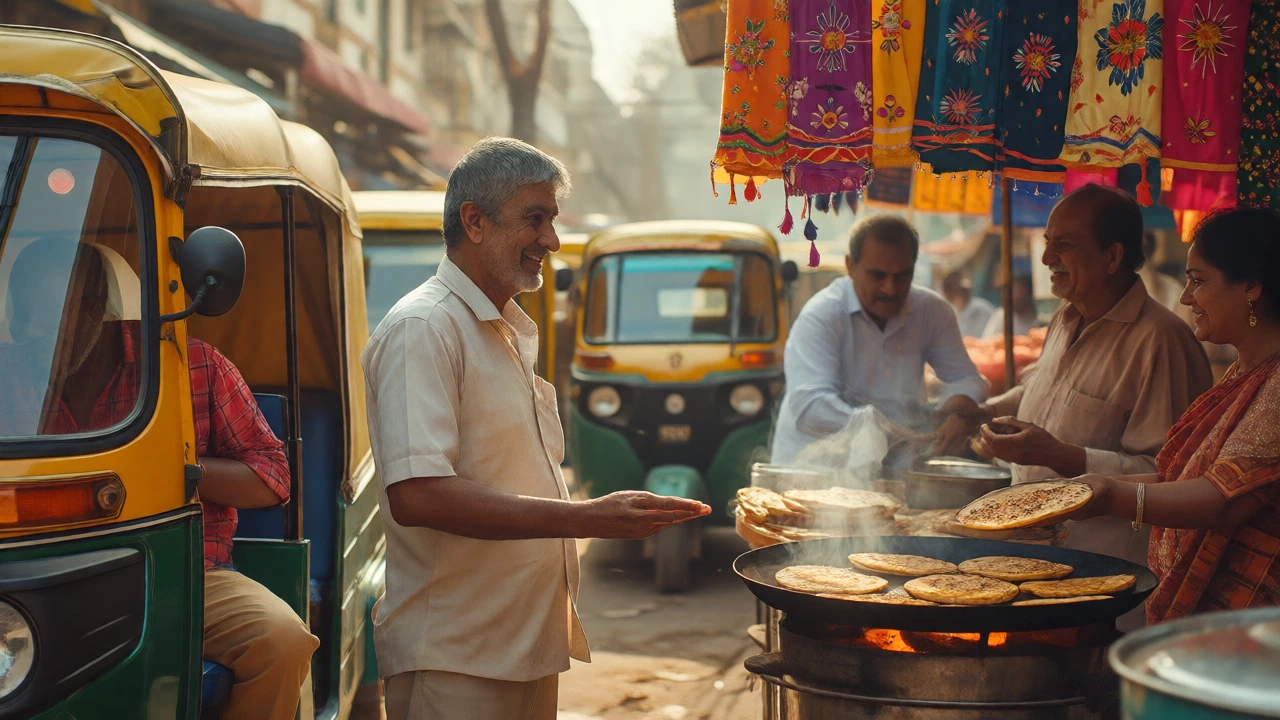
Street food is tempting. The smell of sizzling parathas or frying pakoras is irresistible. To stay safe, follow the "high turnover" rule. Eat at stalls where locals are lining up. If the food is sitting under a glass case for hours, skip it. Freshly cooked food is hot, and heat kills bacteria. Also, avoid raw salads or cut fruits sold on the street unless you’re sure they were washed with clean water.
For those with sensitive systems, carry basic medication like anti-acids or rehydration salts. Pharmacies are everywhere, and pharmacists are often helpful with advice. Don’t be shy about asking for "less oil" or "less spice" when ordering at restaurants. Most places will accommodate this request happily.
Solo Female Travelers: What You Need to Know
This is often the biggest concern. Is Punjab safe for women traveling alone? The answer is nuanced. Punjab is patriarchal, but it’s also protective. Women in Punjab hold significant roles in society, agriculture, and business. You won’t face the same level of catcalling you might hear in some parts of North India. However, dressing modestly helps blend in and reduces unwanted attention.
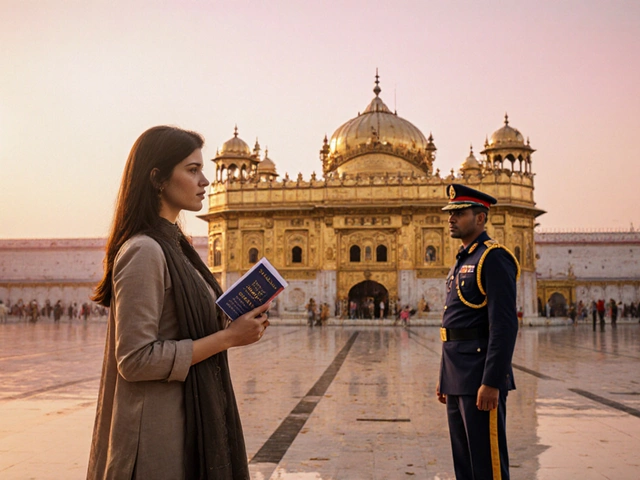
Wearing traditional Indian clothes like salwar kameez or kurtis is appreciated and often respected more than shorts or tank tops. It signals that you respect local culture. When visiting religious sites like the Golden Temple or Durgiana Mandir, covering your head and shoulders is mandatory anyway, so plan your outfits accordingly.
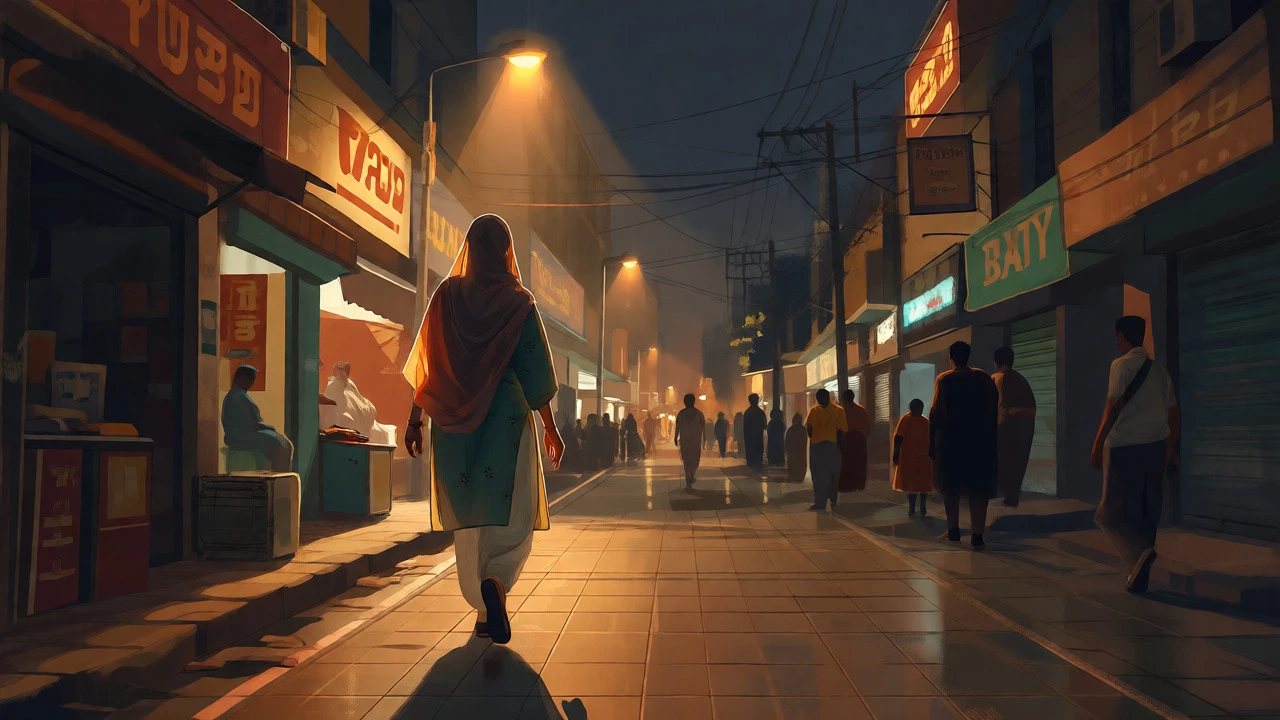
Traveling during daylight hours is best for exploring rural villages. In cities, evening markets are lively and full of families, making them safe environments. Avoid isolated parks or dimly lit alleys late at night. Trust your instincts. If a place feels off, leave. Locals are generally respectful, but alcohol-fueled gatherings can sometimes lead to inappropriate comments. Ignoring them and walking away is usually the best strategy.
Cultural Etiquette That Keeps You Safe
Safety isn’t just about crime; it’s about avoiding conflict. Punjab is a land of high emotions and strong pride. Understanding a few cultural norms prevents awkward situations. First, remove your shoes before entering any religious site or someone’s home. This is non-negotiable. Second, greet people with "Sat Sri Akal" (Sikh greeting) or "Namaste." It instantly breaks the ice and shows effort.
Photography requires caution. Always ask permission before taking photos of people, especially women and children. Some communities believe cameras steal souls, while others simply dislike being stared at. At the Golden Temple, photography inside the sanctum sanctorum is restricted. Respect signs. If a guard tells you to stop, do it immediately. Arguing draws unnecessary attention.
Also, be mindful of political sensitivities. Punjab has a complex history involving militancy in the 80s and 90s. While peace has reigned for decades, topics like the Khalistan movement or border tensions with Pakistan can spark debate. As a tourist, keep conversations light. Talk about food, cricket, and family. Avoid diving into deep political debates with strangers unless you want a long, passionate lecture.
Scams to Watch Out For
Like any tourist destination, Punjab has its share of scams. They aren’t dangerous, but they drain your wallet and patience. Here are the top ones:
- The "Closed Shop" Scam: An auto-driver claims the shop you want to visit is closed and takes you to his "friend's" shop. Ignore him. Go directly to your destination.
- The Fake Guide: Someone approaches you claiming to be an official guide. Ask for ID. If they can’t produce one, walk away. Official guides wear distinct uniforms or badges.
- Overpriced Souvenirs: Pashmina shawls and phulkari embroidery are famous here. Vendors mark up prices by 300%. Bargain hard. Start at 40% of the quoted price.
- The Free Gift Trap: Someone puts a bracelet on your wrist or gives you a flower. They will then demand money. Do not accept free items from strangers on the street.
Keeping your wits about you is key. Scammers target distracted tourists. Walk with purpose, keep your phone in your pocket, and engage only with people who approach you politely. If you ignore the first ten touts, the rest usually lose interest.
Emergency Contacts and Resources
Even in safe places, things happen. Having emergency numbers saved is crucial. Dial 112 for all emergencies in India. For tourist-specific issues, the Punjab Tourism Helpline is available. Save the number of your country’s embassy or consulate in New Delhi, as they handle consular services for Punjab.
If you’re driving, ensure you have a valid international driving permit if required. Roads in Punjab are generally good, but lane discipline can be chaotic. Defensive driving is essential. Watch out for tractors, cows, and sudden pedestrians. Speed limits are enforced, but enforcement varies. Use GPS navigation rather than relying solely on road signs, which can be confusing.
Stay connected. Buy a local SIM card upon arrival. Jio and Airtel have excellent coverage across Punjab. Having data allows you to call cabs, translate languages via apps, and share your location with friends back home. This digital safety net provides peace of mind, especially if you’re venturing into less touristy areas.
Is Punjab safe for solo female travelers at night?
Generally, yes, in urban areas like Chandigarh and Amritsar. Streets are busy with families and shoppers until late. However, avoid isolated areas and prefer app-based cabs for transport after dark. Dressing modestly also helps reduce unwanted attention.
Do I need to speak Punjabi to get around safely?
No. Hindi is widely understood and spoken across Punjab, especially in cities. English is common in hotels, tourist sites, and among younger populations. Learning a few basic Punjabi phrases like "Sat Sri Akal" is appreciated but not necessary for safety.
Are there specific areas in Punjab tourists should avoid?
There are no major "no-go" zones for tourists currently. However, remote border areas near the Line of Control require permits and may have security restrictions. Check current travel advisories for specific districts if you plan to visit places like Pathankot or Wagah Border extensively.
How safe is the food in Punjab for foreigners?
Food hygiene is generally good in established restaurants. Street food is safe if eaten fresh and hot. Drink bottled water to avoid stomach issues. Punjabi food is rich and oily, so ease into it gradually if you have a sensitive digestive system.
What is the weather impact on safety in Punjab?
Extreme heat in summer (May-June) can cause heatstroke; stay hydrated and avoid midday sun. Winter fog (December-January) affects visibility on roads, so allow extra travel time. Monsoon rains (July-August) make roads slippery; drive cautiously.