Pink Sand Beach Explorer
Select a destination below to view detailed travel information, cost estimates, and conservation rules.
Havelock Island (Swaraj Dweep)
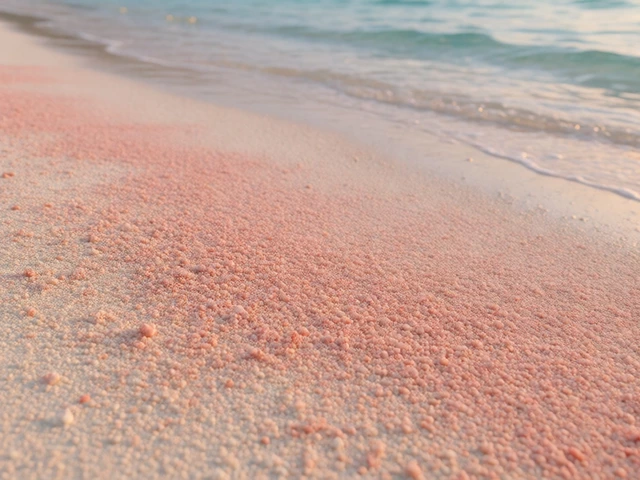
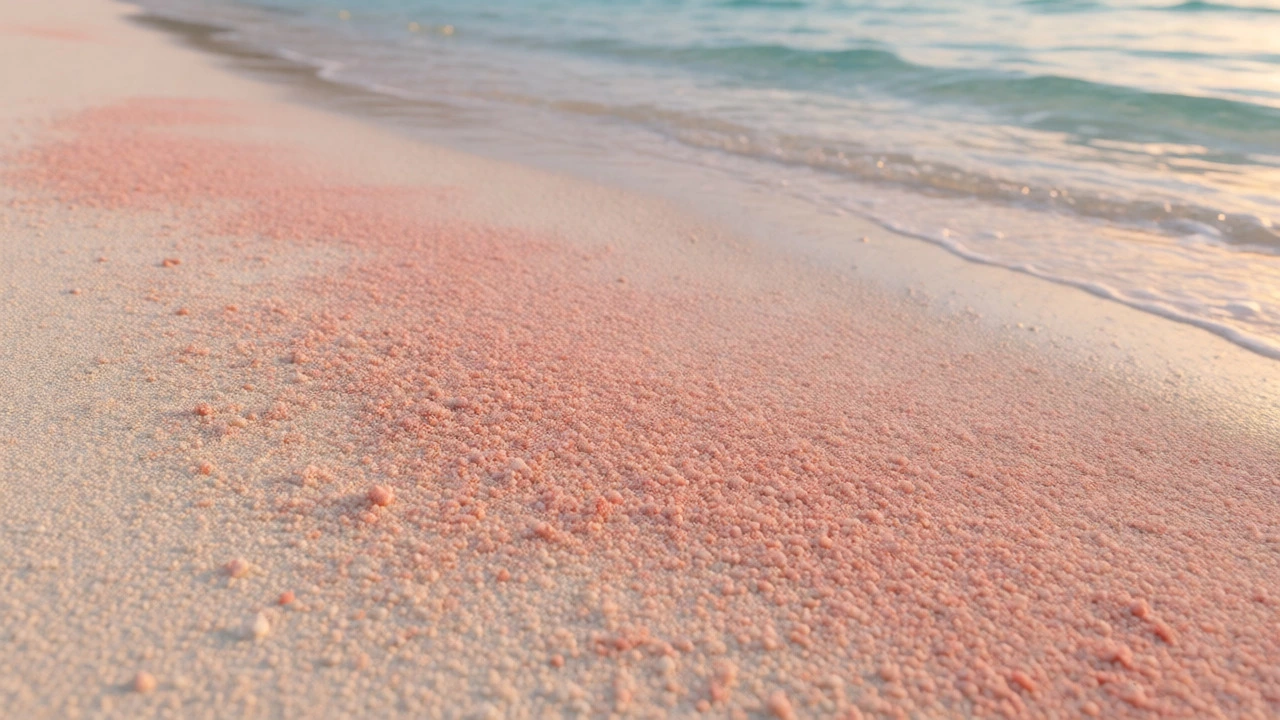
Located in the Andaman Islands, this is Asia's most accessible option. The pink hue is subtle and best seen at low tide during sunrise or sunset.
Best Time to Visit
November to March (Dry Season)
Access Method
Ferry from Port Blair ($15-$20 USD)
| Expense Category | Estimated Cost (USD) |
|---|---|
| Ferry Ticket | $15 - $20 |
| Average Accommodation/Night | $40 - $100 |
Elafonisi Beach, Crete
The most famous pink beach in Europe. The lagoon area turns a striking magenta due to crushed seashells. Very popular, so arrive early.
Best Time to Visit
May-June or September (Avoid July/Aug crowds)
Access Method
Drive from Chania (~1 hour). Parking fee ~$3.
| Expense Category | Estimated Cost (USD) |
|---|---|
| Beach Access | Free (Parking ~$3) |
| Average Accommodation/Night | $80 - $200 |
Spiaggia Rosa, Sardinia
The original "Pink Beach." Intensely pink due to bryozoan shells. Strictly protected: you cannot walk on the sand.
Best Time to Visit
Late Spring or Early Autumn
Access Method
Boat Tour only. No landing allowed.
| Expense Category | Estimated Cost (USD) |
|---|---|
| Boat Tour | $60+ per person |
| Average Accommodation/Night | $150 - $300 |
Horseshoe Bay, Bermuda
Deep red cliffs erode into the sand, mixing iron oxide with shell fragments for a rich, rusty pink. Fully swimmable and open.
Best Time to Visit
April-May (Mild weather, fewer cruise ships)
Access Method
Public bus or taxi from Hamilton.
| Expense Category | Estimated Cost (USD) |
|---|---|
| Beach Access | Free (Public) |
| Average Accommodation/Night | $200+ |
You’ve seen the photos on Instagram: a stretch of coastline where the sand isn’t beige or white, but a soft, dreamy shade of rose. It looks like a filter glitch, but it’s real. Pink sand beaches are one of nature’s rarest geological quirks, and yes, you can actually stand on them without flying to the Bahamas. While most people associate this phenomenon with far-flung islands, India has its own hidden gem, and there are a few other global spots that are surprisingly accessible if you know where to look.
The question isn’t just "where," though. It’s also "why." Why does the sand turn pink? And more importantly, how do you visit these places without ruining the very thing that makes them special? Let’s break down the science, the top locations, and the practical tips for chasing that perfect sunset over rose-colored shores.
Why Is the Sand Pink?
Before you pack your bags, it helps to understand what you’re looking at. Pink sand isn’t dyed. It’s not algae (though algae can sometimes tint water). The color comes from tiny bits of crushed coral and shells mixed with white silica sand.
Specifically, the pink hue usually comes from Foraminifera, single-celled marine organisms with red or pink shells. When these microscopic creatures die, their shells sink to the ocean floor. Over centuries, waves grind them down into fine powder. This red dust mixes with the bright white calcium carbonate sand produced by parrotfish chewing on coral reefs. The result? A pale, pastel pink.
| Component | Regular White Sand | Pink Sand |
|---|---|---|
| Primary Material | Quartz or Silica | Crushed Coral & Shells |
| Color Source | Natural mineral content | Red Foraminifera shells |
| Rarity | Common | Extremely Rare (<1% of beaches) |
This process takes thousands of years. That’s why you can’t just find pink sand anywhere. You need specific conditions: healthy coral reefs nearby, strong wave action to grind the shells, and a lack of river sediment to wash away the delicate color.
The Indian Contender: Havelock Island’s Elephant Beach
If you’re searching for "pink sand beaches India," you’ll see a lot of hype around Havelock Island (Swaraj Dweep) in the Andaman and Nicobar Islands. Specifically, visitors talk about the pink hues at Elephant Beach.
Here’s the truth: Havelock doesn’t have a massive, solid block of neon pink sand like some Caribbean islands. Instead, it offers subtle, shifting tones. During low tide, especially at sunrise or sunset, the mix of crushed red coral fragments and white sand creates a visible blush. It’s not always obvious, which is good news for conservationists. If it were too easy to find, we’d probably be digging it up as souvenirs.
To see the best effect:
- Go during the dry season (November to April).
- Visit at low tide when the reef flats are exposed.
- Bring polarized sunglasses to cut the glare and see the true colors.
While it might not beat the intensity of Bermuda’s Horseshoe Bay, it’s a legitimate experience in Asia. Plus, the snorkeling right off the shore is world-class, so you’re getting two experiences for the price of one.
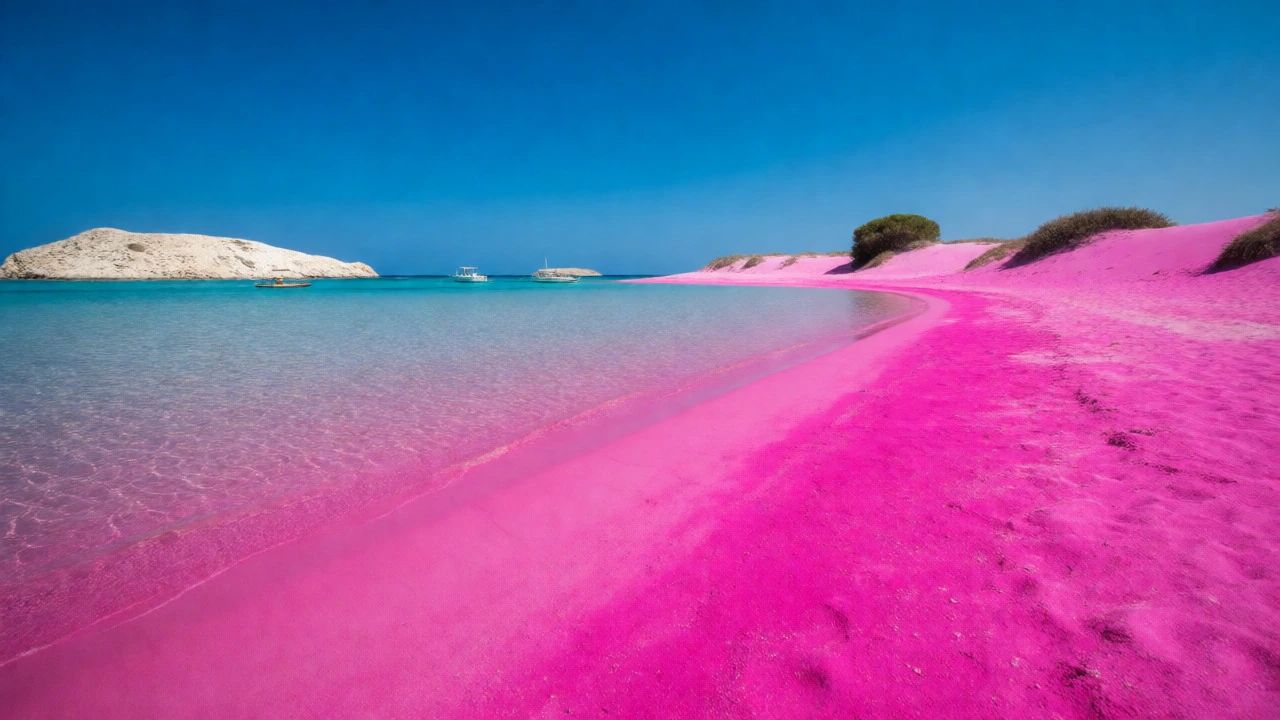
Global Heavyweights: Where the Pink is Strongest
If you want guaranteed, vibrant pink sand, you might need to look beyond India. Here are the three most famous spots that deliver exactly what the photos promise.
Elafonisi Beach, Crete, Greece
Elafonisi is widely considered the most accessible pink beach in Europe. Located on the southwest coast of Crete, this lagoon area turns a striking magenta-pink due to high concentrations of crushed seashells. The shallow, turquoise water contrasts beautifully with the rose sand, creating a surreal landscape.
It’s popular for a reason. The water is calm, making it safe for families, and the pink color is visible even from the main road. However, popularity brings crowds. In July and August, you’ll be fighting for space. Visit in May or September for better odds of finding a quiet spot.
Spiaggia Rosa, Sardinia, Italy
This is the original "pink beach" that started the trend. Spiaggia Rosa (Pink Beach) is located on Budelli Island in the La Maddalena Archipelago. The sand here is intensely pink because of a specific type of bryozoan called Miniacina miniacea.
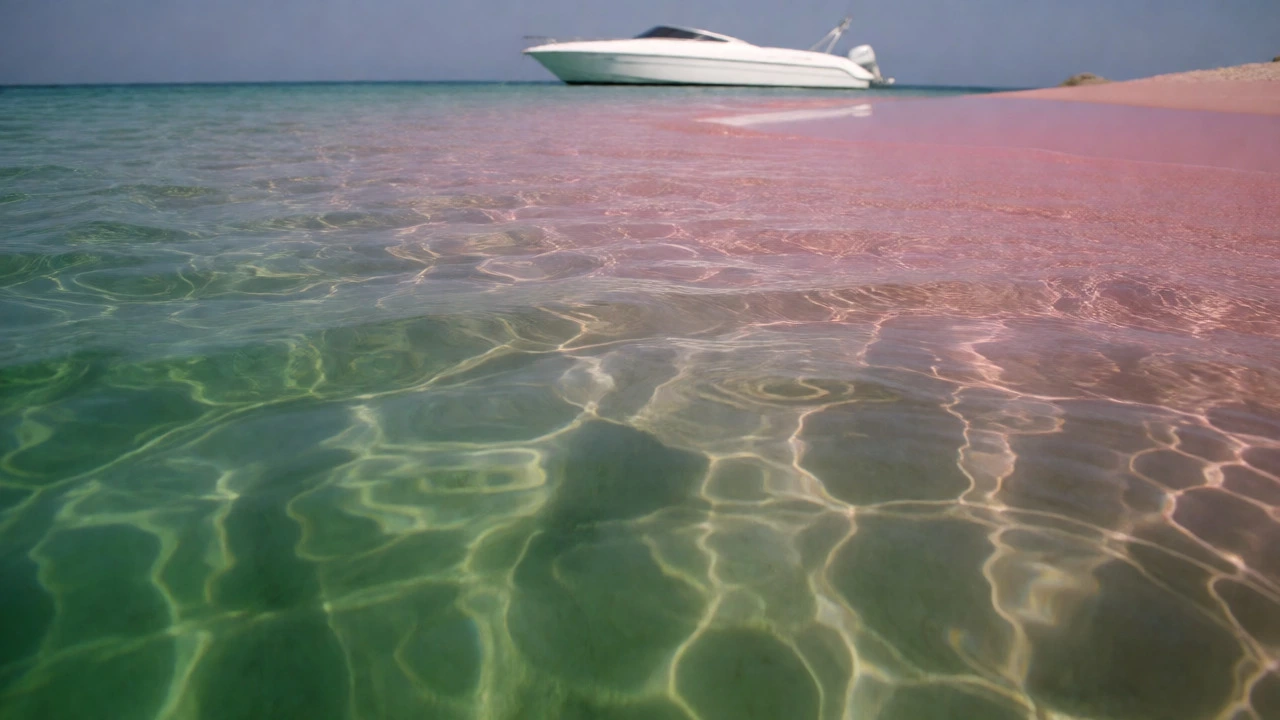
There’s a catch: you can’t walk on it anymore. To protect the fragile ecosystem, landing on the beach is strictly prohibited. You can view it from the deck of a boat or swim near the shore, but stepping on the sand risks fines. It’s a heartbreaking restriction, but necessary. Without it, tourists would have stripped the island bare decades ago.
Horseshoe Bay, Bermuda
Bermuda’s Horseshoe Bay features deep red cliffs that erode into the sand, adding iron oxide to the mix alongside the shell fragments. The result is a rich, rusty pink that looks almost metallic under certain lights. It’s fully swimmable and open to the public, unlike Budelli. If you want to dip your toes in actual pink sand, Bermuda is the safest bet.
How to Plan Your Trip: Logistics and Costs
Chasing pink sand requires some planning. These aren’t typical resort beaches. They are often remote, protected, or seasonal.
Best Time to Visit
Timing affects both the color intensity and your comfort.
- Greece & Italy: Late spring (May-June) or early autumn (September). Summer heat bleaches the color slightly and brings unbearable humidity.
- India (Andamans): November to March. Monsoon season closes many beaches and stirs up sediment, hiding the pink hues.
- Bermuda: Spring (April-May) for mild weather and fewer cruise ship crowds.
What to Bring
Pink sand is finer than regular sand. It gets everywhere. It sticks to wet skin and swimsuits instantly. Pack a microfiber towel for drying off quickly before getting back in the car or boat. Also, bring reef-safe sunscreen. Chemical sunscreens bleach coral, which destroys the source of the pink sand. Look for zinc oxide-based formulas.
Budget Considerations
Visiting these spots varies in cost:
| Destination | Access Cost | Avg. Accommodation/Night |
|---|---|---|
| Havelock, India | Ferry: $15-20 USD | $40 - $100 USD |
| Elafonisi, Greece | Free (parking fee ~$3) | $80 - $200 USD |
| Budelli, Italy | Boat Tour: $60+ USD | $150 - $300 USD |
Ethical Travel: Don’t Take the Sand
This is the most important rule. Do not take a handful of pink sand home as a souvenir.
In places like Budelli and parts of the Andamans, removing sand is illegal. But even where it’s legal, it hurts. The pink color is finite. It regenerates slowly. If every visitor took one cup, the beach would disappear in a decade. There are horror stories of beaches turning white after mass tourism hit. Be the traveler who leaves only footprints, not empty pockets.
Also, watch where you step. On Elafonisi, the dunes behind the beach hold the sand together. Walking on the vegetation kills the plants that anchor the dunes, leading to erosion. Stick to designated paths.
Final Thoughts: Is It Worth the Hype?
Yes, but manage your expectations. Pink sand beaches are natural wonders, not theme parks. The color changes with the light, the tide, and the angle of the sun. Sometimes it’s vivid; sometimes it’s barely noticeable.
But standing on a beach that looks like cotton candy is still magic. Whether you choose the accessible charm of Elafonisi, the protected beauty of Budelli, or the adventurous trip to Havelock, you’re witnessing a slow-motion geological masterpiece. Go respectfully, go prepared, and enjoy the view.
Is the pink sand in India permanent?
No, the pink appearance in India, particularly at Havelock Island, is temporary and dependent on tides and lighting. The sand itself contains pink particles, but they don't form a solid, permanent pink layer like in Bermuda. The visibility fluctuates daily.
Can I swim at Spiaggia Rosa in Sardinia?
You cannot land on the beach or walk on the sand. However, you can swim in the waters surrounding Budelli Island. Boats typically anchor nearby, allowing passengers to enter the water while keeping the beach pristine.
What causes the pink color in sand?
The pink color primarily comes from the crushed shells of microscopic marine organisms called Foraminifera, which have red or pink shells. These mix with white silica or calcium carbonate sand to create the pink hue.
Are pink sand beaches suitable for children?
Generally, yes. Places like Elafonisi in Greece have shallow, calm waters ideal for kids. However, check local regulations first. Some beaches prohibit entry entirely to protect the ecosystem, while others may have rough currents unsuitable for small children.
How much does it cost to visit a pink sand beach?
Costs vary widely. Elafonisi is free to access. Visiting Budelli requires a boat tour costing around $60-$100 USD per person. Travel to Havelock involves ferry tickets ($15-$20) plus accommodation costs, which range from budget hostels to luxury resorts.