South India Travel Planner
Step 1: Define Your Trip
Step 2: Preferred Modes
Click to toggle modes you are willing to use.
Primary Mode
Alternative Option
Pro Tips for This Combination
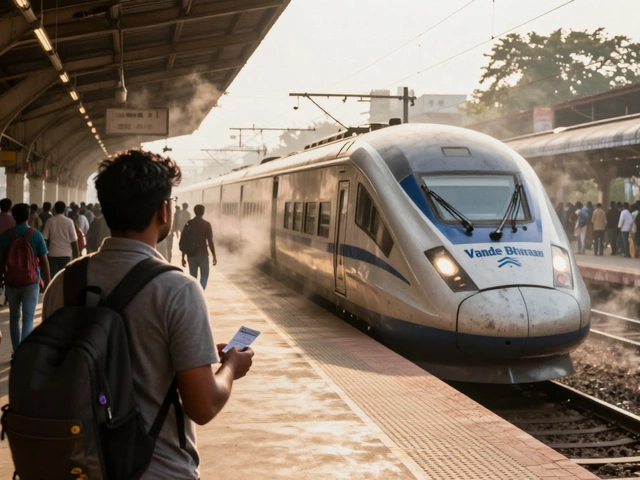
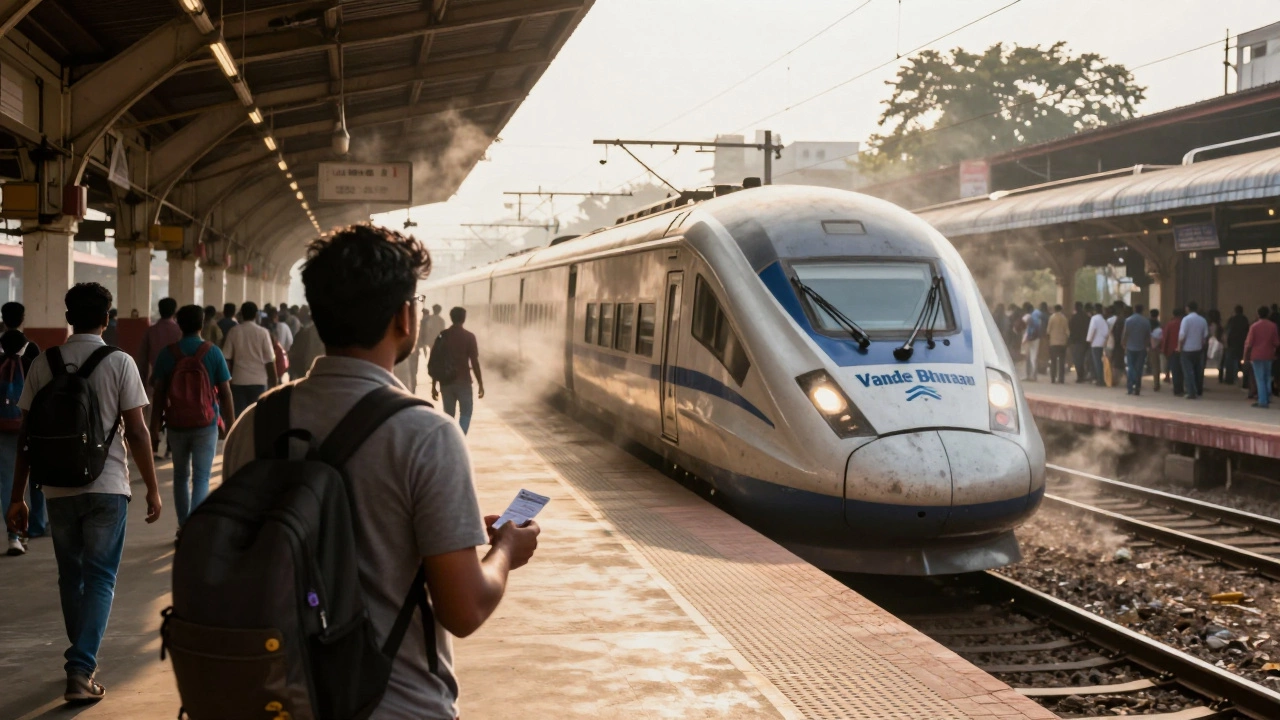
Picture this: You are standing on a platform in Chennai. The air is thick with humidity and the smell of frying filter coffee beans. Around you, thousands of people move with a chaotic grace that somehow makes perfect sense. You have a ticket in your hand, a backpack on your shoulder, and a dream to see the backwaters of Kerala, the temples of Tamil Nadu, and the hills of Karnataka. But how do you actually get there without losing your mind?
The question "What is the best way to travel in South India?" doesn't have a single answer because South India isn't just one place. It is a collection of four distinct states-Tamil Nadu, Kerala, Karnataka, and Andhra Pradesh/Telangana-each with its own rhythm, language, and transport infrastructure. For most travelers, the magic happens when you mix Indian Railways for long distances, local buses for regional hops, and auto-rickshaws or app-based cabs for city navigation.
Why Trains Are the Backbone of South Indian Travel
If you only use one mode of transport, make it the train. The rail network in South India is dense, frequent, and surprisingly affordable. Unlike the north, where trains can be overcrowded beyond belief, Southern Railway often feels more relaxed, especially if you book slightly ahead.
Trains connect major hubs like Bangalore, Chennai, Coimbatore, Kochi, and Hyderabad seamlessly. They also take you directly into scenic spots that cars might miss. Think of the journey from Mysore to Ooty, which winds through the Nilgiri Mountains. That ride alone is worth the price of the ticket.
- Long-distance comfort: For trips over 300 kilometers, trains beat buses every time. You get legroom, sleeping berths (in AC classes), and no traffic jams.
- Cost-effective: A sleeper class ticket between Bangalore and Chennai costs less than a bus fare in many European countries, yet it covers nearly 400 kilometers.
- Reliability: While delays happen, the schedule is generally predictable. Major stations have clean platforms, food courts, and good signage.
To book tickets, you need to use the official IRCTC website or app. Create an account early. During peak seasons (December to February and summer holidays), popular trains like the Shatabdi or Vande Bharat sell out weeks in advance. If you miss the window, look for "Tatkal" bookings, which open one day before travel but come at a premium price.
Buses: The Unsung Heroes of Regional Travel
Once you arrive in a state, buses become your best friend. Each state runs its own transport corporation, and they are fiercely competitive. This competition works in your favor as a traveler.
In Kerala, the KSRTC (Kerala State Road Transport Corporation) buses are legendary. They run everywhere, from big cities to tiny fishing villages. The Volvo luxury coaches are comfortable, air-conditioned, and cheap. In Tamil Nadu, TNSTC offers similar coverage. Karnataka has KSRTC, which includes both regular buses and private operators.
Here is the trick: Don't just take any bus. Look for "Luxury," "Deluxe," or "Volvo" tags. These buses have reclining seats, charging ports, and sometimes even Wi-Fi. They cost about 1.5 to 2 times more than ordinary buses but save you hours of discomfort. For short hops within a district, ordinary non-AC buses are fine and give you a real taste of local life.
You can book intercity buses online via platforms like RedBus or MakeMyTrip. However, for last-minute travel, just go to the bus stand. Cash is king here, though many drivers now accept UPI (Unified Payments Interface) payments.
Navigating Cities: Autos, Cabs, and Metro
Getting around inside cities like Bangalore, Chennai, or Kochi requires a different strategy. Traffic in these metros can be brutal during rush hours (8-10 AM and 5-7 PM). Avoid driving yourself unless you are experienced in chaotic traffic conditions.
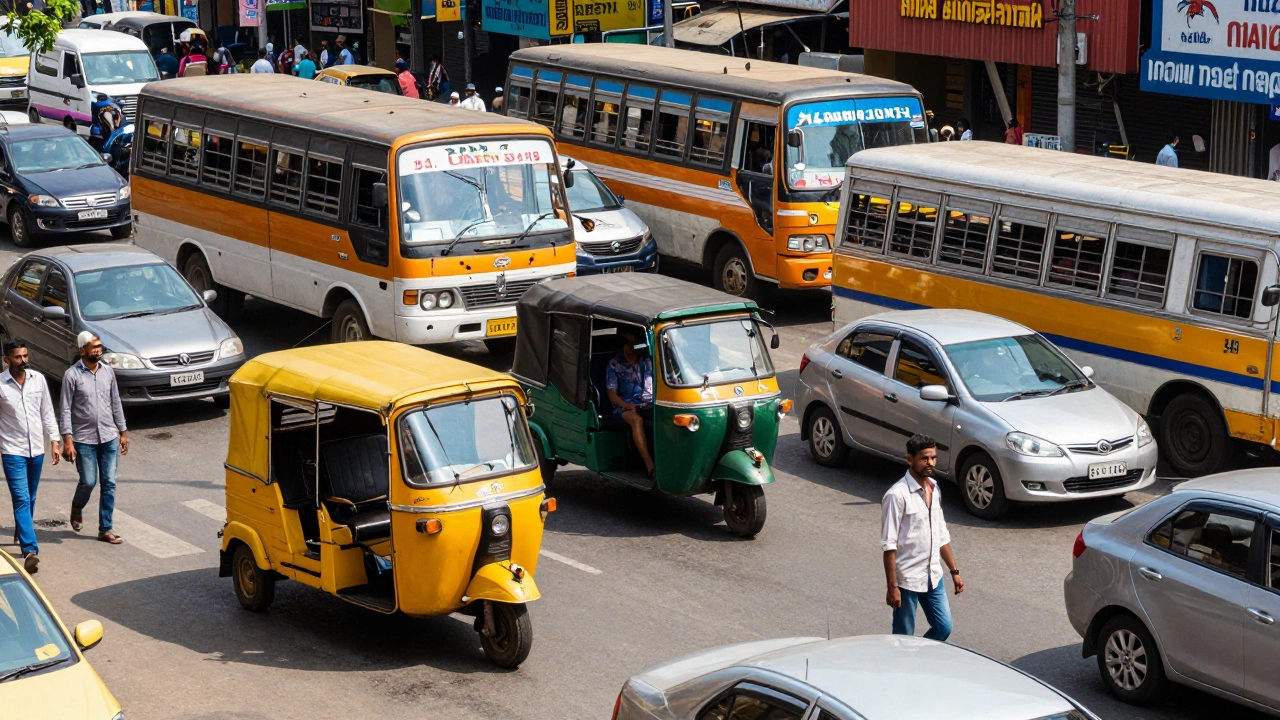
Auto-rickshaws are everywhere. They are small, three-wheeled vehicles that can weave through traffic like nothing else. The catch? Meter usage is inconsistent. Always insist on the meter. If the driver refuses, negotiate the fare before getting in. Download a local taxi app like Ola or Uber; they offer fixed fares and GPS tracking, which adds a layer of safety and transparency.
Metro systems are changing the game. Bangalore Metro (Namma Metro) and Chennai Metro are expanding rapidly. They are fast, cool, and immune to traffic. If your destination is near a metro line, take it. It’s often cheaper and faster than an auto during peak hours.
For airport transfers or longer city rides, pre-booked cabs are safer. Apps like Ola and Uber work well in Tier-1 cities. In smaller towns like Madurai or Tirupati, you may need to rely on hotel-arranged taxis or local prepaid taxi counters at railway stations.
Special Experiences: Houseboats and Hill Stations
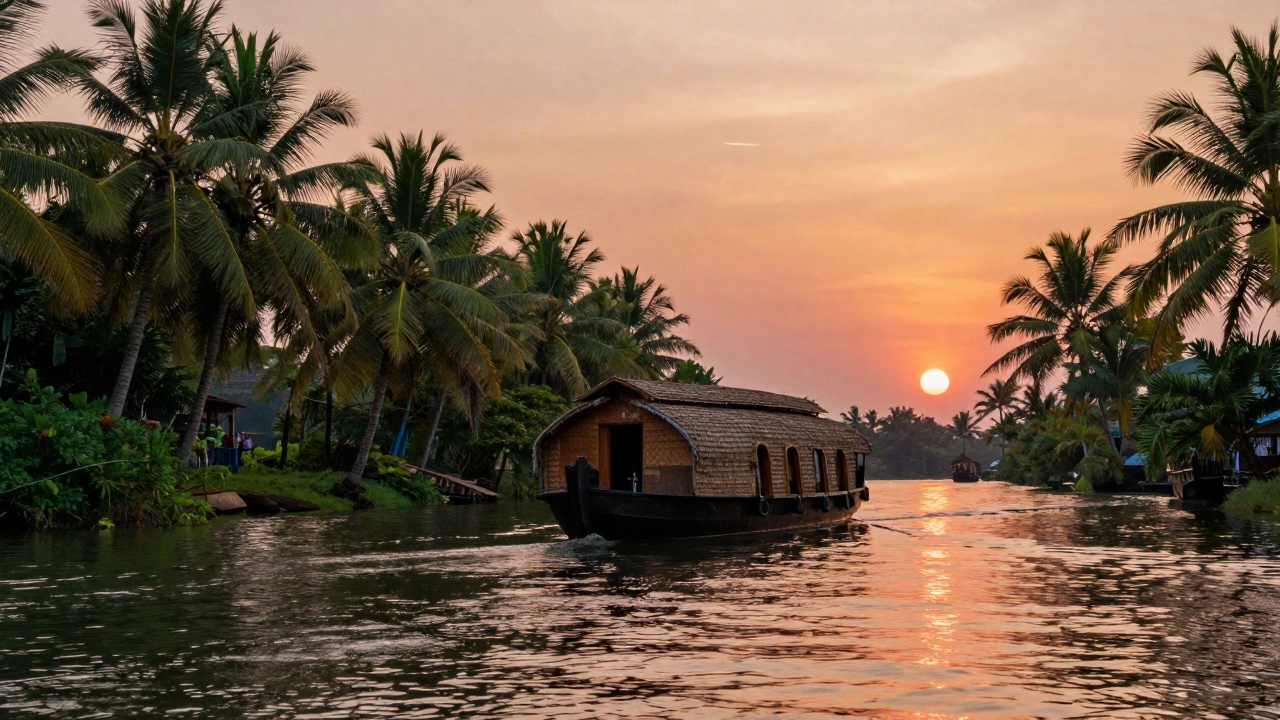
Sometimes, the mode of transport is the attraction. In Kerala, traveling by Kettuvallam is a traditional houseboat cruise through the backwaters is not just transit; it’s the main event. These boats glide through narrow canals lined with coconut palms and paddy fields. You sleep, eat, and relax on board. It’s slow, luxurious, and unforgettable. Book this in advance, especially during winter.
In the hill stations of Wayanad (Kerala), Munnar (Kerala), or Ooty (Tamil Nadu), roads are winding and steep. Private taxis are the safest option. Public buses exist but can be bumpy and slow. If you love adventure, renting a two-wheeler scooter is popular among younger travelers. It gives you freedom to stop at viewpoints. Just ensure you have an international driving permit if you’re from outside India, and wear a helmet. Police checks are common.
Air Travel: When Time Is Money
While trains and buses are great for budget and experience, flights make sense for covering large distances quickly. South India has excellent domestic connectivity. Airlines like IndiGo, Air India, and Akasa Air operate frequent flights between Bangalore, Chennai, Hyderabad, Kochi, Trivandrum, and Goa.
Use flights to jump between distant corners. For example, fly from Delhi to Bangalore, then take a train to Kerala. Flying from Chennai to Coorg saves a full day of travel compared to taking a bus. Keep an eye on fare calendars; prices drop significantly if you book 3-4 weeks in advance or fly on Tuesdays and Wednesdays.
| Mode | Best For | Pros | Cons |
|---|---|---|---|
| Train | Long distance, scenery | Comfortable, safe, affordable | Booking required, occasional delays |
| Bus (Luxury) | Intercity, budget | Cheap, flexible schedules | Traffic dependent, less legroom |
| Auto-Rickshaw | Short city trips | Agile, cheap (if metered) | Fare disputes, exposed to weather |
| Cab/App Taxi | Airport, groups, night travel | Door-to-door, AC, fixed fare | Expensive, surge pricing |
| Flight | Long jumps, time-saving | Fast, comfortable | Costly, airport security time |
Safety and Practical Tips for First-Timers
South India is generally very safe for tourists, including solo female travelers. People are friendly and English is widely spoken in urban areas. However, a few practical tips will smooth your journey.
- Dress modestly: Especially when visiting temples in Tamil Nadu or Kerala. Cover shoulders and knees. Many temples require removing shoes and sometimes outer clothing.
- Carry cash: While UPI is huge, small vendors, temple donations, and rural buses still prefer cash. Carry small denominations.
- Hydration: The heat is real. Drink bottled water. Avoid tap water completely. Carry an electrolyte powder sachet for hot days.
- Download offline maps: Internet can be spotty in hilly areas like Western Ghats. Download Google Maps offline for your route.
- Respect local customs: In Kerala, avoid public displays of affection. In Tamil Nadu, greet elders with folded hands (Namaste).
Don’t be afraid to ask for help. Locals love showing off their region. A simple smile goes a long way.
Planning Your Route: A Sample Itinerary
To illustrate how these modes work together, here is a sample 10-day loop:
- Days 1-3: Bangalore & Mysore. Fly into Bangalore. Take a metro to explore the city. Next day, take a train or Volvo bus to Mysore (3 hours). Visit the palace and Brindavan Gardens.
- Days 4-6: Coorg & Wayanad. Hire a private cab from Mysore to Coorg (Karnataka). Drive through the hills. Cross into Kerala to Wayanad. Stay in eco-resorts.
- Days 7-8: Kerala Backwaters. Take a local bus to Alleppey. Board a houseboat for a sunset cruise. Overnight stay on the boat.
- Days 9-10: Kochi & Departure. Morning ferry or bus to Kochi. Explore Fort Kochi’s Chinese fishing nets and colonial architecture. Fly out from Kochi International Airport.
This mix uses planes, trains, buses, cabs, and boats. It maximizes experience while minimizing stress.
Is it safe to travel alone in South India?
Yes, South India is considered one of the safest regions in India for solo travelers, including women. Violent crime against tourists is rare. However, standard precautions apply: avoid walking alone in isolated areas at night, keep valuables hidden, and trust your instincts. Local communities are generally helpful and respectful.
Do I need to learn the local language?
No, you don’t need to learn Tamil, Malayalam, Kannada, or Telugu to travel comfortably. English is widely understood in tourist areas, hotels, and transport hubs. Learning a few basic phrases like "Thank you" (Nandri in Tamil, Nanni in Malayalam) is appreciated but not mandatory.
What is the best time to visit South India?
The ideal time is from October to March when the weather is pleasant and dry. Summer (April-June) can be extremely hot, especially in coastal areas. Monsoon (July-September) brings heavy rains, which cancel some outdoor activities but offer lush green landscapes and fewer crowds. Kerala’s monsoon is particularly beautiful for nature lovers.
Can I rent a car self-drive in South India?
You can rent cars with drivers easily. Self-drive rentals are available in major cities like Bangalore and Chennai, but navigating traffic and parking can be stressful for foreigners. If you choose self-drive, stick to highways and avoid peak hours. Ensure your insurance covers rental vehicles and check the car thoroughly before departure.
How do I pay for things in South India?
India is moving towards a digital economy. UPI (Unified Payments Interface) apps like PhonePe and GPay are ubiquitous. However, as a foreigner, linking your international bank card to UPI can be tricky. Carry sufficient cash (INR) for small purchases, meals, and transport. ATMs are widely available in towns and cities. Credit cards are accepted in hotels and larger restaurants.