India Livability Matchmaker
Select your top priorities below to see which Indian cities align best with your needs based on livability metrics.
Your Priorities
Top Recommendations
Adjust the sliders to reflect what matters most to you, then click "Find My Match".
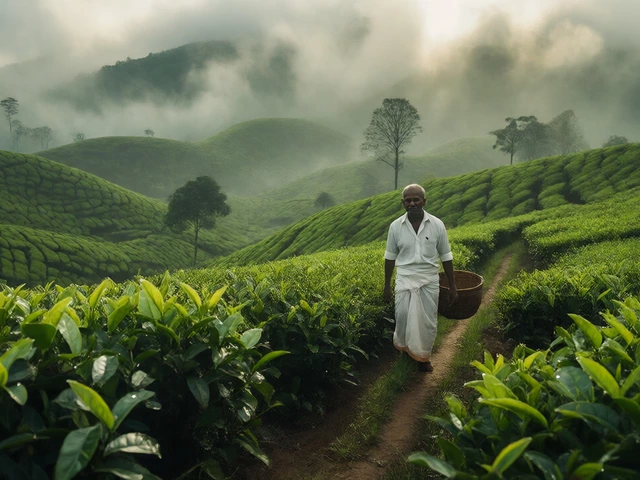
Ask ten people where the "nicest" part of India is, and you'll get ten different answers. For some, it's the misty hills of Shimla or Darjeeling, where the air smells like pine and the pace slows down. For others, it's the tech hubs of Bengaluru or Hyderabad, where career growth meets cosmopolitan vibes. But if we're talking about livability-balancing climate, safety, infrastructure, and culture-the answer isn't a single city. It's a specific vibe.
You probably clicked this because you're considering a move, maybe for work, retirement, or just a change of scenery. You want to know where you can actually sleep at night without worrying about pollution levels or traffic jams that last three hours. Let's cut through the tourist brochures. This isn't about where to take selfies; it's about where to build a life.
Defining "Nicest": What Actually Matters?
Before picking a map pin, you need a filter. "Nice" is subjective, but livability metrics are not. When experts rank cities for residents, they look at four pillars:
- Air Quality: Can you walk outside without coughing? This eliminates most major northern plains cities in winter.
- Safety: Is it safe to walk alone at night? This varies wildly by neighborhood and gender.
- Infrastructure: Do you have reliable power, water, and internet? Is there a metro system?
- Cultural Fit: Do you speak the language? Are there communities that align with your interests?
If you prioritize clean air and nature, the Himalayas are calling. If you want career momentum and English-speaking crowds, the southern IT corridors win. If you crave history and food, the north has unmatched depth. There is no perfect place, only the right trade-off.
The Northern Contenders: Culture vs. Climate
Since you're looking at North India, let's start there. This region is the cultural heartland, home to Delhi, Jaipur, and the Himalayan foothills. But it's also a mixed bag for daily living.
Chandigarh is often cited as one of the most livable cities in India. Designed by Le Corbusier, it’s spacious, green, and organized. The Rock Garden and Sector 17 market are iconic, but the real perk is the orderliness. Traffic flows, streets are wide, and the crime rate is relatively low. It’s close enough to Delhi for flights but far enough to escape its chaos. However, winters here can be foggy and cold, and summers are brutal. If you hate humidity, Chandigarh is a solid pick.
Then there's Dehradun. Tucked in the Doon Valley, it offers a milder climate than the plains. It’s known for its boarding schools and proximity to Rishikesh. The air quality is better than Delhi, though still affected by regional pollution. It’s quieter, greener, and cheaper. For families with school-age kids or retirees who don’t mind a slower pace, Dehradun is a hidden gem. Just note that monsoon rains can cause landslides on connecting roads.
| City | Best For | Climate Challenge | Cost of Living |
|---|---|---|---|
| Chandigarh | Families, Retirees | Extreme Summers | Moderate |
| Dehradun | Nature Lovers, Students | Monsoon Landslides | Low-Moderate |
| Jaipur | Culture Enthusiasts | Hot & Dry Summers | Low |
| Delhi NCR | Career, Networking | Severe Winter Smog | High |
The South: Stability and Tech
If your definition of "nice" includes job opportunities, English proficiency, and consistent weather, look south. Bengaluru (Bangalore) has long been called the Silicon Valley of India. The weather is pleasant year-round thanks to its elevation. You’ll find diverse food scenes, vibrant nightlife, and a large expat community. The downside? Traffic. It’s notorious. A 5km commute can take an hour. And while the tech scene is booming, housing costs in prime areas rival those in London or New York.
Hyderabad is Bengaluru’s quieter sibling. It has a similar IT sector but lower costs and less chaotic traffic. The food scene-especially biryani-is legendary. Hyderabad is rapidly developing its metro system and infrastructure. It feels more traditional yet modernizing fast. For many professionals, it hits the sweet spot between opportunity and affordability.
Don't overlook Kochi in Kerala. It’s coastal, culturally rich, and has high literacy rates. Healthcare facilities are among the best in India. The pace is slower, the food is incredible (seafood lovers rejoice), and the social welfare system is strong. It’s ideal if you value health security and a relaxed lifestyle over high-flying corporate careers.

Hill Stations: The Escape Hatch
What if you hate heat? Then the Himalayas are your answer. Cities like Shimla, Manali, and Darjeeling offer cool breezes and stunning views. But living in a hill station isn't a vacation. Roads can be treacherous, internet connectivity can be spotty, and healthcare options are limited compared to metros. Winters are harsh, with snow blocking access sometimes.
However, digital nomads are increasingly choosing these spots. With remote work becoming standard, you can earn a metro salary while living in Shimla. Just be prepared for isolation during heavy snowfalls. It’s beautiful, but it requires resilience.
Real Talk: Pollution and Infrastructure
We have to address the elephant in the room: Air pollution. In North India, particularly the Indo-Gangetic Plain, winter brings a toxic haze. Cities like Delhi, Lucknow, and Patna often top global pollution lists. If you have respiratory issues, this is a dealbreaker. Southern cities generally fare better, though Bengaluru’s dust from construction is rising.
Water scarcity is another factor. Chennai faces severe droughts periodically, impacting daily life. Mumbai deals with flooding during monsoons. No place is immune to environmental challenges. Check the AQI (Air Quality Index) apps before moving. Look at historical data for October to January if you’re sensitive to smog.

How to Choose Your Spot
So, how do you decide? Run this quick self-audit:
- Check your budget: Can you afford a serviced apartment in Mumbai or Bangalore? Or do you need the affordability of Jaipur or Indore?
- Evaluate your health: Do you have asthma? Avoid the northern plains in winter. Do you need specialized hospitals? Stick to metros or tier-1 cities.
- Assess your social needs: Are you extroverted? Big cities offer clubs, events, and diversity. Introverts might prefer the quiet of Pondicherry or the hills.
- Consider your family: Schools vary hugely. International schools are concentrated in metros. Public education is improving but inconsistent.
One tip: Don't move permanently after a short visit. Rent for a month first. Experience the local transport, buy groceries, and see how you handle the noise. What looks nice on Instagram might feel suffocating in reality.
Final Thoughts
There is no single "nicest" part of India. It depends entirely on what you sacrifice. Want clean air? Sacrifice job density. Want jobs? Sacrifice peace. Want culture? Sacrifice convenience.
For most expats and urban Indians, the balance tips toward the southern metros like Hyderabad or Pune, or planned cities like Chandigarh. They offer a middle ground-decent infrastructure, manageable climates, and growing economies. North India remains unbeatable for heritage and vibrancy, but requires tolerance for its extremes.
Which city in India has the best air quality?
Cities in the Northeast like Shillong, or hill stations like Gangtok, generally have the best air quality. Among major metros, Bengaluru and Kochi tend to have better AQI scores than Delhi or Mumbai, especially outside of construction-heavy zones.
Is it safe for women to live in North India?
Safety varies significantly by city and neighborhood. Chandigarh and Dehradun are generally considered safer than Delhi or Lucknow. Women often report feeling more comfortable in southern cities like Hyderabad and Kochi due to higher social indices and different cultural norms, but caution is advised everywhere after dark.
What is the cheapest big city to live in India?
Indore, Bhopal, and Jaipur are among the most affordable major cities. Housing costs are significantly lower than in Mumbai, Delhi, or Bengaluru, while still offering decent infrastructure and job markets.
Do I need to speak Hindi to live in North India?
In major cities like Delhi, Chandigarh, and Jaipur, English is widely understood in professional and retail settings. However, knowing basic Hindi helps immensely in daily interactions with drivers, shopkeepers, and neighbors. Outside metros, Hindi or the local dialect becomes essential.
Which part of India is best for digital nomads?
Goa, Bengaluru, and Coimbatore are popular. Goa offers a beach lifestyle and good cafes. Bengaluru has the fastest internet and coworking spaces. Coimbatore provides a cooler climate and lower costs. Hill stations like Manali are gaining popularity but require backup internet solutions.