India Travel Budget Estimator
Your $100 converts to:
Airport exchange fees may reduce this by ~8%
| Destination Tier | Budget Duration | Daily Spend |
|---|
Smart Tip from Article
Moving from Mumbai (High Cost) to Kerala/Varkala (Low Cost) can stretch your money 3x further. Avoid airport exchanges; use ATMs or licensed changers in city centers.
You land in Delhi or Mumbai, pull out a crisp hundred-dollar bill, and wonder: what does this actually buy me? In 2026, with the Indian Rupee fluctuating around the 83-85 INR mark per US Dollar, that single note is more than just paper-it’s your passport to a week of street food, three nights in a decent hotel, or a train ride across half the country. But here’s the catch: the raw math doesn’t tell the whole story. Exchange rates are just the starting line. How you spend that money determines whether you’re eating like a king or counting every paisa.
Let’s break down exactly what $100 gets you on the ground in India right now, why some cities drain your wallet faster than others, and how to stretch that greenback further without sacrificing comfort.
The Raw Numbers: What $100 Buys You Today
First, let’s get the math straight. As of September 2026, the exchange rate hovers between 83 and 85 Indian Rupees (INR) for one US Dollar. That means your $100 converts to roughly ₹8,300 to ₹8,500. Sounds like a lot, right? It is, but only if you know where it goes. If you exchange at the airport, expect to lose about 5-10% to fees and poor rates, dropping your real value closer to ₹7,800. Always use an ATM or a licensed money changer in the city center.
| Category | Delhi/Mumbai (High Cost) | Jaipur/Varanasi (Mid Cost) | Kerala/Varkala (Low Cost) |
|---|---|---|---|
| Accommodation | 1 Night (3-star hotel) | 2 Nights (Boutique Guesthouse) | 3 Nights (Beach Shack/Hostel) |
| Food | 5 Meals (Street Food + 1 Nice Dinner) | 8 Meals (Local Thalis) | 10+ Meals (Vegetarian Thalis) |
| Transport | Auto-rickshaw rides within one district | Taxi day trip to nearby fort | Bus tickets + local scooter rental |
| Entertainment | One museum entry + coffee | Two heritage site entries | Yoga class + sunset boat ride |
This table isn’t just hypothetical. I’ve tracked these costs across dozens of trips. In Mumbai, a basic room in Andheri might cost ₹4,000 ($48). In Varkala, Kerala, you can find clean, AC rooms for ₹1,200 ($14). The same $100 stretches three times further in the south than in the financial capital.
City-by-City Breakdown: Where Your Money Goes Furthest
India isn’t a monolith. Costs vary wildly depending on where you stand. Let’s look at three common hubs.
Mumbai and Delhi: These are the most expensive cities. A meal at a mid-range restaurant in South Delhi can easily hit ₹800-₹1,200 ($9-$14). Auto-rickshaws charge premium rates for short distances. Here, $100 covers maybe two days of comfortable travel if you’re staying in hostels and eating street food. If you want air conditioning and private bathrooms, that budget vanishes in 24 hours.
Rajasthan (Jaipur, Udaipur): Mid-tier pricing. You get better value for cultural experiences. Entry fees to forts are reasonable (₹200-₹500), and guesthouses often include breakfast. With $100, you can stay two nights in a heritage-style property and still have enough left for a camel safari deposit or a nice dinner overlooking Lake Pichola.
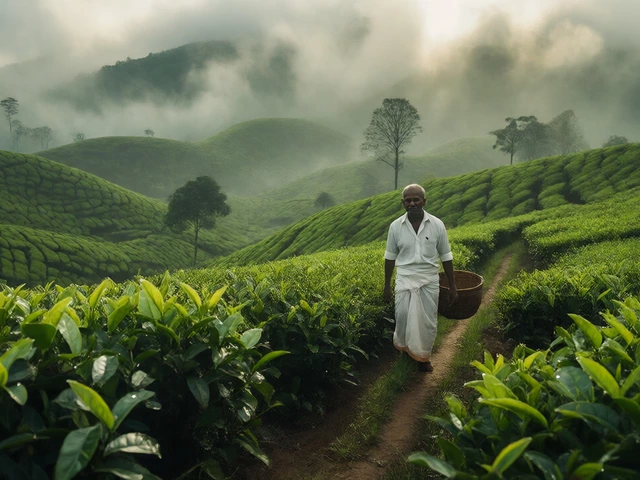
Kerala and Goa (Off-season): This is your sweet spot. In places like Varkala or Arambol, $100 lasts four to five days. Beach shacks serve massive vegetarian thalis for ₹150 ($1.80). Scooter rentals cost ₹300/day. You’re not just saving money; you’re getting more space, more relaxation, and fewer crowds.

Real-Life Spending Scenarios: Three Ways to Use 0
Abstract numbers don’t help when you’re standing at a stall wondering if you should order another dosa. Let’s make it concrete.
Scenario 1: The Backpacker’s Week in Varanasi
You arrive with $100 (₹8,500). You book a rooftop hostel bed for ₹400/night. That’s ₹2,800 for seven nights. You eat primarily at Ganga View cafes-simple dal-bati-churma meals for ₹100 each. Ten meals = ₹1,000. You take a sunrise boat ride (₹300) and visit Sarnath by auto (₹400 round trip). You tip your guide ₹500. Total spent: ₹5,000. You have ₹3,500 left for souvenirs or upgrading to a private room for the last two nights. This is doable, comfortable, and authentic.
Scenario 2: The City Hopper in Bangalore
Bangalore is tech-heavy and pricier than you’d expect. You stay in a co-living space for ₹1,500/night. Two nights = ₹3,000. You use Uber for transport because autos overcharge tourists-three rides cost ₹900. You eat at Indiranagar cafes, averaging ₹400 per meal. Four meals = ₹1,600. You visit a brewery tour (₹800). Total: ₹6,300. Remaining: ₹2,200. You’ll need to budget tightly for the next few days or switch to street food.
Scenario 3: The Luxury-Lite Weekend in Jaipur
You splurge slightly. One night in a boutique haveli costs ₹6,000 ($72). You have ₹2,500 left. You hire a driver for a half-day tour of Amber Fort (₹1,500). You eat at a rooftop restaurant overlooking the Hawa Mahal (₹800 for two people). Total: ₹8,300. You barely break even. This shows how quickly "affordable" luxury eats up your budget in tourist hotspots.
Pitfalls That Drain Your Wallet Fast
It’s not just about prices; it’s about hidden costs. Here’s what catches travelers off guard.
- The Tourist Tax on Autos: Drivers often quote double the meter rate. Insist on using the meter or agree on a price before getting in. A ₹100 ride can become ₹300 if you’re not careful.
- ATM Fees: Using an international card at certain ATMs incurs a fixed fee plus currency conversion markup. Some banks charge up to 3.5%. Withdraw larger amounts less frequently to minimize fixed fees.
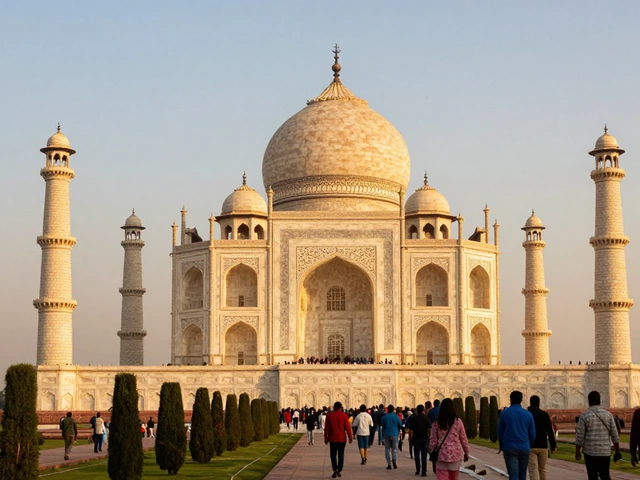
- Overpriced Souvenirs: At major sites like the Taj Mahal, scarves start at ₹500. Walk ten minutes away from the gate, and they’re ₹150. Never buy at the entrance.
- AC Surcharge: Many hotels add ₹500-₹1,000 per night for air conditioning usage. Ask upfront if it’s included.

Smart Money Moves for 2026
How you access your money matters as much as how much you have. Digital payments via UPI (Unified Payments Interface) are ubiquitous in India, even at small tea stalls. However, foreign cards aren’t always accepted for UPI directly. Here’s the strategy:
- Open a Local Bank Account (if staying long-term): Even for short trips, some services allow temporary accounts. Otherwise, stick to cash for rural areas.
- Use Wise or Revolut: These multi-currency cards offer near-interbank rates. Avoid exchanging dollars at airports unless necessary.
- Carry Small Denominations: Once you convert $100, ask for ₹100 and ₹50 notes. Paying for a ₹20 chai with a ₹2,000 note causes chaos and delays.
- Negotiate Everything: In markets, the first price is a suggestion. Aim for 50-60% of the initial quote. Be polite but firm.
Is $100 Enough for a Day?
Yes, comfortably, if you’re outside metro cities. In tier-2 towns, $100 covers accommodation, all meals, and activities for two people. In metros, it’s a tight squeeze for one person if you want comfort. For backpackers sleeping in dorms and eating street food, $100 can last 3-4 days anywhere in India.
The key insight? Don’t fixate on the exchange rate alone. Focus on location choice. Moving from Mumbai to Mysore saves you 40% instantly without changing your lifestyle. That’s the real power of understanding how far $100 goes.
Can I pay with US Dollars in India?
Generally, no. While high-end hotels might accept them, most shops, restaurants, and transport services require Indian Rupees. You must exchange your dollars or withdraw rupees from an ATM upon arrival.
Is it better to bring cash or use credit cards?
A mix is best. Credit cards work in big cities and upscale establishments, but cash is king in smaller towns, markets, and for auto-rickshaws. Always carry small denominations of rupees for daily expenses.
How much should I budget per day in India?
For budget travelers, $20-$30 per day is sufficient in many parts of India. Mid-range travelers should budget $50-$80 per day. Luxury travelers can spend $150+ daily. These estimates cover accommodation, food, and local transport.
Do I need to declare cash at customs?
If you are carrying more than $5,000 in cash or $10,000 in total monetary instruments (cash plus traveler's checks), you must declare it to Indian customs. For typical tourist budgets under $1,000, no declaration is needed.
Are ATMs safe to use in India?
Yes, ATMs attached to bank branches are generally safe. Avoid standalone ATMs in isolated areas due to skimming risks. Cover the keypad when entering your PIN and check for any unusual attachments on the card slot.