India Budget Travel Timing Calculator
India is not a place you visit in just one month. It is a continent-sized country with three distinct climate zones that operate on completely different schedules. If you ask ten people when the best time to go, you will get ten different answers. The truth is, there is no single "perfect" month for everyone. However, if you are traveling on a budget and want the best balance of good weather, manageable crowds, and lower prices, the answer becomes much clearer.
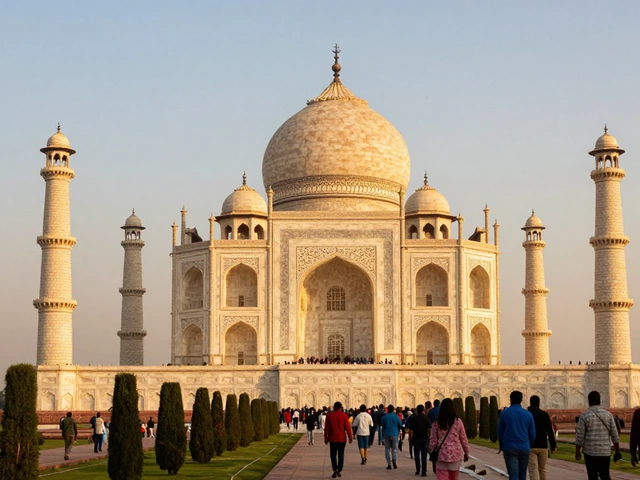
For most first-time visitors looking to see the classic highlights-the Taj Mahal, Rajasthan’s forts, and the backwaters of Kerala-the window between October and March is the golden standard. But here is the secret many guidebooks miss: the months just outside this peak season can offer incredible value and unique experiences if you know where to go.
The Peak Season: October to March (The Safe Bet)
This period covers the winter months across most of northern and central India. For foreigners, this is the most predictable time to travel. The scorching heat has faded, and the humidity hasn’t returned yet. You can walk around Agra or explore the streets of Varanasi without collapsing from exhaustion.
| Region | Avg Temp (Day/Night) | Crowd Level | Budget Impact |
|---|---|---|---|
| North India (Delhi, Agra, Rajasthan) | 25°C / 10°C | High | Prices rise 30-50% due to demand |
| West India (Goa, Mumbai) | 30°C / 20°C | Very High | Beach resorts double in price |
| South India (Kerala, Tamil Nadu) | 32°C / 22°C | Moderate | Stable pricing, good value |
While the weather is ideal, the cost is not. Hotels in Jaipur and Udaipur fill up fast, and flight prices from Europe or Australia spike during December and January because of Western holidays. If your budget is tight, aim for late October or February. These shoulder months within the peak season often have slightly better rates than the Christmas/New Year rush.
The Monsoon Season: June to September (The Green Alternative)
Many travelers avoid India during the monsoon, but this is a mistake if you are chasing low costs and lush scenery. The southwest monsoon brings heavy rains to the west coast (Goa, Kerala) and parts of the north. While daily sightseeing in Delhi might be disrupted by downpours, the landscape transforms into vibrant green.
For budget travelers, this is the sweet spot. Hotel rates in Goa drop by nearly 40% compared to December. You can find luxury stays at mid-range prices. Plus, the tourist sites are empty. Imagine standing alone in front of the Amber Fort in Jaipur while other tourists wait out the rain elsewhere. The air feels cleaner, and the local life continues unhindered by tourist hordes.
Just pack waterproof gear and expect some delays. Train cancellations happen, so keep your itinerary flexible. This season is perfect for cultural immersion rather than checklist tourism.
The Heat Wave: April to May (The Bargain Hunter’s Choice)
If you can handle temperatures exceeding 40°C (104°F), April and May offer the lowest prices of the year. This is the off-season for most of North India. Tour operators slash prices to attract anyone willing to brave the heat.
However, you need to shift your geography. Avoid the plains of Rajasthan and Uttar Pradesh during the day. Instead, head to the hills. Himachal Pradesh, Uttarakhand, and the Western Ghats remain pleasant. Dharamshala and Mussoorie become cool retreats while Delhi simmers. You can find amazing deals on homestays and local transport in these hill stations as domestic tourists also flock there, but international numbers drop significantly.
Regional Differences: Where Should You Go When?
India’s size means you can always escape bad weather by moving south or north. Here is how to align your trip with the calendar:
- North India (Delhi, Agra, Rajasthan): Best from November to February. Avoid May and June due to extreme heat.
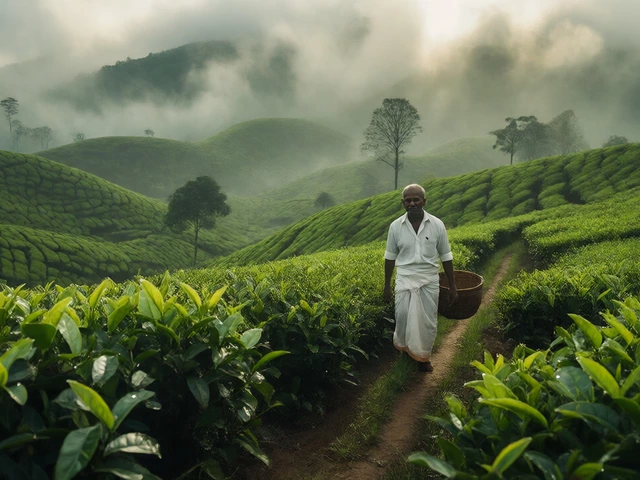
- South India (Kerala, Tamil Nadu, Karnataka): Pleasant year-round, but October to March is dry and comfortable. The northeast monsoon (Oct-Dec) brings rain to Tamil Nadu, so plan accordingly.
- Western Coast (Goa, Maharashtra): December to February for beach weather. June to September for cheap stays and dramatic storms.
- Himalayan Regions (Ladakh, Himachal): Short window from June to September. Winters close the passes.
Budget Tips for Any Month
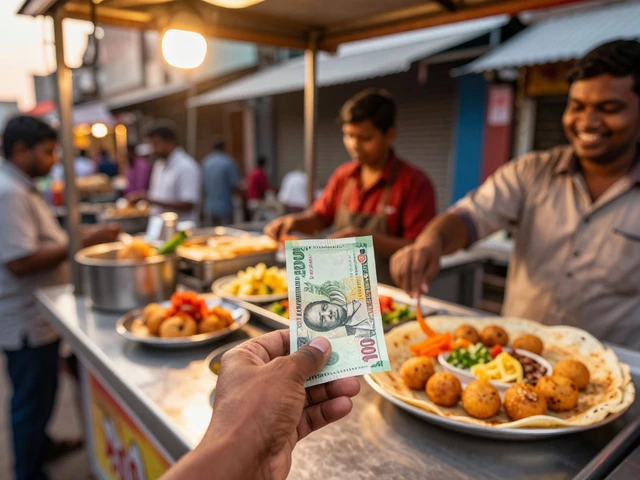
No matter when you choose to visit, you can stretch your rupees further with a few strategies. First, book domestic flights well in advance. Prices fluctuate wildly based on demand. Second, consider overnight trains. They save you a night’s accommodation and offer an authentic experience. Third, eat where locals eat. Street food in India is safe if it’s freshly cooked and hot, and it costs a fraction of restaurant meals.
Also, look into visa-on-arrival or e-visa fees, which vary by nationality. Sometimes applying during non-peak processing times can speed up approvals, though this doesn’t affect cost directly. Always check the latest government guidelines before booking.
Why Timing Matters for Your Wallet
Traveling during peak season isn’t just about comfort; it’s about opportunity cost. When you pay premium prices for hotels in Jaipur in December, you have less money for activities, guides, or food. By shifting your dates by just two weeks-say, visiting in early November instead of late December-you can cut accommodation costs significantly without sacrificing too much weather quality.
Additionally, bargaining power increases in the off-season. Shop owners in markets like Chandni Chowk or Textile Souks in Kerala are more willing to negotiate when foot traffic is low. Use this to your advantage for souvenirs and clothing.
Common Mistakes Foreigners Make
One big error is assuming all of India has the same weather. Booking a trip to Leh-Ladakh in December will result in frozen roads and closed guesthouses. Another mistake is ignoring festival calendars. Diwali and Holi bring incredible energy but also skyrocketing prices and fully booked accommodations. If you want to experience these festivals, book six months ahead. If you want peace and quiet, avoid them.
Also, don’t underestimate the impact of humidity. In places like Kolkata or Chennai, even moderate temperatures feel hotter due to moisture. Choose breathable fabrics and plan indoor activities during the hottest part of the day.
Final Thoughts on Planning Your Trip
There is no wrong time to visit India if you adjust your expectations. The key is matching your destination to the season. Want snow? Go north in winter. Want beaches? Go south in winter or west coast in summer. Want savings? Embrace the heat or the rain. By understanding these patterns, you turn potential drawbacks into advantages, making your Indian adventure both memorable and affordable.
What is the cheapest month to visit India?
April and May are typically the cheapest months for most regions, especially North India, due to extreme heat reducing tourist demand. However, you must stay in hill stations to avoid discomfort. Monsoon months (June-September) also offer significant discounts on coastal destinations like Goa.
Is it safe for foreigners to travel during the monsoon?
Yes, it is generally safe. The main risks are transportation delays and slippery surfaces. Major cities have adequate drainage, though flooding can occur in specific areas. Always carry waterproof bags for electronics and wear sturdy footwear with grip.
Can I visit the Himalayas in winter?
Most high-altitude areas like Ladakh are inaccessible due to snow-blocked passes. However, lower elevation hill stations like Shimla, Manali, and Dharamshala remain open and offer great skiing opportunities in December and January.
When is the best time for wildlife safaris in India?
The dry season from October to June is best for spotting animals in parks like Ranthambore and Bandhavgarh. Animals congregate near water sources, making them easier to see. July to September sees many parks closing due to monsoon rains.
How much should I budget for a week in India?
A budget traveler can manage on $25-$40 per day including hostels, street food, and local transport. Mid-range travelers might spend $60-$100 per day for private rooms and occasional restaurant meals. Costs vary significantly by region, with the North being slightly cheaper than the South for accommodation.