India Trip Survival Calculator
Plan your trip smarter. Estimate costs and get tailored advice to avoid common pitfalls like "Delhi Belly" or sensory fatigue.
Imagine stepping off a plane in Chennai, and within ten minutes, your senses are hit by a wall of noise, heat, and color that no brochure could ever prepare you for. You’re not just visiting a country; you’re entering a living, breathing organism that operates on its own rhythm. For many first-time visitors, this isn’t just exciting-it’s overwhelming. The question isn’t whether India is beautiful (it is), but how do you keep your sanity intact while navigating its chaos? Survival here doesn’t mean dodging tigers; it means managing your energy, expectations, and hygiene so you can actually enjoy the magic instead of just enduring the logistics.
| Challenge Area | Common Pitfall | Survival Strategy |
|---|---|---|
| Sensory Overload | Trying to see everything at once | Slow down; pick one city or region per week |
| Hygiene & Food | Eating raw street food immediately | Stick to cooked, hot foods; drink bottled water only |
| Transportation | Hailing random auto-rickshaws without meters | Use apps like Ola or Uber where available |
| Cultural Etiquette | Dressing too casually for temples | Carry a scarf; cover shoulders and knees |
Mastering the Art of Sensory Management
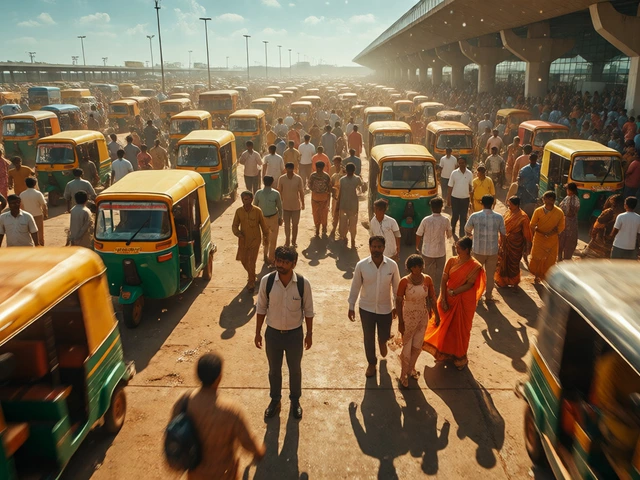
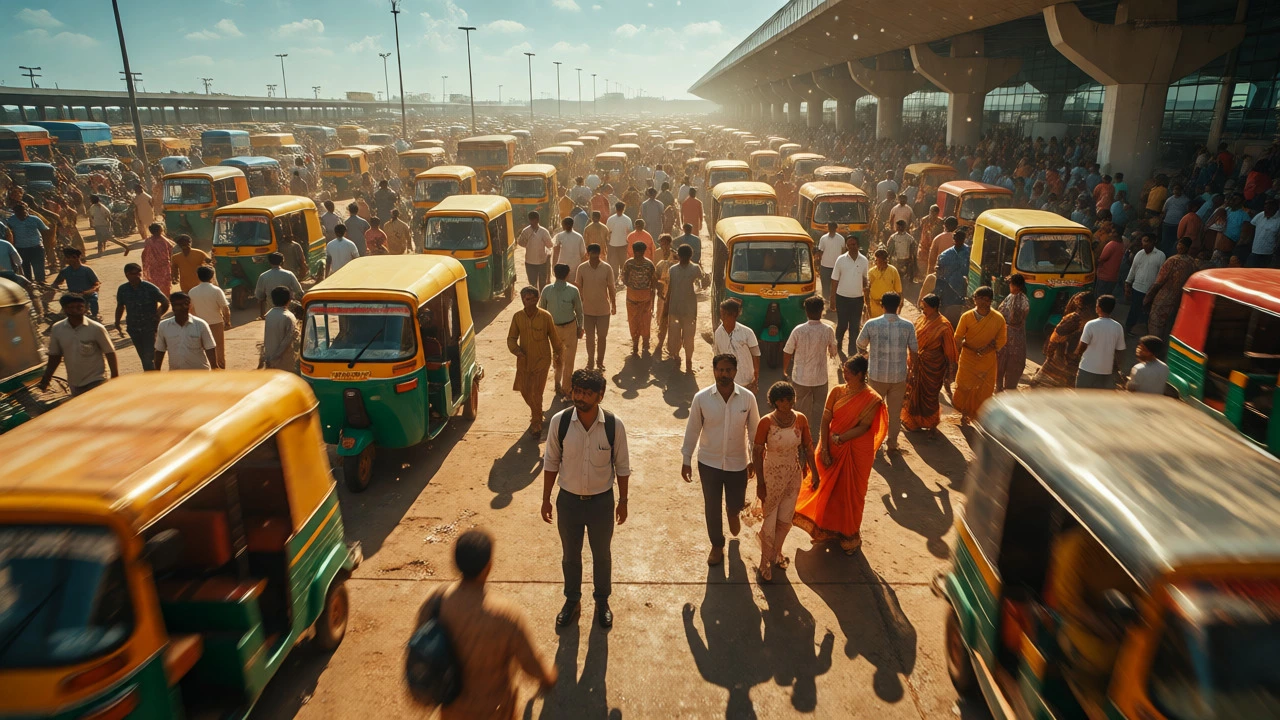
The biggest mistake travelers make is treating India like Europe-moving from city to city every two days. In India, distance is relative, and traffic is an art form. If you try to visit Delhi, Agra, Jaipur, Varanasi, and Mumbai in ten days, you won’t survive; you’ll just be exhausted. Sensory overload is real. The honking horns, the smell of spices mixing with exhaust fumes, and the sheer density of people can lead to what seasoned travelers call "India Fatigue."
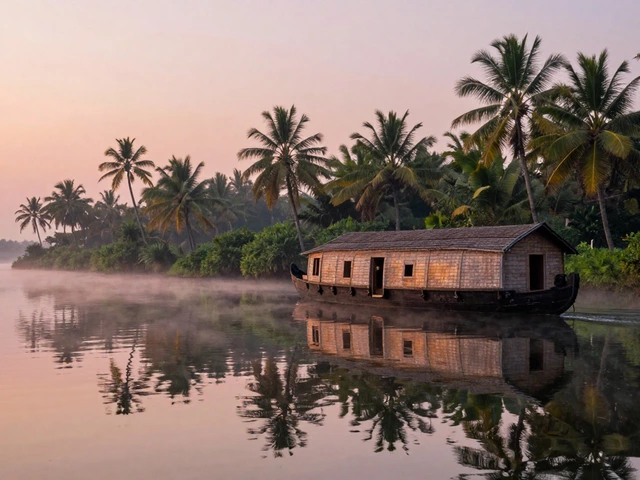
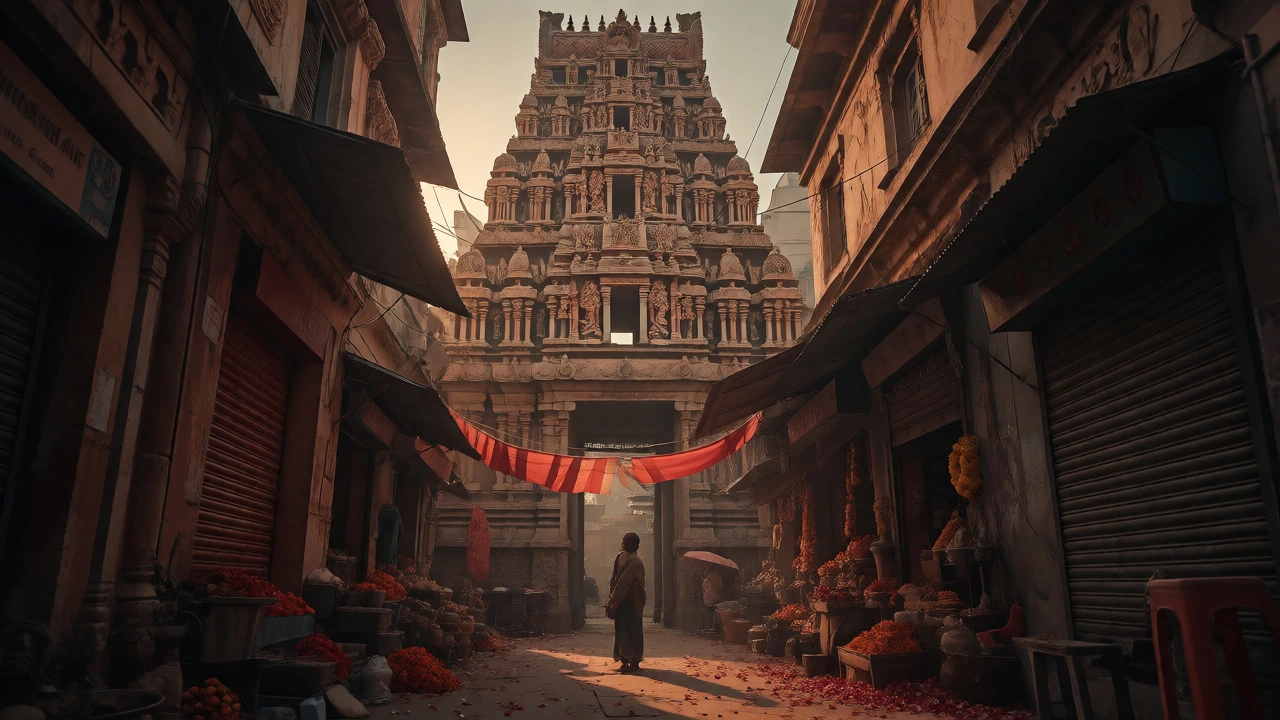
To combat this, embrace slowness. Pick one base camp. If you’re heading to South India, start with Kerala or Tamil Nadu. These regions offer a slightly calmer pace compared to the frenetic energy of North Indian megacities. Spend three nights in one place. Let your brain adjust to the local frequency. When you stop rushing, you notice details-the intricate patterns on a temple gopuram, the way locals greet each other, the taste of fresh coconut water. This shift from "doing" to "being" is your primary survival tool.
Food Hygiene Without Fear
Let’s address the elephant in the room: Delhi Belly. It’s less about bad luck and more about biology. Your gut microbiome needs time to adapt to new bacteria. Don’t panic, but don’t be reckless either. The rule is simple: eat what is cooked hot and served fresh. Avoid cut fruit from street vendors unless you’re sure they used bottled water to wash it. Salad leaves? Skip them for the first week.
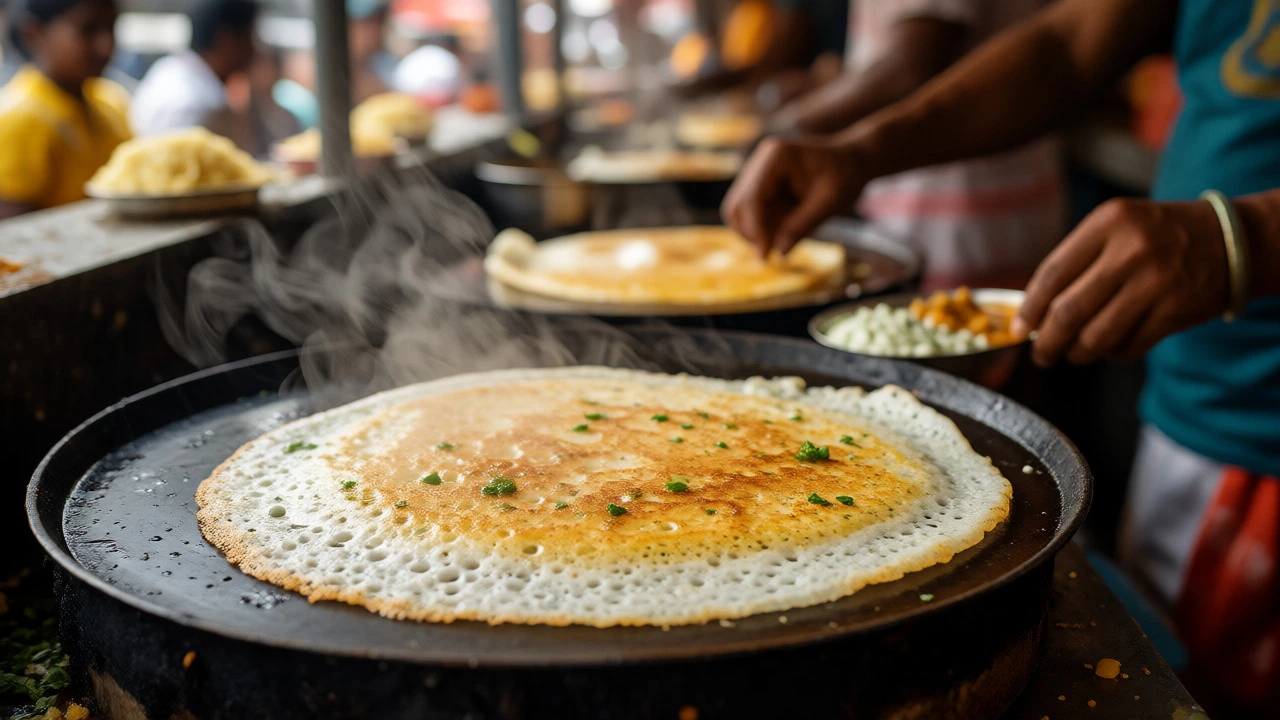
Street food is iconic, though. You can’t visit India and miss out on dosa or vada pav. Just use common sense. Look for stalls with high turnover-where locals are eating. High turnover means the food hasn’t been sitting in the sun for hours. Carry oral rehydration salts (ORS) packets. They cost pennies and can save your trip if things go sideways. And yes, stick to sealed bottled water. Even brushing your teeth with tap water might be pushing it until your system adjusts.
Navigating Transportation Chaos
Getting around is where most stress accumulates. Public transport is cheap but crowded. Auto-rickshaws are ubiquitous but notorious for overcharging tourists who don’t know the rules. Here is a pro tip: download Ola or Uber before you land. These apps provide fixed prices and eliminate the haggling dance that drains your energy. Plus, drivers know exactly where you want to go, reducing miscommunication.
If you’re taking trains, book tickets months in advance through IRCTC or trusted agencies like MakeMyTrip. Train classes vary wildly. Second-class sleeper berths are authentic but loud; AC Chair Cars are comfortable but sell out fast. For long distances, consider overnight trains to save on hotel costs and daytime travel time. Just pack earplugs and an eye mask-they are non-negotiable survival gear.
Cultural Respect as a Shield
Indians are incredibly hospitable, but misunderstandings happen when cultural cues are missed. Dress modestly, especially in rural areas and religious sites. Shoulders and knees should be covered. Carrying a lightweight scarf is smart; it doubles as a head covering for women entering mosques or temples and protects against the sun.
Also, learn to say "no" politely. You will be approached by guides, sellers, and well-meaning strangers constantly. A firm but friendly "No, thank you" works better than ignoring someone, which can be seen as rude. Understanding that many approaches are driven by economic necessity rather than malice helps reduce frustration. Smile, decline, and move on. This emotional detachment keeps you from feeling targeted.
Health and Safety Essentials
Before you go, get your vaccinations sorted. Hepatitis A and Typhoid are standard recommendations. Malaria prophylaxis depends on the season and region, so consult a travel doctor. Once there, hand sanitizer is your best friend. Wash hands frequently, especially before meals. Air quality in major cities can be poor, particularly in winter. If you have respiratory issues, bring N95 masks. They’re lightweight and filter out particulate matter effectively.
Stay hydrated, but watch your sodium intake if you’re sweating heavily. Coconut water is nature’s electrolyte drink and widely available. Avoid ice in drinks unless you’re in a reputable restaurant or hotel, as it may be made from tap water. Small precautions prevent big setbacks.
Embracing the Unpredictable
Finally, accept that plans will change. Trains delay, strikes happen, and weather interferes. Rigidity leads to anger; flexibility leads to adventure. Some of the best memories come from getting lost in a narrow lane in Madurai or missing a bus and finding a charming tea stall instead. India rewards those who roll with the punches.
Keep digital copies of your passport and visa. Share your itinerary with family back home. But mostly, trust your instincts. If a situation feels off, remove yourself from it. You’re a guest, but you’re also responsible for your own comfort. By slowing down, respecting local norms, and staying healthy, you transform from a stressed tourist into a resilient traveler. That’s how you don’t just survive India-you thrive in it.
Is it safe to drink tap water in India?
Generally, no. Tap water in most parts of India contains microorganisms that can cause gastrointestinal issues for travelers. Stick to sealed bottled water, filtered water provided by hotels, or boiled water. Avoid ice cubes in street-side drinks unless you are certain of their source.
How much money should I budget for daily expenses?
Budgets vary significantly based on location and style. A backpacker might spend $20-$30 USD per day, while mid-range travelers often spend $50-$100 USD. Luxury experiences can exceed $200 USD. Costs include accommodation, food, local transport, and entry fees. Always carry small denomination notes for auto-rickshaws and street vendors.
Do I need to hire a guide for all trips?
Not necessarily. For major historical sites like the Taj Mahal or Hampi, a licensed guide adds immense value by explaining context. However, for wandering markets or beaches, exploring independently is often more rewarding. Use apps for navigation and translation to handle basic interactions.
What is the best time to visit South India?
The ideal window is October to March. During these months, the weather is cooler and drier, making sightseeing comfortable. Summer months (April-June) can be extremely hot and humid, while the monsoon season (July-September) brings heavy rains that can disrupt travel plans, though landscapes become lush and green.
How do I handle bargaining in markets?
Bargaining is expected in unorganized retail markets but not in fixed-price shops or malls. Start by offering 50-60% of the quoted price and negotiate upward. Keep it lighthearted and respectful. If the seller refuses to lower the price, walking away often prompts a better offer. Remember, the goal is a fair deal, not a win-at-all-costs battle.