Maldives Travel Cost Estimator
Trip Details
Estimated Budget
- Accommodation (0 nights): $0
- Transfers (Round Trip): $0
- Daily Expenses: $0
Enter your trip details to see a cost breakdown.
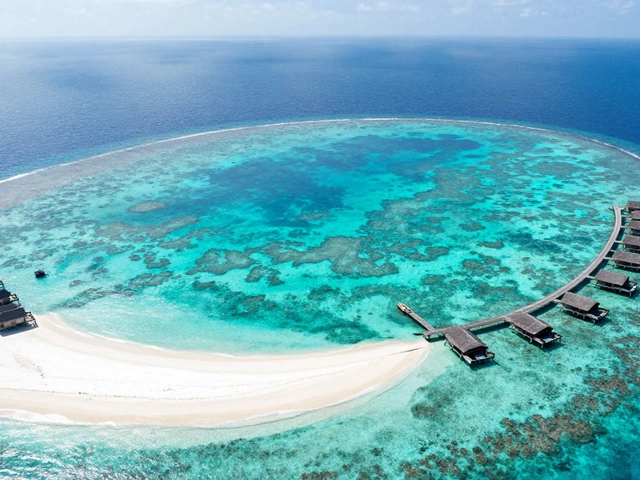
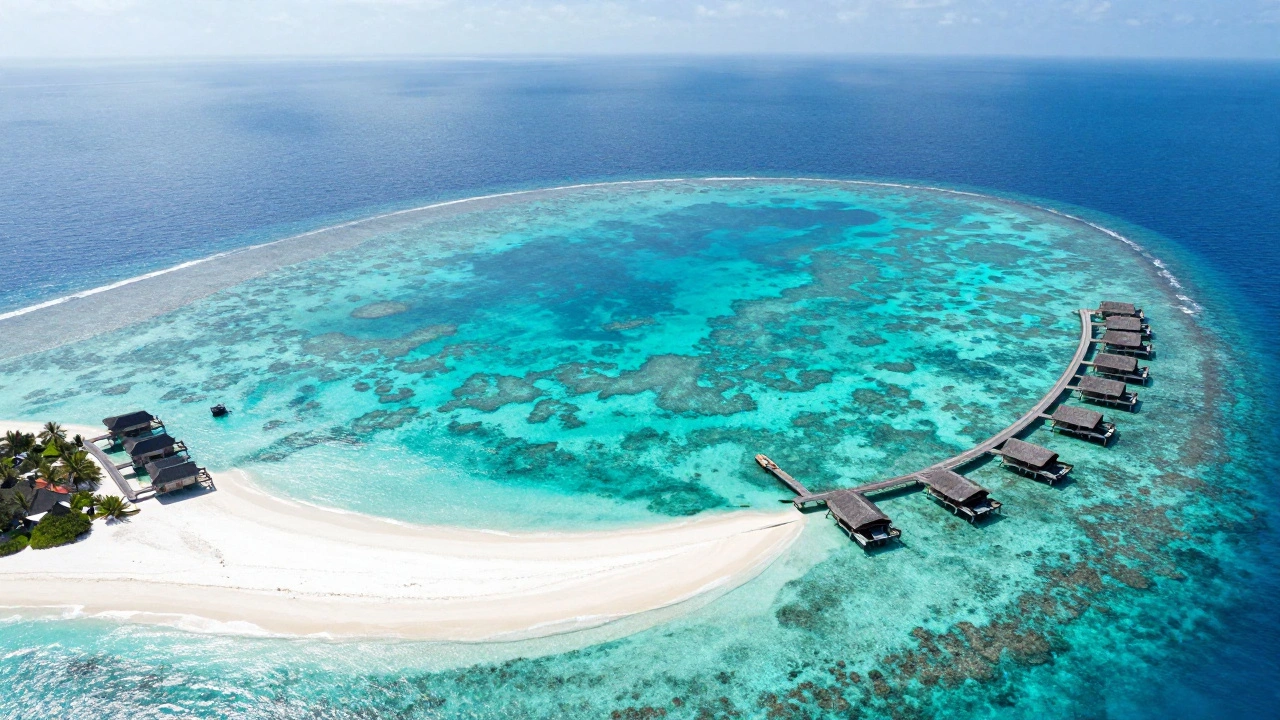
You’ve seen the photos. Turquoise water so clear it looks like glass. White sand that feels like powdered sugar under your feet. Overwater bungalows perched on stilts above coral reefs. It’s the ultimate tropical dream. And because it sits just a stone’s throw away from the southern tip of India, a common question pops up: Is Maldives in India? The short answer is no. The Maldives is an independent country. But the relationship between these two neighbors is closer than you might think, and understanding the difference matters when you’re planning your trip.
Geographically, the Maldives is an archipelagic state located in the Indian Ocean, southwest of Sri Lanka and India. It consists of 26 natural atolls, which are ring-shaped coral reefs surrounding a central lagoon. These atolls contain about 1,192 islands, but only around 200 are inhabited. The rest are either used for tourism resorts or remain untouched nature reserves. The capital city, Male, is one of the most densely populated cities in the world, packed with government buildings, markets, and mosques.
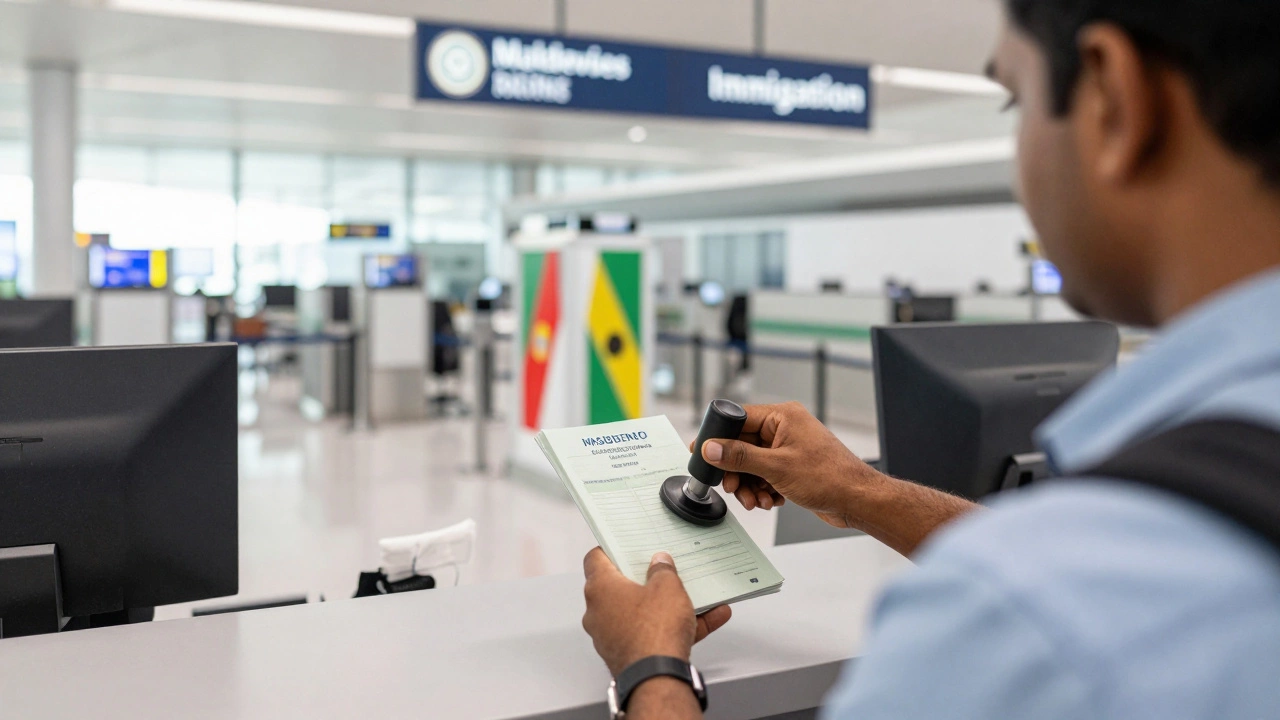
India, on the other hand, is a massive continental country. It shares maritime borders with the Maldives to its south. The closest point between the two nations is roughly 700 kilometers (about 435 miles) apart. That distance separates two distinct sovereign states with their own governments, currencies, languages, and cultures. If you fly from Mumbai or Chennai to Male, you are crossing international borders. You will go through immigration. You will likely need a visa unless you fall under specific exemption categories. This isn’t a domestic trip within India; it’s an international journey.
| Feature | India | Maldives |
|---|---|---|
| Political Status | Sovereign Republic | Sovereign Republic |
| Currency | Indian Rupee (INR) | Maldivian Rufiyaa (MVR) |
| Official Language | Hindi, English (and others) | Dhivehi |
| Religion | Secular (Hindu majority) | Islamic Republic (Sunni Muslim) |
| Visa Requirement for Indians | Not Applicable | Free 30-day Visa on Arrival |
Why People Get Confused
The confusion usually stems from proximity and history. On any map of South Asia, the Maldives looks like a string of beads dangling right off the coast of Kerala and Tamil Nadu. Historically, there were trade links between the region now known as Karnataka in India and the Maldives. In fact, the last queen of the Maldives, Koimala Mata, was invited by the local people to rule after a period of instability, and she came from Karnataka. She even introduced Hindu practices temporarily before Islam became the dominant religion in the 12th century. These historical threads create a sense of shared heritage, but they don’t change modern political boundaries.
Another reason for the mix-up is tourism marketing. Many Indian travel agencies package trips to the Maldives alongside visits to Goa or Kerala. When you see ads for “South India and Maldives Packages,” it can feel like one continuous destination. Plus, Indian tourists make up a huge chunk of visitors to the Maldives. The ease of travel-direct flights from major Indian cities and a free visa on arrival for Indian passport holders-makes it feel accessible, almost like a backyard vacation spot. But accessibility doesn’t equal ownership.
Traveling from India to Maldives
If you’re based in India, getting to the Maldives is straightforward. Direct flights connect Male International Airport with hubs like Delhi, Mumbai, Bangalore, Chennai, Hyderabad, and Kolkata. The flight time is usually between two to three hours, depending on where you start. Once you land, you’ll notice the immediate shift in atmosphere. The air smells different-saltier, cleaner. The architecture changes from bustling Indian urban sprawl to low-rise, pastel-colored buildings designed to blend with the tropical landscape.
One crucial thing to remember: the Maldives is an Islamic republic. While it’s incredibly welcoming to tourists, especially those staying at resort islands, cultural norms still apply. Public displays of affection are frowned upon. Dress modestly when you’re in Male or on local inhabited islands. Swimwear is strictly for resort beaches and pool areas. Alcohol is only served on resort islands and liveaboards; it’s banned everywhere else. This is a key difference from many beach destinations in India, where nightlife and alcohol are more openly integrated into public life.
For travelers who love diving and snorkeling, the Maldives offers some of the best marine life in the world. Manta rays, whale sharks, and vibrant coral gardens are common sights. Each atoll has its own unique underwater topography. Some spots are famous for night dives, while others are better for daytime exploration. If you’re coming from India, you might be used to the Arabian Sea along the western coast or the Bay of Bengal to the east. The waters in the Maldives are generally calmer and clearer, thanks to the protective barrier of the outer reefs.
Resort Islands vs. Local Islands
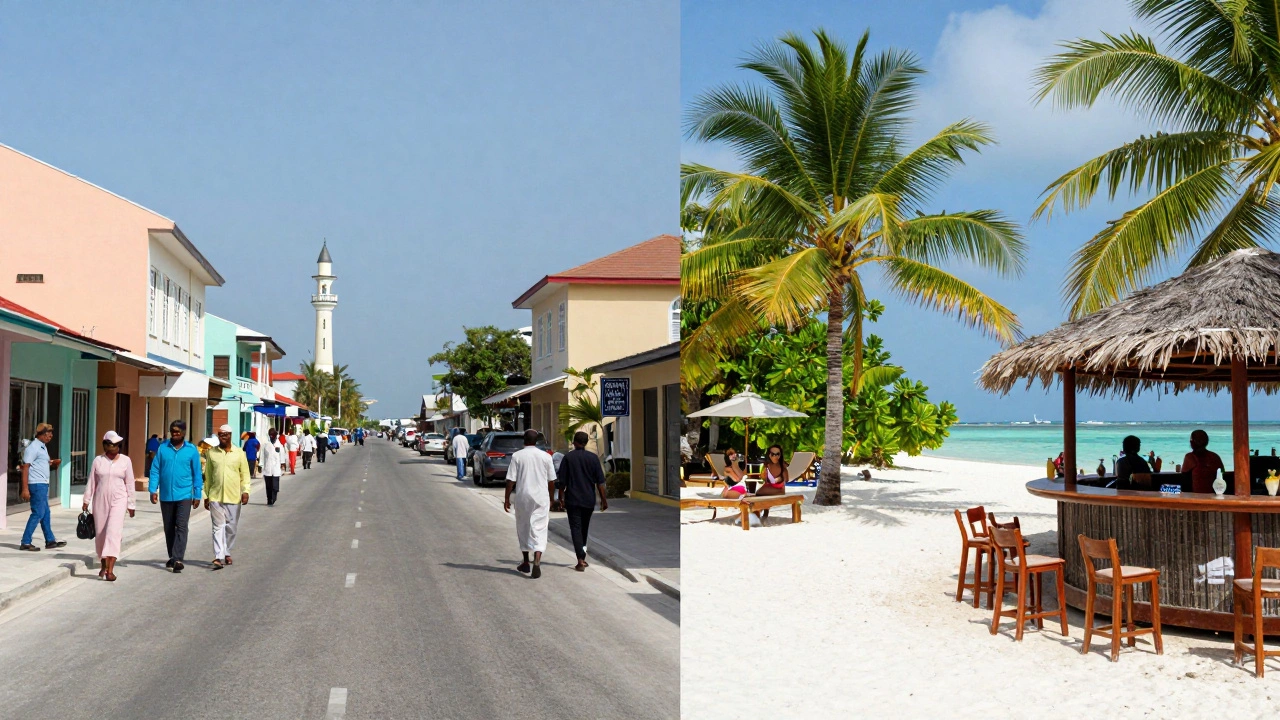
Understanding the layout of the Maldives helps clarify why it feels so different from India. The country operates on a dual system. There are resort islands, which are private properties dedicated entirely to tourism. On these islands, rules are relaxed. You can wear whatever you want, drink alcohol, and enjoy Western-style amenities. Then there are local islands, where Maldivians live their daily lives. Here, the culture is conservative. Mosques are central to community life. Friday prayers take precedence over business. Visitors are welcome, but they must respect local customs.
This separation means you can experience luxury without compromising local traditions. It also means you need to plan carefully. If you book a stay on a local island, you won’t find alcohol or revealing swimwear options. If you want that freedom, choose a resort island. Many travelers mistake the resort experience for the entire country. In reality, the Maldives is a blend of strict religious adherence and high-end tourist hospitality, carefully compartmentalized to keep both sides happy.
Speaking of travel logistics, sometimes finding the right accommodation requires digging deeper than standard hotel sites. For instance, if you’re exploring Southeast Asia later in your trip, you might stumble upon niche directories like this directory that list verified profiles and services in Bangkok, offering a completely different kind of urban experience compared to the secluded tranquility of Maldivian atolls.
Cost Considerations
Let’s talk money. The Maldives is expensive. Not just slightly pricey, but significantly more costly than traveling within India. A mid-range resort can cost hundreds of dollars per night. High-end villas can run into thousands. Even budget guesthouses on local islands are pricier than comparable stays in Goa or Kerala. Food, drinks, and activities add up quickly. Transfers between Male and your resort often require speedboats or seaplanes, which aren’t cheap. Seaplane rides alone can set you back $200-$400 per person each way.
However, prices vary by season. The peak season runs from November to April, when the weather is dry and sunny. During this time, rates are highest. The monsoon season, from May to October, brings rain and wind, but also lower prices. Some travelers prefer this window for better deals and fewer crowds. Just know that seas can get rough, affecting boat transfers and water visibility. If you’re on a tight budget, consider staying on a local island instead of a resort. Guesthouses have proliferated in recent years, offering authentic Maldivian hospitality at a fraction of the cost.
Environmental Concerns
The Maldives faces an existential threat: rising sea levels. As a low-lying nation, much of the country sits less than one meter above sea level. Climate change poses a direct risk to its survival. Coral bleaching, caused by warming ocean temperatures, is already damaging the very reefs that attract tourists. The government and private sector are investing in sustainability initiatives. Solar power, desalination plants, and waste management systems are becoming standard in newer resorts. Tourists are encouraged to participate in reef protection programs and avoid single-use plastics.
When you visit, your choices matter. Choose eco-certified resorts. Support local conservation efforts. Be mindful of your carbon footprint. Flying to the Maldives has a significant environmental impact, so offsetting your emissions is a responsible step. Unlike many parts of India, where infrastructure struggles to cope with rapid growth, the Maldives has the luxury of starting fresh with sustainable design principles. But this luxury comes with urgency. The clock is ticking for this fragile paradise.
FAQ
Is Maldives a part of India?
No, the Maldives is not part of India. It is an independent sovereign nation located in the Indian Ocean. While it is geographically close to India and shares historical ties, it has its own government, currency, and legal system.
Do I need a visa to visit Maldives from India?
Indian citizens do not need to apply for a visa in advance. They receive a free 30-day visa on arrival. You must have a valid passport, confirmed return ticket, proof of accommodation, and sufficient funds for your stay.
Can I drink alcohol in Maldives?
Alcohol is only permitted on resort islands and licensed liveaboard boats. It is strictly prohibited in Male, on local inhabited islands, and in public spaces. Resorts import alcohol directly and serve it exclusively to guests within their premises.
What is the best time to visit Maldives?
The best time to visit is during the dry season, from November to April. Expect sunny days, calm seas, and ideal conditions for swimming and snorkeling. The wet season, from May to October, offers lower prices but comes with higher chances of rain and rougher seas.
How long does it take to fly from India to Maldives?
Flight times vary depending on your departure city. From Chennai or Bangalore, it takes about 2 to 2.5 hours. From Delhi or Mumbai, expect a flight duration of 3 to 3.5 hours. Multiple airlines operate direct routes throughout the year.
Is Maldives safe for solo female travelers?
Yes, the Maldives is generally considered safe for solo female travelers. Crime rates are low, and locals are hospitable. However, due to conservative cultural norms, it’s advisable to dress modestly outside resort areas and avoid isolated locations at night. Resort islands provide a secure, controlled environment.