Eco-Hotel Value Calculator
Are you willing to pay more for sustainability? Use this tool to compare standard vs. eco-friendly hotel costs against your personal willingness to pay a premium.
Your Travel Profile
Hotel Cost Comparison
Verdict:
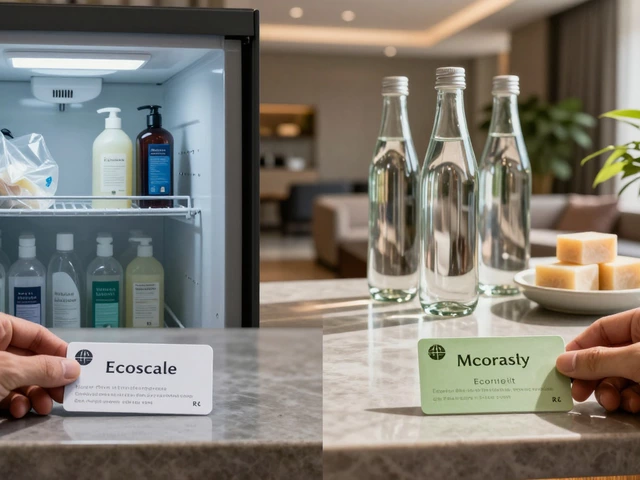
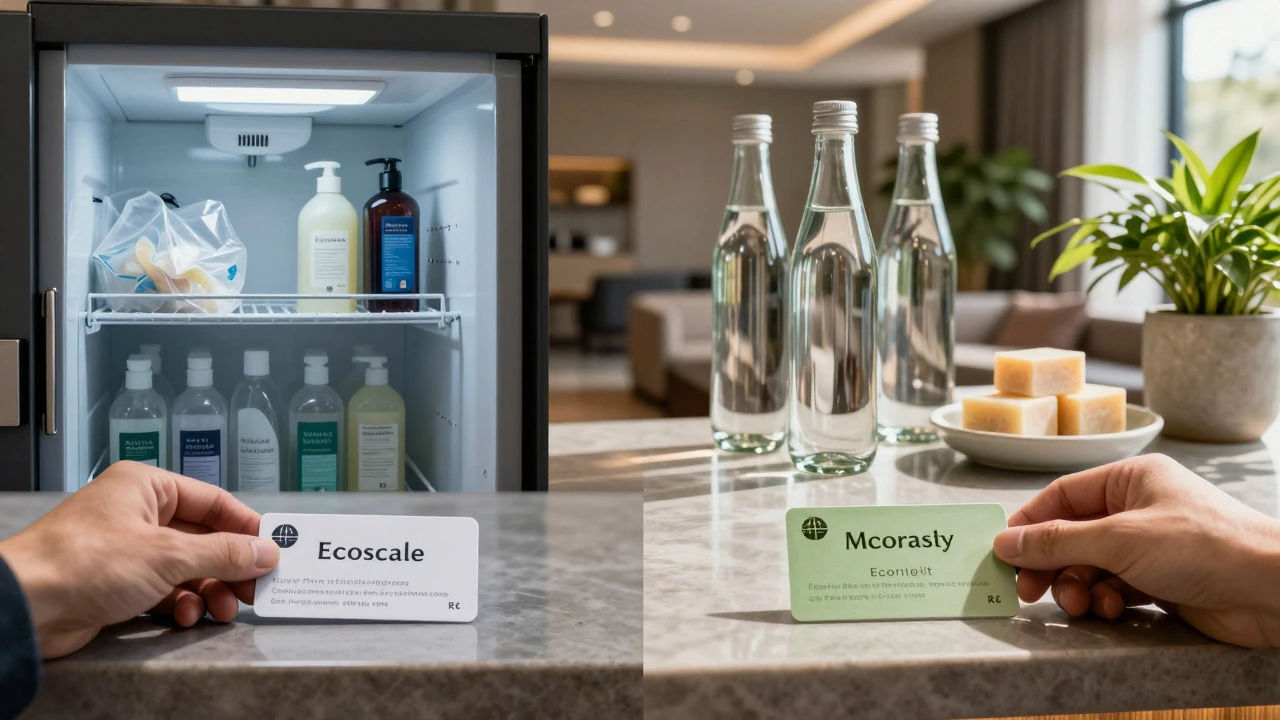
You’re standing in the lobby of a beautiful hotel. One room has a standard plastic-wrapped minibar and generic toiletries. The other offers refillable glass bottles, locally sourced soaps, and a note about water conservation. Which one do you pick? Most people say they’d choose the green option. But when it comes time to swipe their credit card, do they actually pay more for sustainability?
This is the million-dollar question in modern hospitality. Eco-friendly hotels are no longer just niche retreats for hardcore environmentalists; they’ve entered the mainstream conversation. Yet, there’s a gap between what travelers say they value and how they spend their money. Are we genuinely shifting toward greener stays, or is "greenwashing" just marketing fluff that doesn’t impact booking decisions?
The Gap Between Intent and Action
Let’s be real: most of us want to feel good about our choices. When surveyed, over 70% of global travelers state that sustainable travel options influence their decision-making. That sounds promising. But here’s the catch-surveys often measure aspiration, not reality. In the heat of planning a vacation, price, location, and convenience usually trump ethical considerations.
Why does this happen? It’s largely due to cognitive dissonance. We know fast fashion hurts the planet, yet we buy trendy clothes weekly. Similarly, we know single-use plastics harm oceans, but we grab a plastic cup at the airport without thinking. For hotels, the barrier isn’t always lack of care; it’s lack of clarity. If a hotel claims to be "green" but charges a 15% premium with no visible benefit to the guest experience, many will walk away. The preference exists, but only if the value proposition is clear.
Who Is Actually Booking Green?
Not all travelers are created equal when it comes to sustainability. Demographics play a huge role in who prefers eco-friendly resorts. Younger generations, particularly Millennials and Gen Z, are driving this shift. They view sustainability as a baseline expectation rather than a luxury add-on.
For these groups, staying at a non-sustainable property can feel like a moral failing. They actively research certifications like LEED (Leadership in Energy and Environmental Design) or Green Key before booking. On the flip side, older demographics often prioritize comfort and cost-efficiency above all else. For them, an eco-friendly hotel might seem risky-will the AC work? Is the food organic but bland? These concerns keep traditional luxury properties relevant, even as the tide turns.
| Demographic | Primary Motivation | Willingness to Pay Premium | Key Concern |
|---|---|---|---|
| Gen Z | Social Impact & Authenticity | High (up to 20%) | Greenwashing |
| Millennials | Experience & Values Alignment | Moderate-High (10-15%) | Price vs. Value |
| Gen X | Comfort & Efficiency | Low-Moderate (5-10%) | Convenience |
| Baby Boomers | Cost & Familiarity | Low (<5%) | Accessibility |
What Makes a Hotel Truly Preferred?
It’s not enough to just put a sign on the wall saying "Reuse your towel." Modern travelers are smarter than that. They look for tangible evidence of commitment. This is where sustainable travel practices must integrate seamlessly into the guest experience.
Consider the rise of farm-to-table dining. Guests don’t just want a salad; they want to know the lettuce was grown three miles away. They prefer hotels that support local economies because it feels authentic. A study by Booking.com found that 63% of travelers would stay at a property again if it had a strong sustainability policy. But that policy needs to be visible. Solar panels on the roof? Great. But guests also care about zero-waste amenities, digital check-ins to reduce paper, and staff training on local ecology.
Furthermore, health and wellness have merged with sustainability. Post-pandemic, cleanliness is paramount. Hotels using natural cleaning products appeal to guests worried about harsh chemicals. Here, being eco-friendly doubles as being healthier for the guest. This dual benefit removes the "trade-off" mentality. You aren’t sacrificing comfort for the planet; you’re gaining better air quality and safer surfaces.

The Price Factor: Do People Pay More?
Let’s talk money. Does the average person pay extra for a green room? The data says yes, but with conditions. According to recent industry reports, nearly half of travelers are willing to pay up to 10% more for sustainable accommodation. However, this willingness drops sharply if the hotel fails to justify the cost.
If a budget hotel raises prices by 10% just to install solar panels, guests might balk. But if a luxury resort uses those savings to offer free yoga classes, organic breakfasts, and guided nature walks, the perceived value skyrockets. The key is transparency. Guests need to see where their extra dollar goes. Did it save water? Did it help a local artisan? When the connection is clear, the price resistance fades.
Greenwashing: The Trust Killer
Nothing kills preference faster than suspicion. Greenwashing happens when hotels claim to be eco-friendly but make minimal changes. Think of a large chain switching from tiny shampoo bottles to large dispensers but still using single-use plastic cups for coffee. Savvy travelers spot this instantly.
Once trust is broken, it’s hard to rebuild. Social media amplifies this. A guest posting a photo of a "sustainable" hotel overflowing with plastic waste can damage a brand’s reputation overnight. To combat this, third-party certifications are crucial. Labels like EarthCheck or B Corp provide objective validation. Without them, claims are just words. With them, they become proof points that influence booking engines and search filters.

Regional Differences in Preference
Geography matters too. In Europe, sustainability is often regulated and expected. Many European cities ban single-use plastics outright, so hotels adapt quickly. Travelers there expect green features as standard. In contrast, in parts of Asia and North America, the market is more fragmented. While interest is growing, infrastructure lags behind.
However, destination type influences preference heavily. Eco-tourists visiting Costa Rica or Bali actively seek out green hospitality options because the environment is the main attraction. Staying in a concrete box in the middle of a rainforest feels wrong. Conversely, business travelers in New York City might care less about the hotel’s carbon footprint and more about Wi-Fi speed and proximity to meetings. Context dictates priority.
How Hotels Can Win Over Skeptics
If you run a hotel or plan a trip, how do you bridge the gap? For hotels, the strategy is simple: make sustainability easy and rewarding. Don’t guilt-trip guests. Instead, reward them. Offer discounts for opting out of daily housekeeping. Provide high-quality reusable water bottles as gifts. Partner with local NGOs so guests can participate in beach cleanups.
For travelers, the advice is to look beyond the label. Check reviews specifically mentioning sustainability. Look for photos of actual practices, not just stock images of leaves. Ask questions during booking. Does the hotel compost? Do they hire locally? Your engagement signals demand, which pushes the industry forward.
The bottom line? Yes, people prefer eco-friendly hotels, but they prefer them even more when they don’t compromise on comfort, cost, or convenience. The future of hospitality isn’t choosing between luxury and sustainability-it’s realizing they’re the same thing.
Are eco-friendly hotels significantly more expensive?
Not necessarily. While some luxury eco-resorts charge a premium, many mid-range hotels achieve sustainability through operational efficiencies (like energy-saving LEDs and water recycling) that lower costs. Often, the price difference is negligible, especially when considering long-term savings on utilities passed down to guests or included in the base rate.
How can I tell if a hotel is truly eco-friendly?
Look for recognized third-party certifications such as LEED, Green Key, EarthCheck, or B Corp status. Additionally, read recent guest reviews for mentions of specific practices like refillable amenities, local sourcing, or waste reduction efforts. Avoid properties that use vague terms like "green" or "natural" without providing concrete examples or data.
Does staying at an eco-friendly hotel mean less comfort?
No, modern sustainable design prioritizes comfort alongside efficiency. High-end eco-hotels often feature superior indoor air quality due to natural ventilation and non-toxic materials. Smart technology manages temperature and lighting efficiently, often enhancing the guest experience rather than detracting from it.
Which age group cares most about sustainable travel?
Gen Z and Millennials show the highest levels of concern and willingness to act. Surveys indicate that these groups are more likely to research a hotel’s environmental policies before booking and are willing to pay a premium for verified sustainable practices compared to older generations.
What is greenwashing in the hotel industry?
Greenwashing is the practice of making misleading claims about the environmental benefits of a product or service. In hotels, this might involve advertising "eco-friendly" initiatives while continuing major wasteful practices, such as using excessive single-use plastics or lacking proper waste management systems, solely to attract conscious consumers.