Cultural Tourism Impact Calculator
Calculate how your travel choices support local communities and preserve heritage. Adjust the sliders to see real-time impacts.
Your Trip's Estimated Impact
Cultural Sustainability Score
Adjust inputs to see sustainability rating.
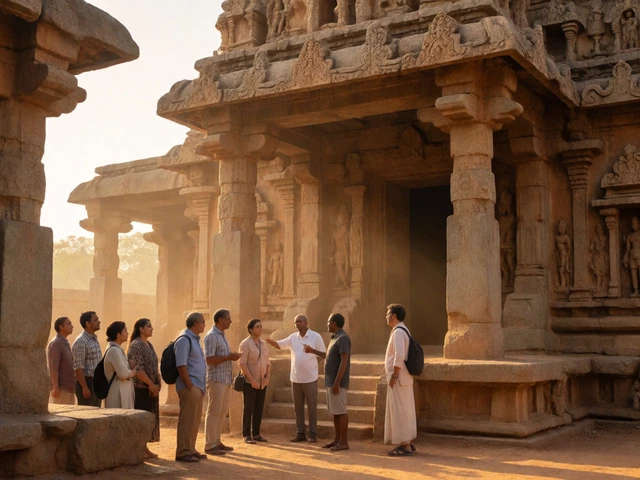
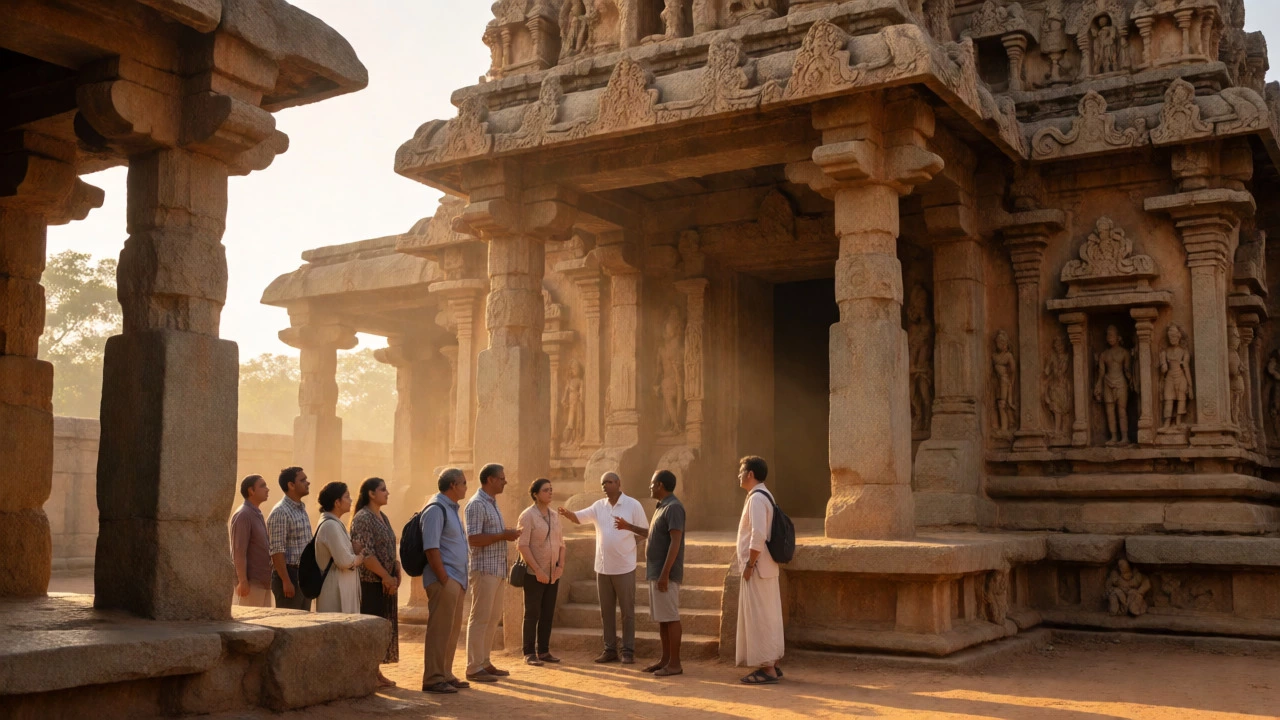
Imagine standing in the shadow of a 1,000-year-old temple in Tamil Nadu, not just as a spectator, but as someone whose entry fee directly funded the restoration of its crumbling stone pillars. That’s the quiet power of cultural tourism. In India, this isn't just about sightseeing; it's a lifeline for communities and a shield for history. With over 36 UNESCO World Heritage Sites and thousands of living traditions, India offers more than pretty pictures-it offers connection.
You might wonder why all the fuss? Why does it matter if you visit a fort or watch a folk dance? Because when done right, cultural tourism transforms how we see each other and how places survive. It shifts the narrative from "look at these ruins" to "meet these people." Let’s break down exactly why this sector is so critical for India today.
Economic Ripple Effects Beyond Ticket Sales
Let’s talk money, because that’s where many debates start. But it’s not just about the government collecting taxes. When you buy a handwoven sari in Varanasi or hire a guide in Jaipur, that cash stays local. It pays for your host’s child’s school fees. It keeps the artisan’s loom running.
Consider the village of Chettinad in Tamil Nadu. Once fading into obscurity, it has seen a revival thanks to travelers interested in its unique architecture and cuisine. Homestays have replaced empty mansions. Local cooks are now celebrated chefs. This is the multiplier effect. For every rupee spent on accommodation, several more circulate through local markets, transport, and food stalls.
- Direct Income: Guides, drivers, and ticket sellers get paid immediately.
- Indirect Support: Hotels source vegetables from nearby farms, boosting agriculture.
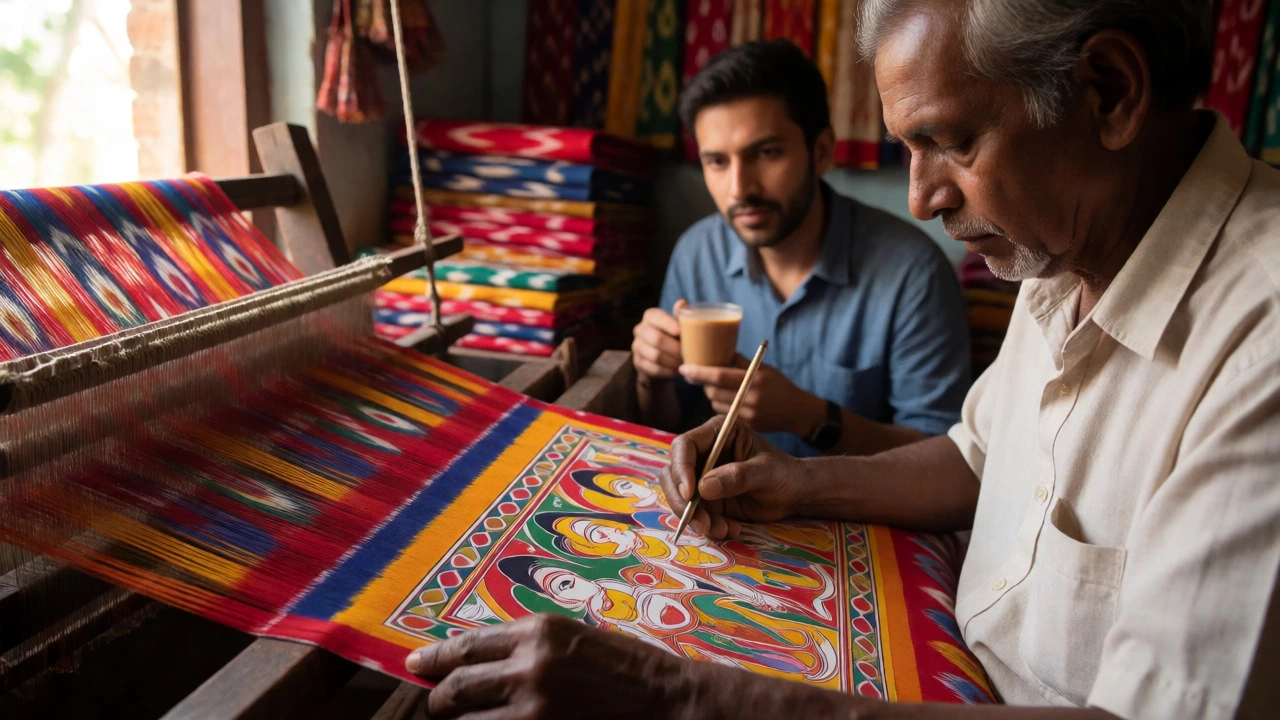
- Craft Preservation: Demand for authentic souvenirs keeps dying arts like Pattachitra painting alive.
Without tourists, many of these crafts would vanish, taken by cheap machine-made alternatives. Your interest literally buys time for tradition.
Preserving Heritage Against Modernization
India is modernizing fast. Skyscrapers rise in Mumbai, and highways cut through rural landscapes. Where does that leave the old stepwells or the tribal music of the Northeast? Often, forgotten. Cultural tourism puts a value tag on heritage-not a price tag that sells out, but a recognition that these things are worth saving.
Take the case of Hampi in Karnataka. The ruins were once neglected, overgrown with weeds. Today, strict conservation rules and tourist revenue fund archaeologists who carefully excavate and protect the site. If no one visited, funding would dry up, and erosion would claim more structures every year.
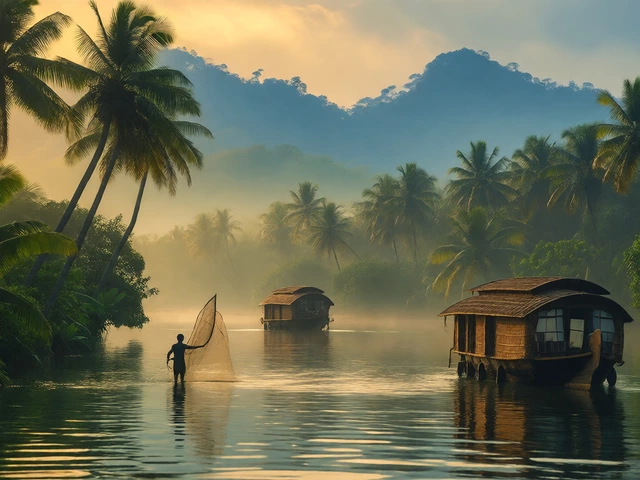
This isn’t just about stones. It’s about intangible heritage too. When you attend a Kathakali performance in Kerala, you’re supporting a training system that takes years to master. Without an audience, young dancers wouldn’t invest a decade learning the art form. Tourism provides the stage they need.
Fostering Mutual Understanding and Peace
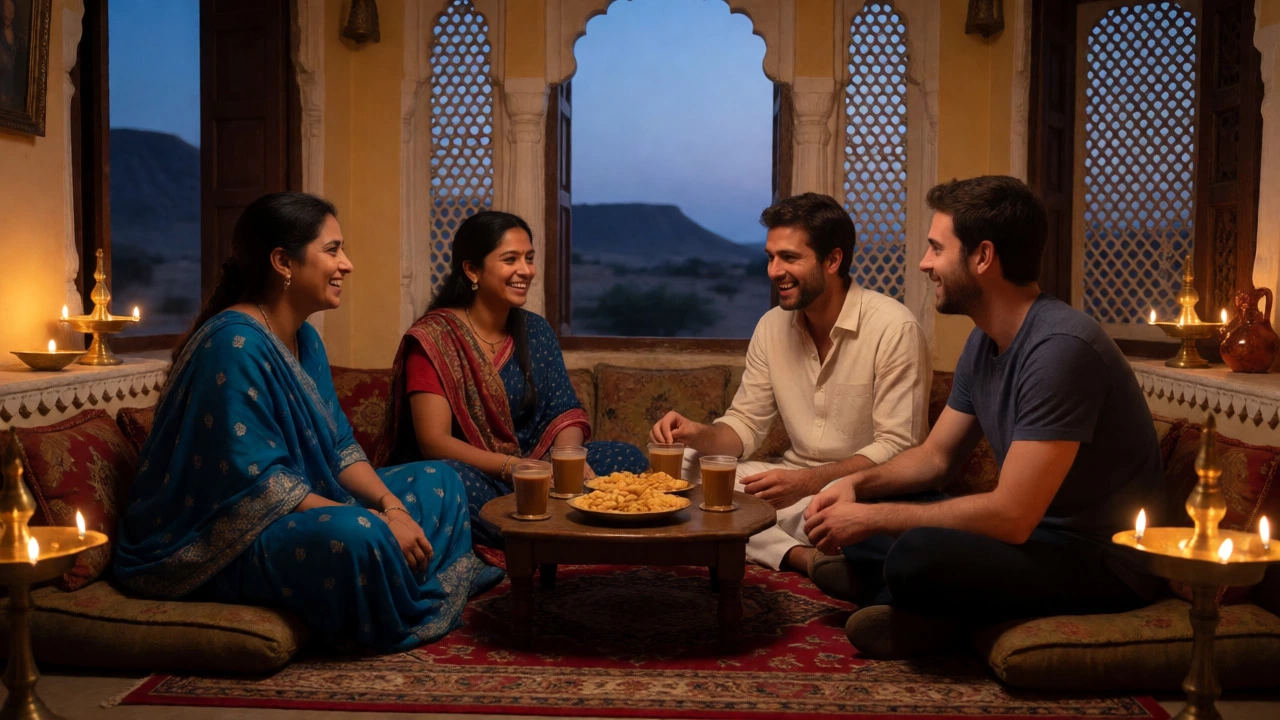
We live in a polarized world. Headlines often highlight conflict. But cultural tourism offers a counter-narrative. It forces interaction. You can’t misunderstand someone when you’re sharing chai in their home.
In Rajasthan, tourists staying in traditional Havelis interact with families who have lived there for generations. They learn about daily routines, festivals, and values. This breaks down stereotypes. Travelers realize that despite differences in dress or language, human hopes and fears are universal. Similarly, locals gain exposure to global perspectives, challenging insular viewpoints.
| Aspect | Passive Sightseeing | Active Cultural Tourism |
|---|---|---|
| Local Interaction | Minimal (guide-only) | High (homestays, workshops) |
| Economic Benefit | Concentrated in large chains | Distributed among small businesses |
| Cultural Respect | Often superficial | Deep understanding of context |
| Sustainability | Higher carbon footprint | Lower impact, longer stays |
This exchange builds empathy. It turns strangers into acquaintances, making political borders feel less rigid.
Reviving Dying Arts and Crafts
Globalization threatens local uniqueness. Why make a brass lamp by hand when plastic is cheaper? Cultural tourism answers this by creating demand for quality and story. People don’t just buy a lamp; they buy the story of the family that made it for five generations.
In Odisha, the revival of Ikat weaving was driven partly by tourists seeking authentic textiles. Weavers, who were abandoning their craft for factory jobs, returned to their looms because they could earn a dignified income selling directly to visitors. Similar trends are visible in Kashmir’s shawl industry and West Bengal’s terracotta pottery.
This economic viability allows artisans to pass skills to their children. Without market demand, apprenticeships end. Cultural tourism ensures the chain remains unbroken.
Challenges: Balancing Access and Authenticity
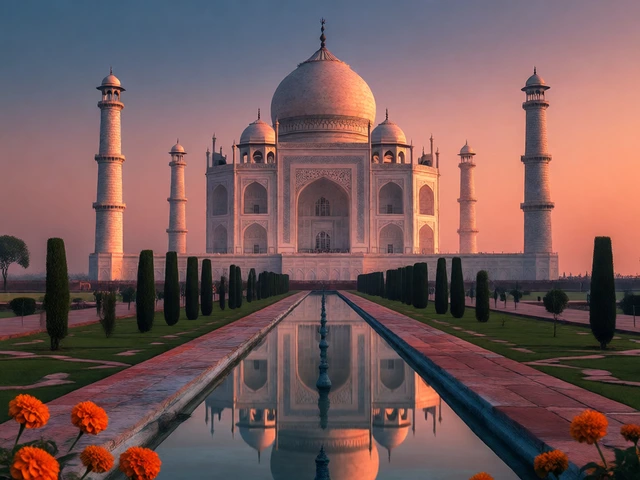
It’s not all sunshine and saris. Mass tourism can degrade what it seeks to celebrate. Overcrowding at the Taj Mahal causes physical wear. Commercialization can turn sacred rituals into performances for tips. Locals may feel like exhibits in their own homes.
The key is management. India needs sustainable models. Limiting visitor numbers at fragile sites, like certain caves in Ajanta-Ellora, helps preserve them. Encouraging off-season travel spreads the load. Promoting lesser-known destinations, such as the tribal belts of Jharkhand or the coastal villages of Konkan, reduces pressure on hotspots.
Travelers play a role too. Respecting photography rules, dressing appropriately, and asking before taking portraits shows respect. It signals that you value the culture, not just the content for your social media feed.
How to Be a Responsible Cultural Tourist
You want to help, not harm. Here’s how to ensure your trip supports the very things you love.
- Choose Local: Stay in homestays or locally-owned hotels rather than international chains whenever possible.
- Hire Local Guides: They provide deeper insights and keep money in the community.
- Buy Authentic: Purchase handicrafts directly from makers. Ask questions about their process.
- Learn Basic Phrases: Even saying "Namaste" or "Dhanyavad" goes a long way in building rapport.
- Respect Sacred Spaces: Follow dress codes and remove shoes where required. Don’t treat temples as mere photo backdrops.
By acting consciously, you become part of the solution. Your travel choices vote for the kind of India you want to see preserved.
What defines cultural tourism in India?
Cultural tourism in India involves traveling to experience the country's tangible heritage (monuments, museums) and intangible heritage (festivals, music, cuisine, crafts). It emphasizes interaction with local communities and understanding historical contexts, rather than just passive observation.
How does cultural tourism benefit local economies?
It generates direct income for guides, artisans, and hospitality workers. Indirectly, it supports supply chains like local agriculture and transport. Revenue often funds infrastructure improvements and preserves heritage sites that might otherwise lack maintenance budgets.
Is cultural tourism sustainable in India?
It can be, but requires careful management. Issues like overcrowding and commercialization pose risks. Sustainable practices include limiting visitor numbers, promoting off-season travel, and ensuring profits stay within local communities rather than leaking to external corporations.
Which regions in India are best for cultural tourism?
Rajasthan offers royal heritage and desert culture. South India (Tamil Nadu, Kerala) features Dravidian architecture and classical arts. North-East India provides unique tribal cultures and Buddhist monasteries. Each region offers distinct experiences, from Mughal architecture to Himalayan traditions.
How can tourists avoid commodifying local culture?
Engage respectfully. Ask permission before photographing people. Buy goods at fair prices without haggling aggressively. Participate in activities genuinely rather than treating them as spectacles. Support initiatives that prioritize community consent and benefit-sharing.