South India Daily Budget Calculator
Your Daily Budget Breakdown
Remaining from $100 Budget
You have a comfortable surplus for souvenirs or extra meals.
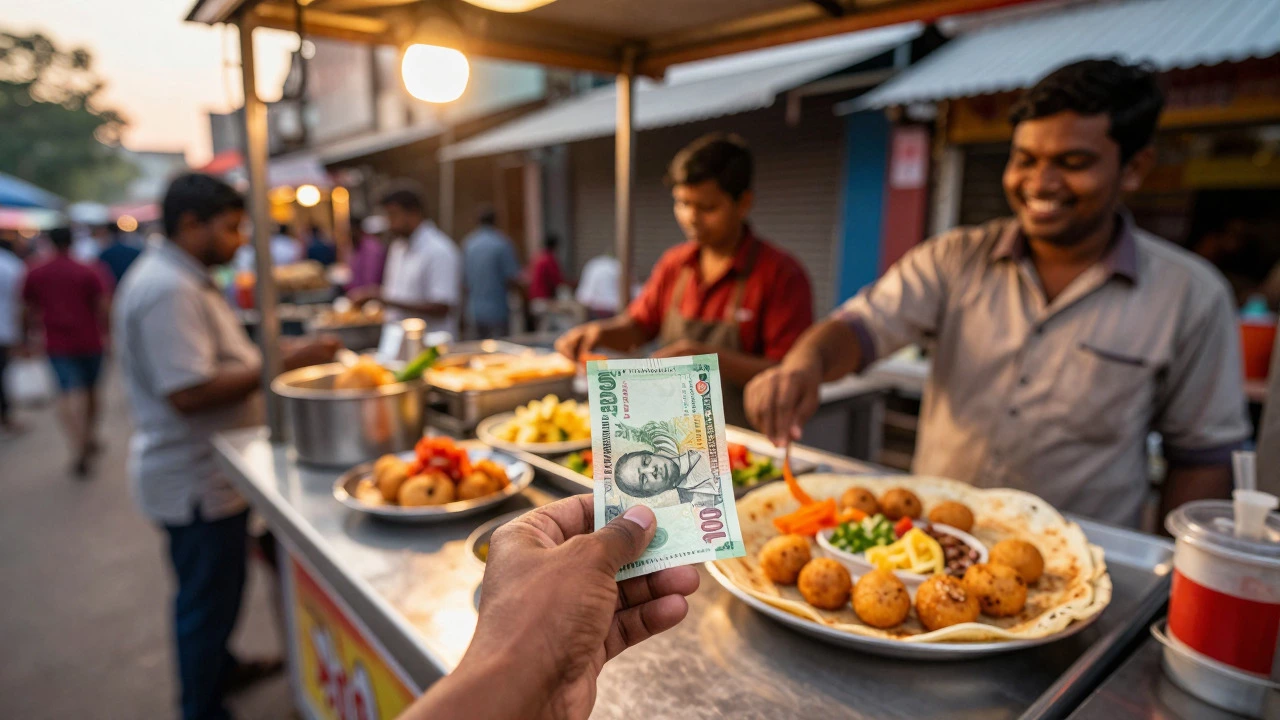
You pull out a crisp $100 bill at a street food stall in Chennai. The vendor’s eyes widen. To you, it’s a tank of gas or a nice dinner for two back home. To him, it’s roughly ₹8,350 (as of mid-2026), enough to feed his family for days. Is $100 a lot in India? The short answer is yes-absolutely. But the long answer depends entirely on where you spend it and how you choose to live.
If you are planning a trip to South India, understanding this purchasing power gap is your first step toward a smarter vacation. You don’t need to be rich to have an incredible experience here. In fact, with just $100 a day, you can eat like royalty, stay in boutique heritage homes, and hire private drivers without breaking a sweat. Let’s break down exactly what that money buys you in 2026.
The Real Value of Your Money: Exchange Rates & Purchasing Power
To understand why $100 feels like so much more in India, you have to look at the exchange rate and local price structures. As of July 2026, the Indian Rupee (INR) hovers around 83.5 against the US Dollar. This means your $100 converts to approximately ₹8,350.
In Western countries, $100 might cover a few groceries or a night in a mid-range hotel. In India, especially in the south, labor costs are significantly lower, which drives down prices for services like dining, transportation, and hospitality. However, imported goods-electronics, branded clothing, and fuel-remain closer to global prices because of taxes. This creates a unique dynamic: services are cheap, products are moderately priced.
- Local Food: A hearty meal at a local restaurant costs ₹150-₹300 ($2-$4).
- Transportation: An auto-rickshaw ride across town is ₹50-₹100 ($0.60-$1.20).
- Accommodation: A clean, safe hostel bed is ₹500-₹800 ($6-$10); a luxury resort room can start at ₹3,000 ($35).
This disparity means that if you stick to local experiences, your dollar stretches incredibly far. If you rely on international chains and imported luxuries, you’ll pay near-global rates.
What $100 Buys You in a Day: Three Travel Styles
Let’s put this into perspective by looking at three different ways you could spend $100 in a single day while traveling through South India. These examples reflect realistic 2026 pricing in cities like Bangalore, Hyderabad, and Kochi.
| Travel Style | Accommodation | Food & Drink | Activities/Transport | Leftover Cash |
|---|---|---|---|---|
| Budget Backpacker | Hostel Dorm (₹600) | Street Food + Local Cafe (₹400) | Bus/Auto Rides (₹300) | ~₹7,050 ($84) |
| Moderate Explorer | Mid-Range Hotel (₹2,500) | Restaurant Meals (₹1,500) | Taxi Rides + Entry Fees (₹1,000) | ~₹3,350 ($40) |
| Luxury Indulgence | 5-Star Resort (₹6,000) | Fine Dining (₹2,000) | Private Driver + Spa (₹1,500) | ~₹-1,150 (-$14 deficit) |
Notice the massive surplus in the budget category. If you are a backpacker, $100 is not just "a lot"; it is an entire week’s worth of spending money for some travelers. For the moderate traveler, $100 covers a comfortable day with plenty left over for souvenirs. Only the luxury lifestyle eats up that full hundred dollars quickly.

Regional Differences: North vs. South India Costs
While India is often viewed as one destination, the cost of living varies significantly between regions. Since your focus is South India, it helps to know how it compares to the north.
Bangalore and Hyderabad are tech hubs. Prices here, especially for accommodation and nightlife, are higher than in smaller towns. A beer in a Bangalore pub might cost ₹300-₹400 ($4-$5), whereas in rural Kerala, the same drink might be ₹150 ($2). Conversely, cities like Mumbai or Delhi in the west and north can be even more expensive for housing but offer cheaper street food options due to intense competition.
South India generally offers better value for tourism infrastructure. Hotels in Kerala and Tamil Nadu often include breakfast and amenities that would cost extra elsewhere. Plus, the climate allows for open-air dining and walking, reducing transport costs.
Where Your Money Goes Fastest (And Slowest)
To maximize your $100, you need to know where the hidden costs lie. Here is a breakdown of expense categories in South India:
- Alcohol: This is the biggest trap. India has high excise duties on alcohol. A bottle of wine or premium spirits can cost 3x-5x more than in Europe or the US. If you drink daily, your $100 will vanish quickly.
- Imported Brands: Buying Nike, Apple, or Starbucks products means paying global prices plus import taxes. Stick to local brands for better value.
- Transport: Taxis via apps like Uber or Ola are affordable but add up. Using public buses or trains is incredibly cheap and scenic. A train ticket from Chennai to Madurai costs less than $5.
- Food: Eating locally is cheap and delicious. A plate of (rice cakes) or dosa costs under $1. Fine dining in five-star hotels can run $20-$40 per person.
Pro Tip: Always carry small denominations of rupees. Many small vendors do not have change for large bills, and trying to pay a ₹50 vegetable seller with a ₹500 note can lead to awkward situations.
Safety, Tipping, and Negotiation Etiquette
Having money doesn’t mean you should flash it. While India is generally safe for tourists, displaying large amounts of cash can attract unwanted attention. Use ATMs inside banks during daylight hours to withdraw cash. Most urban areas accept digital payments (UPI), but cash is still king in rural South India.
Tipping culture is evolving. In restaurants, a 10% service charge is often included in the bill. If not, leaving ₹50-₹100 ($0.60-$1.20) is appreciated but not mandatory. For guides and drivers, tipping ₹200-₹500 ($2.50-$6) per day is standard for good service.
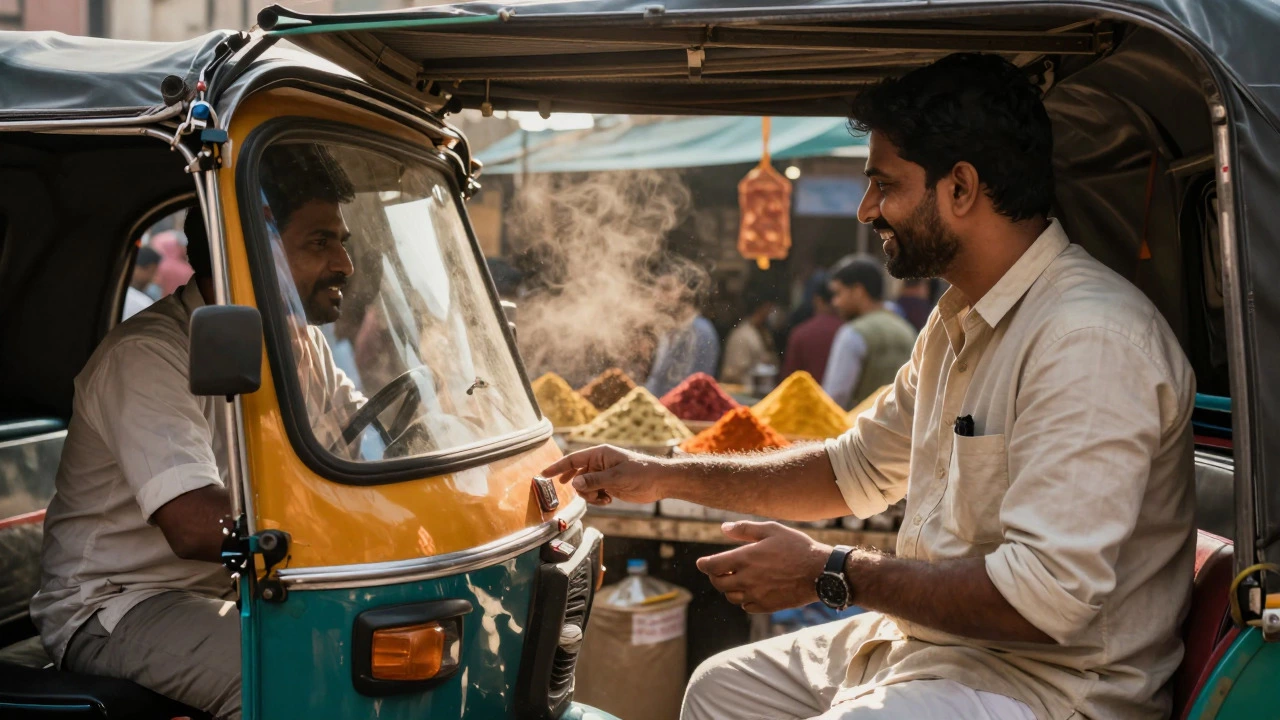
Negotiation is expected in markets and with auto-rickshaws, but not in malls or fixed-price stores. Start by offering 50-60% of the asking price and meet in the middle. It’s part of the cultural interaction, so keep it friendly and smile.
Is $100 Enough for a Week?
If you are strict about your budget, yes. There are thousands of "zero-budget" or ultra-low-cost travelers who spend $10-$15 a day in India. They stay in hostels, eat only street food, and use public transport. For a more comfortable experience, $30-$50 a day is a sweet spot. This allows for private rooms, occasional taxi rides, and entry fees to temples and forts.
So, is $100 a lot in India? For a single day, it’s extravagant. For a week, it’s tight but doable for a backpacker. For a month, it’s impossible unless you’re working remotely or volunteering. Context matters. Your goal should be to balance comfort with curiosity. Spend less on things (souvenirs) and more on experiences (food, guides, stays).
How much does a meal cost in South India?
A basic meal at a local restaurant costs between ₹150 and ₹300 ($2-$4). Street food like dosa or vada can be found for ₹30-₹50 ($0.40-$0.60). Fine dining in upscale hotels ranges from ₹800 to ₹2,000 ($10-$25) per person.
Can I use credit cards everywhere in India?
Credit cards are accepted in major cities, malls, and hotels. However, in rural areas, small shops, and street vendors, cash is essential. Digital wallets and UPI (Unified Payments Interface) are also widely used, but foreigners may find setting them up difficult. Always carry some cash.
Is South India cheaper than North India?
Generally, South India offers better value for tourism-related expenses like hotels and guided tours. Major metropolitan areas in the North like Delhi and Mumbai can be more expensive for accommodation, though street food prices are comparable across both regions.
How much should I tip in India?
Tipping is not mandatory but appreciated. For restaurants, if a 10% service charge isn't included, leave ₹50-₹100. For tour guides, ₹200-₹500 per day is standard. For auto-rickshaws, rounding up the fare is sufficient.
What is the best way to exchange money in India?
ATMs are the most convenient option, offering competitive exchange rates. Avoid exchanging money at airports or hotels as they offer poorer rates. Ensure your bank notifies you of international travel to prevent card blocks. Carry USD or EUR notes for backup exchange at authorized dealers.