South India Travel Planner
Select your travel style and preferred month to get personalized recommendations for states, activities, and packing tips.
You’re staring at a map of South India, wondering when the heat breaks and the rains stop. It’s a valid question because this region isn’t just one climate; it’s four distinct states with wildly different weather patterns. If you book tickets based on general "India" advice, you might end up swimming in Chennai while freezing in Munnar. The truth? There is no single best month for everyone. It depends entirely on whether you want temple festivals, lush green tea plantations, or dry beach days.
The Short Answer: When Is Peak Season?
If you want the safest bet for clear skies and comfortable temperatures, aim for October to March. This window covers the post-monsoon period through winter, which is when most tourists flock to the region. During these months, the humidity drops significantly in coastal areas like Goa and Kerala, and the hill stations are crisp but not freezing. However, don't expect empty beaches or cheap hotel rates. This is peak tourist season across Kerala, Tamil Nadu, Karnataka, and Telangana.
| Season | Months | Weather Conditions | Best For | Crowd Level |
|---|---|---|---|---|
| Winter (Peak) | Oct - Mar | Dry, mild to warm, low humidity | Beaches, Temples, City Tours | High |
| Summer | Apr - May | Hot, humid, very high temps (35°C+) | Hill Stations only | Low |
| Monsoon | Jun - Sep | Heavy rain, lush greenery, waterfalls active | Ayurveda, Nature Lovers, Budget Travelers | Very Low |
Why October is the Sweet Spot
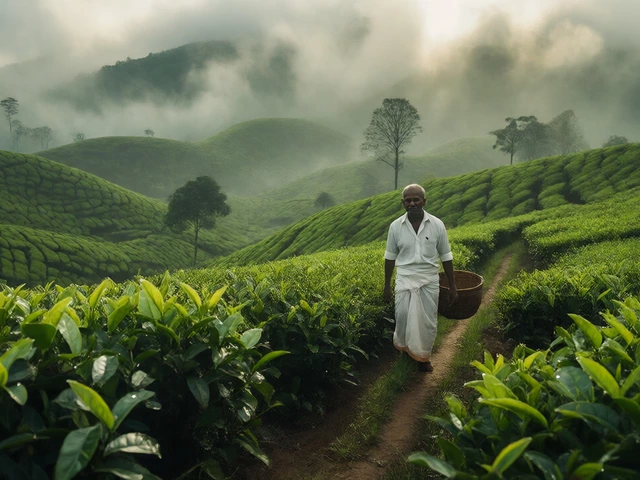
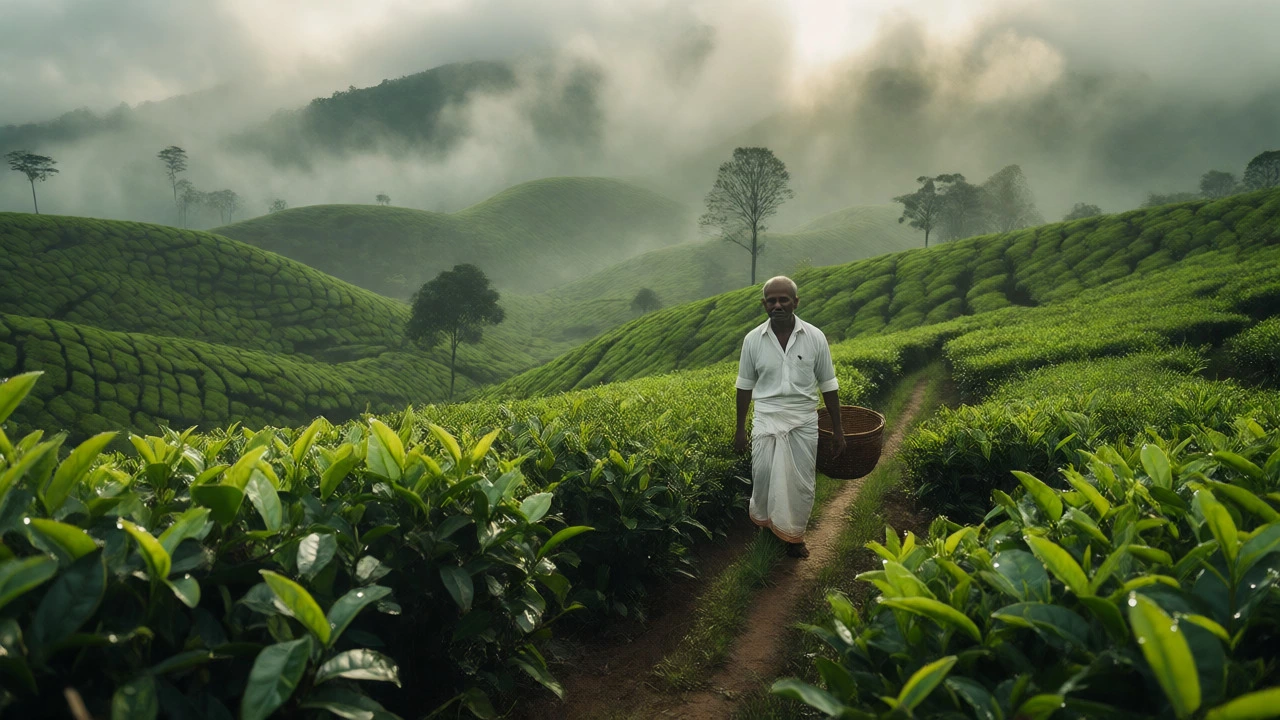
Many travelers overlook October, assuming it's still too rainy. But here’s the thing: by mid-October, the southwest monsoon has largely retreated from Kerala and Karnataka. The landscape is incredibly green-think emerald tea gardens in Munnar and Ooty-but the heavy downpours have stopped. You get the best of both worlds: vibrant scenery without the logistical nightmare of flooded roads. In Goa, the shacks reopen in November, so early October is quiet but the sea is calm enough for swimming. In Tamil Nadu, the northeast monsoon hasn't hit hard yet, making cities like Madurai and Thanjavur pleasant for walking around temples. If you’re looking for that Instagram-perfect shot of mist rolling over hills without getting soaked, this is your window.
Dealing with the Heat: April and May
Let’s be real: April and May are brutal in the plains. Temperatures in Hyderabad and Bangalore can spike above 40°C (104°F). If you’re planning a trip during these months, avoid the coast and the cities unless you have air-conditioned transport and hotels locked down. Your strategy should shift entirely to elevation. Head straight for the Western Ghats. Places like Kodaikanal, Coorg, and Wayanad remain cool because of their altitude. While the rest of the state sweats, you’ll need a light jacket in the evenings. This is also the cheapest time to stay in luxury resorts in the hills, as international tourists usually skip these months due to the heat warnings. Just pack breathable cotton clothes and hydrate aggressively.

Riding the Monsoon: June to September
Does rain ruin a vacation? Only if you hate getting wet. For many, the monsoon is the soul of South India. The Southwest Monsoon hits Kerala first in June, turning the backwaters into roaring rivers and filling every waterfall to capacity. Athirappilly Falls in Kerala becomes a thundering beast during this time, far more impressive than its dry-season trickle. This is also the prime season for Ayurvedic treatments in Kerala. Traditional practitioners believe the body’s pores are open during the monsoon, making oil therapies more effective. If you’re a budget traveler, this is gold. Hotel prices drop by 40-60%, and you’ll rarely wait in line at major attractions. The downside? Landslides can block roads in hill stations, and boat trips in the backwaters might get cancelled. Always check local weather alerts before booking internal flights or trains.
Regional Nuances You Can’t Ignore
South India isn’t a monolith. What works in Kerala doesn’t work in Tamil Nadu. Here’s how to navigate the differences:
- Kerala: Best visited Oct-Mar for tourism, Jun-Sep for Ayurveda and nature. Avoid Apr-May if you dislike sweat.
- Tamil Nadu: Has two monsoons. The southwest monsoon (Jun-Sep) brings moderate rain, but the northeast monsoon (Oct-Dec) brings heavy rain to Chennai and the east coast. Visit Tamil Nadu temples between Jan-Mar for the driest weather.
- Karnataka: Coastal areas like Mangalore follow Kerala’s pattern. Inland areas like Hampi and Mysore are hottest in Apr-May but dry and pleasant Nov-Feb.
- Andhra Pradesh/Telangana: Similar to Tamil Nadu inland. Hot summers, mild winters. Best for city tours and heritage sites in winter.
Festival Timing: Plan Around the Calendar
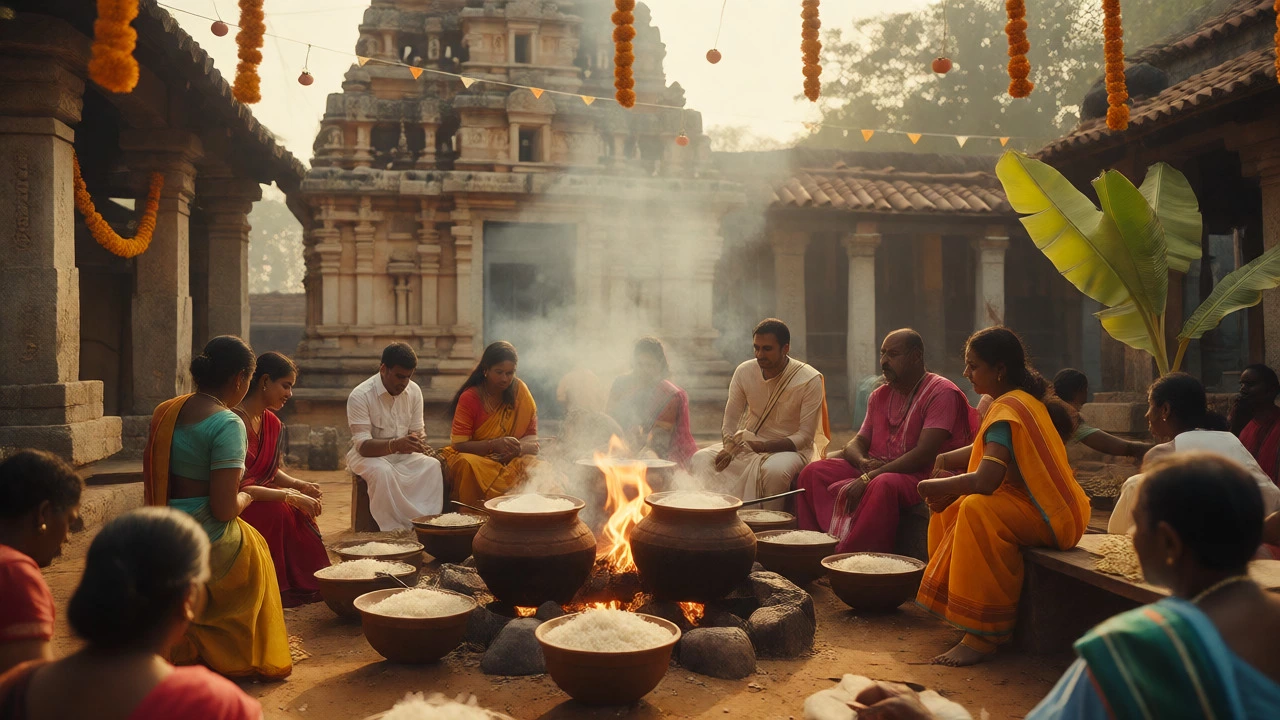
Sometimes the weather takes a backseat to culture. If you want to see South India at its most vibrant, align your trip with major festivals. These events draw huge crowds, so book accommodation six months in advance. Onam in Kerala (August/September) is a massive celebration with snake boat races and feasts. The weather is rainy, but the energy is electric. In Tamil Nadu, the Pongal harvest festival (January) turns villages into colorful hubs of tradition. If you’re into music, the Chennai Music Season (December-January) is world-class, though it means dealing with traffic and packed auditoriums.
Practical Tips for Each Season
Regardless of when you go, some rules apply. First, always carry an umbrella, even in winter. Sudden showers happen. Second, respect local dress codes, especially in temples. Shorts and sleeveless tops are often banned in sacred spaces, regardless of how hot it is. Third, book domestic flights early. Prices skyrocket during holiday weekends in December and January. For health, stick to bottled water year-round. Street food is delicious but risky in summer due to faster spoilage. In monsoon, watch out for dengue mosquitoes-use repellent generously, especially in the evenings near standing water.
Final Verdict: Matching Your Trip to the Clock
So, when should you go? If you want comfort and convenience, book for December or February. You’ll pay a premium, but everything will be open, accessible, and pleasant. If you’re chasing landscapes and solitude, brave the monsoon in July. You’ll see India raw and refreshing. If you’re on a tight budget and love mountains, take the risk in May and head for the hills.
Is South India safe to visit during the monsoon?
Yes, generally it is safe, but logistics can be tricky. Roads in hilly areas like Munnar and Coorg may face temporary closures due to landslides. Always monitor local news and have flexible travel plans. Urban centers like Kochi and Chennai remain fully functional.
Which month is best for visiting Goa?
November to February is ideal. The weather is dry, sunny, and perfect for beach activities. October can be nice but some beach shacks may still be closed for maintenance until early November.
Can I visit Kerala in April?
You can, but it will be very hot and humid. It’s not the most comfortable time for sightseeing. However, if you plan to stay mostly in houseboats or resort pools, it’s manageable. Hill stations within Kerala are cooler alternatives.
What is the cheapest time to travel to South India?
The monsoon season (June to September) offers the lowest prices for flights and hotels. April and May are also cheaper than winter, but the heat limits outdoor activities.
Does it rain all day during the monsoon?
Not necessarily. Monsoon rains often come in intense bursts followed by periods of sunshine or drizzle. It’s rare to have 24 hours of continuous heavy rain, but overcast skies are common.