South India Travel Planner
Select a region and your preferred month to see weather conditions, packing advice, and potential disruptions.
Most travelers make a critical mistake when planning a South India tour: they book flights based on their vacation calendar rather than the monsoon patterns. If you land in Chennai or Bangalore during October, you might find yourself stuck indoors watching rain lash against the windows for three days straight. That is not how you experience the vibrant culture of the Deccan Plateau or the serene backwaters of Kerala.
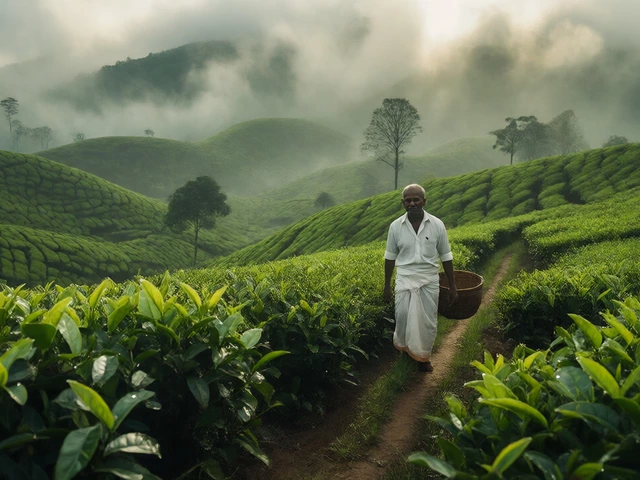
South India is not a single climate zone. It spans from the humid tropical coastlines of Tamil Nadu and Andhra Pradesh to the cool, misty hills of Kerala and Karnataka. Choosing the right month depends entirely on what you want to see. Do you want dry, sunny temple tours? Or lush, green landscapes with fewer crowds? This guide breaks down exactly which months work best for specific regions, so you can pack the right clothes and hit the right spots.
The Sweet Spot: October to March
For the vast majority of first-time visitors, the period between October and March is the golden window. The intense summer heat has retreated, and the heavy monsoons have usually passed, leaving behind pleasant temperatures ranging from 20°C to 30°C (68°F to 86°F). This is when the infrastructure works best-ferries run on schedule in the backwaters, hill station roads are clear, and outdoor festivals are in full swing.
However, this popularity comes with a cost. December and January are peak tourist seasons, especially around Christmas and New Year. Hotel prices in places like Munnar or Pondicherry can double, and popular sites like the Meenakshi Temple in Madurai become incredibly crowded. If you prefer a balance between good weather and manageable crowds, aim for November or late February. You get the same comfortable climate without the holiday rush.
| Region | Best Months | Avoid | Why |
|---|---|---|---|
| Kerala Coast & Backwaters | Oct - Mar | Jun - Sep | Monsoons cause flooding; houseboats may cancel trips. |
| Tamil Nadu Temples | Nov - Feb | Apr - Jun | Summer heat exceeds 40°C (104°F); unbearable for walking. |
| Hill Stations (Ooty, Kodaikanal) | All Year | None strictly | Cool year-round, but Oct-Nov offers clearest views. |
| Karnataka Beaches (Gokarna) | Oct - Mar | Jul - Aug | Heavy rains make swimming dangerous due to currents. |
Understanding the Two Monsoons
Unlike North India, which gets one major rainy season, South India faces two distinct monsoon cycles. Understanding this distinction saves you from ruined itineraries. The Southwest Monsoon hits the western coast (Kerala and coastal Karnataka) from June to September. During these months, places like Kochi and Alleppey receive massive rainfall. While some travelers seek out "monsoon tourism" for the dramatic scenery and Ayurvedic treatments, it is risky for standard sightseeing. Boat rides in the backwaters often halt if waves get too high, and leeches are common in forest treks.
The Northeast Monsoon, occurring from October to December, primarily affects Tamil Nadu and southern Andhra Pradesh. Cities like Chennai and Pondicherry get most of their annual rain during this period. If you plan to visit the eastern coast temples, check the forecast carefully. A brief shower is fine, but prolonged downpours can flood streets and disrupt train schedules. Interestingly, while Tamil Nadu gets wet, Kerala starts drying up in October, making it an ideal time to shift your focus westward.
Month-by-Month Breakdown
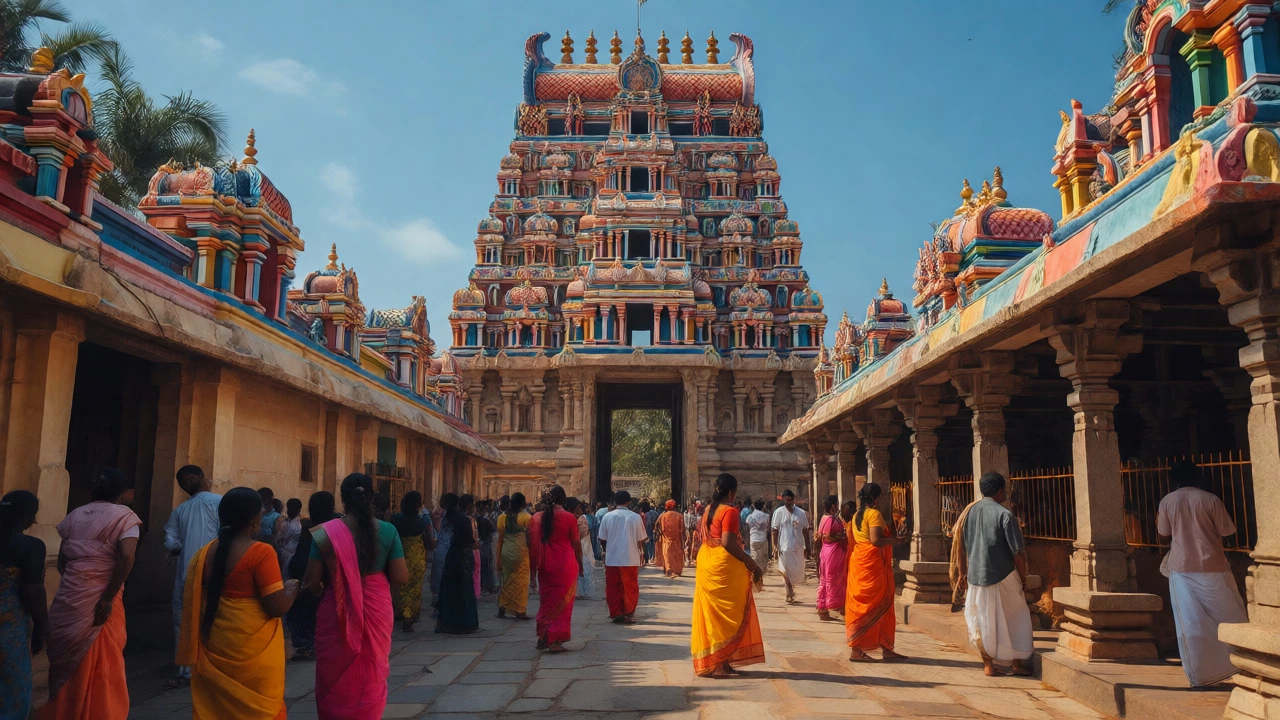
October: This is a transitional month. The Southwest Monsoon retreats from Kerala, leaving the air crisp and the vegetation vividly green. It is arguably the most beautiful time for photography in the Western Ghats. However, Tamil Nadu is still receiving rain. Plan your trip to start in Kerala or Karnataka and move east only if the skies clear.
November: Often cited as the perfect month for South India. The humidity drops significantly across all states. Festivals like Diwali bring cultural vibrancy to cities like Mysore and Hyderabad. Traffic increases slightly, but the weather remains consistently pleasant for both beach lounging and temple hopping.
December & January: Peak season. The weather is at its coolest, particularly in the hills. Ooty and Coorg feel chilly in the mornings, requiring light jackets. Coastal areas remain warm but breezy. Book accommodations at least two months in advance. If you hate crowds, skip the major hubs and explore lesser-known villages in rural Tamil Nadu.
February & March: Temperatures begin to rise slowly. By March, Chennai can hit 35°C (95°F), making midday exploration uncomfortable. But early morning visits to temples or sunrise hikes in Wayanad are still enjoyable. This is also when many agricultural fields bloom, offering colorful landscapes for road trips through Karnataka.
April & May: Summer arrives in full force. Inland cities like Bangalore and Hyderabad become hot, though Bangalore’s elevation keeps it bearable compared to the plains. Avoid visiting low-lying areas like Madurai or Tirupati unless you enjoy extreme heat. This is a great time for budget travelers, as hotels offer steep discounts and availability is high.
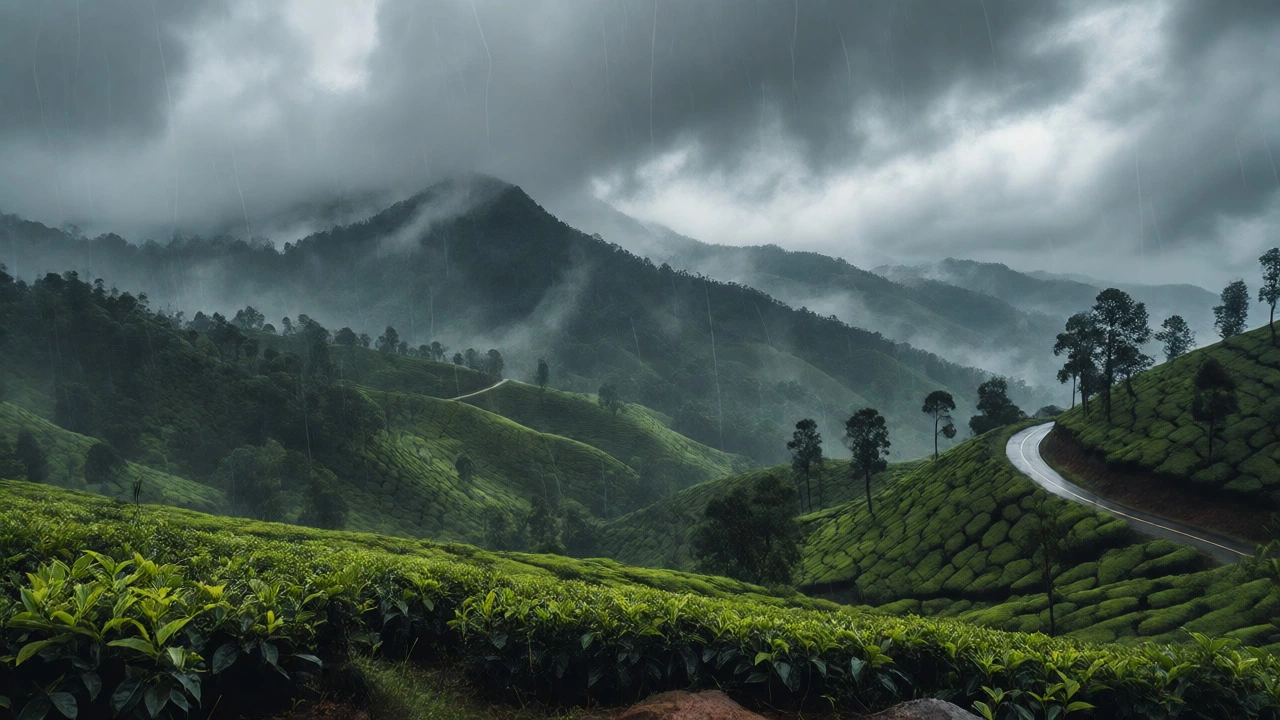
June & July: The Southwest Monsoon begins. Kerala turns into a watercolor painting of deep greens and grey skies. Rainfall is heavy but often intermittent. If you are interested in Ayurveda, this is actually considered the best time for treatments, as traditional practitioners believe the pores open wider in the humid heat, allowing oils to penetrate deeper. Just be prepared for travel delays.
August & September: Peak monsoon intensity. Landslides can occur in hilly areas like Munnar. Houseboat operators in Alleppey may restrict routes. It is the quietest time for tourism, meaning you can negotiate better rates for luxury resorts. But if you are here for beaches, Gokarna or Varkala will likely be closed for swimming due to rough seas.
What to Pack Based on Your Timing
Your luggage strategy should change depending on whether you are chasing sun or rain. For the October-to-March window, lightweight cottons and linens are essential. The humidity lingers even in cooler months. Bring a light shawl or scarf for temple visits, where covering shoulders and knees is mandatory. Footwear matters: slip-on sandals are convenient for removing shoes at religious sites, but sturdy walking shoes are needed for temple complexes with uneven stone floors.
If you are traveling during the monsoon (June-September), waterproof gear is non-negotiable. A compact umbrella is useless in wind-driven rain; invest in a quality raincoat. Quick-dry clothing prevents that clammy feeling after getting soaked. Also, carry zip-lock bags for electronics. Water damage is the biggest risk during these months.
Special Events That Influence Timing
Some travelers choose dates based on festivals rather than weather. The Pongal harvest festival in mid-January transforms Tamil Nadu into a celebration hub. Cattle races in Kolhapur (Maharashtra, bordering South India) happen in January. The Thrissur Pooram in Kerala usually falls in April or May-a spectacular elephant procession that draws huge crowds despite the rising heat. If you want to witness authentic local life, aligning your trip with these events is worth braving slightly worse weather or higher costs.
Final Verdict: Which Month Wins?
There is no single "best" month for everyone, but there is a best month for you. If you prioritize comfort and classic sights, choose November. You avoid the worst of the rains and the peak holiday crowds. If you are a photographer seeking lush landscapes, go in October. If you are on a tight budget and don’t mind occasional showers, try August. Always check regional forecasts before booking, because South India’s microclimates can vary drastically within a few hundred kilometers.
Is it safe to visit South India during the monsoon?
Yes, it is generally safe, but travel logistics can be disrupted. Roads in hilly areas like Munnar or Coorg may face landslides, and boat services in Kerala's backwaters might suspend operations during heavy surges. Always buy travel insurance that covers weather-related cancellations.
Which part of South India is hottest?
Tamil Nadu, particularly inland cities like Madurai and Trichy, experiences the highest temperatures, often exceeding 40°C (104°F) in summer. Coastal areas like Chennai are humid but slightly cooler due to sea breezes, while hill stations remain cool year-round.
Can I visit Kerala and Tamil Nadu in the same trip?
Absolutely, and it is a very popular route. However, timing is tricky because their monsoons differ. Kerala gets rain from June-September, while Tamil Nadu gets it from October-December. To visit both comfortably, aim for January or February when both regions are dry and pleasant.
Are beaches swimmable in October?
It depends on the coast. On the Arabian Sea side (Kerala/Karnataka), the sea calms down by October, making swimming possible again after the monsoon. On the Bay of Bengal side (Tamil Nadu), October can still be rough due to cyclonic activity, so always check local flags before entering the water.
What is the cheapest time to visit?
May and June typically offer the lowest hotel rates due to the onset of summer heat and early monsoon rains. Flights are also cheaper. If you can handle the heat or sudden showers, you can save up to 40% on accommodation compared to peak winter months.