India Travel Budget Calculator 2026
You’ve seen the photos. The vibrant colors of Jaipur, the misty tea gardens of Darjeeling, the chaotic charm of Mumbai’s streets. But then you see a forum post saying, "I survived on $10 a day," and another claiming, "It costs as much as Europe." So, how much money do you actually need for India in 2026? The answer isn’t a single number because India is a country of extremes. Your budget depends entirely on whether you want to sleep in a hostel dorm or a heritage palace, eat street food or dine at Michelin-starred restaurants.
For most travelers, the sweet spot lies somewhere in the middle. If you are planning a standard two-week trip mixing comfort with adventure, you should expect to spend between $40 and $70 per person per day. This covers decent accommodation, good local food, domestic transport, and entry fees. However, if you are backpacking strictly, you can pull it off for $25-$35 a day. If you prefer luxury, prepare to spend $150+ daily. Let’s break down exactly where your money goes so you can plan without panic.
The Daily Cost Breakdown: Where Does the Money Go?
To understand your total budget, we need to look at the four pillars of travel spending: accommodation, food, transport, and activities. In 2026, inflation has nudged prices up slightly from previous years, but India remains one of the most affordable destinations in the world for foreign tourists due to currency exchange rates.
| Category | Backpacker ($) | Moderate/Comfort ($) | Luxury ($) |
|---|---|---|---|
| Accommodation | $5 - $10 | $25 - $45 | $80 - $150+ |
| Food & Drink | $5 - $8 | $15 - $25 | $40 - $60+ |
| Local Transport | $3 - $5 | $10 - $20 | $30 - $50+ |
| Activities & Entry Fees | $2 - $5 | $10 - $20 | $30 - $50+ |
| Total Daily Average | $15 - $28 | $60 - $110 | $180 - $300+ |
Note that the "Moderate" column often feels like luxury compared to the backpacker experience. A $30 hotel room in Goa might give you a private pool view, while $30 in London gets you a shower stall. Context matters here.
Accommodation: From Dorms to Palaces
Where you sleep is usually the biggest variable in your budget. In major tourist hubs like Delhi, Mumbai, Goa, and Rajasthan, prices are higher. In smaller towns or rural areas, they drop significantly.
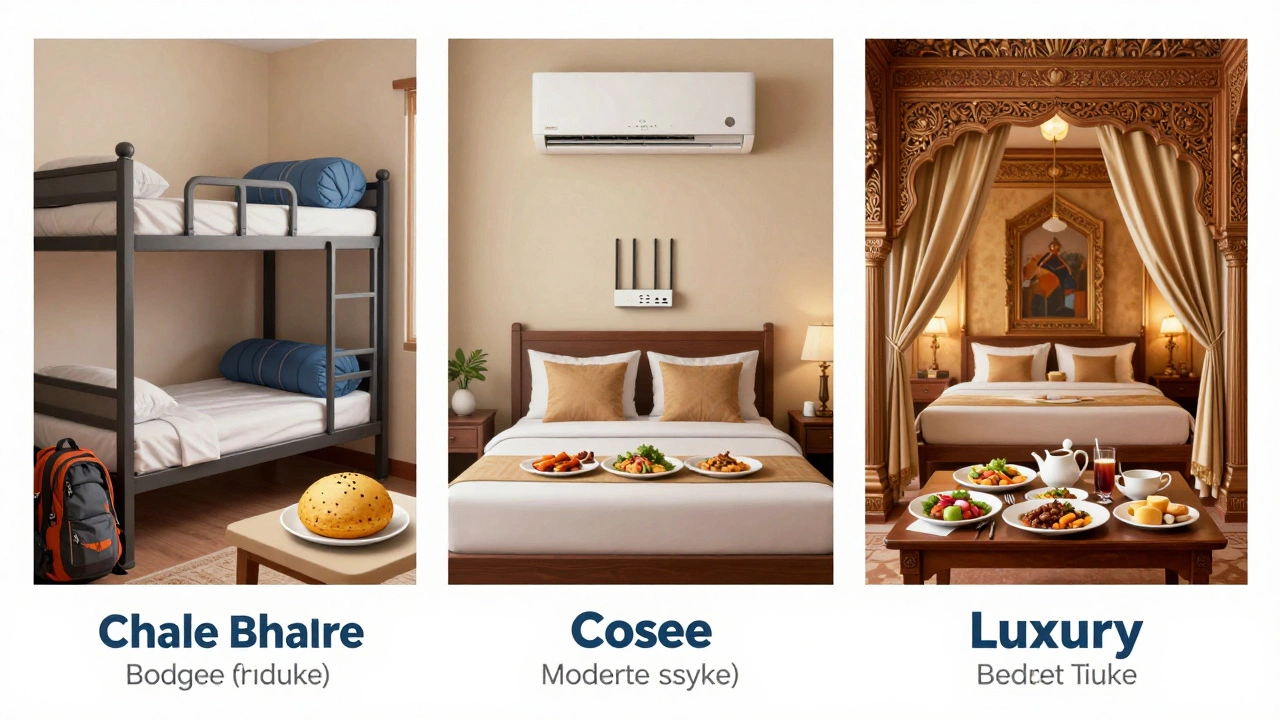
If you are on a tight budget, hostels are everywhere now. A bed in a shared dorm in places like Rishikesh or Goa will cost you around ₹400-₹800 ($5-$10). These aren't just beds; many have great common areas, free breakfast, and organized trips. For a moderate traveler, mid-range hotels or boutique guesthouses offer air conditioning, Wi-Fi, and private bathrooms for ₹2,000-₹3,500 ($25-$45) per night. Look for chains like Lemon Tree or FabHotels for consistency, or local heritage homes for character.
Luxury in India is unique. You aren't just paying for a brand name; you are often paying for history. Staying in a converted royal palace in Udaipur or a jungle lodge in Ranthambore can run you ₹8,000-₹15,000+ ($100-$180+) per night. But this includes meals, guides, and experiences that would cost thousands elsewhere.
Food: Eating Well Without Breaking the Bank
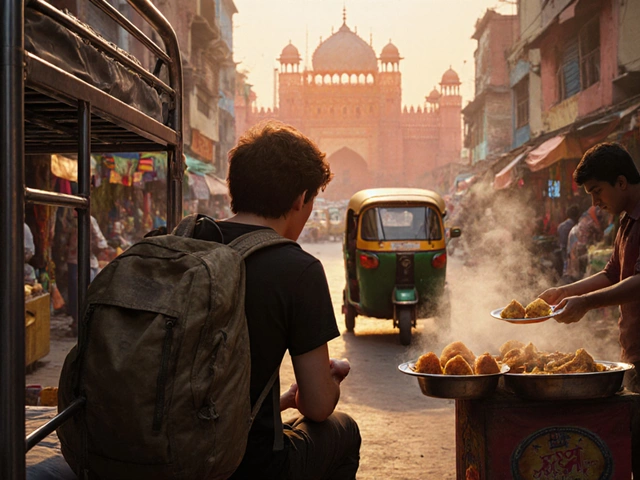
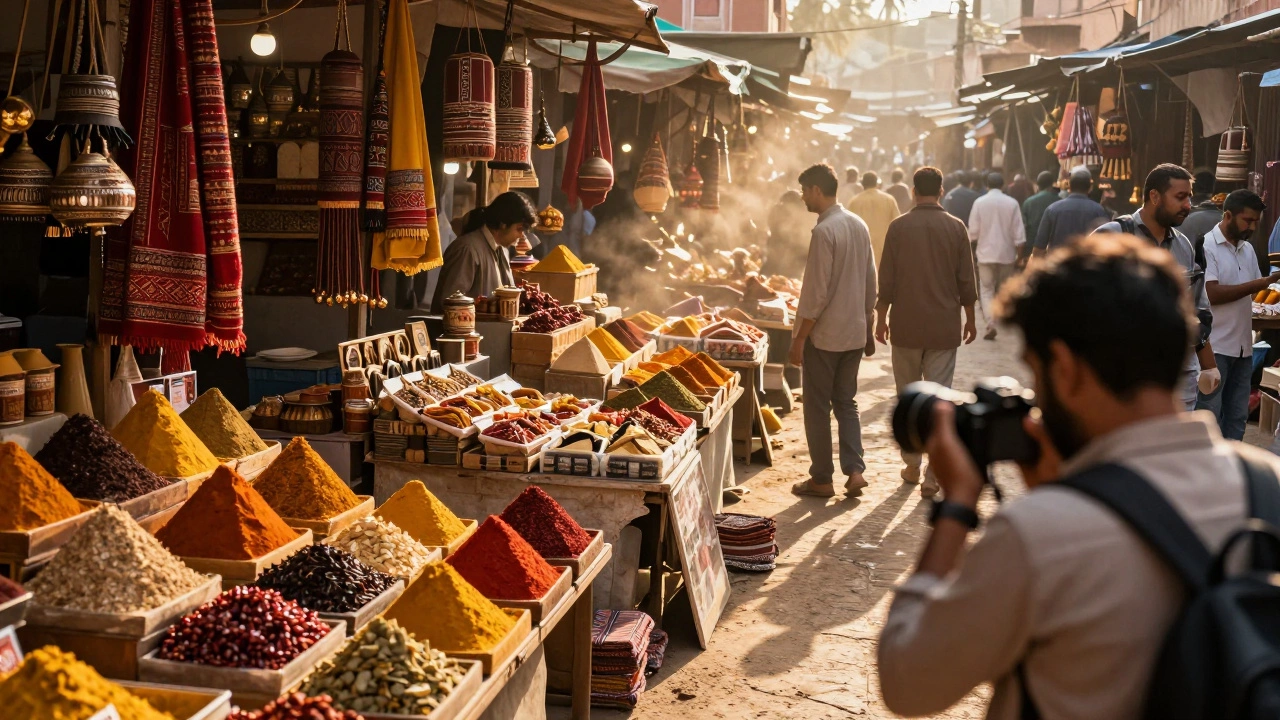
Food in India is cheap, delicious, and varied. You don't need to eat expensive restaurant food to have a great time. Street food is a cultural experience. A plate of Chole Bhature (chickpeas with fried bread) in Delhi might cost you ₹100 ($1.20). A bowl of Dosa in Bangalore is similar. Even a full meal at a decent mid-range restaurant rarely exceeds ₹500-₹800 ($6-$10) per person.
If you stick to street food and small local eateries, you can easily keep food costs under $10 a day. Just be smart about hygiene-choose busy stalls where food turns over quickly. For moderate travelers, mixing street food with nice dinners keeps the average around $20. Luxury dining, especially in metropolitan cities like Mumbai or Delhi, can rival Western prices, with fine dining meals costing $50-$100 per person.
Transport: Getting Around Efficiently
How you move between cities impacts your budget heavily. India is huge. Distances that seem short on a map take hours to cover.
- Budget: Overnight sleeper buses and lower-tier train classes (Sleeper Class) are incredibly cheap. A bus ride from Jaipur to Delhi might cost ₹800-₹1,200 ($10-$15). Trains are even cheaper but require booking early via the IRCTC app.
- Moderate: AC Trains (3AC or 2AC) are the backbone of Indian travel. They are safe, comfortable, and relatively affordable. An AC ticket for a 10-hour journey might cost ₹2,000-₹4,000 ($25-$50). Domestic flights are also competitive if booked in advance, often ranging from $40-$80 for short hops.
- Luxury: First-class train tickets (1AC) or private car hires with drivers. Hiring a private car for a day in Rajasthan or Kerala costs around ₹3,000-₹5,000 ($40-$65), which is split among group members, making it very cost-effective.
Don't forget local transport. Auto-rickshaws and e-rickshaws are ubiquitous. Use apps like Ola or Uber in cities to avoid haggling. In smaller towns, cash is king, and you’ll need to negotiate fares.
Hidden Costs and Visa Fees
Many travelers forget to budget for non-daily expenses. The first big one is the visa. As of 2026, the e-Visa for India remains the standard for most tourists. The fee varies by nationality and duration (30 days, 1 year, or 5 years). For a 30-day double-entry e-Tourist Visa, expect to pay around $25-$80 depending on your country of origin. Always check the official government portal for current rates.
Other hidden costs include:
- Tipping: It’s customary to tip 10% at restaurants if service isn’t included. For guides and drivers, ₹200-₹500 ($2.50-$6) per day is appreciated.
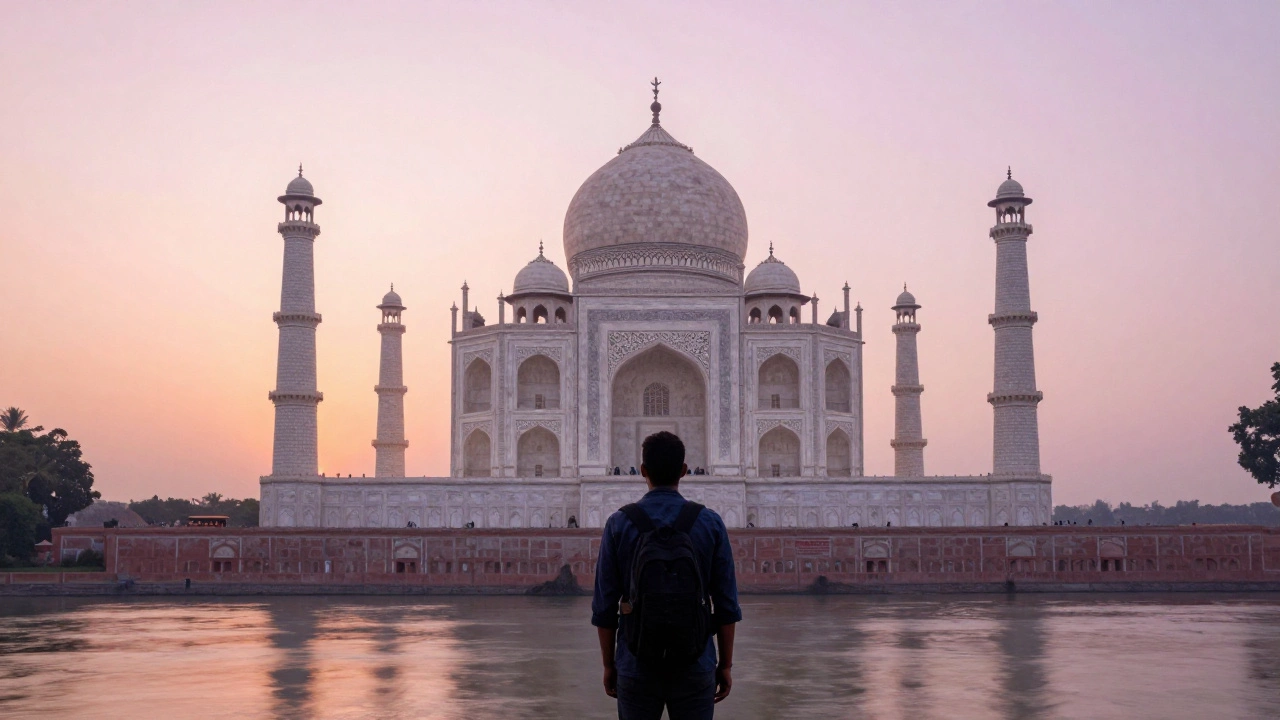
- Entry Fees: Monuments charge different rates for Indians and foreigners. A foreigner’s ticket to the Taj Mahal is around ₹1,100 ($13.50). Museums and forts vary similarly.
- SIM Card: Buying a local SIM (Airtel or Jio) costs about ₹300-₹500 ($4-$6) and gives you high-speed data essential for navigation and bookings.
- Travel Insurance: Not optional. Medical care is cheap, but evacuation or serious treatment can be costly. Budget $30-$50 for a comprehensive policy.
Regional Price Differences
India is not monolithic. Prices fluctuate based on location. North India (Delhi, Rajasthan, Kashmir) tends to be slightly more expensive for tourists due to high demand and infrastructure costs. South India (Kerala, Tamil Nadu, Karnataka) offers incredible value, especially for homestays and houseboats in Kerala, which can be surprisingly affordable compared to their luxury appeal.
Goa is a special case. During peak season (December-February), prices skyrocket. A beach shack drink might cost twice as much, and accommodation doubles. Off-season, it becomes a bargain hunter’s paradise. Himalayan regions like Leh-Ladakh are expensive due to logistical challenges; everything is flown or driven in, raising costs for fuel and goods.
Sample 14-Day Budget Itinerary
Let’s put this into practice. Imagine a classic 2-week trip covering Delhi, Agra, Jaipur, and Goa.
- Flights: International round-trip: $600-$900 (varies wildly by origin).
- Visa & Insurance: $100 total.
- Accommodation (13 nights): Moderate hotels at $35/night = $455.
- Food: $20/day = $280.
- Internal Transport: Flights + Trains + Taxis = $300.
- Activities/Souvenirs: $150.
- Miscellaneous: $100 buffer.
Total Estimated Cost: ~$1,985 per person. If you cut accommodation to hostels and food to street vendors, you could drop this to ~$1,200. If you upgrade to luxury stays and private transfers, it could exceed $4,000.
Money Tips for 2026
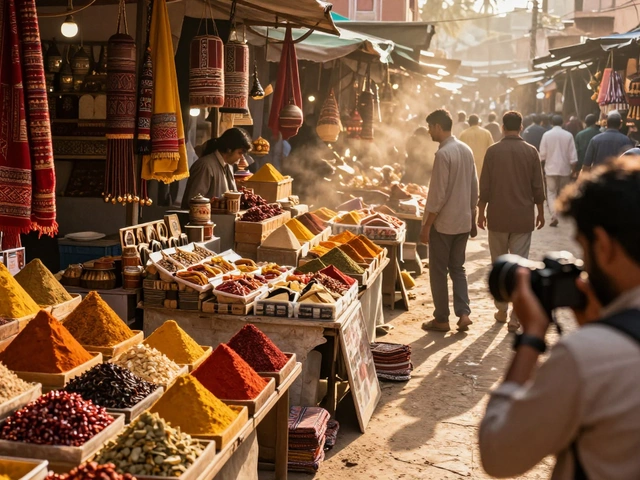
Cash is still widely used, especially in markets and smaller towns. While digital payments (UPI) are dominant among locals, foreign cards sometimes face issues. Carry enough cash for small purchases. ATMs are plentiful in cities but scarce in remote areas. Withdraw larger amounts less frequently to save on fees. Notify your bank before traveling to avoid card blocks. Exchange currency at authorized dealers in airports or city centers; avoid street exchanges.
Is India really cheap for tourists in 2026?
Yes, India remains one of the most affordable destinations globally. While prices have risen slightly due to inflation, the exchange rate favors foreign currencies. You can enjoy high-quality food, comfortable accommodation, and unique experiences for a fraction of the cost in Europe or North America. A moderate lifestyle costs roughly $50-$70 per day.
How much should I budget for food per day?
For street food and local eateries, budget $5-$10 per day. For a mix of local spots and nice restaurants, aim for $15-$25 per day. Fine dining can push this to $50+. Remember, water and drinks add up, so factor those in.
Do I need to carry a lot of cash?
You should carry some cash, but not excessive amounts. Credit cards work in hotels and larger stores. ATMs are available in most towns. Keep small denominations for taxis, tips, and street vendors. Digital wallets linked to international cards are becoming more accepted but are not universal yet.
What is the cost of an India e-Visa?
The e-Visa fee varies by nationality and visa type. For most Western countries, a 30-day double-entry e-Tourist Visa costs between $25 and $80. Check the official Indian government visa website for the exact fee for your passport. Payment is made online during application.
Are there any hidden costs I should watch out for?
Watch out for monument entry fees (higher for foreigners), tipping expectations, and potential ATM withdrawal fees from your home bank. Also, consider travel insurance costs. Some guided tours may include extra charges for cameras or specific activities, so always confirm what's included.