Find Your Ideal Dham: Pilgrimage Match Tool
Answer three quick questions to discover which sacred site aligns best with your current needs and capabilities.
Standing at the base of the Himalayas, watching the first light hit the snow-capped peaks, you realize that Dham is more than a place; it's a feeling. But when travelers ask which Dham is best in India, they are usually looking for two things: profound spiritual peace and logistical feasibility. There isn't one single "best" site because the experience depends entirely on what you need from your journey. Are you seeking high-altitude adventure, ancient historical depth, or accessible coastal serenity?
India’s pilgrimage landscape is vast, stretching from the frozen rivers of the north to the warm sands of the south. This guide breaks down the top contenders, helping you match your physical stamina, budget, and spiritual goals with the right destination. We will look at the classic circuits, the hidden gems, and the practical realities of visiting these sacred sites in 2026.
Understanding the Concept of Dham
In Hindu tradition, a Dham is a sacred place associated with religious merit, often linked to specific deities or cosmic elements. The term comes from Sanskrit, meaning "religion" or "duty," but in travel context, it refers to specific holy towns or regions. While everyone knows the Char Dham circuit (Yamunotri, Gangotri, Kedarnath, Badrinath), the word applies to other major pilgrimage hubs like Puri, Rameswaram, and Dwarka.
The distinction matters because "Char Dham" is a specific four-site loop in Uttarakhand, while "Dham" generally can refer to any significant pilgrimage center. If you have limited time, focusing on one or two key sites offers a deeper experience than rushing through all four. The best choice depends on whether you prioritize accessibility, altitude, or historical significance.
The Northern Circuit: Yamunotri, Gangotri, Kedarnath, and Badrinath
The Uttarakhand region houses the most famous Char Dham sites. These temples are located in the Garhwal Himalayas and offer some of the most dramatic landscapes in India. However, they also present the highest logistical challenges.
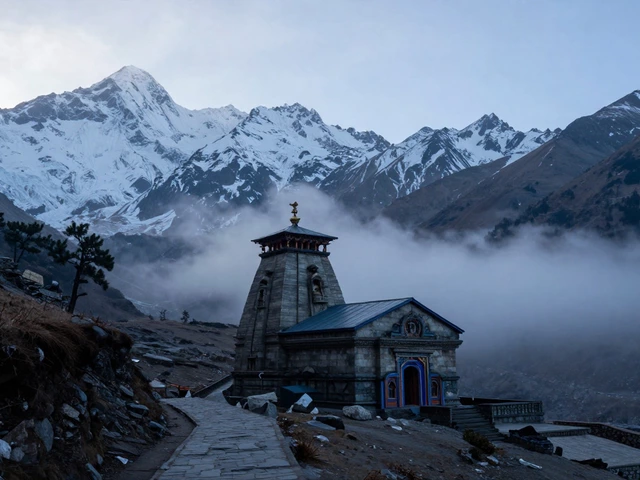
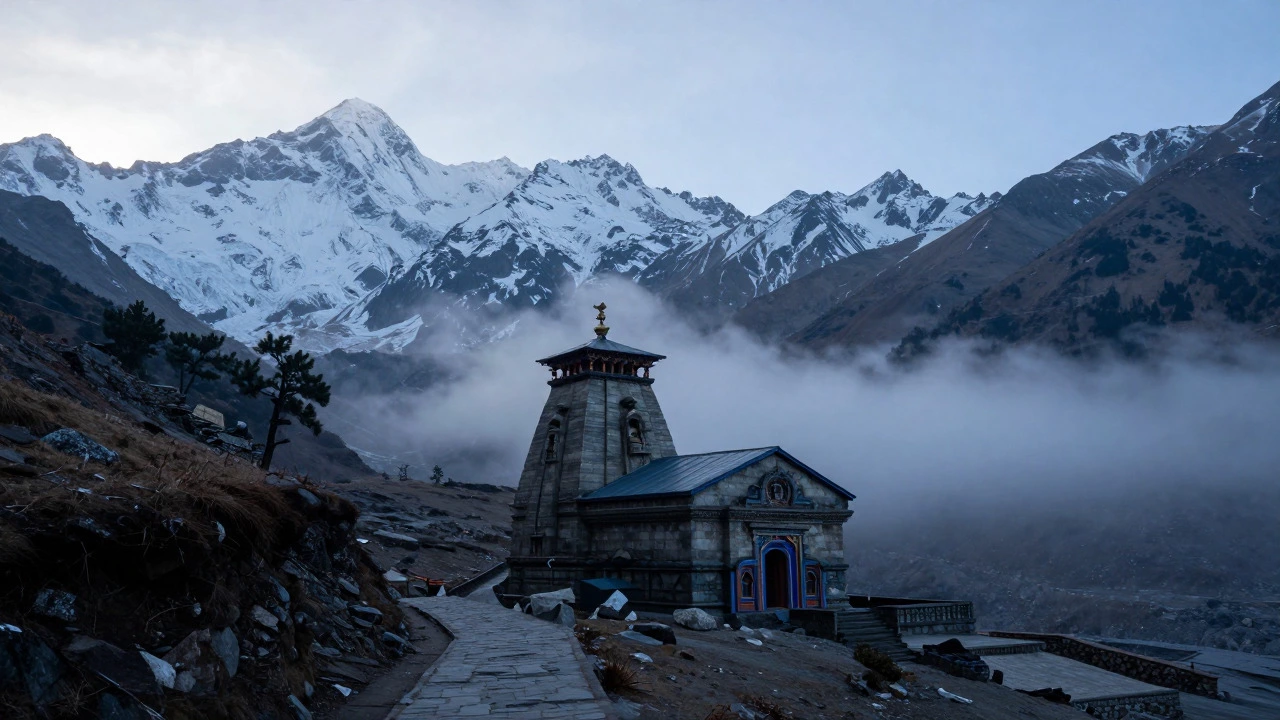
- Kedarnath: Located at 3,583 meters above sea level, this temple is dedicated to Lord Shiva. It requires a trek of about 16 kilometers from Gaurikund. The stone architecture is ancient, and the view of the Trishul peak is breathtaking. It is physically demanding but spiritually intense.
- Badrinath: Situated at 3,120 meters, this temple honors Vishnu. It is more accessible than Kedarnath, reachable by road. The hot springs nearby provide relief after the cold mountain air. It serves as the gateway to the broader Himalayan trail network.
- Gangotri: Dedicated to Goddess Ganga, this site marks the source of the Bhagirathi river. It is less crowded than its counterparts and offers a quieter meditation environment. The temple complex is set against a backdrop of glaciers and pine forests.
- Yamunotri: The source of the Yamuna river, this is the shortest trek among the four. It is often considered the most serene and least commercialized, making it ideal for those seeking solitude over spectacle.
The season for these sites is strictly limited. They are open only from May to October. Outside these months, heavy snowfall blocks access. If you are planning a trip in August 2026, be prepared for monsoon rains, which can cause landslides. Check weather forecasts daily and carry rain gear. The roads are narrow and winding, so motion sickness is common for many travelers.
The Eastern Hub: Puri and Jagannath Temple
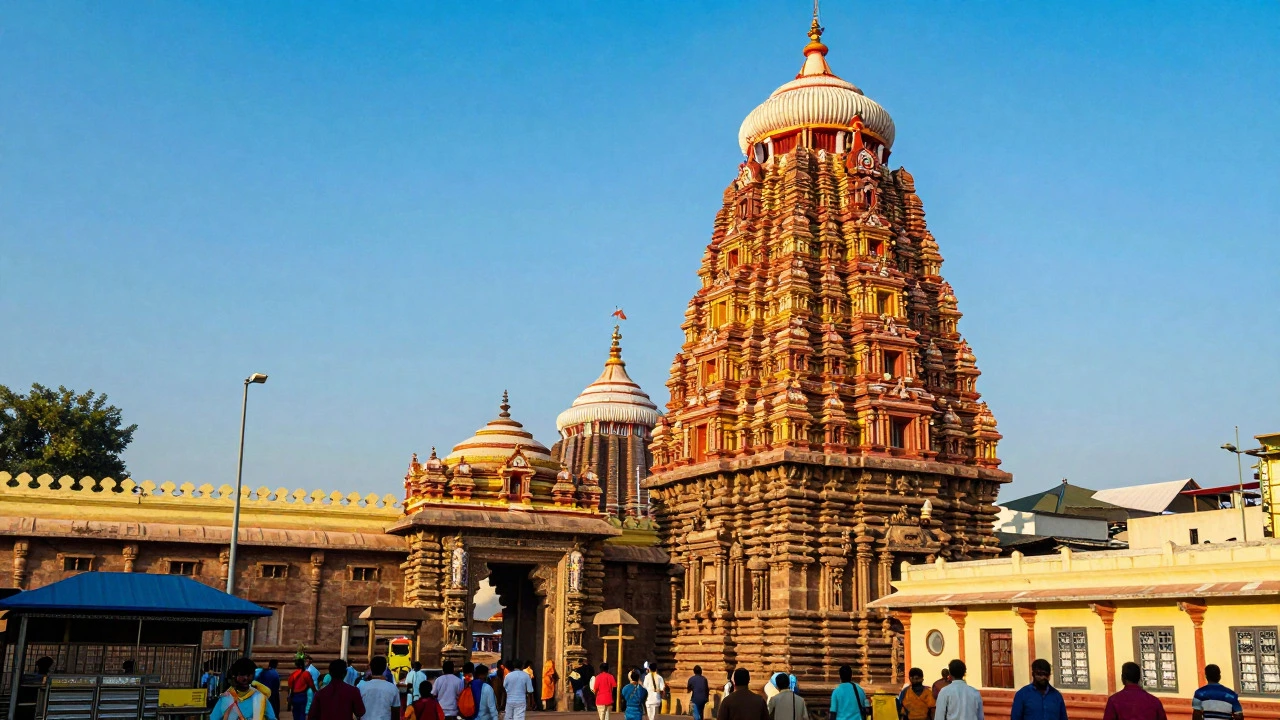
If the mountains feel too strenuous, Puri in Odisha offers a different kind of spiritual intensity. The Jagannath Temple is one of the largest and most visited temples in India. Unlike the Himalayan dhams, Puri is a coastal city where spirituality meets oceanic energy.
The annual Rath Yatra festival draws millions of devotees who pull massive chariots through the streets. Even outside the festival season, the atmosphere is electric. The temple complex includes several smaller shrines, and the nearby Konark Sun Temple adds a layer of architectural wonder. Puri is easier to navigate, with good hotel infrastructure and flat terrain. It is an excellent choice for families or travelers with mobility limitations.
One downside is the crowd density. During peak hours, moving around the temple premises can be exhausting. Arriving early in the morning helps secure a better darshan (viewing) experience. The food scene in Puri is also notable, with local specialties like chakuli and pitha offering a taste of Odia culture.
The Southern Anchor: Rameswaram
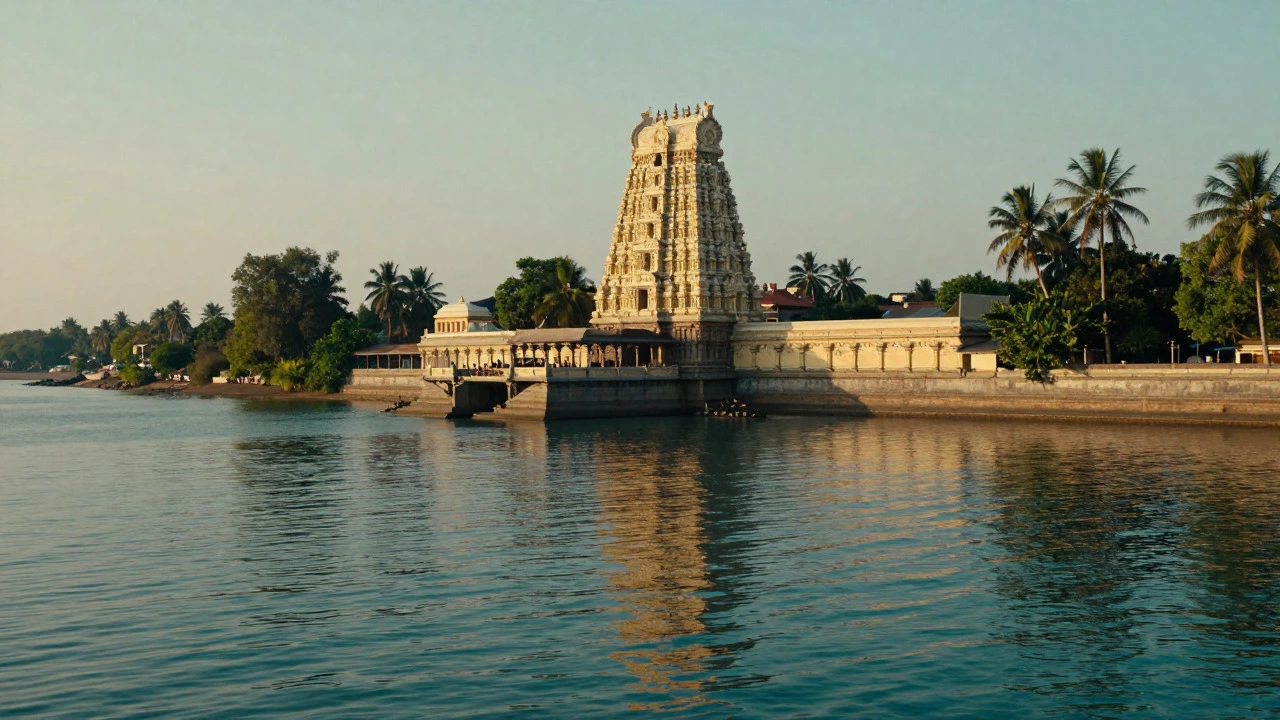
In the far south, Rameswaram in Tamil Nadu stands as a critical pilgrimage site. According to legend, Lord Rama built a bridge here to cross to Lanka. The temple complex is situated on a small island connected to the mainland by a causeway.
Rameswaram is unique because it combines Hindu and Jain traditions. The Agni Theertham, a natural hot water spring, is believed to purify sins. The climate is tropical year-round, making it accessible without the seasonal restrictions of the north. Travelers often combine Rameswaram with visits to Madurai or Kanyakumari.
The spiritual vibe here is calm and contemplative. The long corridors of the temple allow for slow, reflective walks. If you prefer history and mythology over high-altitude adventure, Rameswaram delivers immense value. The surrounding beaches are quiet, providing a peaceful end to the day.
Western Significance: Dwarka
Dwarka in Gujarat is the birthplace of Lord Krishna. It is one of the Char Dham sites if you consider the broader definition including the southern and western anchors. The current temple was rebuilt in 1960 after the original structure was submerged by the sea.
Dwarka is less crowded than Puri or Rameswaram, offering a more intimate experience. The city itself is small, and the temple is the central focus. Nearby, the Nageshwar Jyotirlinga temple adds another layer of spiritual significance. The coastal location provides beautiful sunsets, blending religious devotion with natural beauty.
Access to Dwarka is straightforward via Ahmedabad or Rajkot airports. The drive from the airport is short, making it easy to fit into a broader Gujarat itinerary. The pace here is slower, allowing for deep immersion in the rituals and local customs.
Comparison of Major Dham Sites
| Site | Location | Altitude/Climate | Accessibility | Best Time to Visit | Primary Deity |
|---|---|---|---|---|---|
| Kedarnath | Uttarakhand | 3,583m / Cold Mountain | Trek required | May - Oct | Shiva |
| Badrinath | Uttarakhand | 3,120m / Cold Mountain | Road accessible | May - Oct | Vishnu |
| Puri | Odisha | Sea Level / Tropical | Highly Accessible | Oct - Mar | Jagannath |
| Rameswaram | Tamil Nadu | Sea Level / Tropical | Highly Accessible | Nov - Feb | Rama/Shiva |
| Dwarka | Gujarat | Sea Level / Arid | Good Road/Air | Oct - Mar | Krishna |
Practical Tips for Pilgrimage Travel
Choosing the right Dham is only half the battle. Preparing for the journey ensures a smoother experience. Here are some essential considerations for 2026 travelers.
- Book Accommodation Early: Popular sites like Kedarnath and Puri fill up quickly during peak seasons. For Kedarnath, guesthouses near Gaurikund are basic, so manage expectations. In Puri, hotels range from budget to luxury, but book at least two weeks in advance for festivals.
- Health Preparation: Altitude sickness is a real risk in Uttarakhand. Acclimatize slowly, stay hydrated, and consult a doctor if you have heart conditions. For coastal sites, heat exhaustion is more common, so carry sunscreen and electrolytes.
- Local Transport: Heli-tours are available for Kedarnath but are expensive and subject to weather cancellations. Shared jeeps are cheaper but less comfortable. In the south, auto-rickshaws are ubiquitous and affordable for short distances.
- Cultural Etiquette: Dress modestly. Cover your shoulders and knees in temples. Remove shoes before entering sanctums. Photography may be restricted in inner areas, so check signage.
Budget-wise, the northern circuit is more expensive due to trekking costs, helicopter fares, and higher accommodation rates in mountain towns. Coastal sites like Puri and Rameswaram are generally more budget-friendly, with lower food and lodging costs. Plan for approximately 2-3 days per site to avoid rush and truly absorb the atmosphere.
Frequently Asked Questions
Which Dham is easiest for beginners?
Puri and Rameswaram are the easiest for beginners. They are at sea level, have flat terrain, and excellent infrastructure. You do not need to trek or deal with extreme weather. Kedarnath and Badrinath require physical fitness and tolerance for cold.
Can I visit Char Dham in winter?
Generally, no. The four Himalayan sites in Uttarakhand close from November to April due to heavy snowfall. However, Puri, Rameswaram, and Dwarka are open year-round, though the winter months (October to March) offer the most pleasant weather.
How many days should I spend at each Dham?
Allocate at least two full days per site. One day for travel and initial exploration, and one day for darshan and local sightseeing. For Kedarnath, add an extra day for the trek acclimatization. Rushing reduces the spiritual impact of the visit.
Is Kedarnath worth the trek?
Yes, if you enjoy hiking and want a challenging spiritual experience. The views are spectacular, and the sense of achievement upon reaching the temple is profound. If you prefer comfort, consider the helicopter option or choose Badrinath instead, which is road-accessible.
What is the best time to visit Puri?
The best time to visit Puri is from October to March. The weather is cool and dry, perfect for exploring the temple and beach. Avoid July and August due to monsoon rains, which can disrupt travel plans and make the streets slippery.