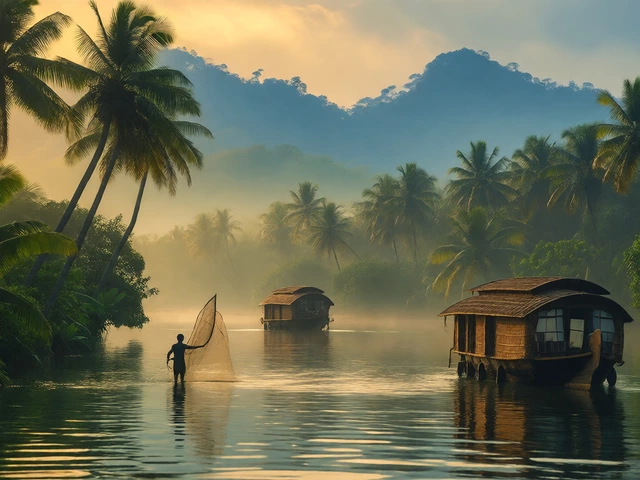
Choosing between Mumbai and Bangalore feels like trying to pick your favorite sibling. Both offer intense culture, world-class food, and chaotic energy that defines modern India. Yet, they feel like entirely different worlds. You face a massive decision right now in late March because the weather tells a very different story for each city.
The Weather Reality Check
Mumbai is the financial capital of India located on the Konkan coast. By the end of March, the temperature here climbs steeply towards the mid-thirties Celsius. You walk outside and humidity clings to your skin instantly. This is pre-monsoon season, meaning the heat is dry initially but quickly turns sticky as summer approaches.
If you prefer staying comfortable, Bangalore is the IT hub of India situated on the Deccan plateau. Also known as Bengaluru, it sits high enough to escape the brutal plains heat. Late March here feels like spring. Temperatures hover around twenty-four degrees Celsius in the mornings and dip comfortably at night. If you dread sweating through three shirts a day, Bangalore wins hands down in this window.
Where Your Money Goes
Budget travelers always ask how far a rupee stretches in these metropolises. Mumbai tends to demand more for accommodation. A decent mid-range hotel room near Marine Drive starts at roughly four thousand rupees per night in 2026 pricing. Food costs vary wildly. You can get a vada pav sandwich for twenty rupees on the street, but sit-down dinners in Colaba add up fast due to service charges and taxes.
In contrast, Bangalore offers slightly more affordable lodging options for tourists. Guesthouses in areas like Indiranagar or MG Road often undercut Mumbai prices by fifteen percent. Transport costs are similar since both cities have expanded metro networks, but Bangalore taxis and ride-shares sometimes run cheaper due to less traffic congestion outside peak hours.
- Street food prices remain low in both cities.
- Drinks at nightlife spots cost double in Mumbai compared to Bangalore.
- Entry fees to historical sites range between fifty and three hundred rupees.
- Tourist taxes apply to luxury hotels in both regions.
The Food Fight
You cannot talk about India without talking about taste. Mumbai is the kingdom of seafood. Goan fish curries and Malabar prawns dominate the menus along the seaface. The local staple is the Bun Maska and Bombay Sandwiches. These sandwiches layer potatoes, cabbage, onions, and spicy mayo, sold wrapped in newspaper style paper.
Hyderabadi Biryani is a aromatic rice dish popular across south indian cities. While Hyderabad owns the recipe, Bangalore serves excellent versions. The real difference lies in breakfast. In Mumbai, puris and chutneys wake you up. In Bangalore, the ritual involves filter coffee and Masala Dosa. Coffee shops serve strong black brews that locals drink throughout the day. You find endless cafes in Bangalore offering specialty roasts alongside traditional tiffins.
Vegetarians often lean toward Bangalore. The southern city hosts more veg-only restaurants. Mumbai has many too, especially in Zee Avenue, but meat options remain dominant due to coastal fishing cultures.

Cultural Vibe and Nightlife
Bandra is a suburban area in Mumbai known for its western ghats views and nightlife. Known as the Hollywood of the East, Bandra packs narrow streets with Victorian architecture and celebrity homes. The nightlife here is clubbing-heavy. Loud music, bottle service, and high-energy crowds define the weekend evenings.
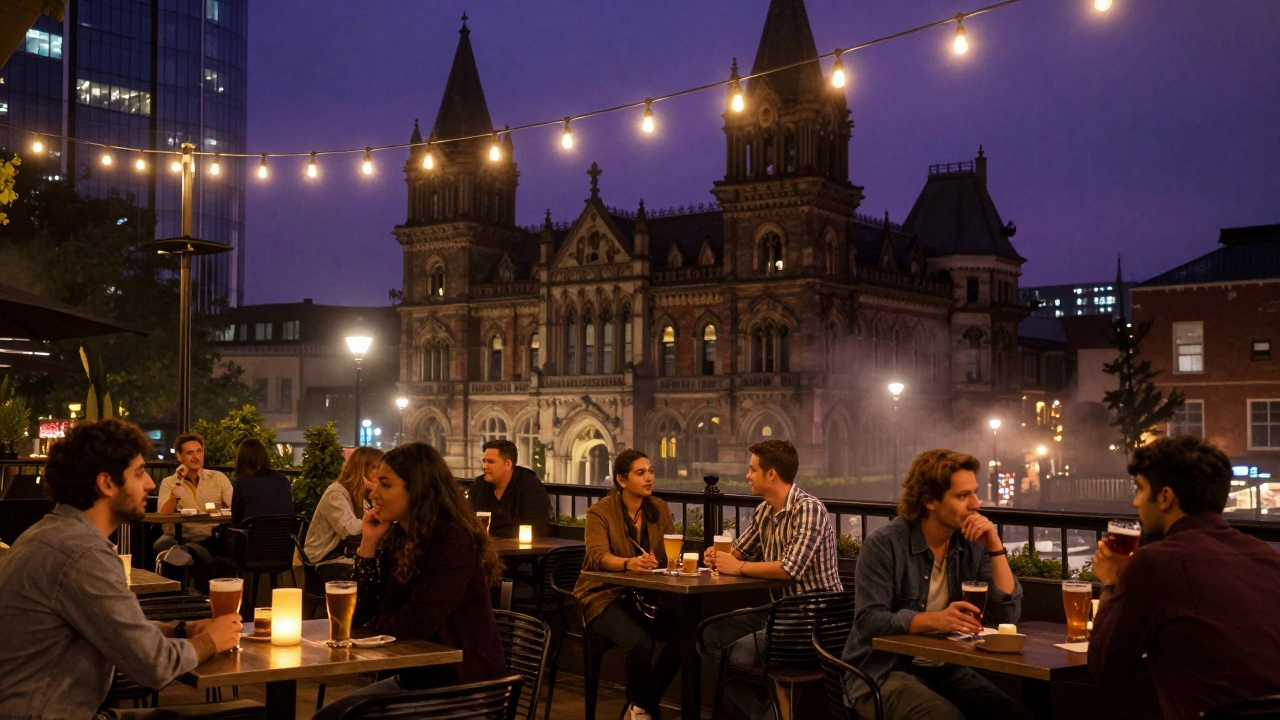
Bangalore prefers a more laid-back social scene. Pub culture thrives in Koramangala and Indiranagar. Bars open earlier and stay open later than Mumbai regulations allow. You see college students mixing with corporate workers sharing craft beers rather than expensive cocktails. The pace is slower. People sit outdoors. You chat with strangers easily. In Mumbai, the pace drags everyone forward faster; rushing is part of the survival mechanism.
Sightseeing Highlights
Every city holds its own crown jewels. The Gateway of India stands tall in Mumbai as a stone arch honoring the city's history. Nearby, Chhatrapati Shivaji Maharaj Terminus showcases Victorian Gothic architecture. It looks like a cathedral built for trains. Walking the Colaba Causeway brings you into the chaos of markets selling jewelry, spices, and cheap souvenirs.
Lalbagh Botanical Garden is a historic garden in Bangalore featuring rare plant species. This green lung spans hundreds of acres in Bangalore. In March, the flowers bloom beautifully before the heat hits hard. Driving up to Nandi Hills offers sunrise views that put many tourist spots to shame. Unlike Mumbai's crowded beaches, Bangalore offers nature escapes closer to the suburbs. You reach waterfalls and forests within an hour's drive.
Public Transport Systems
BEST is the local bus transport network serving Mumbai. Mumbai runs on trains too. The local trains connecting suburbs to central hubs move millions daily. They are incredibly packed during rush hours. Safety rules are strict, but the frequency is unmatched.
Bangalore relies heavily on the Namma Metro system. Launched widely over recent years, it connects whitefield to Whitefield and extends to other corners. Trains arrive every few minutes. Stations offer air-conditioned rides. For tourists avoiding traffic jams, the Metro works wonders in both cities, though Bangalore's map coverage is expanding rapidly to match Mumbai's density.
Final Verdict Based on Traveler Type
| Feature | Mumbai | Bangalore |
|---|---|---|
| Best For | History & Energy | Relaxation & Nature |
| Climate (March) | Hot & Humid | Pleasant & Warm |
| Cost Level | High | Medium |
| Food Focus | Seafood & Snacks | Vegetarian & Coffee |
| Nightlife | Clubbing | Pubs & Cafes |
If you want raw energy, historical architecture, and don't mind sweating, pick Mumbai. If you want cooler weather, greener surroundings, and good vegetarian food, pick Bangalore. Many travelers do both on one long trip because they complement each other perfectly.
Is Mumbai safe for solo female travelers?
Mumbai is generally safe, but you should avoid isolated areas after dark. Stick to well-lit tourist zones and take registered cabs at night. Crowded trains require extra vigilance during rush hours.
What is the best month to visit Bangalore?
December through February offers the coolest weather. However, late March is also quite manageable compared to the rest of India. Avoid the peak monsoon months in July if you dislike heavy rain.
Do I need a visa for both cities?
Yes, entering India requires a unified visa. One visa grants access to all states including Mumbai and Bangalore. Apply online for an e-Visa before traveling.
Can I use cashless payments everywhere?
Large establishments accept cards and UPI apps easily. However, small street vendors often prefer cash. Carry some small denomination notes for tea stalls and auto rickshaws.
How much money should I budget per day?
A budget traveler might spend ten thousand rupees daily including hostels and meals. A mid-range tourist should plan for thirty thousand rupees to cover private rooms and fine dining.